
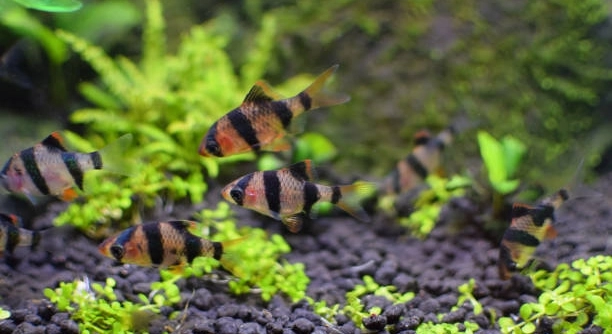
Tiger Barbs are small, colorful fish often kept in home aquariums. They are known for their active swimming and social nature. Many fishkeepers enjoy watching their lively behavior in the tank.
Tiger Barbs can show playful behavior through chasing, nipping, and interacting with tank mates. These actions reflect their natural curiosity and social instincts rather than aggression alone. Playful displays are common when they are healthy and comfortable in their environment.
Observing these fish closely can reveal more about their unique social habits. Understanding their behavior helps improve care and tank conditions.
How Tiger Barbs Show Playful Behavior
Tiger Barbs often display playful behavior by chasing each other around the tank. This chasing isn’t always aggressive but can be a way for them to interact and establish social bonds. They sometimes nip at each other gently, which may seem rough but is usually part of their playful communication. These fish also explore their environment actively, swimming through plants and decorations. When they feel safe and comfortable, their movements become more energetic and curious. This liveliness is a sign they are content and engaged with their surroundings. Watching their playful actions can make caring for them more enjoyable. It’s important to provide enough space and companions so they can express these behaviors without stress. A tank that is too small or lacking hiding spots might cause them to act more aggressively instead. Understanding these signs helps maintain a healthy and stimulating environment for Tiger Barbs.
Playful behavior usually happens in groups, as Tiger Barbs thrive in social settings. They need companions to feel secure and happy.
Keeping an eye on their behavior helps ensure the tank is balanced. When Tiger Barbs play, it means they are comfortable. If they suddenly stop, it could be a sign of stress or illness. It’s also helpful to provide toys or varied decorations to keep them interested. Changing the tank layout occasionally can stimulate their natural curiosity. This prevents boredom and promotes their mental well-being. Overall, their playful nature is a good indicator of their health and happiness.
Why Playfulness Matters for Tiger Barbs
Playful behavior in Tiger Barbs shows they are well-adjusted and healthy.
Playfulness is essential for Tiger Barbs because it reflects their mental and physical health. When they engage in playful chasing and exploring, it indicates that their environment meets their needs. Lack of play might mean something is missing in their tank setup or that they are stressed. For example, Tiger Barbs kept alone or in a small tank may become aggressive or lethargic. Play helps reduce tension and keeps their muscles active. It also encourages social interaction, which is important for this species. Providing enough tank mates and a spacious, well-decorated tank promotes natural behaviors. By supporting play, owners help Tiger Barbs thrive, making the aquarium more lively and enjoyable to watch. Observing their playful moments adds satisfaction to the care routine and ensures these fish lead a happier life.
Signs of Playful Behavior in Tiger Barbs
Tiger Barbs show playfulness through chasing, gentle nipping, and exploring their tank. These actions help them bond and stay active.
These fish are very social and often interact with their tank mates by darting around and nudging each other lightly. Their playful chasing is not meant to harm but to engage and communicate. They also explore plants, rocks, and decorations, which keeps them mentally stimulated. Watching these behaviors helps you understand when they feel safe and comfortable in their environment. When they are stressed or sick, these playful actions may decrease or stop entirely.
Providing a varied environment encourages Tiger Barbs to stay active and playful. Toys, plants, and open swimming space support these behaviors and promote their overall well-being.
Creating an Environment That Encourages Playfulness
A tank with plenty of space and hiding spots encourages Tiger Barbs to show their playful side. Crowded tanks can lead to stress and aggression.
Good water quality, regular feeding, and proper tank mates also contribute to their comfort. When Tiger Barbs feel safe, they are more likely to swim actively and interact playfully. Bright lighting and natural decorations can stimulate their curiosity. Avoid sudden changes in their environment to prevent stress that might reduce playfulness. Keeping the tank clean and maintaining stable water parameters supports their health. A well-planned tank setup is essential to help these fish express natural behaviors and enjoy a lively, playful life.
How Tank Mates Influence Playfulness
Tiger Barbs are more playful when kept with compatible tank mates. Aggressive or very passive fish can affect their behavior negatively.
Choosing the right companions helps maintain a balanced social environment. Similar-sized, active fish encourage playful interactions without causing stress.
Feeding and Its Effect on Behavior
Proper feeding routines boost energy and encourage playful activity in Tiger Barbs. A varied diet keeps them healthy and engaged.
Feeding high-quality flakes, pellets, and occasional live or frozen foods supports their vitality. Hungry or overfed fish may become lethargic or aggressive, so balanced feeding is key.
Recognizing Stress That Limits Play
Stress can reduce playful behavior in Tiger Barbs. Signs include hiding, loss of appetite, and sudden aggression.
FAQ
Can Tiger Barbs really play like other animals?
Tiger Barbs don’t play exactly like pets such as dogs or cats, but their behavior can show signs of playfulness. Chasing, nipping, and exploring their tank are ways they interact socially and express curiosity. These actions help keep them active and mentally stimulated.
Why do Tiger Barbs nip at each other?
Nipping is often part of their playful or social behavior. While it might look aggressive, light nipping helps establish social order in the group. However, if the nipping becomes too frequent or causes injury, it may be due to stress or overcrowding.
How many Tiger Barbs should I keep together?
It’s best to keep Tiger Barbs in groups of at least six. They are schooling fish and feel more secure with companions. Larger groups reduce aggressive behavior and promote playful interactions.
What tank size is ideal for Tiger Barbs?
A tank of at least 30 gallons is recommended for a small group. This provides enough space for swimming and exploring, which encourages natural, playful behavior. Smaller tanks can cause stress and increase aggression.
What types of tank mates work well with Tiger Barbs?
Choose fast, active fish that can handle Tiger Barbs’ playful nipping, like danios or larger tetras. Avoid slow or long-finned fish that might get stressed or harmed. Proper tank mates help keep the social balance healthy.
Does lighting affect Tiger Barbs’ activity?
Yes, moderate lighting helps Tiger Barbs stay active and encourages natural behaviors. Too bright or too dim lighting can cause stress or lethargy. Balanced light levels mimic their natural environment.
Can changes in the tank setup affect playfulness?
Yes, rearranging plants or decorations can stimulate curiosity and encourage exploration. But sudden, frequent changes might stress the fish. Small, gradual adjustments are best to keep Tiger Barbs comfortable and engaged.
How does water quality impact their behavior?
Poor water quality causes stress, which reduces activity and playfulness. Regular water changes and monitoring parameters like ammonia, nitrites, and pH help keep Tiger Barbs healthy and lively.
What is the best diet to support their playful nature?
A balanced diet with high-quality flakes or pellets, supplemented by live or frozen foods like bloodworms or brine shrimp, supports energy levels and health. Proper nutrition encourages active, playful behavior.
Can Tiger Barbs get bored?
Yes, like many fish, Tiger Barbs can become bored without enough stimulation. Providing plants, hiding spots, and a varied environment helps keep them mentally active and prevents dull behavior.
How can I tell if Tiger Barbs are stressed?
Signs of stress include hiding often, loss of appetite, rapid breathing, or aggressive behavior. Stress reduces their willingness to play and explore. Identifying and fixing stress causes improves their well-being.
Do Tiger Barbs show affection or recognition?
While they don’t show affection like mammals, Tiger Barbs recognize tank mates and owners. They may swim closer or become more active when feeding time approaches, which reflects recognition and trust.
Is it normal for Tiger Barbs to sometimes seem aggressive?
Yes, mild aggression is normal, especially during feeding or in crowded tanks. However, consistent, harmful aggression means the environment or group size needs adjustment.
Can Tiger Barbs live happily alone?
Tiger Barbs are social fish and generally do not thrive alone. They need companions to feel secure and show natural behaviors, including playfulness.
How often should I change the tank water?
Changing 20-30% of the water weekly helps maintain good water quality, supporting healthy behavior and playfulness.
Are there any signs that Tiger Barbs are bored or unhappy?
Lack of movement, hiding all the time, or constant aggression can be signs of boredom or stress. Enhancing their environment and social conditions usually improves these behaviors.
Tiger Barbs are lively and social fish that can show playful behavior when they are comfortable in their environment. Their chasing, gentle nipping, and exploring are signs that they are active and engaged. Providing a well-maintained tank with enough space and the right companions encourages these natural behaviors. It is important to pay attention to how they act, as changes in their playfulness can signal health or stress issues. When Tiger Barbs play, it means they feel safe and happy in their surroundings.
Creating a good environment is key to supporting Tiger Barbs’ playful side. This includes keeping the water clean, feeding them a balanced diet, and choosing tank mates that get along well with them. Decorations and plants help stimulate their curiosity and give them places to swim and hide. Avoid overcrowding or sudden changes in the tank, as these can cause stress and reduce their activity. Watching Tiger Barbs interact can be rewarding, as it shows their personalities and social habits.
Overall, understanding Tiger Barbs’ behavior helps improve their care and well-being. While their play may not be the same as that of land animals, it is an important part of how they communicate and enjoy their environment. Paying attention to their needs and behavior will ensure they remain healthy and active. Taking the time to create a comfortable tank environment makes keeping Tiger Barbs a more enjoyable experience and helps the fish thrive.

Hello,
If you enjoy the content that we create, please consider saying a "Thank You!" by leaving a tip.
Every little bit helps us continue crafting quality advice that supports the health, happiness, and well-being of pets around the world, for pets of all shapes, sizes, and species.
We really appreciate the kindness and support that you show us!