
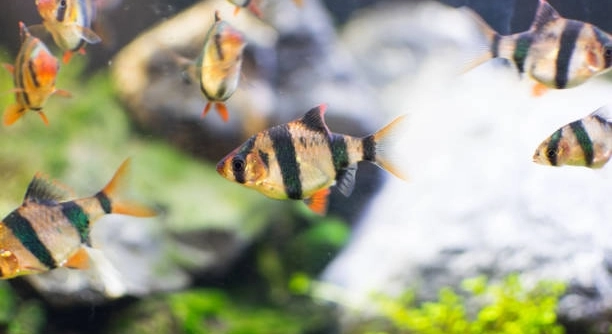
Do you ever find yourself watching your tiger barbs swim around and wonder why they keep chasing each other through the tank?
Tiger barbs often chase one another due to social hierarchy, mating behavior, or territorial disputes. This activity is usually a natural expression of their schooling instincts, which can sometimes look aggressive but is often harmless.
Learning the difference between playful chasing and real aggression can help you keep your fish safe, comfortable, and stress-free in their tank.
Reasons Behind the Chasing Behavior
Tiger barbs are naturally active fish that enjoy moving around in groups. This chasing behavior often starts as part of their need to establish a pecking order. In a tank with several barbs, some fish will try to dominate the group, which leads to chasing. This isn’t always a bad thing—it helps keep the group balanced. Another reason they chase is due to mating activity. Males will often follow females closely, nudging them to encourage spawning. Sometimes, the tank size or lack of hiding spots can also cause stress, which increases aggressive behavior. When there’s not enough space or the group is too small, chasing can become more intense and harmful. Observing how long and how often the chasing happens can tell you a lot. If fins are getting torn or one fish is always hiding, then it may be time to step in and make some changes.
A school of at least six tiger barbs usually keeps aggression spread out, preventing one fish from being targeted too often.
They may also chase when they feel bored. Without enough stimulation, they’ll direct their energy toward one another. Adding plants, décor, or different feeding patterns can help reduce this.
When Chasing Becomes a Problem
Aggressive chasing can lead to injuries, missing scales, or stressed fish that hide all the time. This is a sign the tank conditions may need improvement.
If you notice a single fish constantly picking on the others, it could mean the group is too small or the tank is too cramped. Tiger barbs thrive best when kept in groups of six or more because this spreads out their energy and discourages bullying. A small tank can also make it worse. When there’s not enough space to escape or create territories, they become tense. Look at how much open swimming room they have. Also, check if there are enough hiding spots, plants, or decorations to break up sightlines. Overcrowding with other types of fish, especially those with long fins, can increase chasing too. Tiger barbs are known to nip at slower-moving tank mates. Choosing the right tank mates and giving your barbs the space they need can go a long way in reducing this unwanted behavior.
How to Tell If It’s Playful or Aggressive
Playful chasing usually looks quick and balanced, with different fish taking turns. There’s no damage, and the group stays active. Aggressive behavior is one-sided, often targeting the same fish, with nipping, torn fins, or signs of stress.
Watch how the group moves throughout the day. If one fish is always hiding or being chased by the same individual, that’s likely aggression. Also, check for injuries like missing scales or ripped fins. Fish that are overly stressed may breathe faster, lose color, or stop eating. Playful chasing usually stops quickly, but aggression continues longer. Tiger barbs naturally chase a little, especially during feeding or social interaction. The key is noticing patterns. If they all seem involved and nobody gets hurt, it’s likely just how they socialize. But if the behavior causes stress or damage, it’s time to make some changes in your tank setup.
Providing more space, increasing the group size, or adding plants and decorations can help calm things down. Rearranging the tank occasionally may also break up aggression patterns by disrupting territories. If nothing changes, separating the aggressive fish might be necessary. You want to create a tank that keeps every fish active but not stressed or hurt. Watching them closely will help guide what steps to take.
Tips for Reducing Aggressive Chasing
Keep tiger barbs in a group of at least six to reduce the chances of one fish becoming a target. Spread out the aggression and give them space to move freely.
A larger tank helps reduce stress and gives your fish more room to form natural social structures. A 20-gallon tank is often the minimum for a small group, but bigger is better. Try to decorate the tank with plenty of live or artificial plants, caves, or ornaments. These give fish places to rest or hide when needed. Avoid mixing tiger barbs with long-finned or slow-swimming fish, as they tend to nip at them. Choose fast and semi-aggressive tank mates instead, like other barbs or danios. Feeding them small amounts a few times a day can help distract them and reduce boredom. Keeping your water clean and temperature stable also plays a role in keeping their behavior balanced. A well-set-up tank supports healthy, active, but not overly aggressive barbs.
Signs Your Tiger Barbs Are Too Stressed
When tiger barbs are stressed, they often lose color, hide for long periods, or stop eating. They may also breathe quickly or stay in one corner of the tank. These signs can appear slowly or suddenly.
Stress can also show up as clamped fins or skittish behavior when you approach the tank. If you notice any of these changes, it’s a sign that your setup or group dynamics might need adjusting.
What to Do If One Fish Is Always Getting Picked On
If one tiger barb is always being chased or hurt, consider removing the aggressive fish temporarily or rearranging the tank layout. Adding more hiding spaces and increasing the school size can help balance things out. Keep a close eye on injuries, and separate fish if necessary to allow healing and reduce stress.
Tank Conditions That Help Prevent Chasing
Keep the water clean and stable. Make sure the tank is large enough and has enough hiding spots. A well-balanced group helps reduce conflict and stress.
FAQ
Why do tiger barbs chase each other so much?
Tiger barbs chase one another mainly to establish social order within the group. This chasing can also be linked to mating behavior or territorial instincts. When kept in a group, they naturally test boundaries and show dominance through quick, darting movements. Some chasing is normal and helps maintain balance. However, if it becomes constant or results in injuries, it could signal overcrowding, stress, or an improper tank environment.
Is chasing always a sign of aggression?
Not always. Tiger barbs are active swimmers and often chase as part of their playful social interaction. Playful chasing is usually short and involves many fish taking turns. Aggressive chasing tends to focus on a single fish, often accompanied by fin nipping or hiding. Watching how long the behavior lasts and checking for injuries can help distinguish between play and aggression.
How many tiger barbs should I keep together to reduce chasing?
It is best to keep tiger barbs in groups of six or more. Smaller groups often lead to more aggressive chasing because there aren’t enough fish to spread out social tension. Larger groups help balance the energy and keep any aggression from focusing on a single individual. Also, more fish allow for natural schooling behavior, which calms them.
Can tank size affect chasing behavior?
Yes, tank size plays a big role. A small tank limits the space available to swim and escape, increasing stress and aggressive behavior. A 20-gallon tank is usually the minimum for a small group of tiger barbs, but larger tanks provide more room to explore and establish territories. More space means less forced interaction and less chasing.
What tank mates work well with tiger barbs?
Tiger barbs do best with other fast or semi-aggressive fish that can handle their nipping tendencies. Avoid slow swimmers or long-finned species, as tiger barbs may target their fins. Good tank mates include danios, other barbs, or some types of rasboras. Always observe interactions after adding new fish to avoid bullying.
How can I reduce chasing in my tank?
Increasing the group size, adding plants or decorations, and ensuring plenty of swimming space all help reduce chasing. Rearranging tank decorations occasionally can break up established territories and lessen aggression. Feeding small amounts more often keeps them busy and reduces boredom, which can lead to chasing.
When should I be worried about chasing?
Worry if chasing causes visible injuries, such as torn fins or missing scales, or if a fish is hiding constantly and not eating. Stress signs like rapid breathing or dull colors are also red flags. Persistent, one-sided chasing is a problem that needs intervention to prevent harm.
Is it okay to separate aggressive tiger barbs?
Separating aggressive fish can be necessary if injuries occur or stress is high. Use a temporary tank or divider to give the targeted fish a break. This can help the group calm down and heal. After some time, try reintroducing the fish with careful observation.
Can tank decorations reduce aggression?
Yes, adding plants, rocks, and caves helps break up lines of sight and provides hiding spots. This gives fish places to retreat when feeling threatened. Decorations create a more natural environment and reduce stress, which lowers aggression overall.
Does feeding affect chasing behavior?
Feeding smaller amounts more frequently keeps tiger barbs active and distracted. Hunger or boredom can increase chasing, so regular feeding helps reduce unnecessary aggression. Use high-quality food to maintain their health and energy levels.
Tiger barbs are lively and social fish that naturally chase each other as part of their behavior. This chasing is often a way for them to establish social order or interact during mating. In many cases, this is normal and not harmful. However, it is important to watch closely to make sure that the chasing does not become aggressive or cause injury. Keeping an eye on how your fish behave helps you understand when chasing is just play and when it might be a problem.
Creating a good environment is key to keeping chasing under control. Having enough space and a proper group size can make a big difference. Tiger barbs do best in groups of six or more because this spreads out any chasing and reduces bullying. A larger tank with plenty of hiding spots also helps them feel secure and lowers stress. Decorations like plants and rocks break up the tank space, giving fish places to escape if they feel threatened. Regular tank maintenance, including clean water and stable conditions, supports their health and calm behavior.
If chasing gets too intense, there are steps to take to protect your fish. Rearranging the tank or adding more decorations can change how the fish interact. Increasing the size of the group can help balance things out. If a fish is being picked on too much, separating it temporarily may be needed. Feeding your tiger barbs regularly with small amounts of food keeps them busy and less likely to chase out of boredom. By paying attention and adjusting their environment, you can create a peaceful tank where your tiger barbs thrive without harmful chasing.

Hello,
If you enjoy the content that we create, please consider saying a "Thank You!" by leaving a tip.
Every little bit helps us continue crafting quality advice that supports the health, happiness, and well-being of pets around the world, for pets of all shapes, sizes, and species.
We really appreciate the kindness and support that you show us!