
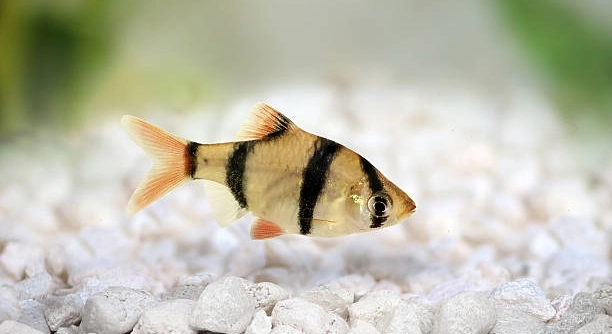
Tiger barbs are small, colorful fish often seen in home aquariums. Many owners notice these fish tend to guard a specific spot in the tank. Understanding why they do this can help improve how we care for them.
Tiger barbs guard one spot mainly due to territorial behavior. They establish and defend a space to secure resources such as food, shelter, and mating opportunities. This behavior helps reduce conflict and maintain social order among the fish.
Knowing the reasons behind their guarding habits can improve tank setup and fish interaction. This information helps create a peaceful environment for your tiger barbs.
Territorial Instincts and Space Ownership
Tiger barbs naturally claim territories to feel safe and secure. In their environment, having a spot they control reduces stress and competition. This behavior starts early as they grow and explore their surroundings. When a tiger barb picks a spot, it is often near hiding places like plants or decorations. These spots offer protection and an advantage to watch for food or intruders. Guarding a specific area helps them avoid unnecessary fights with other fish. It also sets clear boundaries so other tiger barbs know where not to enter. This territorial behavior is common in many fish species but is especially noticeable with tiger barbs because of their active nature. If their space is respected, they tend to be less aggressive overall. Understanding this helps tank owners arrange decorations and plants thoughtfully to give each fish its own zone, promoting harmony.
Their territorial nature shapes much of their behavior in the tank.
Arranging the aquarium to include plenty of hiding spots and clear boundaries allows tiger barbs to claim their areas comfortably. This setup reduces stress and promotes natural behavior, making your tank more peaceful and visually engaging.
Guarding for Food Security
Tiger barbs protect specific spots to ensure access to food sources. In a shared tank, competition for food can be high, so holding a territory near feeding areas gives them a better chance to eat well. This behavior is a survival strategy inherited from their natural habitat, where food is not always abundant. By guarding a spot near food, they reduce the risk of being pushed away by others during feeding time. This also encourages them to remain alert and active, as they watch for rivals trying to sneak in. While this might seem aggressive, it is a normal and healthy part of their behavior. Tank owners can help by spreading food evenly or feeding in multiple spots to reduce competition. This makes sure all tiger barbs get their share and lowers stress caused by guarding food territory. Feeding strategies can greatly influence how much they guard their spot.
Social Hierarchy and Dominance
Tiger barbs guard spots to establish dominance within their group. This behavior helps them show their rank without constant fighting.
Dominant tiger barbs often control the best areas in the tank, which gives them priority access to food and shelter. This status reduces stress by clarifying roles among the fish. Subordinate fish usually avoid the guarded spot to prevent conflict. This natural hierarchy keeps the group balanced and organized.
Maintaining this social order helps tiger barbs coexist peacefully despite their active and sometimes aggressive nature. Observing these behaviors can help you recognize which fish are dominant and which are more submissive, allowing better care for your aquarium’s social environment.
Environmental Factors and Territory Size
The size of a tiger barb’s territory depends on tank size and available resources. Smaller tanks usually mean smaller territories, increasing competition.
In larger tanks with plenty of hiding places, tiger barbs tend to spread out more, reducing the intensity of guarding behavior. Environmental complexity, like plants and decorations, helps break up space and gives each fish its own area. This setup decreases stress and aggression because fish are less likely to feel crowded. Proper tank arrangement supports their natural instincts and improves overall health and behavior in the aquarium.
Mating Behavior and Spot Guarding
Tiger barbs guard spots to attract mates by showing off their strength. Holding a good territory signals health and fitness to potential partners.
This behavior increases their chances of successful breeding, as a strong territory can protect eggs and young fish from threats.
Stress Reduction Through Territory
Having a personal spot reduces stress for tiger barbs. When they control a space, they feel safer and more confident, which lowers aggression.
Stress reduction is essential for their health, as it improves immune response and overall well-being in the aquarium environment.
The Role of Shelter in Spot Selection
Tiger barbs often choose spots with plenty of shelter to guard. These areas provide protection from predators and strong currents.
Sheltered spots allow them to rest and hide while maintaining control over their territory, making these spots highly valued.
Why do tiger barbs guard one spot so closely?
Tiger barbs guard one spot mainly to protect their resources such as food, shelter, and potential mates. By establishing a territory, they reduce conflicts and stress from competing fish. This behavior comes from their natural instincts, helping them survive and thrive in both wild and aquarium environments.
Is guarding behavior a sign of aggression in tiger barbs?
Not always. Guarding is a natural way to set boundaries and maintain order within the tank. While it can sometimes look aggressive, it usually means the fish is simply protecting its space. Problems arise only when the tank is overcrowded or lacks enough hiding spots.
How can I reduce territorial fights in my aquarium?
Increasing the size of your tank and adding plenty of plants, rocks, or decorations can help. These provide multiple hiding spots and territories, which reduce competition. Feeding the fish evenly across the tank also lowers disputes around food.
Do all tiger barbs guard spots equally?
No, some are more dominant and territorial than others. The stronger or more confident fish tend to guard better spots. Submissive tiger barbs usually avoid confrontation and stay in less desirable areas.
Can territorial behavior affect the health of tiger barbs?
Yes. If a fish is constantly stressed due to fights or lack of space, it can weaken its immune system and make it more prone to disease. Creating a balanced environment with enough space and resources helps keep all fish healthier.
Does the tank size influence guarding habits?
Definitely. In small tanks, tiger barbs are forced into closer quarters, which increases guarding and aggression. Larger tanks allow them to spread out and claim smaller territories, making conflicts less frequent.
Should I separate aggressive tiger barbs from others?
If a tiger barb becomes too aggressive and stresses other fish, separating it temporarily can help. However, providing a better environment with more space and hiding spots often resolves aggression without separation.
How does guarding behavior change during breeding?
During breeding, guarding becomes more intense. Tiger barbs protect their chosen spots to attract mates and safeguard eggs or fry. This period requires extra attention to tank conditions to avoid injury or stress.
Can feeding habits affect guarding behavior?
Yes, feeding in one spot may encourage tiger barbs to guard that area more. Spreading food throughout the tank helps reduce competition and territorial fights during feeding time.
Are there signs that a tiger barb feels threatened in its territory?
Signs include flaring fins, chasing other fish, and rapid swimming near the guarded spot. Recognizing these behaviors early helps prevent serious fights by adjusting the environment or tank setup.
Tiger barbs are active and interesting fish to watch, especially because of their territorial behavior. Guarding a specific spot is a natural part of how they live and interact with others. This behavior helps them feel safe and secure in their environment. It also plays a role in reducing conflict among fish by clearly marking spaces. When a tiger barb claims a spot, it is protecting important resources like food, shelter, and sometimes mates. Understanding this can help aquarium owners set up their tanks in a way that supports the fish’s natural instincts.
Creating a good environment for tiger barbs means providing enough space and hiding places. When a tank is large enough and has plants, rocks, or decorations, tiger barbs can spread out and claim their own territories. This reduces competition and makes them less aggressive. Feeding fish in multiple spots instead of one place can also lower guarding behavior, as food is available all around. Watching how your tiger barbs act can give clues about their social order and if any fish are stressed or pushed out of their spots. Adjusting the tank setup to meet their needs leads to a healthier and more peaceful aquarium.
Keeping tiger barbs happy involves more than just feeding and cleaning. Their behavior shows that they need room to establish boundaries and feel secure. Guarding one spot is part of how they survive and thrive, not just a sign of aggression. Paying attention to their territorial habits helps prevent fights and stress, which can affect their health. By offering a well-structured tank and understanding why tiger barbs guard their space, owners can enjoy watching these lively fish in a calm and balanced environment.

Hello,
If you enjoy the content that we create, please consider saying a "Thank You!" by leaving a tip.
Every little bit helps us continue crafting quality advice that supports the health, happiness, and well-being of pets around the world, for pets of all shapes, sizes, and species.
We really appreciate the kindness and support that you show us!