
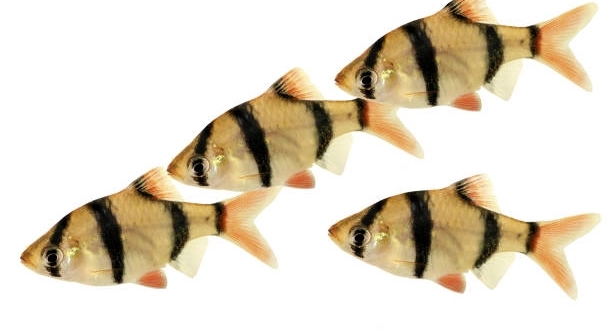
Tiger barbs are known for their lively behavior and sometimes aggressive nature. One common sight is them chasing after their own reflections in aquarium glass. This intriguing behavior has caught the attention of many fish enthusiasts and pet owners.
Tiger barbs chase after reflections because they perceive them as rivals or intruders in their territory. This reaction is driven by instinctual territorial aggression and social hierarchy behaviors common in schooling fish species.
Understanding this behavior can help aquarium owners create a more comfortable environment for their fish. It also sheds light on the natural instincts that influence how tiger barbs interact with their surroundings.
Why Tiger Barbs See Their Reflections as Threats
Tiger barbs are territorial fish. When they see their reflection in the glass, they think it is another fish invading their space. This triggers their natural defense instincts. In the wild, tiger barbs live in groups but still need to protect their area. The reflection looks like a rival, so they chase and try to drive it away. This behavior is common in many fish that live in confined spaces like aquariums. Sometimes, the reflections can cause stress because the fish feels threatened constantly. This can lead to more aggressive behavior and affect their overall health. Adjusting the tank setup or reducing reflections can help lower this stress. Understanding their instincts makes it easier to care for tiger barbs in home aquariums.
Reflections trigger a natural territorial response, causing tiger barbs to act aggressively toward what they see as competitors.
Managing reflections in the tank helps create a calmer environment, reducing stress and aggression among tiger barbs. Small changes, such as repositioning lights or adding plants, can minimize reflections and improve fish behavior.
How to Reduce Reflection Stress in Your Aquarium
Reflections are caused by light bouncing off the glass. To reduce this, try adjusting the lighting or changing where the tank is placed. Using a background on the outside of the tank can also help. Adding decorations and plants inside the tank breaks up the reflections so the fish won’t focus on their image. It’s important to observe the fish and notice if aggressive chasing decreases after these changes. Keeping the environment less stressful improves the fish’s health and happiness. Small adjustments can have a big impact on how your tiger barbs behave daily. This makes tank maintenance more enjoyable and your fish more peaceful companions.
Lowering reflections prevents the fish from seeing false rivals and reduces chasing behavior.
With proper tank setup and lighting adjustments, tiger barbs feel less threatened. This leads to a more peaceful aquarium and healthier fish. Creating a balanced environment supports their natural behavior while avoiding unnecessary stress from reflections.
How Reflections Affect Tiger Barb Behavior
Reflections can increase aggression among tiger barbs. They may chase or nip at the glass, mistaking their reflection for another fish. This can cause unnecessary stress and disrupt the social balance in the tank.
Chasing reflections repeatedly can lead to exhaustion and injury. The fish might become more aggressive toward tank mates or hide more often. Prolonged stress weakens their immune system, making them more vulnerable to illness. Over time, this behavior can reduce their lifespan if not managed properly.
Fish that constantly chase reflections may also lose interest in eating or social interactions. Stress affects their natural behavior, causing them to act out of character. Recognizing and addressing this issue helps keep tiger barbs healthy and more comfortable in their environment.
Preventing Reflection-Induced Stress
Controlling light and tank placement reduces reflections on aquarium glass. Position the tank away from direct sunlight or strong artificial lights to minimize glare. Using a solid background also helps by blocking outside light and limiting reflections.
Adding live or artificial plants breaks up the reflected images, distracting the fish from their reflections. Arranging decorations carefully can also reduce clear glass areas that create strong reflections. Regularly observing the fish’s behavior helps to identify if stress is decreasing, allowing for further adjustments as needed. These small steps improve the overall well-being of tiger barbs and encourage natural, relaxed behavior in the tank.
Reflection and Social Hierarchy
Tiger barbs use reflections to test their dominance in the tank. They see their reflection as a competitor and try to assert control. This behavior is part of their natural social structure.
However, frequent reflection chasing can cause unnecessary fights. It may disrupt the group’s harmony and increase stress among the fish.
The Role of Tank Mates
Choosing peaceful tank mates can reduce aggressive chasing of reflections. When tiger barbs feel secure in their group, they focus less on reflections. Compatible species help maintain a calmer environment, lowering stress levels.
A well-planned community tank encourages natural social behavior. It reduces the need for territorial disputes triggered by reflections, supporting healthier and happier fish.
Signs Your Tiger Barbs Are Stressed
Stress from chasing reflections may show in physical signs like faded color or torn fins. Behavioral changes include constant darting or hiding. Noticing these signs early helps prevent long-term harm.
FAQ
Why do tiger barbs chase their reflections so often?
Tiger barbs are naturally territorial fish. When they see their reflection, they mistake it for another tiger barb invading their space. This causes them to chase and try to chase away the “intruder.” It’s an instinctive behavior linked to protecting their territory and maintaining social order within the group. The reflection does not harm them, but the constant chasing can cause stress over time.
Is chasing reflections harmful to tiger barbs?
While the behavior itself isn’t directly harmful, frequent chasing can lead to stress, which weakens their immune system. Stress can make fish more prone to disease and cause aggressive interactions with other tank mates. If the fish is spending too much energy on chasing reflections, it may neglect eating or resting properly, which affects its overall health.
How can I tell if my tiger barbs are stressed from reflections?
Signs of stress include faded colors, torn fins, and less active swimming. You might notice them hiding more or chasing their reflection aggressively. Sometimes they may stop eating or behave unusually. If these signs appear, it’s a good idea to check the tank for reflections and make changes to reduce them.
Can reflections cause fighting among tiger barbs?
Yes, reflections can increase aggression. Tiger barbs may become more aggressive not only toward their reflection but also toward other fish. This happens because they feel their territory is constantly challenged. Reducing reflections can help calm their behavior and improve harmony in the tank.
What are simple ways to reduce reflections in my aquarium?
Adjust the lighting by avoiding direct sunlight or bright lamps near the tank. Use a solid background on the aquarium’s outside to block light. Adding plants, rocks, or decorations inside breaks up reflections and distracts the fish. These small changes can significantly reduce the chances of your tiger barbs chasing reflections.
Will adding more tiger barbs reduce chasing reflections?
Sometimes adding more tiger barbs helps because it creates a larger social group, which reduces territorial behavior toward reflections. However, overcrowding can cause stress and aggression if the tank is too small. It’s important to keep the right number of fish based on tank size and provide plenty of hiding spots.
Do other fish species react to reflections like tiger barbs?
Yes, many fish species respond to reflections by chasing or attacking them. This behavior is common in territorial or aggressive fish. Each species may react differently, but reflections often trigger similar instinctive responses related to territory and competition.
Can mirrors be used to stop reflection chasing?
Using mirrors is generally not recommended because it can increase stress. Mirrors show a constant rival that the fish cannot escape, which may lead to exhaustion and injury. It’s better to reduce reflections naturally with lighting and tank decoration adjustments.
How long does it take for tiger barbs to stop chasing reflections after changes?
The time varies. Some fish calm down within days, while others take weeks to adjust. Continuous monitoring is important. Making the tank environment more natural and less reflective helps fish feel secure, encouraging them to stop chasing reflections over time.
Is chasing reflections a sign of boredom?
Chasing reflections is mostly territorial behavior, not boredom. However, providing a stimulating environment with plants, hiding places, and varied activities can reduce obsessive chasing. Enriching the tank keeps tiger barbs engaged and less likely to fixate on reflections.
Tiger barbs chasing their reflections is a common behavior rooted in their natural instincts. They see their reflection as another fish entering their territory and respond with aggression to defend their space. This is normal for tiger barbs and many other fish species that are territorial by nature. Understanding this helps explain why they act this way and shows that the behavior is part of how they interact with their environment.
While chasing reflections is natural, it can cause stress if it happens too often or for long periods. Stress can affect the fish’s health, making them more vulnerable to disease and causing behavioral changes like hiding or aggression toward other tank mates. It is important for aquarium owners to recognize this and take steps to reduce reflections in the tank. Simple changes such as adjusting lighting, adding plants or decorations, and using a solid background can make a big difference. These efforts help create a calmer environment where tiger barbs feel safer and behave more naturally.
Taking care of tiger barbs means paying attention to their behavior and the tank setup. Keeping reflections to a minimum reduces stress and promotes a healthier community of fish. Providing enough space, proper tank mates, and an enriched environment supports their natural instincts without causing unnecessary harm. By understanding why tiger barbs chase their reflections and how to manage it, aquarium owners can enjoy a peaceful tank and happier fish.

Hello,
If you enjoy the content that we create, please consider saying a "Thank You!" by leaving a tip.
Every little bit helps us continue crafting quality advice that supports the health, happiness, and well-being of pets around the world, for pets of all shapes, sizes, and species.
We really appreciate the kindness and support that you show us!