
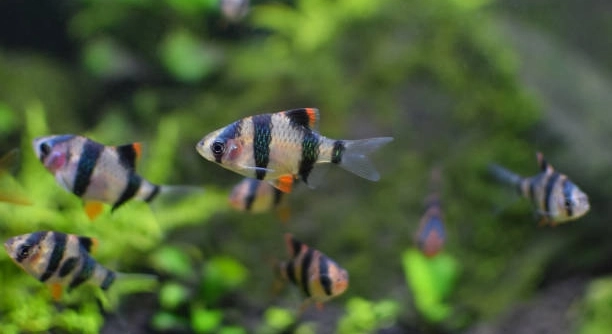
Do you ever find yourself watching your tiger barb swim around and wonder if something might be bothering it? Changes in behavior or appearance can be easy to miss if you’re not sure what to look for.
Signs of stress in tiger barbs often include rapid swimming, faded coloration, clamped fins, hiding, loss of appetite, and sudden aggression or shyness. These behaviors typically indicate discomfort due to poor water quality, tank mates, or environmental changes.
Understanding these signs will help you create a better environment and improve your fish’s well-being in the long run.
Common Signs Your Tiger Barb Is Stressed
Tiger barbs are active fish, and any sudden change in their behavior can be a sign that something is wrong. One of the first things you might notice is a loss of color. When stressed, their bold stripes may appear faded or dull. You may also see them swimming erratically or darting around the tank without reason. Sometimes, they will isolate themselves and stay near the bottom or hide more often than usual. Clamped fins, where the fins are held close to the body, are another signal. A stressed tiger barb may also stop eating or show aggression toward other fish, even if they’ve never done so before. These changes are your fish’s way of reacting to something it’s not comfortable with. Paying attention to these early signs can help you figure out the issue and make the tank a more stable place.
Stress can lead to a weak immune system and serious health issues if not addressed early.
Tiger barbs rely on consistency and good conditions. Sudden noises, changes in lighting, or overcrowding can trigger stress. When their environment becomes unpredictable, they react with defensive or fearful behaviors. Observing them daily makes it easier to catch these signs before things worsen.
Possible Causes of Stress in Tiger Barbs
Stress in tiger barbs is often caused by poor water quality, improper tank mates, or environmental instability.
Poor water conditions are one of the main causes. Ammonia and nitrite spikes, sudden pH changes, or uncycled tanks can quickly make your fish uncomfortable. Regular water testing helps keep things in check. Tiger barbs also need a group of their own kind. Keeping too few can lead to bullying, while overcrowding creates competition and tension. They prefer living in schools of at least six, which helps them feel secure and less aggressive. Tank mates should be chosen carefully, as slow or long-finned species can become targets. Fast, similarly-sized fish make better neighbors. Sudden changes—like bright lighting, loud vibrations, or inconsistent feeding—can add to their stress. Always aim for a calm, balanced tank setup. Once you’ve ruled out illness, focusing on environmental factors can usually fix the issue. Keeping their habitat stable and understanding their social needs will make a big difference in how they behave.
How to Help a Stressed Tiger Barb
Start by checking your water parameters. Use a reliable test kit to measure ammonia, nitrite, nitrate, and pH levels. Even small changes can affect your fish. Clean the tank regularly and perform partial water changes to keep the environment stable and healthy.
Once the water is in good shape, think about the social setup. Tiger barbs are schooling fish and do best in groups of six or more. Having too few can lead to aggression or nervous behavior. Also, check for aggressive tank mates. If needed, rearrange decorations to break up sightlines and create more hiding spots. This reduces tension and helps your fish feel safer. Make sure your tank is not overstocked and that every fish has enough space. These small adjustments can quickly ease stress.
Keep your lighting and feeding routine consistent. Sudden changes in the environment can confuse or frighten your tiger barb. Avoid tapping on the glass or placing the tank in a high-traffic area. A calm space helps promote natural behavior. Feed your fish a balanced diet and avoid overfeeding, which can lead to water issues. A peaceful tank setup, good water quality, and regular care all help your fish return to its normal, active self.
Preventing Stress in the Future
Set up the tank properly from the start. Make sure the water is fully cycled and use a heater and filter suitable for your tank size. Stable temperature and clean water prevent many common problems that lead to stress.
Choose tank mates that match the tiger barb’s energy level and avoid slow or delicate species. Add plants and decorations to create cover and visual barriers, which help reduce stress. Feed a mix of high-quality flakes, frozen, and live food for balanced nutrition. Maintain a regular cleaning schedule and test water weekly. Keep the tank in a quiet place with natural lighting patterns, and avoid sudden changes in routine. When introducing new fish, quarantine them first and add them slowly. Watching your tiger barbs regularly helps you spot early signs of stress so you can act quickly. These small habits can make a big difference in keeping your fish healthy and relaxed.
Can Stress Be Dangerous for Tiger Barbs?
Yes, stress can weaken their immune system and make them more likely to catch diseases like ich or fin rot. Constant stress may also cause them to stop eating, which leads to more health problems over time if not corrected quickly.
Stressed fish often behave differently and may lash out at others or hide constantly. This disrupts the balance in the tank and can lead to injuries or more stress for the whole group. It’s important to act fast when you notice changes so things don’t get worse.
How Long Does It Take for a Tiger Barb to Recover?
Recovery time depends on the cause of the stress and how quickly it’s addressed. Some tiger barbs bounce back in a few days, while others take a week or more to show normal behavior again. Clean water, a stable environment, and proper social conditions speed up the recovery process. If the stressor continues, recovery may be delayed or not happen at all. Regular observation and gentle adjustments can help your fish return to normal. Avoid changing too many things at once, as that can make things worse. A calm, steady routine is often the best support during recovery.
When to Seek Help
If your tiger barb doesn’t improve after changes are made, or if signs of illness appear, it’s time to get expert advice. A vet who specializes in fish or a trusted aquarium store can help.
FAQ
Can tiger barbs get stressed from being alone?
Yes, tiger barbs are social fish that thrive in groups of six or more. When kept alone or in too small a group, they may become aggressive, anxious, or withdrawn. Being alone can cause them to feel insecure, leading to stress-related behaviors like hiding, chasing other fish, or losing color. Their need for social interaction is part of their natural behavior, and isolation prevents them from expressing it. If your tiger barb is alone or with too few tank mates, consider adding more of their kind to the tank to help them feel more secure.
Do tiger barbs need hiding places to feel safe?
Yes, hiding places help reduce stress in tiger barbs. Even though they are active swimmers, they still need places to retreat when they feel threatened or overwhelmed. Plants, driftwood, and rock decorations work well. These spaces create visual breaks in the tank, reduce aggression, and offer comfort. Hiding spots also help when introducing new fish, as they give all tank mates areas to rest and stay out of sight. A well-decorated tank not only looks better but also supports healthier, calmer behavior in your tiger barbs.
Can loud noises stress out tiger barbs?
Yes, loud or sudden noises near the tank can stress tiger barbs. They can sense vibrations through the water, and these unfamiliar movements or sounds may make them feel threatened. Avoid placing their tank in high-traffic areas or near speakers, TVs, or slamming doors. A quiet, stable environment helps them stay relaxed and encourages more natural, active behavior. If your fish start darting or hiding during loud sounds, it’s a sign that they’re reacting to the noise and may need a calmer location.
Is it normal for tiger barbs to chase each other?
Some chasing is normal, especially among tiger barbs. They are active and slightly aggressive by nature. Chasing often helps them establish social order, especially in small groups. However, if the chasing turns into constant bullying or fin-nipping, it may be a sign of stress or imbalance. This often happens when there are too few barbs in the tank. Increasing the group size and offering plenty of space usually helps reduce this behavior. Watch for signs of injury or fear, like hiding or torn fins.
Can water temperature changes stress tiger barbs?
Yes, sudden temperature changes can cause stress. Tiger barbs prefer stable temperatures between 74°F and 79°F. A quick drop or rise in water temperature may lead to shock, loss of appetite, or erratic swimming. Always check your heater and thermometer regularly. During water changes, try to match the new water’s temperature with the tank’s current level. Sudden shifts, even a few degrees, can be enough to cause a noticeable stress reaction.
Do tiger barbs need a specific light schedule?
Yes, a stable light schedule supports their health. Like most fish, tiger barbs rely on a consistent day-night cycle to regulate their behavior. Too much light can stress them out and lead to overactivity or aggression. Too little light, on the other hand, can dull their colors and lower activity levels. Aim for around 8 to 10 hours of light per day, and avoid turning lights on and off suddenly. Using a timer helps keep their environment consistent and reduces stress caused by erratic lighting.
Can stress in tiger barbs be mistaken for illness?
Yes, stressed behavior often looks similar to illness. Faded color, hiding, clamped fins, or not eating may suggest disease, but can also be caused by poor water conditions or bullying. Always check water quality and tank dynamics first. If no improvements happen after adjusting the environment, it’s smart to consider possible illness and consult with a professional. Catching the difference early makes it easier to give your fish the right kind of help.
Is aggression always a sign of stress in tiger barbs?
Not always. Some level of chasing or nipping is normal for tiger barbs, especially in small groups or if tank space is limited. However, increased or constant aggression can be a reaction to stress. It often shows up when fish feel threatened, overcrowded, or bored. If one or two fish are being picked on repeatedly, or if injuries appear, that’s a sign that the aggression has become harmful and needs to be addressed.
How often should I check my tank to prevent stress?
Daily observation is helpful. Look for changes in behavior, color, and eating habits. You don’t need to test the water every day, but doing so once a week helps keep things in balance. Clean the tank regularly and make sure all equipment is working properly. Watching your fish closely each day makes it easier to catch problems before they grow. It only takes a few minutes but can make a big difference in your tiger barb’s health.
Final Thoughts
Caring for tiger barbs means paying attention to their environment, behavior, and daily needs. These fish are active, social, and full of personality, but they can also be sensitive to stress. Small changes in their tank, water, or routine can cause them to act differently. That’s why it’s important to know what signs to look for. Faded color, clamped fins, hiding, or loss of appetite are often the first clues. Catching these signs early gives you the chance to fix the problem before it becomes more serious. Most of the time, stress can be reversed if the right steps are taken quickly.
Keeping a stable tank helps prevent many issues. That includes clean water, proper lighting, and having the right number of fish. Tiger barbs feel safer and less aggressive when they are in a group of six or more. They also benefit from a tank that has plenty of swimming space, hiding spots, and compatible tank mates. Avoid loud sounds, strong water flow, or sudden changes in routine. These things can unsettle your fish and lead to unwanted behavior. Feeding them a good mix of food and checking on them daily also helps keep them healthy and calm.
While it may seem like a lot at first, keeping tiger barbs stress-free becomes easier once you develop a routine. Most of their needs stay the same day-to-day, and once the tank is set up properly, only small adjustments are needed. Regular care, observation, and gentle changes can go a long way in keeping them active and happy. Watching your fish swim around with bright colors and natural behavior is a good sign they feel safe. And when you understand what stress looks like and how to respond, you’re better prepared to help them live a longer, healthier life.

Hello,
If you enjoy the content that we create, please consider saying a "Thank You!" by leaving a tip.
Every little bit helps us continue crafting quality advice that supports the health, happiness, and well-being of pets around the world, for pets of all shapes, sizes, and species.
We really appreciate the kindness and support that you show us!