
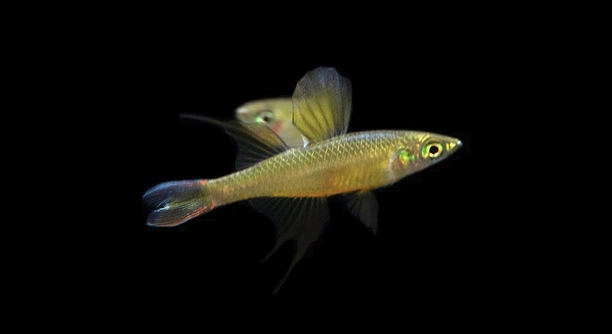
Threadfins are graceful fish that often stay close to the shore or hidden areas. They seem comfortable near structures or vegetation and rarely venture into wide, open waters where exposure feels riskier.
Threadfins may refuse to swim in open water due to increased vulnerability to predators, environmental stress, and lack of shelter. Their natural behavior favors areas with structure, which provide safety, feeding opportunities, and optimal conditions for survival and growth.
Learning about their preferences helps aquarists and marine enthusiasts create environments that match the natural habits of threadfins. Observing these behaviors reveals how their surroundings influence daily movement and overall wellbeing.
Natural Habitat Preferences
Threadfins naturally favor areas with cover, such as mangroves, reefs, or submerged vegetation. Open water exposes them to predators and strong currents, making these areas less appealing. Their instincts guide them to places that provide both safety and easy access to food, like smaller fish or crustaceans hiding among roots or rocks. In such environments, they can conserve energy while staying alert to threats. Even when food is abundant in open areas, threadfins often hesitate because they lack the sense of security provided by structures. Their schooling behavior also depends on proximity to shelter, as groups offer mutual protection. This cautious nature is not a sign of weakness but rather an adaptation to survive in complex, sometimes harsh aquatic environments. Observing threadfins in the right habitat can reveal subtle social interactions and feeding patterns that are easily missed in open water. Their preference for covered areas reflects a balance between feeding efficiency and safety.
Sheltered areas reduce stress and improve feeding efficiency for threadfins, encouraging healthier behavior and growth.
Knowing these habitat preferences helps when setting up tanks or managing wild populations. By mimicking natural shelters and providing safe spaces, caretakers can encourage normal movement, reduce stress, and support natural behaviors. Threadfins may explore more freely if they feel secure, showing the importance of environmental design. Paying attention to water quality, current flow, and visual barriers can also influence their comfort level. Even small structures like rocks or plant clusters can make a significant difference. Over time, threadfins may exhibit more active feeding, schooling, and interaction patterns when their habitat feels safe. Understanding these needs allows for observation of natural behaviors without forcing fish into unsafe open areas.
Response to Environmental Changes
Threadfins are sensitive to changes in water temperature, clarity, and salinity. Sudden shifts can make them avoid open water as a protective measure.
Environmental changes affect threadfins differently depending on age and health. Young or weaker fish are particularly cautious, often remaining near shelter longer. Strong currents, murky water, or temperature fluctuations can disrupt their normal swimming and feeding patterns. Even minor disturbances in their surroundings, such as new tank decorations or movement of nearby boats in the wild, may trigger avoidance behaviors. Stress from these factors can reduce appetite, slow growth, and increase vulnerability to disease. Creating stable and predictable conditions is crucial for both captive and wild populations. Consistency in water quality, lighting, and minimal disturbances helps threadfins feel secure and encourages natural movement. Observing reactions to gradual environmental changes can provide insight into their preferences and resilience. By carefully monitoring these conditions, it is possible to support healthy, confident threadfins that are more willing to explore open water under safe circumstances.
Predators and Risk Avoidance
Threadfins remain near cover because predators in open water pose a serious threat. Avoiding open areas reduces the chance of attack and allows them to escape quickly if danger appears.
Predation risk strongly shapes threadfin behavior. In open water, they are highly visible to larger fish and birds. Staying close to structures or vegetation gives them escape routes and hiding spots. Even when food is available in open spaces, the risk often outweighs the benefit. Threadfins instinctively assess threats and adjust their movement to maximize safety. Schooling with other threadfins further reduces danger, as coordinated movement can confuse predators. Over time, this cautious behavior has become a defining trait of their species, ensuring survival in habitats where threats are frequent and varied.
Avoiding open water also helps threadfins conserve energy. Swimming in currents or exposed areas requires constant vigilance and rapid bursts of speed. By staying near cover, they can move efficiently, focus on feeding, and maintain a healthy balance between activity and rest. This energy management supports growth, reproduction, and overall well-being, showing how instinct and environment work together to influence daily life.
Social Behavior and Group Dynamics
Threadfins often rely on the presence of others to feel secure. Schooling reduces individual stress and increases confidence when moving through water.
Group behavior is critical for threadfins’ survival. Being part of a school allows them to watch for threats collectively and coordinate movements to avoid predators. Social cohesion also improves feeding efficiency, as groups can locate food faster and share information about safe areas. Threadfins communicate subtly through body positioning and synchronized swimming patterns, maintaining the structure of the group. Even minor disturbances, such as changes in water flow or sudden light, can trigger tighter formation. Observing these dynamics reveals the importance of both numbers and proximity. Individual fish rarely stray far from the group, especially in open water, highlighting how safety and social bonds influence swimming behavior.
Being part of a school also helps threadfins make better decisions about when to explore open areas. Confidence grows as the group remains calm and coordinated, reducing the fear of exposure. In the absence of a reliable school, they tend to retreat to familiar structures. Understanding these patterns is essential for managing captive populations and predicting natural behaviors. Providing opportunities for social interaction and structured environments encourages healthier, more natural swimming habits, reinforcing the balance between caution and exploration in threadfin behavior.
Feeding Habits
Threadfins prefer to hunt near structures where prey is abundant. Open water offers less cover for ambushing small fish and crustaceans.
They often use the environment to their advantage, striking quickly from hiding spots. Open water lacks these natural tools, making hunting less efficient and more risky.
Temperature and Water Conditions
Threadfins are sensitive to temperature changes and water quality. Sudden shifts in temperature or low oxygen levels can make them avoid open areas. Stable conditions encourage movement and activity. Proper salinity, clarity, and moderate currents support their natural behavior, while stressful conditions drive them to remain near sheltered zones.
Energy Conservation
Swimming in open water requires more energy due to currents and exposure. Staying close to cover allows threadfins to conserve energy while remaining alert to threats.
FAQ
Why do threadfins stay near the shore instead of open water?
Threadfins naturally feel safer near the shore, reefs, or submerged vegetation. These areas provide cover from predators and reduce exposure to strong currents. Staying near structures allows them to conserve energy while remaining alert, making it easier to feed, hide, and interact with their school.
Can threadfins be trained to swim in open water?
Threadfins are guided by instinct, so they are unlikely to willingly explore open water. Gradual exposure with safe structures nearby may encourage limited exploration. However, forcing them into open areas can cause stress, reduce feeding, and increase susceptibility to disease. Their natural caution is an adaptation for survival.
How does schooling affect their behavior in open areas?
Schooling provides security. Threadfins in groups are more confident and coordinated, reducing individual risk in exposed spaces. When separated, they may retreat to cover immediately. The presence of a cohesive group influences swimming patterns and willingness to move, showing the importance of social bonds in their daily routine.
Do environmental changes make them avoid open water?
Yes, sudden changes in temperature, salinity, water clarity, or current can make threadfins retreat to sheltered areas. Even minor disturbances like moving decorations or new tank lighting can trigger avoidance behaviors. Stable, predictable conditions encourage activity and normal movement.
How do predators influence their swimming habits?
Predators are a major reason threadfins avoid open water. Visibility to larger fish or birds increases risk. Staying near cover allows quick escapes and hiding spots. Schooling further reduces vulnerability, as coordinated swimming can confuse predators and increase survival chances.
Does energy conservation play a role in their behavior?
Absolutely. Open water requires constant vigilance and swimming against currents, which consumes more energy. Staying near structures allows threadfins to rest, feed efficiently, and maintain energy for growth and reproduction. Energy management is a key factor in their habitat choice.
Are younger threadfins more likely to avoid open water?
Yes, juvenile threadfins are more cautious. They are weaker and less experienced, so the risk of predators or environmental stress makes them favor sheltered areas. As they mature, they may explore slightly more, but instincts and safety considerations still guide their choices.
Can water quality influence their willingness to explore?
Poor water quality, low oxygen, or murky conditions can reduce activity and make threadfins stay near protective structures. Maintaining clean, clear water with proper oxygenation and moderate flow encourages normal movement and feeding behaviors. Stress from poor conditions often leads to prolonged hiding.
Do threadfins prefer certain types of shelter?
Yes, they favor areas with dense vegetation, rocks, or mangrove roots. These structures provide hiding spots, ambush points for feeding, and protection from predators. Open water lacks these advantages, making it less attractive regardless of food availability.
How can caretakers encourage healthier behavior in captive threadfins?
Providing structured environments, stable water conditions, and social groups encourages natural behaviors. Gradual exposure to open areas with nearby cover can help them feel secure while exploring. Observing their responses and adjusting the habitat accordingly promotes both physical health and natural instincts.
Does stress affect their swimming patterns?
Stress causes threadfins to avoid open water and retreat to safe zones. It can come from sudden environmental changes, handling, or nearby predators. Reducing stress by maintaining stable conditions and providing hiding spots supports normal activity and overall well-being.
Can threadfins adapt to new environments over time?
They can partially adapt if changes are gradual and the environment remains safe. Instant changes or removal of cover can lead to prolonged hiding and reduced feeding. Patience and careful observation are key when introducing them to new spaces.
Why is observing their natural behavior important?
Watching threadfins in their preferred habitat helps understand feeding, social, and energy-conservation patterns. This knowledge allows for better habitat design, improved care in captivity, and insight into their ecological role in the wild.
Does schooling change when food is abundant in open water?
Even with food, threadfins rarely leave cover completely. Safety usually outweighs hunger. The group may approach open areas cautiously, but they maintain proximity to structures. Their survival instincts remain stronger than immediate feeding desires, showing how instinct shapes their daily decisions.
How do currents and water flow impact their willingness to swim freely?
Strong currents make open water more demanding. Threadfins conserve energy by staying near structures where currents are weaker. Moderate flow is tolerated, but extreme conditions push them toward sheltered zones. Understanding flow patterns helps predict where they are likely to swim.
Do threadfins show personality differences in exploration?
Some individuals are slightly bolder, while others are extremely cautious. Personality influences how far they will move from cover, but instincts and safety concerns usually dominate. Observing individuals over time can reveal subtle variations in behavior, although group tendencies often override personal tendencies.
How does food availability affect their location choices?
Plentiful food near shelters reduces the need to risk open water. Even if open areas have prey, threadfins often prefer to feed where they feel safe. Natural selection favors cautious feeding behavior, balancing energy intake with survival.
Are threadfins more active at certain times of day?
Yes, activity often increases during low-light conditions when predation risk is lower. Early morning or late afternoon may see more cautious exploration, but open water activity is still limited compared to sheltered zones. Timing interacts with safety instincts to shape movement patterns.
What is the best way to monitor threadfins in captivity?
Observe movement patterns, schooling behavior, and feeding response. Providing clear visibility and structured areas allows for monitoring without stressing them. Note reactions to water changes, new decorations, or lighting shifts to ensure the environment supports natural behavior.
How important is social structure for long-term health?
Extremely important. Isolation increases stress, reduces feeding efficiency, and limits movement. Maintaining cohesive groups supports normal behavior, encourages cautious exploration, and reinforces energy conservation strategies. Social bonds are critical for mental and physical well-being.
Do environmental stressors override instinctual behavior?
Yes, severe stress can push threadfins to hide even in usually safe areas. Chronic stress affects growth, feeding, and social interactions. Minimizing sudden changes and maintaining predictable conditions ensures instincts guide behavior rather than fear or discomfort.
How can I tell if a threadfin is stressed in open water?
Signs include rapid retreat to shelter, reduced feeding, erratic swimming, and tight schooling. Stress responses are instinctive survival behaviors. Observing these signs allows for habitat adjustments to improve comfort and safety.
Can threadfins recover from prolonged exposure to open water stress?
Recovery is possible if the environment is corrected. Providing structures, stable water conditions, and social support allows them to resume normal swimming, feeding, and schooling patterns. Recovery may take time depending on the duration and intensity of prior stress.
Do temperature and light cycles affect their willingness to swim freely?
Yes, stable temperatures and natural light cycles encourage normal movement. Sudden heat, cold, or artificial light changes can trigger hiding. Threadfins rely on consistent environmental cues to feel secure and maintain healthy activity levels.
Are there differences between wild and captive threadfins in open water behavior?
Wild threadfins are generally more cautious due to natural predation. Captive threadfins may explore more if their environment is safe and structured, but instincts still limit risky open water swimming. Proper habitat design in captivity can mimic natural conditions to encourage healthy movement.
Do threadfins react differently to humans near open water?
They tend to retreat or hide when humans approach, especially in shallow or open areas. Minimal disturbance and consistent handling routines reduce stress and help them feel more comfortable in accessible spaces.
How long does it take for threadfins to adjust to new structures?
Adjustment varies but often takes several days to weeks. Gradual introduction and stable conditions help them explore confidently while maintaining proximity to shelter. Sudden changes can prolong stress responses.
What is the relationship between size and risk-taking in open water?
Larger, more mature threadfins may take slightly more risks, but instinct still favors safety. Juveniles are far more cautious, relying heavily on cover and schooling. Size influences confidence, but natural instincts remain dominant in decision-making.
Can threadfins coexist with more aggressive species in open water?
Caution is needed. Aggressive species increase stress and risk, causing threadfins to retreat to cover or reduce activity. Proper habitat separation and careful monitoring ensure safety and prevent dominance conflicts.
Do seasonal changes affect their swimming patterns?
Yes, seasonal shifts in temperature, currents, and food availability influence activity. Threadfins adjust their movement, often staying closer to shelter during harsher conditions. Predictable seasonal patterns allow them to plan feeding and social behavior safely.
How important is water clarity for their exploration?
Clear water encourages cautious exploration but does not eliminate preference for cover. Murky water can reduce confidence and increase hiding behavior, showing that visibility is a key factor in movement decisions.
Are threadfins more likely to explore if predators are absent?
Yes, absence of predators can encourage limited exploration. However, instincts still favor nearby cover, and they rarely venture far into open water. Safety remains a priority even when immediate threats are minimal.
Do individual threadfins influence group behavior in open water?
Bolder individuals may lead small movements, but the group often limits risk. Social cohesion ensures that cautious tendencies dominate, reinforcing collective survival strategies over individual curiosity.
How does feeding schedule affect willingness to swim in open water?
Regular feeding near shelter reduces the need to explore risky areas. Irregular feeding may tempt them to move further, but safety instincts generally prevent extensive open water exposure. Structured feeding routines support predictable and safe movement patterns.
Can providing artificial shelters improve their confidence?
Yes, rocks, plants, and artificial structures offer safety cues. Threadfins use these areas to rest, feed, and interact, gradually increasing exploration within safe limits. Well-designed habitats replicate natural conditions and support healthy behavior.
How do threadfins respond to sudden disturbances?
They typically retreat quickly to cover. Sudden noise, movement, or light changes trigger instinctive hiding. Understanding these responses helps in designing stress-free environments.
Does group size affect their use of open water?
Larger schools feel more secure and may venture slightly further, while smaller groups or solitary individuals stick closely to shelter. Social dynamics directly impact comfort levels and swimming patterns.
Can stress from open water affect long-term health?
Chronic stress reduces appetite, slows growth, and increases disease susceptibility. Providing safe areas, stable conditions, and social support is essential for maintaining long-term well-being.
How do threadfins balance feeding and safety?
They prioritize safety while feeding, often striking from cover rather than exposing themselves in open water. This balance maximizes energy intake while minimizing risk, a key survival strategy.
Are there differences between freshwater and saltwater threadfins in open water behavior?
Saltwater threadfins often face more predators, making them more cautious. Freshwater species may show slightly bolder tendencies, but both rely on cover and schooling to reduce risk. Environmental factors influence behavior more than habitat type alone.
Do threadfins show any curiosity toward open water objects?
They may investigate cautiously if cover is nearby, but instincts limit exposure. Risk assessment guides behavior, and curiosity rarely outweighs safety concerns.
Can gradual acclimation improve confidence in open water?
Yes, slow introduction to larger spaces with nearby structures helps them explore safely. Patience and consistency are key to reducing stress and encouraging natural movement.
How do breeding behaviors affect swimming patterns?
During breeding, threadfins may remain closer to cover to protect eggs and young. Open water exploration is reduced, prioritizing offspring safety and ensuring reproductive success.
Are certain threadfin species more likely to venture into open water?
Some species show slightly bolder tendencies, but all prioritize cover. Differences are minor compared to environmental conditions, predator presence, and social factors, which largely dictate swimming choices.
Does tank size influence their willingness to use open areas?
Larger tanks with safe structures can encourage limited exploration. However, instinct still favors proximity to cover. Proper design balances space and security, supporting normal behavior without forcing risk.
How do threadfins react to sudden light changes in open water?
Bright or sudden light causes immediate retreat to shelter. Gradual or natural lighting cycles reduce stress and allow for more confident movement. Light management is important for creating a safe environment.
Can enrichment activities encourage open water exploration?
Yes, providing food puzzles or interactive structures encourages cautious exploration while maintaining safety. Enrichment must balance challenge and security to prevent stress.
Do temperature extremes affect their schooling behavior?
High or low temperatures reduce activity and may tighten schooling near shelter. Moderate, stable temperatures support normal group coordination and feeding behaviors.
Are threadfins more likely to explore open water during feeding times?
They may venture slightly when food is available, but proximity to shelter remains critical. Safety instincts often override feeding motivation in exposed areas.
Can observing threadfins improve habitat design?
Yes, careful observation reveals preferred structures, currents, and light levels. Replicating these conditions encourages natural behavior and reduces stress, supporting long-term health and well-being.
Do threadfins respond differently to artificial versus natural cover?
They generally accept artificial structures if they provide hiding spots and shelter. Natural materials are often preferred, but functionality is more important than origin. Well-placed artificial cover supports confident movement and reduces stress.
How do seasonal temperature shifts influence open water activity?
Colder or warmer water can reduce activity and increase hiding behavior. Stable temperatures promote more consistent movement while minimizing energy loss and stress responses.
Does predator presence in captivity affect schooling?
Even mild threats can tighten school formations and reduce exploration. Social cohesion helps mitigate perceived risk, demonstrating the importance of group dynamics in stress management.
Are threadfins more cautious when alone?
Yes, solitary individuals stay closer to cover and move less. Group presence provides confidence, highlighting the role of social structure in open water behavior.
Can gradual exposure to currents increase swimming confidence?
Yes, slowly introducing moderate flow allows them to adjust without stress. Sudden or strong currents cause retreat and reduce energy efficiency, emphasizing careful environmental management.
Do they interact differently with tank mates in open water?
Interactions depend on species and temperament. Compatible companions can support schooling and confidence, while aggressive or overly active mates increase stress and promote hiding.
Are threadfins capable of long-distance swimming in open water?
They are capable, but risk and energy demands limit voluntary long-distance movement. Proximity to cover and social support remains critical for safe exploration.
How does water depth affect their behavior?
Shallower areas with cover are preferred. Deep open areas increase exposure and perceived risk, reducing voluntary exploration and feeding activity.
Do threadfins ever patrol open water for feeding?
They may cautiously explore short distances from cover when prey is nearby, but full exposure is rare. Survival instincts outweigh potential feeding benefits.
Can acclimating to temperature and light cycles improve open water confidence?
Yes, consistent conditions reduce stress, allow gradual exploration, and support healthy schooling, feeding, and resting behaviors.
Does group size influence predator avoidance in open water?
Larger groups feel more secure and may venture slightly further, but instincts still favor staying near structures. Smaller groups remain cautious and minimize exposure.
How do environmental enrichments impact stress levels?
Proper enrichment encourages exploration, reduces boredom, and supports natural behaviors. Overly complex or unsafe additions can increase stress, so balance is essential.
Are threadfins more likely to explore open water at certain life stages?
Adults may take slightly more risks than juveniles, but instinct for safety dominates all stages. Cover remains a priority throughout life.
Do threadfins prefer certain substrates near open water?
Soft sand, rocks, and vegetation are favored for hiding and feeding. Open water with bare or exposed substrates is avoided due to risk.
Can human activity influence their movement in open water?
Yes, noise, vibrations, and sudden movements cause retreat to cover. Minimizing disturbances supports natural behavior and reduces stress.
Does feeding frequency impact willingness to swim in open areas?
Regular, predictable feeding near shelter reduces risk-taking. Irregular schedules may prompt limited exploration but instincts for safety remain dominant.
Are there differences between freshwater and marine threadfins in open water behavior?
Marine threadfins face higher predation and currents, making them more cautious. Freshwater species are slightly bolder, but cover and schooling remain key factors.
Do they show avoidance of open water even with abundant food?
Yes, survival instincts usually outweigh feeding. They prioritize cover and safety, sometimes leaving food in open areas untouched.
How does schooling reduce energy expenditure?
Synchronized swimming reduces drag, conserves energy, and allows coordinated escape from predators. Group cohesion is a vital energy-saving strategy.
Can open water stress affect reproduction?
Yes, prolonged exposure to risky or stressful conditions can reduce spawning, egg survival, and juvenile growth. Safe, structured environments support reproductive success.
Do threadfins communicate in open water?
They use subtle body movements and positioning to maintain group cohesion. Open water reduces opportunities for safe communication, reinforcing reliance on nearby cover.
Does social hierarchy affect swimming patterns?
Dominant individuals may influence movement decisions, but collective safety instincts usually dictate group behavior, limiting open water exposure.
Are they more likely to explore during low-light periods?
Yes, reduced light lowers predation risk slightly, encouraging cautious exploration. Cover and schooling are still prioritized over full exposure.
Can observation help predict open water activity?
Yes, careful monitoring of environmental conditions, group size, and individual behavior allows predictions about willingness to explore safely.
Do threadfins respond differently to artificial currents?
Moderate, consistent currents are tolerated and can encourage movement. Sudden or strong artificial currents increase stress and promote retreat to shelter.
How long does it take for threadfins to adjust to new groups?
Adjustment varies but often takes days to weeks. Gradual introduction and structured environments reduce stress and encourage normal schooling and movement.
Can their movement patterns indicate health issues?
Reduced swimming, erratic behavior, or prolonged hiding can signal illness, stress, or poor water conditions. Monitoring activity helps identify problems early.
Do threadfins prefer vertical or horizontal cover near open water?
Vertical structures like plants or roots are often preferred, providing hiding spots and ambush points. Horizontal cover helps for resting and schooling coordination.
Are there differences in behavior between day and night?
Activity is generally higher in low-light conditions, but open water exploration remains limited. Safety instincts dominate both day and night behaviors.
Can enrichment objects simulate natural cover effectively?
Yes, if they provide hiding spots and security. Well-designed enrichment supports natural exploration, feeding, and schooling behaviors without increasing stress.
Do threadfins rely more on vision or lateral line sensing in open water?
Both are important. Vision helps detect predators and prey,
Final Thoughts
Threadfins are naturally cautious fish that rely heavily on cover, schooling, and familiar structures to feel safe. Their preference for sheltered areas is not random but a combination of instinct and learned behavior from early life experiences. Open water exposes them to many threats, including predators, strong currents, and environmental changes, which makes them reluctant to swim freely in wide spaces. This behavior has evolved over generations to maximize survival and energy efficiency. Observing threadfins in their natural habitats or well-designed aquariums helps us understand how these instincts guide their movements and social interactions. Even when food or other resources are available in open water, threadfins typically remain close to protective structures, showing that safety often outweighs opportunity. Their careful behavior is a reminder that even seemingly simple creatures have complex survival strategies that are influenced by both the environment and social dynamics.
Energy management is a key factor in their preference for sheltered areas. Swimming in open water requires more effort due to currents and the need for constant vigilance. By staying near cover, threadfins can rest, feed efficiently, and maintain energy for growth and reproduction. The combination of schooling behavior and environmental awareness further reduces energy expenditure while increasing safety. For caretakers or anyone observing these fish, replicating elements of their natural habitat is essential. Providing structures like rocks, plants, or artificial shelters encourages them to move and interact without forcing them into stressful open spaces. Stable water conditions, moderate currents, and proper lighting also play a role in encouraging natural behavior. When these factors are addressed, threadfins demonstrate healthier activity patterns, showing more confidence while still honoring their natural instincts. Their behavior highlights the balance between energy conservation and environmental awareness, which is crucial for their overall wellbeing.
Understanding threadfins’ tendencies offers valuable insight for both aquaculture and ecological study. Their reluctance to enter open water reflects more than just fear—it is a survival strategy that balances risk, energy, and social interaction. By observing their schooling patterns, feeding habits, and reactions to environmental changes, we gain a deeper appreciation for how these fish navigate their surroundings. Careful attention to water quality, shelter availability, and group dynamics allows threadfins to express natural behaviors while minimizing stress. Even in captivity, their instincts remain strong, guiding how they move, feed, and interact with each other. Providing a safe and structured environment not only supports their physical health but also their mental well-being. Overall, threadfins are a clear example of how instinct, environment, and social structures combine to shape behavior, reminding us that understanding these needs is essential for their long-term care and study.

Hello,
If you enjoy the content that we create, please consider saying a "Thank You!" by leaving a tip.
Every little bit helps us continue crafting quality advice that supports the health, happiness, and well-being of pets around the world, for pets of all shapes, sizes, and species.
We really appreciate the kindness and support that you show us!