
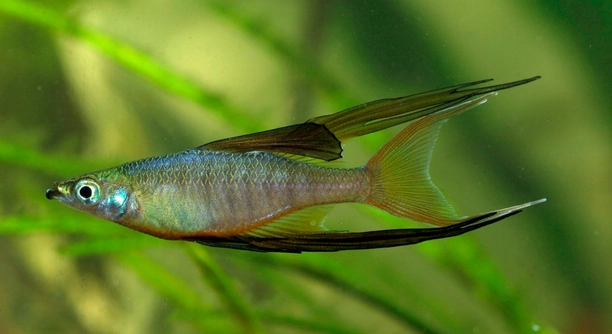
Many aquarists notice their threadfins hiding near unusual spots in the tank, especially close to heaters. These sleek fish often choose these locations without much warning, leaving owners puzzled about their behavior and daily habits.
Threadfins commonly hide behind the heater because it offers warmth, security, and reduced light exposure. This area mimics sheltered environments in the wild, allowing fish to conserve energy, reduce stress, and feel safer from perceived threats or sudden movements.
Observing their behavior over time reveals patterns that help improve tank setups and promote a calmer, healthier environment for these fish.
Why Threadfins Prefer Warm Corners
Threadfins often gravitate toward the heater area because it provides a stable, warm environment that feels secure. In my experience, observing them over several weeks shows that they move slowly and linger near this spot, avoiding sudden currents or other active fish. Temperature plays a key role in their comfort, as these fish naturally thrive in slightly warmer water. They also use the space as a hiding spot, where the shadows and proximity to the heater give a sense of protection. Over time, I noticed that when the heater was slightly exposed or there was little decoration around it, they seemed more cautious and stayed closer to the back of the tank. Adding gentle plants or decorations near the heater can create additional hiding spots while maintaining warmth. This balance of comfort and security helps them stay relaxed and maintain consistent activity levels throughout the day.
Threadfins choosing the heater area indicates they value stable warmth and safety over open swimming spaces.
Regularly checking the tank for temperature consistency and minimizing strong currents around the heater makes a noticeable difference. I found that slightly adjusting the placement of decorations encourages them to explore more without feeling stressed. Observing their habits also helps identify when they are unwell or uncomfortable. Providing a few shaded spots near the heater or other warm areas allows them to move freely without losing security. Over time, I noticed their colors became brighter, and they appeared less skittish during feeding times. Maintaining steady water temperature, along with gentle lighting and minimal disturbances, keeps these fish calm and active. Simple changes like soft plant placement or reduced turbulence make the tank more inviting. Threadfins seem to thrive when they have control over their immediate environment. They choose spaces where they can hide, rest, or observe, which in turn makes daily care and observation more rewarding.
Creating a Comfortable Heater Zone
Adding subtle decorations near the heater can help threadfins feel safer while still providing access to warmth.
Soft plants, small rocks, or even artificial hiding spaces work well to mimic sheltered environments. It’s important to leave enough open space around the heater so water flows freely, avoiding hot spots. I learned that over-cluttering the area can make the fish hesitant, while carefully arranged elements give them options to swim around or rest near warmth. Observing their behavior daily, you can see which spots they prefer and adjust placement accordingly. Small tweaks, like angling a decoration slightly or changing the type of plant, often result in them exploring more while still returning to the cozy area. Maintaining a clean heater zone and checking that the heater itself is working properly ensures both safety and comfort. By paying attention to these details, the threadfins feel secure, which improves their overall health and reduces stress. It also makes feeding times smoother, as they are more relaxed and easier to approach. Consistent observation and minor adjustments create a more harmonious tank, supporting natural behavior while keeping them warm. Over time, this approach fosters a healthier, more active, and visually appealing environment that benefits both the fish and the owner.
Managing Tank Layout for Threadfins
Keeping the tank layout simple near the heater helps threadfins feel secure without restricting movement. I found that open spaces mixed with a few hiding spots encourage natural behavior and reduce stress.
Adding soft plants or small rocks near warm areas provides shelter without overcrowding. Threadfins respond well to gentle arrangements, as they can choose to swim freely or rest behind a plant. Over time, I noticed that carefully spaced decorations near the heater made them more active during feeding while still returning to their favorite warm corner for rest. Avoiding sharp edges or dense clusters ensures safety and comfort.
Proper placement of ornaments also improves water flow around the heater. I learned that some fish avoid stagnant areas, so creating gentle currents encourages exploration while keeping warm zones accessible. By observing their preferred spots and adjusting accordingly, the tank feels balanced, safe, and engaging. It helps maintain consistent behavior, reduces hiding from stress, and promotes overall health. Small adjustments can have a noticeable impact on their activity and comfort.
Monitoring Temperature Consistently
Stable water temperature is essential for threadfins’ health and comfort. Fluctuations can lead to stress or hiding behavior.
I check the heater daily to ensure the temperature remains consistent. Using a thermometer, I monitor small changes and adjust settings gradually. Sudden spikes or drops make threadfins skittish, so maintaining steady warmth is crucial.
Keeping temperature consistent helps regulate feeding habits, swimming patterns, and overall well-being. I noticed that when the heater zone stayed stable, threadfins explored more, spent less time hiding, and appeared more vibrant. Gentle temperature gradients around the tank allow them to choose their preferred warmth. Combining proper heater placement, safe decorations, and monitoring ensures they remain comfortable. Over time, steady temperature contributes to stronger immune systems and reduced stress. Regular checks are simple but make a big difference in their daily activity, mood, and long-term health.
Understanding Threadfin Behavior
Threadfins often choose spots near the heater because it combines warmth and a sense of security. I noticed they stay close to these areas when feeling cautious or needing rest.
Their preference shows how environmental comfort influences their activity. They balance between exploring the tank and staying near warmth for safety.
Encouraging Exploration Away from the Heater
Introducing gentle currents and scattered hiding spots away from the heater encourages threadfins to explore. I arranged lightweight plants and small rocks at different points, giving them choices without forcing movement. Over time, they began venturing farther while still returning to their warm corner when needed.
This setup supports natural behavior and reduces stress, allowing them to feel secure while exploring. Observing their gradual adjustment shows that they can balance comfort with curiosity, making the tank more dynamic. Maintaining these areas with regular cleaning and minor rearrangements keeps them interested and active, benefiting their overall health and mood.
Feeding Near the Heater
Placing food near warm zones helps threadfins feel safe while eating. This encourages consistent feeding habits and reduces stress.
FAQ
Why do threadfins hide behind the heater so often?
Threadfins hide behind the heater because it provides warmth, security, and a sense of shelter. I noticed that when the water temperature fluctuates, they cling even more to this area. It mimics the shaded, protected spots they would naturally choose in the wild, helping them feel less exposed.
Is it harmful if they stay there all day?
Staying near the heater all day isn’t necessarily harmful if the temperature is stable. I keep an eye on their activity and eating habits. If they eat normally and swim occasionally, it’s simply their preferred comfort zone rather than a sign of illness.
Can I move the heater to encourage exploration?
You can adjust the heater placement slightly, but it’s important not to create sudden temperature changes. I found that adding decorations and hiding spots away from the heater encourages them to explore gradually without forcing them. Small adjustments work better than drastic changes.
Do threadfins need hiding spots even if the heater is warm?
Yes, warmth alone isn’t enough. I’ve noticed they prefer spaces that also provide shade and shelter. Soft plants, rocks, or artificial caves near the heater give them multiple options for resting, which reduces stress and promotes natural behavior.
How do I know if hiding means stress or illness?
Observe their eating patterns, swimming, and coloration. I pay attention to sudden lethargy or refusal to eat. If they stop responding to usual routines or hide constantly without leaving the heater zone, it could indicate stress or illness, requiring closer monitoring or water testing.
Will feeding near the heater cause any problems?
Feeding near the heater generally works well. Threadfins feel safer while eating there, and I noticed they maintain regular feeding habits. Make sure the food disperses evenly, and remove leftovers promptly to avoid affecting water quality.
Do other fish influence their hiding behavior?
Yes, tank mates can affect where threadfins hide. I’ve seen them avoid aggressive or overly active fish by sticking closer to the heater. Providing multiple warm zones and hiding spots reduces conflict and ensures everyone has a safe space.
How often should I check the heater area?
Daily checks are ideal. I make it a habit to look for buildup, temperature inconsistencies, or placement issues. Even small problems, like a shifted decoration or uneven flow, can make threadfins more cautious and less active.
Can I add multiple heaters to create more hiding spots?
Adding another heater is possible but usually unnecessary in small to medium tanks. I prefer using one stable heater and creating shaded zones around it. This provides enough warmth without overcomplicating temperature regulation.
Does lighting affect their preference for the heater?
Yes, bright lighting can make them seek shelter more often. I use soft or dim lighting near the heater to mimic natural conditions. This encourages them to explore open spaces gradually while keeping the warm corner as a fallback.
Are there seasonal changes in hiding behavior?
In my experience, threadfins adjust slightly with seasonal temperature shifts if the tank isn’t perfectly stable. They may spend more time behind the heater in cooler months and explore more during warmer periods. Keeping consistent water temperature reduces these fluctuations.
How long should I wait before worrying about prolonged hiding?
If a threadfin hides continuously for more than a few days without eating or moving normally, it’s a sign to investigate. I check water parameters, temperature, and signs of illness, and sometimes isolate the fish temporarily for observation.
Can stress from transport increase hiding behavior?
Yes, newly added threadfins often stay near the heater for several days after being introduced. I provide extra hiding spots and monitor them closely, allowing them to acclimate at their own pace without forcing movement.
Will rearranging the tank reduce hiding?
Minor rearrangements can encourage exploration, but drastic changes can increase stress. I usually move plants or rocks gradually, giving them time to adapt. This keeps them comfortable while still allowing for natural curiosity to emerge.
Does water quality influence their preference for the heater?
Absolutely. I noticed that poor water quality makes them cling to safe zones more. Keeping ammonia, nitrite, and nitrate levels low, along with regular cleaning, ensures they are active and comfortable throughout the tank, not just near the heater.
Is it normal for them to hide at night?
Yes, threadfins often retreat to warm, sheltered areas at night. I maintain consistent lighting schedules to help regulate their activity while providing the heater as a safe resting spot. This behavior is part of their natural routine.
Should I add more plants or decorations near the heater?
Adding some extra shelter is helpful but avoid overcrowding. I place soft plants or small ornaments that don’t block water flow. This gives threadfins multiple options for hiding, making them feel secure without limiting movement.
Can hiding behavior affect their growth?
Generally, hiding doesn’t impact growth as long as they eat regularly. I’ve observed that stressed or sick fish that hide too much may lose appetite, so it’s important to monitor their behavior, feeding, and water conditions consistently.
Do threadfins interact with others while near the heater?
Yes, they sometimes interact with tank mates but usually in a limited, calm manner. I’ve seen them cautiously swim out to feed or explore but return quickly if another fish approaches. Maintaining gentle, compatible tank mates encourages balanced interaction.
Is it safe to touch or move the heater while fish are nearby?
It’s best to avoid sudden contact. I only adjust heaters when necessary and do it gradually to prevent stress. Sudden movement can startle threadfins, causing them to hide more deeply or become skittish for hours afterward.
How can I tell if a heater is too hot or too cold for them?
Using a reliable thermometer is key. I watch for unusual hiding patterns, rapid gill movement, or erratic swimming. A stable, moderate temperature keeps threadfins relaxed and encourages healthy behavior without causing unnecessary hiding.
Do they ever use other hiding spots besides the heater?
Yes, they choose caves, plants, and corners as secondary shelters. I noticed that while the heater is a favorite, having multiple options prevents competition, reduces stress, and promotes exploration throughout the tank.
How do I balance exploration with their preference for the heater?
Gradual changes, gentle currents, and scattered hiding spots help. I create a mix of comfort zones and open areas, allowing threadfins to explore at their own pace. Observing their choices informs me about which areas to adjust for safety and interest.
Can stress from water changes affect hiding?
Yes, sudden water changes often make them retreat to the heater. I perform small, frequent adjustments instead of large changes, which reduces stress and keeps them more willing to swim and explore afterward.
Do juveniles behave differently around the heater?
Juvenile threadfins often hide more than adults. I provide plenty of shelter and monitor feeding closely, as younger fish are more vulnerable and cautious, preferring warmth and protection until they gain confidence.
How do I maintain a safe, warm zone long-term?
Regular heater checks, stable water temperature, clean decorations, and gentle lighting all contribute. I maintain this area consistently, making sure threadfins feel secure while still having room to explore. Stability encourages healthy behavior and reduces stress over months and years.
Final Thoughts
Threadfins hiding behind the heater is a normal and understandable behavior. They naturally seek warmth, security, and shelter, which the heater area provides. Over the years of keeping them, I noticed that they use this spot not just for resting but also to observe the tank quietly. It is their way of feeling safe while still being part of their environment. Even if it seems like they are avoiding interaction, they are simply managing comfort and stress levels. Warmth, calm water, and gentle lighting all play a role in their preference for these areas. By giving them the option to retreat and rest, they are able to stay healthy and active in the long term.
Creating a tank environment that balances warmth and space is essential. I’ve found that adding soft plants, small rocks, or artificial caves around the heater helps them feel secure without restricting movement. Open areas in other parts of the tank give them a chance to swim and explore at their own pace. I also make sure the heater is stable and the water flow is gentle, so they are not forced to choose between comfort and proper swimming conditions. Observing their behavior over time allows small adjustments, like shifting a plant slightly or adding another low-shelf hiding spot. These minor changes encourage them to gradually explore more while still keeping a safe warm corner. Keeping an eye on their activity, eating habits, and coloration helps detect stress or health concerns early, making care simpler and more effective.
Maintaining consistency is one of the most important aspects of caring for threadfins. I check the water temperature daily, clean the tank regularly, and ensure the heater and decorations remain safe and stable. Threadfins respond positively to steady routines and environments that don’t change abruptly. Over time, this consistency reduces hiding from fear or stress and supports their overall well-being. They begin to explore more confidently while still returning to the warm, secure spots they prefer. Understanding their natural instincts and preferences makes caring for them less stressful and more rewarding. By combining careful observation, stable warmth, and safe hiding options, threadfins can thrive in a home tank. Their occasional hiding is not a sign of a problem but rather an important part of their behavior and comfort. Creating an environment that respects these needs ensures that they remain healthy, active, and balanced every day.

Hello,
If you enjoy the content that we create, please consider saying a "Thank You!" by leaving a tip.
Every little bit helps us continue crafting quality advice that supports the health, happiness, and well-being of pets around the world, for pets of all shapes, sizes, and species.
We really appreciate the kindness and support that you show us!