
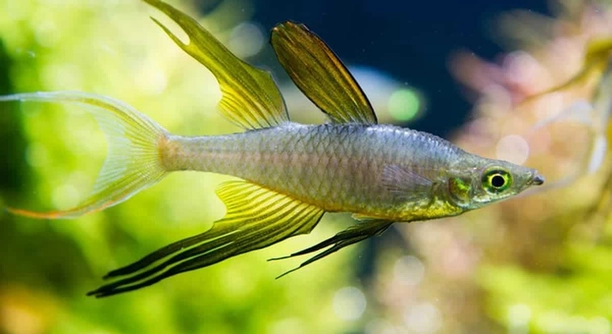
Do you ever notice threadfins lingering in one spot for extended periods while swimming in their natural habitat? These fish can display surprisingly deliberate behavior, often choosing specific locations to remain stationary for reasons not immediately obvious.
Threadfins guard specific spots primarily to protect resources or territory. This behavior ensures access to food sources, mating opportunities, or shelter. Such site fidelity reduces competition and enhances survival by establishing a predictable environment for these fish.
Understanding why threadfins select and defend certain areas sheds light on their social and ecological patterns. Observing their behavior can reveal surprising details about their daily routines and interactions in the wild.
How Threadfins Choose Their Spots
Threadfins tend to select areas that provide both safety and easy access to food. Rocks, submerged vegetation, or shallow sandy flats often attract these fish because they offer shelter from predators and a steady supply of smaller prey. When I watched them, I noticed they preferred spots where currents brought in tiny organisms, allowing them to feed efficiently without expending too much energy. The structure of the area also matters; spots with hiding spaces give them confidence to stay put. Over time, threadfins become familiar with these locations and the surrounding environment. This familiarity helps them react quickly if a predator appears or if the water conditions change. Even minor changes, like the shift of sand or debris, can influence their preference. Observing these fish carefully can reveal that their choice is rarely random. Instead, it is a combination of instinct, environmental factors, and survival strategy that guides them to specific locations every day.
These spots offer a balance between food availability and protection, making them ideal for threadfins to establish a small territory.
By understanding their selection process, we see how environmental features directly influence their behavior. Threadfins are methodical, assessing currents, hiding options, and nearby food sources before settling. Once established, they often return daily, creating consistent patterns. This behavior also allows researchers to predict their movements and study population density. Spot fidelity reduces stress since the fish do not need to explore unfamiliar areas constantly. In some cases, it even aids in reproduction, as familiar locations offer safe zones to attract mates. Observing them in these spots reveals interactions with other species, territorial displays, and feeding efficiency. Their choice of location is influenced by subtle environmental shifts, like changes in water temperature or vegetation growth. Recognizing these factors helps explain why certain areas see higher concentrations of threadfins than others. Their behavior reflects an instinctual optimization strategy that balances energy expenditure, safety, and access to resources.
Defensive Behavior at Guarded Spots
Threadfins display clear signs of defending their selected areas, usually through swimming patterns and posture.
This behavior includes chasing intruders or positioning themselves to block access to prized resources. Observations show that when another fish approaches too closely, threadfins may flare fins, adjust body angles, or use quick bursts of speed to establish dominance. These actions are more about deterrence than confrontation, allowing the fish to maintain control without unnecessary risk. Over time, repeated interactions teach neighboring fish to respect their boundaries, reducing conflict. This defensive behavior is particularly noticeable near feeding areas or sheltered zones. It is not aggressive for aggression’s sake but a practical strategy to protect survival essentials. By consistently defending a chosen spot, threadfins ensure they can feed, reproduce, and stay safe from predators with minimal disruption.
Guarding a location is a strategic behavior shaped by environmental pressures and resource distribution. Threadfins assess potential threats continuously, weighing the risk of confrontation against the value of the spot. Their actions are methodical, using body language, positioning, and occasional short chases to assert dominance. Over time, these behaviors create a structured hierarchy among nearby fish, minimizing repeated conflict. Researchers have noted that threadfins exhibit more intense guarding behaviors when food or shelter is limited. This indicates a direct link between resource scarcity and territoriality. Additionally, these behaviors serve a protective role for younger or smaller fish that might benefit from the presence of a dominant individual in the area. Studying these patterns provides insight into population dynamics, as the consistent use of certain spots influences local density, mating opportunities, and feeding efficiency. Environmental changes, such as shifting sand, vegetation growth, or seasonal water currents, can alter the intensity and frequency of guarding behaviors. The adaptability of threadfins to these changes highlights their capacity to optimize survival strategies in fluctuating conditions, ensuring that their energy investment in defending a location is worthwhile.
Feeding Advantages of Guarded Spots
Threadfins benefit from guarding a consistent area because it guarantees access to food with minimal effort. By staying in one place, they can exploit currents that bring in small prey like plankton or crustaceans, reducing energy spent searching for meals.
Maintaining a specific spot allows threadfins to optimize their feeding efficiency. They learn which areas consistently bring in prey and how to position themselves in the current for maximum intake. Over time, they recognize patterns in food availability, adjusting their behavior according to changes in tides or seasons. This familiarity reduces wasted energy and increases the likelihood of meeting daily nutritional needs. The choice of feeding spot also impacts social interactions, as fish in the same area often develop informal boundaries, minimizing conflict while allowing everyone to access resources. The strategy is subtle but highly effective for survival.
Guarding a productive feeding area also protects smaller prey from competitors. By controlling the spot, threadfins limit access for other species that might consume the same resources. This behavior ensures they retain an advantage without the need for constant chasing or aggression. It also allows them to focus on energy-efficient feeding rather than continuous searching, which is critical for growth, reproduction, and long-term survival. Their ability to maintain control over a rich feeding location demonstrates a combination of instinct and learned environmental awareness, showing how a simple behavior can greatly influence their overall fitness.
Shelter and Safety Benefits
Choosing a guarded spot provides threadfins with reliable shelter from predators and environmental hazards. Rocks, vegetation, and shallow areas serve as natural protection, making these spots safer than open water.
These locations offer a secure base where threadfins can retreat quickly if danger approaches. The physical structure of the spot provides hiding spaces that reduce vulnerability to larger predators. Fish can assess threats while staying partially concealed, allowing them to react effectively. A familiar area also gives them confidence in escape routes, reducing stress and improving overall survival chances. This safe zone can become central to daily activity, where feeding, resting, and minor social interactions occur without constant threat exposure.
Familiarity with a guarded spot enhances a threadfin’s ability to survive in challenging environments. Knowing the precise locations of overhangs, crevices, or vegetation clusters allows for faster, more accurate responses to predators. In addition, repeated use of the same spot can signal safety to others, indirectly creating a semi-protected microhabitat. The behavior also reduces unnecessary energy expenditure since fish do not have to constantly search for new hiding places. Over time, this combination of shelter, safety, and environmental familiarity shapes movement patterns, feeding habits, and interactions with other species, highlighting the integral role of specific locations in the daily life of threadfins.
Territorial Signals
Threadfins use body movements and fin displays to signal ownership of a spot. These signals warn other fish to stay away without the need for constant physical confrontation.
Visual cues like fin flaring or sudden darting movements communicate boundaries effectively. This behavior reduces unnecessary energy expenditure and prevents frequent conflicts with nearby fish.
Reproductive Benefits of Guarded Spots
Guarded spots play a key role in reproduction. Threadfins choose familiar areas to attract mates and protect eggs. The safety and food availability of a known spot increase the chances of successful mating and egg development. Consistent locations allow both males and females to coordinate reproductive behaviors efficiently. Familiar territory reduces stress, ensuring energy is directed toward mating and caring for eggs rather than constant vigilance. In some cases, neighboring fish learn to respect these spots, further improving reproductive success. By controlling a stable area, threadfins create an environment where reproduction is more predictable and secure, demonstrating the link between territorial behavior and species survival.
Seasonal Changes and Spot Fidelity
Threadfins may shift or abandon spots depending on seasonal changes in water temperature, currents, and food availability. These adjustments help them maintain access to resources and safety throughout the year.
What makes threadfins choose a specific spot?
Threadfins select spots based on a combination of safety, food availability, and shelter. They favor areas where currents bring in small prey, like plankton or tiny crustaceans, allowing them to feed efficiently. Hiding spots such as rocks, vegetation, or shallow sand flats provide protection from predators. Over time, familiarity with a spot helps them react quickly to environmental changes, improving survival. This choice is not random but guided by instinct and repeated observation of resource availability. A good spot balances feeding efficiency with protection, ensuring the fish can stay in one place for longer periods without constant threat exposure or wasted energy.
Do threadfins defend their spots aggressively?
Threadfins exhibit defensive behavior but rarely engage in constant combat. They use visual displays, fin flaring, and short bursts of movement to warn intruders and establish boundaries. This minimizes energy expenditure while maintaining control over important resources like food or shelter. Repeated interactions with neighboring fish teach respect for territorial limits, reducing frequent conflict. The defense is more about maintaining control and survival than unnecessary aggression. By consistently guarding a productive area, threadfins ensure access to essential resources, protect their young, and maintain stability in their daily routines.
How does guarding a spot improve feeding?
By staying in a known location, threadfins exploit predictable food sources efficiently. They learn which currents bring in prey and how to position themselves to maximize intake. Familiarity reduces energy spent searching for food, allowing more time for resting, feeding, and reproduction. Guarding a rich feeding area also limits competition from other fish. Over time, the fish develop patterns for optimal feeding, adjusting to tides, seasonal shifts, or changes in prey availability. The energy saved by maintaining a productive spot can be redirected toward growth, reproduction, and defending territory, creating a clear survival advantage.
Does guarding a spot affect reproduction?
Yes, guarded spots are crucial for reproductive success. Threadfins use these areas to attract mates, lay eggs, and protect developing offspring. Safety, food access, and familiarity make these spots ideal for mating and egg development. Knowing a location well reduces stress and allows fish to focus on reproduction. Neighboring fish often learn to respect these territories, further improving the chance of successful mating. The connection between spot fidelity and reproduction shows how territorial behavior directly impacts species survival and population stability.
Can threadfins change their preferred spots?
Threadfins may shift or abandon spots if conditions change. Seasonal variations in temperature, water currents, or food availability can make a previously ideal area less favorable. When this happens, fish move to a location that provides similar benefits of safety, food, and shelter. Spot fidelity is strong but adaptable. Threadfins balance the energy spent exploring new areas with the need to maintain safety and access to resources. Adjustments are strategic, ensuring they continue to thrive in dynamic environments without compromising survival or reproductive success.
How do other fish interact with guarded threadfin spots?
Other fish often recognize the boundaries of a guarded threadfin spot. Repeated displays of dominance teach nearby fish to respect the area, reducing conflict. This indirect cooperation creates a semi-structured environment where multiple species can coexist without constant aggression. Occasionally, smaller fish benefit from the presence of a dominant threadfin, gaining protection or access to leftover food while avoiding direct competition. The presence of a dominant individual also indirectly stabilizes the local ecosystem by regulating movement patterns, reducing conflict, and influencing feeding efficiency.
Are guarded spots critical for survival?
Guarded spots significantly improve threadfin survival by providing safety, food, and reproductive advantages. Familiar territory reduces stress, conserves energy, and allows strategic responses to predators. Controlling a productive location ensures access to resources while limiting competition. Over time, these behaviors enhance overall fitness and increase the likelihood of successful reproduction. The combination of instinct, environmental awareness, and strategic defense highlights the importance of specific spots for maintaining a threadfin’s daily routine and long-term survival.
How long do threadfins stay in one spot?
The duration varies depending on resource availability and environmental stability. Some threadfins remain in a spot for days, weeks, or even months if food, shelter, and safety are consistently adequate. If conditions shift, they relocate strategically. Familiarity with a spot reduces energy waste and stress, which is particularly important for feeding efficiency and reproductive behaviors. Extended use of a single location also allows social hierarchies and territorial boundaries to stabilize, minimizing unnecessary conflict and supporting population structure within the habitat.
Do environmental changes affect spot fidelity?
Yes, factors like tides, currents, temperature, and vegetation growth influence threadfin spot fidelity. Favorable changes reinforce loyalty to a location, while adverse shifts may prompt relocation. Fish constantly assess their environment to balance safety, food access, and energy expenditure. Seasonal adjustments ensure that they maintain optimal conditions for survival. Spot fidelity is adaptable; while threadfins prefer consistent areas, they are capable of relocating when environmental conditions make a familiar spot less advantageous. This flexibility is crucial for thriving in dynamic aquatic habitats.
Can observing threadfins reveal their behavior patterns?
Watching threadfins at guarded spots offers insight into feeding strategies, defensive actions, and reproductive behaviors. Daily routines become predictable once fish are familiar with a location. Observations can show how they interact with neighbors, respond to threats, and exploit resources. Over time, patterns in movement, timing, and social interaction emerge, revealing the underlying logic of their territorial behavior. By paying attention to these details, it is possible to understand how environmental factors shape their decisions and how they balance survival, energy efficiency, and reproductive success.
Threadfins demonstrate a clear and consistent pattern of behavior when it comes to choosing and guarding specific spots in their habitat. These locations are carefully selected based on safety, food availability, and environmental structure. Rocks, shallow flats, or areas with vegetation provide protection from predators, while currents bring in small prey that threadfins can feed on with minimal effort. By remaining in a familiar spot, they reduce energy expenditure, maintain a reliable source of food, and create a safe zone for resting and reproduction. Their behavior is guided by a combination of instinct and learned observation, which allows them to maximize survival in a constantly changing environment. Watching threadfins in these locations reveals a balance between caution, efficiency, and the need to secure essential resources. Over time, the repeated use of specific spots reinforces the benefits, making them central to the fish’s daily routines and overall well-being.
Guarding a selected area is not just about survival—it also provides reproductive advantages. Threadfins use these spots to attract mates, lay eggs, and protect developing offspring. Familiarity with a location allows them to focus on reproduction without expending excessive energy on searching for food or escaping predators. Defensive behaviors, like fin displays and short chases, help maintain control of the spot without frequent aggression, ensuring that food and shelter remain accessible. Neighboring fish often recognize these boundaries, which reduces conflict and creates a more stable environment. By maintaining control over a productive and safe location, threadfins improve the chances of successful mating and increase the likelihood that their young will survive. This combination of territorial defense, environmental awareness, and strategic positioning highlights the importance of specific spots in both survival and species propagation.
Environmental factors play a key role in how threadfins use and adapt to their chosen spots. Seasonal changes, shifts in water currents, and variations in temperature or vegetation may prompt fish to adjust their positions or relocate entirely. Spot fidelity is strong but adaptable; threadfins balance the need for safety, food, and reproductive opportunities with the flexibility to move when conditions change. Observing these behaviors provides insight into how fish respond to their environment and optimize their daily activities. The combination of feeding efficiency, protection, reproductive success, and adaptability makes the behavior of guarding specific spots a vital part of a threadfin’s life. Understanding these patterns not only reveals how these fish survive but also highlights the intricate ways in which their environment shapes daily behavior and long-term strategies.

Hello,
If you enjoy the content that we create, please consider saying a "Thank You!" by leaving a tip.
Every little bit helps us continue crafting quality advice that supports the health, happiness, and well-being of pets around the world, for pets of all shapes, sizes, and species.
We really appreciate the kindness and support that you show us!