
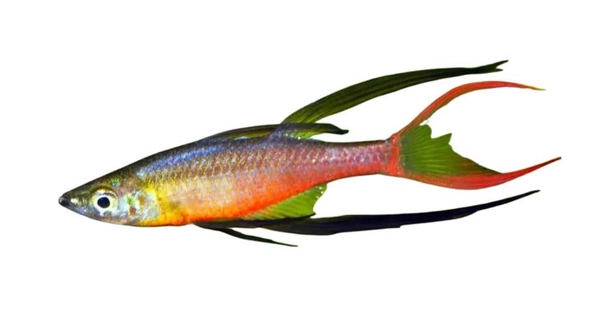
Threadfin Rainbowfish are vibrant and active fish that can sometimes display shy or hesitant behaviors in home aquariums. Observing them closely reveals subtle signs of stress or lack of confidence in their environment. Understanding these signs is essential.
Boosting Threadfin Rainbowfish confidence involves creating a stable and enriched environment. Providing adequate hiding spaces, maintaining optimal water conditions, offering varied and nutritious food, and minimizing sudden changes in the tank helps promote natural behaviors and reduces stress effectively.
These strategies ensure your Threadfin Rainbowfish thrive, interact naturally, and display their full range of colors and behaviors within a secure environment.
Creating a Safe and Comfortable Environment
Threadfin Rainbowfish feel more confident when their surroundings are predictable and secure. Start with a spacious tank that allows for free swimming and provides areas to hide. Plants, rocks, and driftwood can serve as natural shelters, giving the fish places to retreat when stressed. Soft lighting reduces sudden shadows that may startle them, while consistent water temperature and quality are crucial. Regularly monitor ammonia, nitrite, and nitrate levels, as fluctuations can increase anxiety. Gentle filtration avoids strong currents that can overwhelm these small fish. Adding smooth surfaces and avoiding sharp décor prevents injuries. Consistency in feeding times and tank maintenance also builds trust in their environment. Even minor changes, like rearranging plants, can temporarily unsettle them. Keeping the tank in a quiet location away from heavy foot traffic reduces stress, allowing the fish to explore and interact more confidently. Observing their reactions helps tailor the tank setup to their comfort.
A stable environment reduces stress and encourages natural behaviors. Threadfin Rainbowfish respond positively to predictable surroundings and consistent care.
Over time, the fish will explore more confidently, display brighter colors, and interact with their tank mates. Maintaining regular water testing, gentle filtration, and safe décor ensures their well-being. Hiding spots and plants give them security, while consistent feeding builds routine and predictability. Soft lighting prevents sudden stress triggers. Small adjustments, like gradual temperature changes or new décor additions, prevent anxiety. By observing behavior, you can see which areas of the tank they prefer and how they react to different stimuli. Confidence grows when fish feel safe to swim freely and engage with their environment. Regular maintenance and careful attention to stress indicators support long-term comfort. This structured approach helps Threadfin Rainbowfish thrive and exhibit their natural, active behaviors without fear.
Encouraging Social Interaction
Threadfin Rainbowfish gain confidence when they are in groups, as they are naturally social fish.
Grouping them with compatible tank mates fosters social behaviors, reduces isolation, and encourages exploration.
Proper schooling promotes security and reduces timid behavior. Small groups should consist of at least six fish to maintain healthy social dynamics. Observing their interactions helps prevent bullying and stress.
Introducing new fish should be done gradually, allowing the existing group to adjust. Quarantining newcomers prevents disease transmission and ensures compatibility. Encouraging interaction through gentle feeding routines helps fish recognize and trust each other. Avoid overcrowding, which can increase stress and aggression. Social stimulation boosts confidence, leading to more active swimming, vibrant colors, and natural schooling patterns. Patience and careful observation ensure the group remains harmonious. Over time, confident interactions become routine, supporting overall health and well-being. Providing adequate space, hiding spots, and visual barriers allows shy individuals to acclimate while still engaging with the group. This balance between security and social exposure is key to developing self-assured Threadfin Rainbowfish.
Providing Varied and Nutritious Food
Offering a balanced diet helps Threadfin Rainbowfish build strength and confidence. Include high-quality flakes, pellets, and occasional live or frozen foods to meet their nutritional needs.
Feeding a mix of protein-rich and plant-based foods supports growth, vibrant coloration, and energy levels. Small, frequent meals prevent overeating and reduce competition among fish. Observing which foods each fish prefers helps tailor their diet, ensuring all individuals receive proper nutrition. Variety in food also stimulates natural foraging behaviors, keeping them active and engaged. Over time, well-fed fish display calmer behavior and increased confidence while exploring their environment. Consistency in feeding routines also reinforces security and predictability within the tank.
Introducing new foods gradually prevents digestive issues and reduces stress. Sudden diet changes may cause hesitation or reduced appetite. By carefully monitoring reactions, you can adjust portions, frequency, and types of food to suit each fish. Maintaining water quality is important, as leftover food can degrade the tank environment and impact health. Offering occasional treats like brine shrimp or daphnia encourages activity and reinforces natural hunting instincts. Ensuring a diverse and balanced diet contributes directly to stronger, more confident Threadfin Rainbowfish that are better equipped to interact with their surroundings and tank mates.
Minimizing Stressful Stimuli
Reducing sudden movements and loud noises near the tank helps keep Threadfin Rainbowfish calm and secure.
Stressful stimuli such as rapid lighting changes, strong water currents, or aggressive tank mates can reduce confidence. Maintaining a consistent daily routine and quiet environment encourages the fish to explore and engage with their surroundings. Observing behavior regularly helps identify stressors and allows timely adjustments. Visual barriers or dense planting provides retreats, reducing exposure to external disturbances and giving fish a sense of control. Small, gradual changes in the environment prevent overwhelming them. A calm atmosphere directly supports mental well-being and natural behavior patterns.
Long-term confidence in Threadfin Rainbowfish depends on careful management of both environmental and social stressors. Regular monitoring of water conditions, stable tank temperatures, and minimal handling reduce anxiety. Limiting exposure to aggressive species prevents bullying and promotes secure interactions. Providing adequate hiding spaces allows shy individuals to acclimate at their own pace while still engaging socially. Predictable lighting cycles and feeding schedules further reinforce routine, helping fish feel in control. Over time, reducing these stressors allows fish to swim more freely, exhibit natural behaviors, and maintain vibrant coloration. Thoughtful tank placement away from frequent disturbances supports overall health, making them more confident and active members of the aquarium.
Gradual Acclimation to Changes
Introducing new elements slowly helps Threadfin Rainbowfish adjust without stress. Sudden changes in décor, lighting, or tankmates can trigger fear and hesitation, so gradual steps maintain confidence.
Monitoring their reactions during adjustments ensures they remain comfortable. Small, controlled changes allow fish to explore at their own pace.
Maintaining Optimal Water Conditions
Consistent water temperature, pH, and cleanliness are essential for confident fish. Poor water quality causes stress, illness, and timid behavior. Regular testing and partial water changes prevent harmful buildup. Using gentle filtration avoids strong currents that can overwhelm small Threadfin Rainbowfish. A stable aquatic environment encourages natural swimming patterns.
Gentle Interaction and Observation
Approaching the tank calmly and observing without sudden movements helps fish feel secure. Consistent, quiet observation reduces fear and builds trust over time.
FAQ
How many Threadfin Rainbowfish should be kept together?
Threadfin Rainbowfish are schooling fish and feel more confident in groups. A minimum of six individuals is recommended to maintain natural social behavior. Smaller groups may become timid or stressed, while larger groups provide security, encouraging active swimming and natural interactions. Observing the group ensures everyone is comfortable.
What type of tank setup is best for boosting confidence?
A spacious tank with plenty of hiding spots, plants, and smooth décor works best. Soft lighting and gentle filtration reduce stress, while consistent water parameters keep the fish healthy. Open swimming areas combined with secure hiding spaces allow the fish to explore without feeling threatened.
How often should I feed them, and what foods are best?
Small, frequent meals are ideal. High-quality flakes or pellets form the base of their diet, supplemented with occasional live or frozen foods like brine shrimp, daphnia, or bloodworms. Variety stimulates natural foraging behaviors and supports vibrant colors, energy, and overall confidence. Gradual introduction of new foods prevents hesitation.
How can I reduce stress in the aquarium?
Avoid sudden movements, loud noises, and rapid lighting changes near the tank. Ensure compatible tank mates to prevent bullying. Dense plants and hiding spots allow shy fish to retreat, giving them control over their environment. Regular, gentle maintenance and predictable feeding schedules reduce anxiety and build trust.
What water conditions support confident behavior?
Maintain a stable temperature between 24–28°C (75–82°F) and a pH of 6.5–7.5. Regular water testing prevents harmful ammonia, nitrite, or nitrate levels. Partial water changes and consistent filtration keep water clean without creating strong currents. Stability in these conditions supports natural behavior, reduces timidness, and promotes health.
Can I handle Threadfin Rainbowfish directly?
Handling should be minimal. Frequent or rough handling increases stress and reduces confidence. If necessary, use a soft net for transfers and avoid sudden movements. Observing fish behavior from outside the tank allows them to acclimate and build trust without direct contact.
How should new fish be introduced?
New fish should be quarantined first to prevent disease. Introduce them gradually, using a divider if possible, so the existing group can observe without direct contact. Slowly remove barriers over several days to allow adaptation. Gradual integration reduces aggression and supports confident social interactions.
What are signs of low confidence or stress?
Shyness, hiding, loss of color, erratic swimming, or staying in one area are common signs. Monitoring behavior daily helps identify issues early. Adjusting the environment, feeding routines, or social groupings can restore confidence and promote healthier interactions.
Do decorations and plants really affect confidence?
Yes. Dense planting and varied décor provide security and hiding spots, reducing stress and timid behavior. Open areas allow free swimming, while visual barriers create a sense of control. Properly arranged décor balances exploration and protection, encouraging confident activity.
How long does it take for confidence to improve?
Improvements vary depending on individual temperament, tank setup, and group dynamics. With consistent care, gradual environmental adjustments, and proper feeding, most Threadfin Rainbowfish begin showing increased activity, bold colors, and social behavior within a few weeks. Patience and observation are key to long-term confidence.
Can confident fish display natural behaviors more effectively?
Yes. Confident Threadfin Rainbowfish swim actively, school properly, and interact with tank mates. They explore the tank, forage naturally, and display vibrant coloration. Confidence directly influences overall health and reduces susceptibility to disease, making attention to environment and care essential.
Are there common mistakes that reduce confidence?
Overcrowding, poor water quality, sudden changes, incompatible tank mates, and inconsistent feeding are common mistakes. Each can lead to stress, hiding, or timid behavior. Addressing these factors through stable care, proper tank setup, and careful observation fosters a secure and confident environment.
How does lighting affect their behavior?
Strong, sudden lighting can startle Threadfin Rainbowfish. Soft, consistent lighting reduces stress and allows natural color display. Gradual changes in lighting during maintenance or adjustments prevent fear, promoting calm exploration and activity throughout the day.
Does tank location matter?
Yes. Tanks in quiet areas with minimal foot traffic or loud sounds reduce stress. Avoid placing tanks near doors, high-traffic rooms, or areas with sudden vibrations. A stable, calm environment gives fish confidence to explore, interact socially, and exhibit natural behaviors.
How can I encourage social confidence among tank mates?
Introduce compatible groups gradually, providing plenty of space and hiding spots. Observe interactions to prevent aggression. Encourage regular schooling by offering open swimming areas. Social stimulation fosters secure behaviors and reduces timidness. Over time, fish establish routines and confidence within the group.
What role does routine play in building confidence?
Consistent feeding schedules, maintenance routines, and stable environmental conditions help fish anticipate daily events. Predictability reduces stress, allowing fish to explore and engage naturally. Over time, confident behaviors become habitual, improving overall health and activity levels.
Are there seasonal or environmental factors to consider?
Temperature fluctuations, changes in daylight, and seasonal décor adjustments can affect confidence. Maintaining stable conditions year-round and introducing changes gradually minimizes stress, allowing Threadfin Rainbowfish to remain active and secure in their environment.
Can supplements or vitamins boost confidence?
High-quality diets with natural vitamins and occasional supplements support health, coloration, and energy. While they don’t directly increase confidence, healthy, well-nourished fish are more likely to display active, bold, and natural behaviors consistently.
Is it necessary to monitor each fish individually?
Yes. Individual observation ensures shy or less dominant fish are receiving adequate food and adjusting well. Addressing individual needs early prevents prolonged stress and promotes overall group confidence and balance.
How do I maintain long-term confidence in my Threadfin Rainbowfish?
Consistent care, stable water conditions, gradual environmental changes, proper feeding, social grouping, and minimal stress exposure support long-term confidence. Regular observation and attention to behavior ensure a secure, active, and healthy environment where fish can thrive naturally.
Final Thoughts
Boosting the confidence of Threadfin Rainbowfish requires attention to both their environment and their natural behaviors. These fish are sensitive to changes in their surroundings, and even small adjustments can affect their stress levels. Providing a stable, clean, and well-maintained tank forms the foundation for confident fish. Plants, smooth décor, and hiding spots give them a sense of security, while open swimming areas allow them to explore freely. Maintaining consistent water temperature, pH, and cleanliness reduces anxiety and supports overall health. Gentle filtration and soft lighting prevent sudden disturbances, making the fish feel more comfortable. Observing how each individual reacts to changes in the tank helps identify areas where adjustments may be needed. Over time, a stable environment encourages natural swimming patterns, social interactions, and the display of vibrant coloration. Confidence grows gradually when fish feel safe to explore without fear, creating a more balanced and active aquarium community.
Diet also plays an important role in fostering confident behavior. A varied and nutritious diet ensures that Threadfin Rainbowfish have the energy needed for active swimming, exploration, and interaction with tank mates. Offering high-quality flakes or pellets as a staple, supplemented with live or frozen foods, provides essential nutrients while encouraging natural foraging behavior. Feeding small, frequent meals helps reduce competition and ensures all fish receive adequate nutrition. Introducing new foods gradually prevents hesitation and reduces stress, allowing fish to adapt confidently to dietary changes. Observing their eating habits can indicate whether individual fish are comfortable or shy. A well-fed fish is not only healthier but also more likely to display active, curious behaviors, which in turn reinforces their confidence in the tank environment.
Social interaction and gradual acclimation are also key factors in building confidence. Threadfin Rainbowfish are naturally social, and they gain reassurance from being in groups. Schooling provides safety, promotes natural behaviors, and reduces stress in shy individuals. Gradual introductions of new tank mates, careful observation of social interactions, and provision of adequate hiding spots prevent bullying and create a secure environment for everyone. Avoiding sudden changes in décor, lighting, or tank conditions helps fish adapt at their own pace, reinforcing their sense of security. Minimizing stressful stimuli, maintaining predictable routines, and providing a calm environment support both mental and physical well-being. Over time, confident fish swim actively, interact naturally with their group, and display full coloration, making the aquarium a healthier and more engaging space for both the fish and the caretaker. By focusing on stability, nutrition, and social support, Threadfin Rainbowfish can thrive in a safe and confident environment.

Hello,
If you enjoy the content that we create, please consider saying a "Thank You!" by leaving a tip.
Every little bit helps us continue crafting quality advice that supports the health, happiness, and well-being of pets around the world, for pets of all shapes, sizes, and species.
We really appreciate the kindness and support that you show us!