
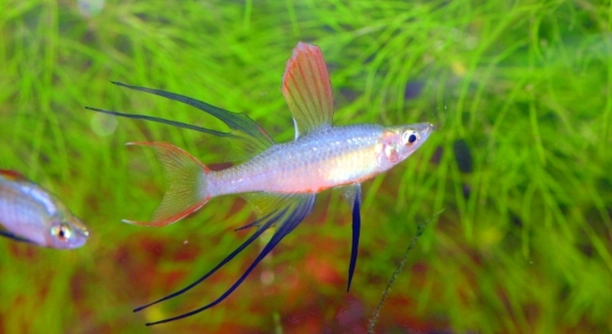
Threadfins are graceful fish often admired for their shimmering bodies and flowing fins. Many aquarium owners notice that these fish tend to linger in a single corner of the tank. Their behavior can seem puzzling at first glance.
Threadfins may stay in one tank corner due to environmental comfort, social behavior, or stress factors. These fish prefer stable water conditions, suitable hiding spaces, and minimal disturbances. Corner areas often provide security, making them a preferred resting and observation zone.
Observing these patterns can help aquarists create a more suitable habitat and improve overall fish wellbeing. Understanding their habits ensures a harmonious tank environment for everyone.
Environmental Comfort and Hiding Spots
Threadfins often choose corners because these areas provide a sense of security. In my tank, I noticed that they spend hours near rocks or plants, staying close to hiding spots. Corners are naturally sheltered, making them ideal for resting. These fish are sensitive to sudden movements and prefer calm spaces. A well-decorated tank with soft lighting encourages them to explore more while still feeling safe. Over time, I observed that adding gentle water flow in open areas sometimes encourages them to move but rarely for long periods. Threadfins also rely on stable water parameters. Corners often maintain slightly calmer conditions, with less current or temperature fluctuation. This stability reduces stress and supports their natural behavior. In my experience, observing which spots they favor helps me adjust tank layout to make the environment comfortable while respecting their tendencies to seek quiet, enclosed areas for peace and observation.
These hiding spots not only reduce stress but also help them feel confident in their surroundings.
Corners also offer natural vantage points. From these positions, threadfins can monitor other tank mates and food availability while remaining mostly undisturbed. It is a strategic behavior that balances safety and activity.
Social Behavior and Interaction
Threadfins are social fish, yet they maintain personal space within a tank.
They often gather near corners when they feel secure and want to observe others. In my tank, I noticed that during feeding, a few threadfins move away from the corner to get food while the majority stay back. They form loose groups, relying on corners as safe meeting points. Territorial behavior is subtle, and corners provide a neutral zone for coexistence. Threadfins also use corners to reduce conflict with more aggressive or faster fish. In some cases, juveniles prefer corners for stability while adults patrol more open areas. Providing multiple hiding spaces and corner shelters helps reduce stress and allows all fish to feel comfortable. Adjusting tank decorations, plants, or rock placement can influence movement patterns and encourage exploration without forcing them out of their preferred spots. Observing social behavior carefully makes it easier to maintain harmony and minimize stress in a mixed community tank. Proper water quality and feeding routines also play a role in supporting these patterns.
Stress and Sensory Sensitivity
Threadfins are easily affected by sudden movements or loud vibrations. Corners provide a stable environment where they feel less exposed to external stressors.
In my tank, I noticed that during maintenance or when new objects were added, threadfins would retreat to corners and remain still for hours. This behavior shows their preference for safe, predictable spaces. They are sensitive to water turbulence and light changes, which can increase stress levels. Providing corners with plants or rock formations helps them feel sheltered while maintaining visibility of the tank. Minimizing sudden disturbances allows them to regain confidence and explore more freely over time. Observing their reactions helps me identify potential stress triggers and adjust their environment accordingly. Corners act as a calming zone where they can recover from brief stress events without isolation.
When water parameters fluctuate, corners can remain slightly more stable. Threadfins use these areas as temporary refuge to maintain balance and avoid unnecessary energy expenditure.
Feeding and Observation Patterns
Threadfins often feed near corners, moving out gradually when comfortable. This allows them to stay safe while accessing food.
In my experience, they usually wait until other fish have eaten before venturing from the corner to forage. This cautious approach reduces confrontation with more aggressive tank mates. Corners also serve as observation points, allowing threadfins to monitor the surroundings and detect potential threats. Over time, I noticed that providing multiple feeding spots near corners encourages participation without forcing them into exposed areas. Threadfins adapt their behavior based on tank layout, social dynamics, and food availability. Adjusting feeding routines and tank decorations can influence movement while respecting their natural tendencies. Maintaining calm water flow and consistent light patterns further supports this balance, ensuring that threadfins can eat comfortably and remain confident in their environment.
By respecting these patterns, I can create a peaceful tank where threadfins thrive and remain active without constant stress or fear.
Tank Layout and Corner Preference
Corners naturally create calm zones with minimal water movement. Threadfins often prefer these areas because they feel secure and less exposed.
In my tank, rearranging decorations sometimes changes which corner they favor. They choose spots where they can observe without feeling threatened, balancing comfort with awareness of the surroundings.
Light and Shadow Influence
Threadfins respond strongly to light intensity. Bright areas can make them seek shaded corners for relief and protection.
Soft lighting or partial shade near decorations encourages them to remain active while still feeling safe. Corners with indirect light reduce stress and provide a comfortable environment for resting or watching the tank quietly.
Consistency in Routine
Threadfins adapt well to predictable schedules and tank conditions.
Regular feeding times and stable water parameters help maintain confidence in their environment. They return to favorite corners knowing these spots remain safe and familiar, allowing them to explore gradually without fear.
FAQ
Why do threadfins stay in one corner most of the time?
Threadfins prefer corners because these areas provide stability, shelter, and a sense of safety. Corners tend to have less water movement and create natural hiding spots. In my tank, I noticed that they spend hours observing from corners, especially after maintenance or when new fish are added. Corners give them a vantage point to monitor the environment while feeling secure.
Are threadfins stressed if they rarely leave the corner?
Not necessarily. Remaining in one corner often reflects their comfort level and natural behavior. They may be avoiding high-traffic areas or other active fish. In my experience, as long as they eat well, swim occasionally, and appear healthy, this behavior is normal. Stress signs include clamped fins, rapid gill movement, or sudden hiding in unusual spots.
Can tank decorations influence their corner preference?
Yes, decorations play a significant role. Rocks, plants, and shaded areas create natural shelters. I observed that adding a small rock formation in another corner encouraged occasional exploration. Multiple hiding spots reduce competition and allow threadfins to choose areas that feel safest while still being able to interact with the tank environment.
Does water flow affect corner behavior?
Absolutely. Threadfins prefer gentle currents, and corners often have calmer water. In my tank, they avoided areas with strong flow and stayed where movement was minimal. Adjusting pumps or filter outlets to reduce turbulence can help them feel comfortable while encouraging gradual exploration. Corners act as resting areas in these conditions.
Will they move more if the tank is larger?
Larger tanks can encourage more movement, but corners will still remain favorite spots. Threadfins seek stable, secure zones regardless of tank size. I found that adding more hiding spots in different locations slightly increased activity but did not eliminate their tendency to linger in corners.
Do lighting conditions impact their location choice?
Yes, threadfins respond to light intensity. Bright overhead lights often drive them to shaded corners. In my tank, I used partially shaded areas with indirect lighting to keep them visible while reducing stress. This approach balances safety and observation.
Should I be concerned if only one corner is used?
Not always. It can indicate the most comfortable spot in the tank. I noticed that once water conditions, feeding routine, and social dynamics are stable, threadfins sometimes explore other areas. They rely on familiar corners to regain confidence after disruptions or changes.
How does feeding routine affect their movement?
Threadfins are cautious during feeding. In my experience, they often wait until other fish finish before venturing out. Feeding near corners encourages them to participate without exposing them to stress. Regular schedules build trust and confidence in their environment, allowing gradual exploration.
Do other fish influence their corner preference?
Yes. Aggressive or fast-moving fish can push threadfins toward corners for safety. I observed that in mixed tanks, corners act as neutral zones where threadfins can avoid conflict while still observing the environment. Proper tank design helps reduce tension and supports peaceful coexistence.
Can corners be modified to encourage exploration?
Yes, careful adjustment helps. I moved decorations and added small plants or rocks to create secondary resting spots. Gradual changes encourage activity without forcing threadfins out of their preferred areas. Observing behavior after each modification ensures the environment remains comfortable and stress-free.
Is staying in one corner a sign of illness?
Not immediately. Illness can cause unusual hiding, but threadfins naturally favor corners. Look for other symptoms such as loss of appetite, discoloration, or unusual swimming. In my experience, consistent behavior combined with healthy feeding usually indicates normal behavior rather than sickness.
Do corners help during water changes?
Yes, corners act as safe zones during disturbances. Threadfins retreat here when water changes create temporary activity or noise. They remain calm, using familiar spaces to reduce stress while the environment is adjusted. Over time, they resume normal swimming patterns once stability returns.
How can I balance safety and activity?
Provide multiple corners with slight variations, gentle water flow, and partial shade. In my tank, this approach encouraged threadfins to explore gradually while maintaining secure spots. Observing preferences ensures adjustments support natural behavior rather than forcing movement.
Are corners important for breeding behavior?
Yes, corners offer sheltered, stable spaces for courtship and spawning. In my experience, providing safe corners with adequate cover increases the likelihood of natural reproductive behavior. Threadfins feel secure enough to engage in subtle interactions without exposure to stress.
Can environmental enrichment reduce corner dependence?
It helps moderately. Adding varied structures, floating plants, and visual barriers encourages movement. However, corners remain favorite resting areas. In my tank, enrichment increased short-term exploration, but threadfins returned to preferred corners for calm observation. Balancing enrichment with secure spots supports wellbeing without forcing change.
Do corners matter for young threadfins differently than adults?
Yes, juveniles rely more on corners for stability and learning to navigate the tank. Adults may patrol open areas but still use corners for rest. In my tank, creating multiple small shelters allowed young threadfins to gain confidence while maintaining safety, gradually integrating into the larger space.
How do seasonal changes affect their corner behavior?
Slight shifts in temperature or lighting influence comfort. In my experience, during warmer periods, they sometimes seek cooler shaded corners. Adjusting tank lighting and maintaining stable water conditions ensures that corners remain comfortable without limiting movement or causing stress.
Does diet affect their corner activity?
Indirectly. Well-fed threadfins are more likely to explore, while hungry or stressed fish may stay hidden. In my tank, maintaining consistent feeding routines near corners helped them feel secure while gradually encouraging movement. Balanced nutrition supports confidence and overall activity levels.
How long do they typically stay in one corner during the day?
It varies. Threadfins may spend several hours resting in corners, especially during inactive periods. In my tank, mornings often see more activity, while afternoons involve longer periods of corner resting. This pattern aligns with natural behavior, balancing safety, observation, and feeding cycles.
Are corners preferred over central open areas?
Yes, corners consistently provide safety and comfort. Even with multiple hiding spots, threadfins often return to a favored corner. In my experience, these areas allow them to observe and rest without stress, making corners integral to their daily routine and overall wellbeing.
Final Thoughts
Threadfins are fascinating fish with behaviors that reflect their natural instincts and comfort preferences. Observing my own tank, I noticed how they consistently choose corners as resting and observation spots. These areas offer stability, reduced water movement, and protection from potential stressors. By understanding that their corner preference is often a normal behavior rather than a problem, I have been able to provide an environment that meets their needs without unnecessary interference. Corners allow threadfins to maintain a sense of control over their surroundings, which supports both their physical health and overall wellbeing. Over time, I learned to recognize the subtle ways they communicate comfort or stress through their position in the tank. Their corner habits often indicate their confidence level, and small adjustments in tank layout, water flow, or lighting can encourage more balanced movement without forcing them out of their preferred areas. Respecting these natural behaviors creates a more harmonious aquarium for all fish.
Providing multiple hiding spots and carefully arranged decorations has been key to supporting threadfins’ corner preference while still encouraging occasional exploration. Rocks, plants, and shaded areas serve as both physical shelter and visual comfort. In my tank, adding new hiding spots in different corners allowed threadfins to experiment with different resting points, which helped reduce any single-corner dependency. At the same time, maintaining gentle water flow and stable water parameters ensures that corners remain safe and comfortable spaces. Feeding routines also influence their behavior, as consistent timing and location help threadfins feel secure enough to leave the corner temporarily for food. By observing their interactions with other fish, I was able to identify which corners offered a neutral zone for coexistence and which areas were influenced by territorial behavior. This balance between security and opportunity for exploration is essential to creating a supportive environment. Over time, even minor environmental changes can help threadfins feel confident enough to explore while still maintaining their sense of safety in corners.
Ultimately, corners are an essential part of a threadfin’s habitat, providing safety, comfort, and a base for observation. Their preference for these areas should not be viewed as inactivity or stubbornness but rather as a reflection of their natural instincts. In my experience, respecting their choice while offering varied environmental enrichment creates a more dynamic and stress-free tank. Threadfins thrive when their surroundings are predictable yet stimulating enough to encourage movement without compromising safety. Monitoring water quality, adjusting lighting, and observing social interactions all play a role in supporting their wellbeing. I have found that creating a tank with multiple secure corners, gentle currents, and consistent feeding routines allows threadfins to feel comfortable and confident. Over time, this approach encourages them to interact with the tank environment, explore new areas at their own pace, and maintain healthy activity levels. Understanding these behaviors and providing thoughtful care ensures that threadfins remain happy, healthy, and active, making their corner habits a natural and beneficial part of their daily life.

Hello,
If you enjoy the content that we create, please consider saying a "Thank You!" by leaving a tip.
Every little bit helps us continue crafting quality advice that supports the health, happiness, and well-being of pets around the world, for pets of all shapes, sizes, and species.
We really appreciate the kindness and support that you show us!