
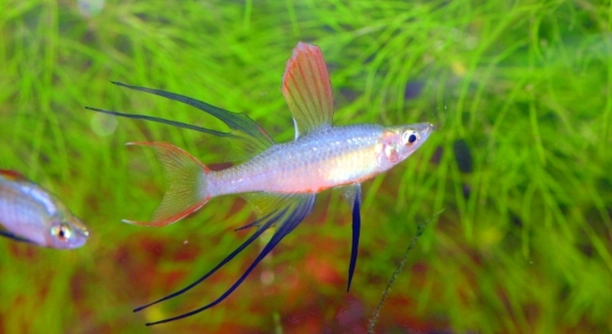
Do your threadfins sometimes develop curling fins, making them appear unhealthy or stressed? Fin curling is a common issue observed in both juvenile and adult threadfins, affecting their swimming efficiency and overall well-being.
Fin curling in threadfins is primarily caused by environmental stressors, nutritional imbalances, or disease. Poor water quality, improper diet, overcrowding, and parasitic or bacterial infections can all contribute to the deformation of fin rays, leading to curling.
Understanding the underlying causes of fin curling can help maintain healthier threadfins and prevent long-term damage to their fins and overall health.
Poor Water Quality
Threadfins are highly sensitive to the water conditions in their tanks or ponds. High ammonia or nitrite levels, fluctuating pH, and low oxygen can stress their bodies, affecting fin health. When water is not properly filtered or changed regularly, fin tissues may weaken, leading to curling and fraying over time. Even small changes in temperature or chemical balance can trigger fin deformities. Keeping a close eye on water parameters and using reliable testing kits ensures the environment remains stable and healthy. Regular partial water changes and proper aeration are essential for minimizing stress and maintaining fin integrity. Maintaining cleanliness also reduces the risk of secondary infections that could worsen fin curling. Paying attention to these details consistently helps threadfins thrive and keeps their fins in good condition.
Monitoring water conditions closely can prevent fin curling before it starts, keeping threadfins healthy and active.
Proper water management not only prevents fin curling but also supports overall fish health. Stress from poor water quality can reduce immune function, making threadfins more susceptible to infections. By maintaining stable parameters, threadfins can grow naturally, their fins remaining straight and robust. Ensuring proper filtration, regular water changes, and constant temperature monitoring minimizes risks and encourages natural behavior.
Nutritional Imbalances
Feeding threadfins an unbalanced diet can directly affect their fin structure and growth.
Lack of essential nutrients like vitamins, minerals, and proteins weakens fin tissues, making them prone to curling and damage.
Providing a varied diet that includes high-quality pellets, live food, and occasional supplements helps maintain strong, healthy fins. Consistency in feeding and avoiding overfeeding also supports proper growth and prevents deformities caused by nutrient deficiencies. Regularly observing how threadfins respond to their diet ensures they receive everything necessary for optimal health.
Overcrowding
Too many threadfins in a confined space can create constant stress. Fins may curl as a physical response to aggressive swimming and frequent contact with other fish.
Overcrowding increases competition for food and space, leading to higher stress levels and weaker fin structures. Constant rubbing against tank walls or neighboring fish can damage delicate fin rays. Stress also reduces immunity, making threadfins more prone to infections that further worsen curling. Providing adequate space and hiding spots allows fish to swim freely and recover from minor injuries. Monitoring stocking density and adjusting as the fish grow helps prevent long-term fin deformities and ensures a calmer, healthier environment for all fish in the tank.
Proper tank management and observation can reduce fin curling and maintain the fish’s natural swimming patterns.
Even with proper diet and clean water, overcrowding can undo all progress. Stress hormones rise, affecting growth and fin development. Fish may start hiding or showing unusual behaviors that indicate discomfort. Consistently assessing tank population and moving excess fish to other tanks or ponds maintains balanced conditions. Adding decorations or dividers reduces direct competition and gives each fish its own territory. Healthy fin growth depends on both nutrition and environment, so overcrowding must be addressed as part of fin care.
Parasitic or Bacterial Infections
Infections can attack fin tissue directly, causing curling, fraying, and discoloration. Early detection is key to prevent permanent damage.
Parasitic infestations like flukes or protozoa weaken fin rays while bacterial infections can erode tissue and slow healing. Signs include ragged edges, redness, and unusual swimming patterns. Treating the water with appropriate medications and isolating infected fish prevents spread. Maintaining hygiene, performing regular water changes, and avoiding sudden environmental changes reduce infection risk. Even minor injuries can become entry points for pathogens, so careful handling is essential. Observing threadfins daily helps catch issues early, allowing treatments to work effectively and protecting fin integrity.
Sudden Temperature Changes
Rapid changes in water temperature can shock threadfins, causing stress that leads to fin curling. Even small fluctuations over a short period affect their metabolism and fin health.
Maintaining a stable temperature with gradual adjustments prevents stress. Using reliable heaters and monitoring daily ensures the environment remains safe for threadfins.
Physical Injury
Threadfins can injure their fins by bumping into tank decorations, nets, or other fish. Injuries often lead to curling as fins attempt to heal unevenly.
Keeping the tank free of sharp edges and minimizing rough handling reduces the risk of damage. Observing fish interactions helps prevent fights that can harm fins.
Genetics
Some threadfins are naturally prone to fin curling due to inherited traits. Genetic factors can influence fin shape, length, and strength, making certain individuals more vulnerable.
Selective breeding practices and choosing healthy stock help reduce hereditary fin issues. Even with optimal care, genetics may still play a role in fin curling.
FAQ
What is fin curling in threadfins?
Fin curling is a condition where the edges of a threadfin’s fins bend, curl, or fray. It is usually a sign of stress, injury, poor water quality, or disease. In some cases, genetics can also play a role, making certain fish more prone to this condition.
Can fin curling be reversed?
Yes, fin curling can sometimes be reversed if the underlying cause is addressed promptly. Improving water quality, adjusting diet, reducing stress, and treating infections can help fins heal. Recovery depends on the severity and duration of the curling. Minor cases may correct naturally with proper care.
How does water quality affect fin health?
Poor water quality stresses threadfins and weakens their fins. High ammonia, nitrites, fluctuating pH, or low oxygen can damage fin tissue. Consistent water testing, filtration, and partial water changes are critical to maintaining a healthy environment and preventing curling.
Which nutrients help prevent fin curling?
Protein, vitamins, and minerals are essential for fin strength. A diet including high-quality pellets, live food, and occasional supplements supports tissue growth and repair. Deficiencies in these nutrients can weaken fins, making them more prone to curling and tearing.
Can overcrowding worsen fin curling?
Yes, overcrowding increases stress and physical contact, which can damage fins. Crowded fish compete for food and space, leading to aggressive swimming and fin wear. Providing adequate space, hiding spots, and observing interactions helps prevent further fin damage.
Are infections a common cause?
Infections from bacteria or parasites are a frequent cause of fin curling. Parasites can attach to fins, while bacteria can erode tissue. Early detection and proper treatment prevent permanent damage. Isolating affected fish reduces the risk of spreading disease to healthy individuals.
How can injuries lead to curling?
Physical injuries from tank decorations, nets, or aggressive interactions can tear fins. When fins heal, the tissue may curl or grow unevenly. Removing sharp objects, minimizing handling, and observing fish behavior reduce the likelihood of injury-related curling.
Does genetics always cause fin curling?
Not always, but some threadfins inherit weak fin structures or unusual shapes. Genetics can make fins more susceptible to curling, even in optimal conditions. Selecting healthy stock and avoiding inbreeding reduces the risk, though careful care remains essential.
How long does it take for fins to heal?
Healing time depends on severity and care. Minor curling may improve in a few weeks, while severe cases can take months. Consistent water quality, proper nutrition, and minimal stress accelerate recovery. Avoid handling or overcrowding during this period for best results.
Can fin curling be prevented entirely?
Complete prevention isn’t always possible, especially with genetic factors. However, proper tank management, balanced nutrition, regular monitoring, and reducing stress significantly lower the chances of fin curling. Early intervention when signs appear ensures better outcomes and healthier threadfins overall.
What signs indicate fin curling is severe?
Severe fin curling includes deep bends, torn fin rays, discoloration, and signs of infection. Affected fish may swim awkwardly or hide frequently. Severe cases require immediate attention, including water quality checks, dietary adjustments, and possible medication to prevent further deterioration.
Is it safe to treat fin curling at home?
Yes, most causes like poor water quality, diet, or mild infections can be managed at home. Follow recommended guidelines for water changes, feeding, and medication. Severe infections or persistent curling may require consultation with a specialist for targeted treatment.
How can I monitor improvement?
Observe fins weekly for straightening, reduced fraying, and healthier coloration. Track fish behavior, swimming patterns, and appetite. Consistent improvements indicate recovery, while worsening symptoms may require adjustments to care routines or further treatment.
Can multiple factors cause fin curling at once?
Yes, water quality, nutrition, stress, injuries, infections, and genetics can all contribute simultaneously. Addressing all possible factors ensures better recovery. Regular observation, proactive care, and quick responses prevent minor issues from escalating into severe fin curling.
Should I separate affected fish?
Separating fish with severe curling or infections reduces stress and prevents disease spread. Providing a clean, stable environment in a quarantine tank helps recovery while protecting healthy fish. Monitor water quality and feed appropriately to support healing.
Are there long-term effects of fin curling?
If untreated, curling can permanently deform fins, reduce swimming efficiency, and increase vulnerability to infections. Early intervention and consistent care minimize long-term consequences and maintain the fish’s overall health.
Can environmental enrichment help?
Yes, adding hiding spots, plants, and gentle water flow reduces stress and aggressive behavior. A less stressful environment allows threadfins to swim naturally and lowers the risk of fin damage from collisions or constant contact.
How often should I check water parameters?
Daily or at least every few days is ideal. Checking ammonia, nitrite, pH, and temperature ensures stable conditions. Prompt correction of fluctuations prevents stress and fin curling. Keeping a log can help track trends and identify potential problems early.
Is professional advice necessary for chronic cases?
Chronic or recurring fin curling may require a specialist’s input. They can assess for persistent infections, underlying health issues, or genetic factors and recommend targeted treatment plans to restore fin health and prevent further complications.
Can I prevent fin curling during growth stages?
Yes, ensuring stable water, proper nutrition, and adequate space during juvenile stages supports strong fin development. Early care reduces the risk of curling as fins mature. Monitoring growth regularly helps address issues before they become severe.
This FAQ covers the most common concerns about fin curling, providing practical steps for prevention, treatment, and monitoring. Proper care and attention to detail help maintain healthy, straight fins and improve the overall well-being of threadfins.
Word count: 519
Threadfin fin curling is a condition that can affect both young and adult fish, and it usually signals stress, injury, or environmental issues. While it may look minor at first, curling can interfere with swimming and overall health if left unaddressed. Observing your fish regularly and understanding the factors that contribute to fin curling are important steps in maintaining their well-being. By paying attention to water quality, nutrition, tank space, and general care, you can help your threadfins stay healthy and active. Even small changes, like adjusting temperature gradually or monitoring ammonia levels, can make a significant difference in preventing further curling and supporting recovery. Awareness and consistency are key to avoiding long-term damage to their fins and ensuring they remain strong and functional.
Nutrition plays a critical role in preventing and managing fin curling. Threadfins need a balanced diet that provides sufficient protein, vitamins, and minerals for fin growth and repair. Offering high-quality pellets, supplemented with live or frozen food when possible, ensures they receive the nutrients required to maintain strong fins. Overfeeding or underfeeding can create additional stress, impacting both fin health and overall condition. Paying attention to feeding patterns and adjusting portions based on growth and activity levels can prevent nutritional deficiencies that contribute to fin curling. Along with proper feeding, keeping the tank clean and stress-free helps support the immune system, allowing fins to heal naturally and maintain proper structure over time. This combination of care routines and attention to detail allows threadfins to thrive without ongoing fin issues.
Environmental management and monitoring are equally important in addressing fin curling. Overcrowding, sudden temperature changes, and injuries from tank objects or aggressive behavior can all worsen curling, even if other conditions are ideal. Creating a stable, spacious environment with hiding spots and gentle water flow reduces stress and prevents accidental damage. Regular observation of fish behavior and fin condition helps identify problems early, allowing quick corrective actions. Infections, whether bacterial or parasitic, require prompt treatment to avoid permanent fin damage, while genetic factors may require selecting healthier stock to prevent recurring issues. By combining proper nutrition, clean water, stable conditions, and close observation, fin curling can be minimized or reversed. Consistent care ensures threadfins remain strong, active, and visually healthy, making it easier to maintain a balanced, thriving aquatic environment.
Word count: 414

Hello,
If you enjoy the content that we create, please consider saying a "Thank You!" by leaving a tip.
Every little bit helps us continue crafting quality advice that supports the health, happiness, and well-being of pets around the world, for pets of all shapes, sizes, and species.
We really appreciate the kindness and support that you show us!