
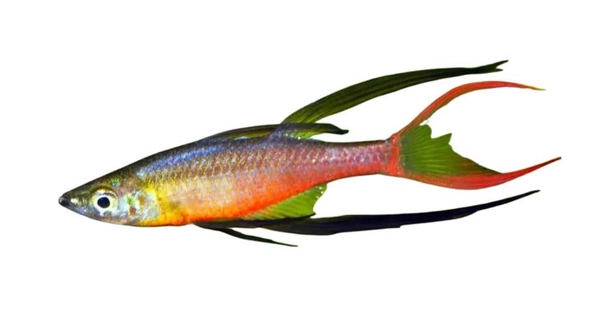
Threadfins are small, elegant fish that often capture the attention of aquarium enthusiasts. Observing their daily habits can be rewarding, yet sometimes puzzling, especially when they choose unusual spots to rest near aquarium equipment.
Threadfins often rest near the heater guard because it provides a stable and warmer microenvironment within the tank. The consistent temperature helps regulate their metabolism, reduces stress, and creates a sense of security in an otherwise open swimming space.
Learning more about these behaviors will help you maintain a healthier and more comfortable environment for your threadfins. Proper tank management ensures both their safety and overall well-being.
Understanding Threadfins’ Preference for Heater Guards
Threadfins are sensitive to temperature changes, and areas near the heater guard provide a steady warmth that they find comforting. Unlike other spots in the tank, this zone minimizes abrupt shifts in temperature, helping their bodies maintain proper metabolic function. Many aquarists notice that threadfins often linger near the heater guard during colder periods or when the water circulation creates cooler zones elsewhere. The structure of the heater guard itself also provides a sense of shelter, giving the fish a semi-protected area where they can rest without feeling fully exposed. Additionally, this resting behavior may reduce stress by allowing them to conserve energy in a controlled environment. Over time, threadfins learn that these areas are safe and comfortable, reinforcing the habit. Observing them in this position can give insights into their health and comfort level. Maintaining a stable tank temperature and monitoring their resting spots ensures that the fish remain active and healthy.
Consistent warmth near the heater guard keeps threadfins relaxed and reduces erratic swimming caused by sudden temperature shifts.
By understanding this behavior, you can adjust your tank setup to support natural resting patterns. Providing areas with mild heat and gentle water flow encourages healthy habits. Monitoring their positioning can also help detect early signs of illness, as changes in resting locations sometimes indicate stress or discomfort. A well-considered arrangement around the heater guard ensures threadfins remain comfortable while maintaining overall tank harmony. This approach helps create a more predictable and stable environment, benefiting all tank inhabitants. Ensuring the heater guard is safe, clean, and unobstructed reduces risks of injury and allows threadfins to rest as they naturally prefer. Observing these subtle behaviors over time gives valuable insight into their needs, making it easier to manage tank conditions effectively. By balancing warmth, safety, and accessibility, threadfins can enjoy optimal comfort, promoting their health, energy levels, and overall well-being. Adjustments in lighting, flow, and tank layout complement the heater guard’s benefits. A carefully maintained environment helps threadfins thrive, making the aquarium a calmer and healthier space.
Ensuring Safety Around Heater Guards
Keeping the area around the heater guard free from sharp objects prevents injuries to resting threadfins.
Threadfins often nuzzle close to the heater guard, so it is essential to maintain cleanliness and proper placement. Guards should be inspected regularly to ensure they are securely attached and not leaking heat into unintended areas. Removing loose gravel or decorations near the heater prevents accidental scrapes, which can cause stress or infection. Additionally, the guard’s surface should be smooth, avoiding rough edges that could harm delicate fins. Observing how threadfins interact with the heater can reveal preferences and potential hazards. Adjusting flow around the heater guard may also help distribute warmth more evenly, keeping the fish comfortable without overexposure. Providing ample space around the guard ensures that threadfins can enter and exit safely while still enjoying the warmth. With careful attention, the heater guard becomes a beneficial resting area rather than a risk, promoting a secure environment for these sensitive fish. Regular monitoring and minor adjustments can enhance safety and maintain consistent comfort.
Optimizing Tank Temperature for Threadfins
Maintaining a stable tank temperature reduces stress and promotes natural resting behaviors. Threadfins respond well to gradual changes rather than sudden spikes or drops, which can cause erratic swimming and discomfort in the long term.
Using a reliable heater with a thermostat ensures the water remains consistent. Placing a thermometer at multiple points in the tank helps monitor temperature variations, especially near the surface and the bottom. Threadfins prefer warmer zones near the heater guard, but extreme heat can harm them. Adjusting water circulation can evenly distribute warmth while preserving their favored resting spots. Small, incremental changes are safer than large adjustments, which could disrupt feeding and activity patterns. Consistent monitoring and minor tweaks allow threadfins to settle comfortably while reducing stress.
Temperature control also impacts oxygen levels and metabolism. Warmer water encourages digestion and activity but must remain within safe limits. By keeping the heater in a steady range, threadfins can thrive naturally, maintaining energy and overall health. Proper maintenance ensures long-term comfort and reduces the risk of illness related to fluctuating water conditions.
Observing Behavioral Patterns
Watching how threadfins interact with the heater guard reveals insights into comfort and stress levels. Their resting positions often indicate areas of preferred warmth.
Threadfins may cluster near the guard during cooler periods or rest individually at the edges. Tracking these patterns helps identify environmental stressors and potential issues in tank layout. Sudden changes in behavior, like avoiding the heater guard, could signal illness, poor water quality, or improper temperature distribution. Behavioral observation is crucial for proactive care, allowing for adjustments before problems escalate. Regular note-taking on swimming, resting, and feeding habits provides valuable data.
Adjusting tank conditions based on observed patterns ensures that threadfins remain relaxed and healthy. For example, rearranging decorations to improve water flow or slightly modifying heater settings can enhance comfort. Observation also helps recognize social dynamics, as some fish may dominate preferred resting spots. By combining careful monitoring with environmental adjustments, threadfins are more likely to exhibit natural behaviors, maintain energy, and enjoy long-term well-being in their habitat. This approach promotes a safer, more predictable, and responsive environment for all tank inhabitants.
Providing Hiding Spots Near the Heater Guard
Threadfins feel safer when they have shelter near warmer areas. Small decorations or smooth rocks placed around the heater guard create cozy resting spots without blocking heat circulation.
Adding gentle hiding spaces reduces stress and encourages natural behavior. Fish can rest comfortably while still accessing warmth from the heater guard.
Monitoring Water Flow
Water movement near the heater guard affects threadfins’ comfort. Too strong a current can push them away, while too little may create stagnant areas. Adjusting flow helps maintain a balanced environment.
Feeding Near the Heater Guard
Threadfins often feed in warmer zones, especially near the heater guard. Maintaining easy access to food in these areas ensures they remain healthy and energetic while minimizing stress from competing currents or colder spots.
Cleaning and Maintenance
Regular cleaning around the heater guard prevents algae buildup and debris accumulation. A clean area supports fish health and allows threadfins to enjoy their preferred resting spots safely.
FAQ
Why do threadfins prefer the heater guard over other areas of the tank?
Threadfins are sensitive to temperature and feel most comfortable in stable, warmer zones. The heater guard provides consistent warmth and a sense of security. It also creates a sheltered area where they can rest without being fully exposed, which reduces stress and conserves energy.
Is it safe for threadfins to rest directly against the heater guard?
Most modern heater guards are designed to prevent direct contact with hot surfaces. Threadfins can safely rest nearby as long as the guard is properly installed and free of sharp edges. Regular inspection ensures no parts are loose or damaged, minimizing the risk of injury.
How can I make the area around the heater guard more comfortable?
Adding smooth rocks, small decorations, or gentle hiding spots near the guard provides additional comfort. These additions allow threadfins to rest partially hidden while still enjoying the warmth. Ensure decorations do not obstruct heat circulation or block water flow.
Will resting near the heater guard affect my threadfins’ health?
Resting near a warm, stable area generally supports their well-being. Properly maintained temperature encourages metabolism and digestion, reduces stress, and promotes normal activity. Problems only arise if the heater malfunctions, the water overheats, or the surrounding area becomes crowded or unsafe.
How often should I clean around the heater guard?
Cleaning around the heater guard once every one to two weeks is sufficient in most cases. Remove debris, algae, and loose substrate to prevent buildup. This keeps the area safe and maintains water quality while allowing threadfins to use the space comfortably.
Can threadfins become too dependent on the heater guard?
Threadfins may prefer this area but still explore the tank. Providing varied temperature zones and safe resting spots encourages natural movement and reduces over-reliance on one location. Balance warmth with proper flow and other sheltered areas for a healthier environment.
How do I know if my threadfins are stressed around the heater guard?
Signs of stress include hiding excessively, avoiding the heater guard, or showing irregular swimming patterns. Changes in appetite or sudden lethargy may also indicate discomfort. Observing behavior regularly allows for early detection and adjustment of tank conditions.
Does water flow near the heater guard matter?
Yes. Too strong a current can push threadfins away, while stagnant water can reduce oxygen levels. Adjusting flow ensures warmth is distributed evenly without causing stress. Gentle circulation near the guard maintains comfort and supports overall tank health.
Can other fish disturb threadfins near the heater guard?
Yes, dominant or aggressive tankmates can compete for preferred resting spots. Providing multiple safe areas and hiding spaces reduces conflict and allows threadfins to rest without interruption. Observation helps identify conflicts and informs rearrangement of decorations or shelters.
Should I monitor temperature near the heater guard separately?
Monitoring temperature at several points, including near the heater guard, ensures consistency. Small variations can affect threadfins’ comfort and behavior. Using a thermometer and adjusting heater settings as needed helps maintain a stable, safe environment for the fish.
How do I safely introduce decorations near the heater guard?
Choose smooth, non-toxic materials that won’t scratch fins. Place them without blocking the heater or altering water flow significantly. Gradual introduction allows threadfins to adapt while maintaining access to warmth and comfort.
What if threadfins stop resting near the heater guard?
This may indicate a change in tank conditions, illness, or stress. Check temperature, water quality, and equipment function. Observe for behavioral or health changes and make adjustments to restore comfort. Consistency and monitoring are key to maintaining natural resting habits.
Can lighting affect their preference for the heater guard?
Yes. Bright or direct light may discourage resting in exposed areas. Adjusting lighting or providing shaded zones near the heater guard encourages natural behavior and reduces stress while preserving warmth.
How do I balance feeding with their resting habits near the heater guard?
Place food near, but not directly on, the heater guard to ensure accessibility without crowding. Monitor feeding times and portions, allowing threadfins to eat comfortably while maintaining resting spaces. This supports energy levels and overall well-being.
Are there risks if the heater guard fails?
A malfunctioning heater can overheat or leave cold spots, both of which stress threadfins. Regular checks, maintenance, and using a reliable thermostat reduce risk. Having alternative resting zones ensures fish have safe options in case of equipment issues.
How can I observe their behavior effectively?
Spend time quietly watching patterns of swimming, resting, and feeding. Take notes on preferred spots, interactions, and any changes over time. Observation allows proactive adjustments to tank layout, temperature, and flow, keeping threadfins comfortable and healthy.
Do threadfins rest differently in larger tanks?
In larger tanks, they may spread out more and use multiple warm zones. Providing several safe resting areas near gentle heat sources supports natural movement while maintaining comfort, reducing stress, and encouraging exploration throughout the tank.
What is the ideal temperature range near the heater guard?
A stable range appropriate for threadfins’ species promotes comfort and activity. Avoid extreme highs or lows, and maintain consistent monitoring. Balanced warmth supports metabolism, reduces stress, and encourages normal feeding and swimming behavior.
How often should I check for behavioral changes?
Daily brief observations are sufficient for most aquariums. Pay attention to resting spots, swimming patterns, and feeding habits. Early detection of changes helps address potential issues before they escalate, keeping threadfins healthy and comfortable.
Can small adjustments improve their use of the heater guard?
Yes. Slight changes in decorations, water flow, or lighting can encourage threadfins to rest safely and comfortably. Observing responses to these adjustments helps fine-tune the tank environment for optimal warmth, shelter, and accessibility.
How important is consistency in tank conditions?
Consistency in temperature, flow, and cleanliness is crucial. Threadfins rely on predictable environments to reduce stress and maintain healthy behavior. Sudden changes can disrupt resting habits and overall well-being, so gradual adjustments are always preferable.
Are there signs of illness related to heater guard use?
Avoidance of the area, lethargy, fin damage, or irregular swimming may indicate stress or illness. Monitoring resting behavior helps detect early signs, allowing intervention through water quality checks, temperature adjustments, or veterinary care.
Can I combine multiple heat sources safely?
Multiple sources can work if carefully monitored to avoid hot spots. Maintain balance and ensure adequate hiding spaces. This helps threadfins have options for warmth while minimizing risks from overheating or temperature fluctuations.
Does diet affect their preference for resting near warmth?
Yes. Well-fed threadfins may rest more comfortably, while underfed or stressed fish might show erratic behavior. Proper nutrition supports energy, growth, and natural resting habits near preferred warm areas.
How can I prevent overcrowding near the heater guard?
Provide multiple resting zones and hiding spots to reduce competition. Observing fish interactions and adjusting layout ensures peaceful coexistence, giving threadfins safe access to warmth and comfort without stress.
What long-term benefits come from supporting heater guard resting behavior?
Consistent warmth, safe resting areas, and proper tank management promote healthy metabolism, reduce stress, and encourage natural behaviors. Threadfins exhibit better energy, improved feeding, and overall well-being when their preferred environment is maintained carefully.
How do I balance water flow, temperature, and hiding spaces effectively?
Adjust heaters, filters, and decorations to maintain warmth, gentle circulation, and shelter. Observing behavior allows fine-tuning. Balancing these factors ensures threadfins remain comfortable, safe, and active, supporting long-term health and natural behavior.
What equipment upgrades improve heater guard areas?
Smooth, safe guards, adjustable heaters, and reliable thermometers enhance safety and comfort. Additional decorations and flow regulators help maintain optimal conditions, supporting threadfins’ natural habits while reducing stress.
How do seasonal changes affect heater guard use?
Colder periods increase their preference for warmer areas, while summer may reduce reliance. Monitoring behavior and adjusting heaters ensures consistent comfort regardless of seasonal fluctuations.
Can I combine monitoring technology for better observation?
Yes. Using thermometers, flow meters, and timers provides precise data. This helps maintain steady conditions, track behavioral patterns, and quickly address potential problems, keeping threadfins comfortable and healthy.
What is the best way to introduce new fish near the heater guard?
Acclimate them slowly, providing safe, heated zones with hiding spots. Observing interactions prevents stress and ensures all fish have access to warmth and resting areas. Gradual introduction supports peaceful coexistence and natural behavior patterns.
How do I maintain hygiene without disturbing resting threadfins?
Clean the heater guard area gently and during times when fish are less active. Removing debris and algae regularly keeps the space safe without stressing the fish or disrupting their preferred resting spots.
How important is regular observation for long-term health?
Consistent monitoring allows early detection of stress, illness, or behavioral changes. Observing resting patterns, feeding habits, and interactions ensures that threadfins remain comfortable, healthy, and active in their tank environment.
Can small environmental tweaks significantly improve their comfort?
Yes. Minor adjustments to flow, temperature, or decorations near the heater guard can greatly enhance resting comfort. Observing responses ensures changes are beneficial, promoting natural behavior and overall well-being for threadfins.
What should I do if threadfins avoid the heater guard entirely?
Check water quality, temperature, and tank layout. Illness, stress, or equipment issues may cause avoidance. Correcting environmental problems and providing alternative warm, safe zones encourages them to resume natural resting behavior.
How do I balance multiple fish using the heater guard area?
Provide additional hiding spots and monitor interactions to reduce competition. Ensuring enough space and warmth allows all fish to rest safely, promoting a calm and stress-free tank environment.
How can lighting adjustments complement heater guard use?
Shaded areas or softer lighting near the guard encourage resting while still providing warmth. Adjusting lighting reduces stress and supports natural behavior, helping threadfins enjoy their preferred zones comfortably.
How often should equipment checks be done?
Weekly inspection of heaters, guards, and decorations ensures safety and consistent conditions. Early detection of wear, damage, or temperature fluctuations prevents accidents and keeps threadfins comfortable in their resting areas.
Can temperature gradients in the tank benefit threadfins?
Yes. Providing zones of slightly varying warmth allows fish to choose their comfort level. Gradients near the heater guard support natural thermoregulation, energy conservation, and overall well-being.
Do social behaviors affect heater guard use?
Yes. Dominant fish may claim preferred spots, influencing where others rest. Observing social interactions and providing multiple warm zones prevents stress and ensures fair access to comfort.
What role does tank size play in resting habits?
Larger tanks offer more options for resting and hiding, while smaller tanks may require careful placement of heaters and shelters. Adequate space ensures threadfins can access warmth comfortably without overcrowding.
How important is gradual change when adjusting heater settings?
Sudden changes can stress threadfins and disrupt resting habits. Gradual adjustments allow them to adapt safely while maintaining natural behavior and overall health.
What signs indicate the heater guard is functioning properly?
Stable temperature readings, consistent water flow, and threadfins’ comfort near the guard indicate proper operation. Any sudden avoidance or erratic behavior may signal malfunction or uneven heating.
How can I enhance long-term comfort around the heater guard?
Regular monitoring, safe decorations, gentle flow, and consistent temperature maintenance support prolonged comfort. Observing behavior and making minor adjustments ensures threadfins remain relaxed, healthy, and stress-free.
Are there risks in overcrowding the heater guard area?
Yes. Too many fish competing for space can lead to stress, fin damage, or territorial behavior. Providing multiple resting zones prevents conflicts and ensures all fish have access to warmth safely.
How do I encourage natural resting patterns without intervention?
Maintain consistent temperature, gentle water flow, clean areas, and safe hiding spots. Observing behavior allows subtle adjustments without forcing changes, helping threadfins rest naturally near the heater guard while thriving in the tank environment.
How does proper diet support heater guard use?
Adequate nutrition increases energy and supports metabolism, allowing threadfins to rest comfortably. Well-fed fish are more likely to settle in preferred zones and exhibit natural behaviors without stress.
How often should I review their behavior patterns?
Weekly reviews are effective for tracking resting habits, social interactions, and responses to environmental changes. Adjusting conditions based on these observations maintains comfort and long-term health.
Can small adjustments in decorations improve flow and warmth?
Yes. Moving rocks or hiding spots slightly can enhance circulation, reduce stagnant zones, and preserve warmth near the heater guard. This subtle tuning improves comfort and encourages natural resting behavior.
How can I maintain consistent conditions during seasonal changes?
Regular monitoring of temperature, lighting, and flow ensures threadfins continue to enjoy warm resting spots. Minor adjustments accommodate seasonal fluctuations, maintaining comfort and stability.
What are signs that adjustments are working?
Threadfins resting calmly, swimming normally, and feeding well indicate successful changes. Reduced stress and consistent use of preferred zones demonstrate that environmental tweaks are effective.
How do I combine safety and comfort in heater guard areas?
Use smooth decorations, maintain proper flow, ensure temperature consistency, and monitor behavior. Balancing these factors provides warmth, shelter, and security while minimizing risks, promoting long-term well-being for threadfins.
Can observation reduce long-term health issues?
Yes. Regularly watching resting habits and environmental interactions allows early detection of stress, illness, or equipment issues. Timely adjustments keep threadfins comfortable, healthy, and thriving near their preferred heater guard zones.
What role does stress reduction play in heater guard use?
Reduced stress leads to healthier metabolism, better feeding, and natural resting behavior. Providing warmth, safe zones, and consistent conditions encourages threadfins to use the heater guard confidently and comfortably.
How can I optimize heater guard placement for multiple fish?
Position the guard to allow access for several individuals, provide nearby hiding spots, and maintain gentle flow. This ensures warmth, safety, and comfort for all tank inhabitants.
Does water quality impact their preference for heater guard areas?
Yes. Clean, well-filtered water keeps threadfins healthy and encourages use of preferred warm zones. Poor water quality can discourage resting near the guard and increase stress.
Are there benefits to providing multiple warm spots?
Yes. Offering several mildly heated areas allows fish to choose comfort levels, reduces overcrowding, and encourages natural behavior. This supports energy balance, stress reduction, and overall health.
How can I encourage shy threadfins to use the heater guard?
Provide gentle flow, hiding spots, and calm surroundings. Gradual introduction and observation help timid fish feel safe while enjoying warmth, fostering confidence and natural resting behavior.
Does feeding schedule influence heater guard use?
Yes. Consistent feeding near preferred warm zones encourages fish to associate comfort with safety and food access. Regular schedules support metabolism and natural resting patterns.
Final Thoughts
Threadfins naturally seek out comfort and warmth in their environment, and the heater guard often becomes their favorite spot. It provides consistent warmth, a sense of security, and a sheltered area to rest. Observing how they use this space can tell you a lot about their health and comfort. When threadfins settle near the heater guard regularly, it usually means the tank conditions are stable and supportive. Ensuring the heater guard is properly installed and free from sharp edges is essential to prevent accidents. Adding smooth decorations or gentle hiding spots around it can make the area even more inviting, giving threadfins a balance of safety and warmth.
Maintaining a stable environment is key for long-term well-being. Regular monitoring of water temperature, flow, and quality helps keep threadfins comfortable and reduces stress. Consistency matters more than constant intervention. Sudden changes in temperature, lighting, or tank layout can disrupt natural behavior, so any adjustments should be gradual. Observing their behavior is just as important as maintaining equipment. Look for patterns in resting, swimming, and feeding to understand what works best for your fish. Proper nutrition also plays a role, as well-fed threadfins are more likely to exhibit calm, natural behavior near their preferred warm areas.
Providing multiple options in the tank can reduce stress and support natural habits. While the heater guard is a favorite, offering other gentle warm zones or hiding spots prevents overcrowding and gives fish choices. Balancing water flow, decorations, and temperature ensures every area is accessible and safe. Over time, small adjustments in placement or tank setup can have a noticeable impact on comfort. Prioritizing these details encourages natural behavior, helps maintain energy levels, and reduces risk of illness. Paying attention to threadfins’ preferences and responding thoughtfully supports their long-term health and creates a calmer, more balanced aquarium environment overall.
Word count: 405

Hello,
If you enjoy the content that we create, please consider saying a "Thank You!" by leaving a tip.
Every little bit helps us continue crafting quality advice that supports the health, happiness, and well-being of pets around the world, for pets of all shapes, sizes, and species.
We really appreciate the kindness and support that you show us!