
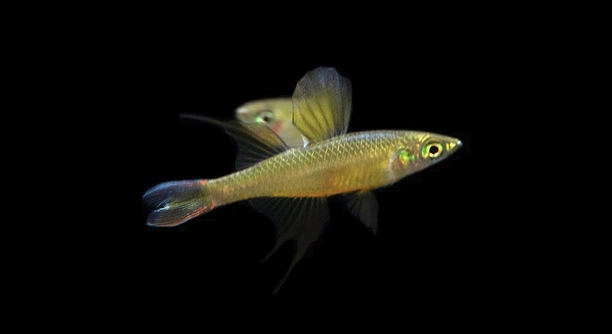
Threadfin fish are active swimmers that enjoy exploring their environment. Providing the right tank decorations can create stimulating spaces, helping these fish move around naturally and feel secure while interacting with their surroundings.
Incorporating varied tank decorations, such as floating plants, driftwood, and open swimming areas, encourages natural threadfin activity. Proper arrangement ensures sufficient swimming space, hiding spots, and environmental enrichment, which collectively support physical exercise, mental stimulation, and healthy behavioral patterns.
These simple adjustments can make a noticeable difference in your fish’s daily life and overall well-being. Exploring different decor options can be both enjoyable and rewarding.
Floating Plants
Floating plants are a simple way to make your tank feel lively. They provide shade, reduce stress for threadfin, and offer small hiding spaces. These plants move with water currents, encouraging fish to swim and explore. Threadfin enjoy weaving through leaves and darting beneath them, which helps keep them active. Using floating plants also balances light in the tank and reduces algae growth. Choose plants like water lettuce or duckweed, which are easy to maintain. Make sure they don’t overcrowd the surface, leaving enough open water for swimming. Regular trimming keeps the plants healthy and the tank clean. Floating plants create natural textures, helping threadfin feel secure. Their gentle movement can mimic rivers or streams, which these fish enjoy. By adding floating plants, you can combine beauty, function, and fish activity in one decoration choice. Over time, you may notice your threadfin becoming more confident and playful, exploring corners they previously avoided.
Floating plants not only improve appearance but actively stimulate swimming and exploration for threadfin. Their gentle movement encourages natural behavior patterns.
Maintaining floating plants requires monitoring growth and trimming excess leaves. Make sure they receive adequate light without blocking too much water surface. Regular removal of decaying leaves prevents water quality issues. Combining floating plants with open swimming areas allows threadfin to interact with both shaded and bright regions, balancing security and activity. These plants also help absorb nutrients, reducing algae growth, and creating a cleaner tank environment. Placement should consider accessibility for feeding and tank maintenance. Observing your fish using these spaces can provide insight into their comfort and activity levels. Floating plants can also complement other decorations, such as driftwood or rocks, creating layered spaces for exploration. Their natural aesthetic improves both the fish environment and the visual appeal of the aquarium. Threadfin thrive in this balanced habitat, which supports exercise, reduces stress, and encourages healthy interactions.
Driftwood and Rock Hiding Spots
Driftwood and rocks give threadfin places to hide and explore. They create natural boundaries and encourage fish to swim through and around them.
Using driftwood and rocks in the tank can significantly boost threadfin activity. Placing these items strategically creates tunnels, caves, and shaded areas. Threadfin feel more secure when they can hide or navigate around objects. Varied textures stimulate their senses, and moving around obstacles promotes exercise and agility. Smooth rocks prevent injuries, and driftwood can provide surfaces for biofilm growth, which some fish may nibble. Avoid overcrowding to ensure open swimming spaces remain. Combining multiple hiding spots with open areas creates a balance between security and movement. Changing the arrangement occasionally keeps the environment stimulating and prevents boredom. Threadfin are curious fish, and these structures encourage exploration and natural behavior. Over time, you may observe increased interaction, darting, and schooling behavior around these features. Properly maintained driftwood and rocks enhance both the physical and mental health of your fish while keeping your tank visually interesting.
Open Swimming Spaces
Threadfin need open areas to swim freely. Leaving enough room between decorations ensures they can move naturally and exercise regularly.
Providing wide, unobstructed swimming spaces allows threadfin to perform natural schooling and darting behaviors. Open areas reduce stress and prevent injuries from collisions with decorations. Maintaining a balance between hiding spots and open water promotes both exploration and safety. Threadfin are active swimmers, so ample room encourages physical activity, supporting their overall health and muscle development. Strategically placing decorations along tank edges or in corners keeps central areas clear for movement. Open swimming zones also make feeding easier and help maintain social hierarchy among fish. Overcrowding the tank can lead to aggression and restrict natural behaviors, so spacing is crucial. Observing how your threadfin use open areas can guide future decoration choices.
Open swimming spaces complement other features, like plants or rocks, creating a dynamic environment. Threadfin move confidently, exploring and interacting with both open zones and structured areas, boosting their physical and mental stimulation.
Substrate Variety
Using different substrates stimulates threadfin activity and curiosity. Sand, fine gravel, or small pebbles encourage natural foraging and exploration behaviors.
Layering substrates of varying textures helps threadfin engage in digging, sifting, and searching behaviors. Soft sand is ideal for sensitive barbels, while small gravel provides tactile variation. Substrate variety also affects water chemistry, offering opportunities for beneficial bacteria growth. Mixing textures encourages movement across the tank, increasing overall activity and reducing boredom. Threadfin explore different areas based on substrate type, promoting diverse swimming patterns. It also provides natural resting areas, allowing fish to settle comfortably. When maintaining the tank, careful cleaning prevents debris accumulation while preserving substrate structure. Thoughtful substrate selection supports health, comfort, and mental stimulation for your fish.
Substrate variety works best when paired with plants or hiding spots. Threadfin naturally interact with their environment, moving between textures and structures, which encourages exploration, exercise, and curiosity throughout the tank.
Live Plants
Live plants improve water quality while giving threadfin places to explore. Their natural movement encourages swimming and gentle hiding.
Different plant types, like tall stems and low-growing varieties, create layers in the tank. Threadfin interact with leaves and stems, swimming through spaces, resting underneath, or exploring shaded areas. This interaction keeps them active and reduces stress. Live plants also absorb excess nutrients, preventing algae growth, and contribute to a balanced ecosystem. Regular trimming maintains plant health and ensures open swimming areas remain available. Combining live plants with decorations like driftwood or rocks enhances both visual appeal and fish activity. Over time, your threadfin will naturally explore these spaces, improving their overall well-being.
Water Flow Features
Adding gentle water currents encourages threadfin to swim more vigorously. Filters or small pumps can create these flows, stimulating activity and exercise.
LED Lighting
LED lights can mimic natural daylight patterns, helping threadfin maintain regular activity cycles. Gradual changes in brightness encourage movement without stress.
Feeding Stations
Designated feeding areas increase interaction and exploration. Threadfin learn to swim to these spots, promoting mental stimulation and daily activity.
FAQ
What is the best type of plant for threadfin tanks?
Threadfin thrive with a mix of floating and rooted plants. Floating plants like duckweed or water lettuce give shade and gentle movement, while rooted plants such as Java fern or Anubias provide structure and resting areas. A combination allows natural exploration and reduces stress.
How much open space should I leave in the tank?
Open swimming areas should make up roughly 50–60% of the tank’s bottom space. This ensures threadfin can swim freely, perform darting behaviors, and interact with other fish without feeling crowded. Keeping decorations along the edges helps maintain this balance.
Can threadfin use rocks and driftwood safely?
Yes, smooth rocks and untreated driftwood are safe. Arrange them to create tunnels, caves, or shaded areas without overcrowding. Avoid sharp edges that could injure the fish. Regularly inspect decorations to ensure stability and prevent shifting that may trap fish.
How does substrate affect threadfin activity?
Varied substrates, such as sand mixed with fine gravel, encourage natural foraging and digging behaviors. Threadfin feel more comfortable exploring areas with soft sand under their barbels, while textured gravel offers tactile stimulation. Cleaning and maintaining the substrate ensures it stays safe and healthy.
Do LED lights influence fish behavior?
Yes, LED lights that mimic natural daylight cycles can regulate activity. Gradually increasing and decreasing light encourages swimming and exploration while preventing stress. Avoid harsh or constant lighting, which may cause agitation or reduce normal activity patterns.
How often should I rearrange tank decorations?
Occasional rearrangement stimulates exploration and prevents boredom. Move plants, rocks, or driftwood carefully every few weeks. Maintain balance between hiding spots and open swimming areas to keep threadfin active while ensuring safety.
Is feeding location important for activity?
Feeding stations create predictable areas for swimming and interaction. Threadfin quickly learn where food appears, encouraging movement across the tank. Scatter feeding or sinking pellets can further stimulate natural foraging behaviors, keeping them engaged and active.
Can live plants affect water quality?
Yes, live plants absorb excess nutrients, reducing algae growth and improving water chemistry. Healthy plants contribute to oxygenation and provide shelter. Regular trimming and monitoring prevent overcrowding and ensure the tank remains visually appealing and safe for threadfin.
How do water currents benefit threadfin?
Gentle currents created by filters or pumps encourage swimming against the flow, which strengthens muscles and stimulates mental alertness. Threadfin enjoy varying flow zones, so provide areas of slower and faster movement without creating stressful turbulence.
Are hiding spots necessary for threadfin?
Absolutely. Hiding spots reduce stress and give fish a sense of security. Threadfin feel comfortable when they have caves, plants, or driftwood to retreat to. Combining hiding spots with open swimming areas promotes balanced activity and natural behavior patterns throughout the tank.
What is the ideal tank size for active threadfin?
A minimum of 30 gallons is recommended for small groups, with more space for larger numbers. Adequate tank size ensures room for open swimming, hiding spots, and decorations, all of which support healthy activity levels and social interactions.
How do I prevent decorations from harming threadfin?
Inspect every rock, driftwood, or plant for sharp edges before adding it to the tank. Secure items to prevent tipping, and regularly clean decorations to avoid harmful bacteria. Smooth textures and careful placement reduce the risk of injury and support safe exploration.
How often should I monitor fish activity?
Daily observation is best. Watch for changes in swimming patterns, hiding behavior, or interaction with tank features. Consistent monitoring helps identify potential health issues early and ensures your decorations continue to support activity and well-being.
Can I combine artificial and live plants?
Yes, combining both types works well. Artificial plants provide low-maintenance structure and decoration, while live plants improve water quality and encourage natural behaviors. Arrange them to maintain open swimming spaces and balance hiding areas for optimal activity.
What are signs my threadfin are not active enough?
Lethargy, hiding excessively, or avoiding swimming areas may indicate insufficient stimulation. Evaluate decorations, open spaces, and feeding practices. Adjusting tank layout or adding plants, rocks, or water currents can help encourage movement and natural behavior.
How often should I clean the tank with active decorations?
Partial water changes weekly or biweekly help maintain water quality without disturbing decorations. Gently clean substrate, plants, and rocks to remove debris while preserving the structures that support threadfin activity. Over-cleaning can stress fish and disrupt beneficial surfaces.
Can small schools of threadfin share the same decorations?
Yes, threadfin are social and benefit from group interactions. Arrange decorations to provide multiple hiding spots and open areas so all fish can explore comfortably. Observing how the school interacts helps determine if more space or features are needed.
Do seasonal changes affect activity levels?
Seasonal light and temperature variations can influence swimming and exploration. Maintaining consistent water temperature and simulating natural daylight cycles with LED lighting encourages steady activity throughout the year. Avoid sudden changes that may stress the fish.
Are tunnels and caves important for mental stimulation?
Yes, tunnels and caves provide exploration challenges, keeping threadfin curious and engaged. Fish navigate spaces, learning routes and practicing agility. This interaction reduces boredom, encourages natural behaviors, and strengthens social dynamics within the tank.
How do I choose decorations for both aesthetics and function?
Select decorations that provide visual appeal while supporting open swimming, hiding, and foraging. Combine smooth rocks, driftwood, and plants in layers, ensuring safety and adequate space. Balanced decoration improves both tank beauty and threadfin health, promoting consistent activity.
What should I avoid when decorating for threadfin?
Avoid sharp, unstable, or toxic materials. Overcrowding the tank restricts movement, while constant rearrangement can stress fish. Decorations should enhance exploration, exercise, and mental stimulation without creating hazards or excessive clutter.
Can changing decorations too often stress threadfin?
Yes, frequent changes can cause anxiety and reduce activity. Move items occasionally, allowing the fish to adapt to new arrangements while maintaining familiar hiding spots and open swimming spaces. Gradual adjustments are best for long-term well-being.
How do I know if my decorations encourage enough activity?
Observe how threadfin swim, explore, and interact with hiding spots. Active, curious behavior indicates decorations are effective. If fish remain inactive or avoid certain areas, adjust layout, add open spaces, or introduce new features to promote movement and engagement.
Is it necessary to provide both shade and light areas?
Yes, alternating shaded and well-lit zones supports comfort and natural behavior. Threadfin use shaded areas to rest and open areas to swim, forage, or socialize. Balanced lighting encourages exploration while reducing stress and maintaining regular activity levels.
How do I prevent algae growth on decorations?
Regular maintenance, including trimming live plants, cleaning rocks, and monitoring nutrient levels, helps control algae. Floating plants and varied substrates also absorb excess nutrients. Avoid overfeeding, as uneaten food can contribute to algae growth on decorations.
Can decorations affect social behavior in threadfin?
Yes, hiding spots and open spaces influence interactions. Adequate space reduces aggression, while tunnels and caves encourage schooling, chasing, and exploration. Observing fish dynamics helps determine if adjustments are needed to maintain a balanced and active environment.
Are some decorations better for juvenile versus adult threadfin?
Juveniles benefit from smaller, gentle hiding spaces and soft substrates, while adults need larger open areas and robust structures for exploration. Adjust decorations as fish grow to maintain activity, comfort, and safety throughout their development.
How can I enhance natural foraging behaviors with decorations?
Scatter food near plants, rocks, or substrate variations. Use sinking pellets or small treats in different areas to encourage movement, searching, and interaction with the environment. This method stimulates both physical activity and mental engagement.
Is it important to rotate plant types or decoration styles?
Occasional rotation introduces novelty, preventing boredom and promoting exploration. Keep core hiding spots consistent for security, while changing textures or plant arrangements slightly to maintain interest. This supports activity without creating stress or confusion for the fish.
What is the impact of too few decorations?
Sparse tanks may cause boredom, reduced activity, and stress. Threadfin need both open swimming areas and structured spaces for hiding and exploration. Adding a balanced mix of plants, rocks, and driftwood encourages natural behaviors and maintains mental stimulation.
How do I integrate feeding routines with tank decorations?
Place feeding stations near or around decorations to encourage movement. Combining floating and sinking food with varied substrates or plant areas stimulates natural foraging behavior. This keeps threadfin active and engaged while promoting healthy exercise.
Can decorations affect water circulation?
Yes, large or densely packed decorations can block flow, reducing oxygenation and altering currents. Ensure pumps and filters are unobstructed, creating gentle currents that stimulate swimming without causing stress or turbulence.
Are decorative caves better than plant coverage for hiding?
Both work well. Caves provide defined retreats, while dense plants offer flexible, natural hiding spots. Using a mix ensures threadfin have options for comfort, exploration, and mental stimulation, supporting overall activity and well-being.
How long should it take threadfin to adjust to new decorations?
Adjustment varies, but most fish adapt within a few days to a week. Observe swimming patterns, hiding behavior, and interaction with new features to ensure the layout supports natural activity and comfort.
Can decorations influence breeding behavior?
Yes, proper hiding spots, plants, and open spaces create secure environments that encourage courtship and spawning behaviors. Balanced decorations reduce stress and provide areas for egg-laying or territorial displays.
How do I balance aesthetics and fish activity?
Prioritize open swimming areas, varied hiding spots, and safe structures. Choose decorations that are visually appealing but functional, ensuring threadfin can explore, rest, and interact naturally. A well-planned tank supports both appearance and healthy activity levels.
Is it necessary to remove uneaten food from decorations?
Yes, leftover food can decay and affect water quality. Gently siphon debris around plants, rocks, and substrate during cleaning to maintain a safe, healthy, and stimulating environment for threadfin.
What are easy-to-maintain decoration choices for busy schedules?
Artificial plants, smooth rocks, and stable driftwood require minimal care. Combine these with a few hardy live plants for enrichment. This setup reduces maintenance while keeping threadfin active and providing a visually balanced tank.
How can I tell if decorations are too stressful?
Fish hiding excessively, avoiding open areas, or showing erratic behavior may indicate stress. Ensure adequate swimming space, accessible hiding spots, and gradual changes to maintain comfort and natural activity patterns.
Do threadfin prefer vertical or horizontal structures?
A mix of both is ideal. Vertical plants and driftwood encourage weaving and exploring, while horizontal spaces and open areas allow darting, schooling, and free swimming. Balanced structures promote diverse movement and healthy activity levels.
Can decorations help reduce aggression among threadfin?
Yes, providing multiple hiding spots and visual barriers reduces conflict. Open swimming areas combined with secure retreats allow fish to maintain personal space while interacting safely with tank mates.
How important is substrate depth for threadfin?
Depth matters for digging and foraging. A layer of soft sand or fine gravel allows threadfin to explore naturally without risk of injury. Varying substrate thickness across the tank creates stimulating zones for activity and exploration.
Can I use decorations to separate different activity zones?
Yes, group plants, rocks, or driftwood to create shaded, open, and foraging areas. These zones guide movement, encourage natural behaviors, and reduce stress by providing options for rest, play, and exploration.
Do decorations affect water temperature or circulation?
Large or dense decorations can slightly alter water flow or temperature distribution. Monitor pump placement and ensure water circulates evenly. Properly arranged features maintain consistent conditions for threadfin activity and overall health.
What are low-risk decorations for small tanks?
Smooth rocks, small pieces of driftwood, and low-maintenance live plants are safe. Avoid overcrowding to preserve swimming space, and ensure all items are stable and free of sharp edges to prevent injury.
How often should decorations be inspected for safety?
Check weekly for stability, sharp edges, or decaying plant matter. Regular inspection prevents accidents, maintains safe swimming paths, and ensures the tank environment continues to support threadfin activity.
Can decorations encourage social interaction in groups?
Yes, thoughtfully placed hiding spots, tunnels, and open areas promote schooling, chasing, and cooperative exploration. A balanced layout encourages both individual and group activity without causing stress or overcrowding.
Are there decorations that discourage activity?
Overcrowding, sharp-edged items, or overly dense arrangements can restrict swimming and cause stress. Minimal space or constant changes may reduce engagement. Choose safe, stable, and well-spaced features to promote natural behavior.
How do decorations impact long-term health?
Proper decorations encourage swimming, exploration, and mental stimulation, supporting muscle development, reducing stress, and promoting natural behaviors. A balanced environment contributes to overall well-being, longevity, and quality of life for threadfin.
Can I combine multiple types of hiding spots?
Yes, mixing caves, plants, and driftwood provides variety. Different options encourage exploration, reduce stress, and support diverse behaviors, keeping threadfin active, engaged, and comfortable throughout the tank.
Is plant density more important than quantity?
Yes, dense clusters create effective hiding spots and shade. Strategic placement of fewer plants can be better than overcrowding, as it balances shelter with open swimming areas for active exploration.
How do I prevent decorations from toppling or shifting?
Secure driftwood and rocks by placing heavier items at the bottom or using aquarium-safe adhesives. Avoid stacking unstable pieces. This ensures safety and maintains consistent pathways for exploration and activity.
Do decorations need to be cleaned frequently?
Yes, occasional cleaning prevents algae buildup and debris accumulation. Gently rinse or wipe surfaces without removing beneficial biofilms. This maintains a safe, stimulating, and visually appealing environment for threadfin.
Can decorations influence fish mood or stress levels?
Yes, safe hiding spots, shaded areas, and open swimming spaces reduce stress. Balanced layouts support natural behaviors, which improves overall mood, encourages exploration, and enhances activity in threadfin.
What is the best combination of decorations for activity?
A mix of floating and rooted plants, driftwood, smooth rocks, open swimming areas, and varied substrate offers stimulation, hiding spots, and exploration opportunities. This combination supports both physical exercise and mental engagement for threadfin.
How do I adjust decorations for new fish additions?
Introduce new fish gradually and monitor interactions. Maintain familiar hiding spots while allowing room for movement. Adjust decoration placement to reduce stress, prevent conflict, and encourage activity among all fish.
Are there seasonal adjustments for decorations?
Minor seasonal changes, like adjusting LED light duration or replacing decaying plants, help maintain stimulation. Avoid sudden rearrangements, and ensure consistent water temperature and flow for year-round activity and comfort.
Can decorations support breeding behavior?
Yes, caves, plants, and open areas provide secure spots for spawning. Balanced layouts reduce stress and encourage natural reproductive behaviors, supporting healthy fish populations within the tank.
Do decorations need to be removed for tank maintenance?
Not completely. Clean around and under decorations to preserve structure and fish comfort. Remove only items that need significant cleaning or inspection, keeping most in place to maintain activity zones.
How do I know if my decorations are effective?
Observe threadfin interacting with plants, rocks, and open areas. Active swimming, exploring, and regular use of hiding spots indicate decorations are meeting physical and mental stimulation needs.
Can too many decorations reduce activity?
Yes, overcrowding limits swimming space and may increase stress. Ensure a balance of hiding spots, open areas, and varied substrates to maintain active, healthy fish behavior throughout the tank.
Are certain plant placements better for encouraging activity?
Placing tall plants along the edges and shorter plants in the middle allows open swimming lanes and exploration zones. Layered placement encourages darting, weaving, and interaction, promoting consistent movement.
How do I combine functional and decorative features?
Use plants, driftwood, and rocks for both beauty and purpose. Ensure each item contributes to hiding, swimming, or foraging while enhancing visual appeal. Balanced layouts stimulate activity and maintain a pleasant tank appearance.
What are signs my decorations are not engaging enough?
Fish avoiding areas, reduced swimming, or constant hiding suggest a need for rearrangement or new features. Introduce varied textures, open zones, and interactive elements to encourage exploration and activity.
How do decorations interact with feeding routines?
Decorations create zones where fish search and forage. Place food near plants, rocks, or substrate variations to stimulate natural hunting behaviors, exercise, and engagement, keeping threadfin active during mealtimes.
Can decorations help reduce aggression in mixed species tanks?
Yes, hiding spots, visual barriers, and open swimming areas reduce territorial disputes. Proper spacing allows coexistence, encourages natural behaviors, and maintains healthy activity levels for all fish.
How do I choose decorations for long-term activity support?
Select safe, stable, and varied decorations that balance open spaces, hiding areas, and tactile elements. Prioritize materials that encourage swimming, exploration, and natural behaviors, ensuring lasting stimulation and well-being for threadfin.
Can decorations be too stimulating?
Excessive or constantly changing decorations may overwhelm threadfin, leading to stress or hiding behavior. Gradual adjustments and balanced layouts maintain engagement without causing anxiety.
Do decorations affect water chemistry?
Live plants and driftwood can influence pH and nutrient levels. Monitor water parameters regularly to ensure stability, adjusting features if necessary to maintain a healthy, active environment.
Is it better to have more hiding spots or open spaces?
Balance is key. Adequate hiding spots reduce stress, while open areas promote swimming and exploration. Both are essential for maintaining activity, comfort, and natural behavior patterns in threadfin.
How often should I rotate decorations to maintain interest?
Rotate or rearrange sparingly, every few weeks or months. Gradual changes stimulate curiosity and exploration without causing stress or confusion.
Can artificial decorations be as effective as live plants?
Artificial decorations provide structure, hiding spots, and visual interest. While they don’t improve water quality like live plants, they still encourage swimming, exploration, and mental stimulation when thoughtfully arranged.
Are caves or tunnels more important for juvenile fish?
Juveniles benefit from smaller, gentle hiding spaces for safety and comfort. Caves and tunnels tailored to their size encourage exploration, reduce stress, and promote natural swimming and foraging behaviors.
How do I maintain a balance between aesthetics and function?
Prioritize open swimming lanes, accessible hiding spots, and safe textures. Arrange plants, rocks, and driftwood to create visual appeal without restricting movement, ensuring threadfin remain active and healthy.
What is the most common mistake when decorating for threadfin?
Overcrowding the tank with decorations is the most frequent error. It limits swimming space, increases stress, and reduces natural activity. Proper spacing and balanced features are essential for a stimulating and safe environment.
Threadfin are naturally active fish that benefit greatly from a thoughtfully decorated tank. Their environment plays a crucial role in encouraging swimming, exploration, and social interactions. By incorporating a mix of floating and rooted plants, smooth rocks, driftwood, and varied substrates, you create an environment that mirrors natural conditions. These features not only provide hiding spots and resting areas but also stimulate movement, reduce stress, and encourage healthy behaviors. Open swimming spaces remain just as important, giving threadfin room to dart, school, and engage in natural exercises. Maintaining a balance between shelter and open areas is essential for their overall well-being and mental stimulation.
Attention to detail when arranging decorations can make a noticeable difference in threadfin activity. Smooth rocks and driftwood should be placed to form caves or tunnels without overcrowding, while plants should be positioned to create both shade and visual interest. Varying substrate textures encourages natural foraging behaviors, keeping fish engaged with their environment. Even minor adjustments, such as introducing gentle water flow or designated feeding areas, can enhance activity levels and encourage natural movement patterns. Careful observation of the fish as they interact with their surroundings helps determine whether changes are needed, ensuring that the tank continues to support healthy behavior and active engagement over time.
Consistency and ongoing maintenance are key to keeping a threadfin tank both functional and enjoyable to observe. Regular trimming of plants, cleaning of substrates, and checking the stability of decorations ensures a safe, healthy environment. While decorations can be rearranged occasionally to maintain curiosity, gradual changes are best to prevent stress. Thoughtful lighting, gentle water currents, and balanced feeding routines complement the tank setup, supporting both physical and mental activity. By providing a well-considered combination of open swimming areas, hiding spots, and stimulating features, threadfin will remain active, healthy, and comfortable, making the aquarium a dynamic and engaging space for both the fish and the caretaker.

Hello,
If you enjoy the content that we create, please consider saying a "Thank You!" by leaving a tip.
Every little bit helps us continue crafting quality advice that supports the health, happiness, and well-being of pets around the world, for pets of all shapes, sizes, and species.
We really appreciate the kindness and support that you show us!