
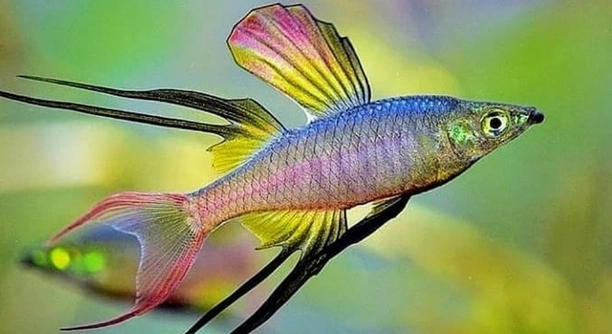
Threadfin Rainbowfish are small, colorful freshwater fish that brighten home aquariums. Many hobbyists enjoy their lively behavior and shimmering scales, but their social habits and swimming patterns make them unique compared to other common aquarium species.
Threadfin Rainbowfish may avoid filter bubbles due to their natural preference for unobstructed swimming paths and stable water conditions. Continuous contact with bubbles can stress these fish, interfere with their schooling behavior, and disrupt their ability to navigate efficiently.
Understanding how these fish interact with their environment can improve their care and enhance the overall harmony of your aquarium setup.
Understanding Filter Bubbles in Aquariums
Filter bubbles are created when water is pushed through an aquarium filter. They help circulate oxygen and maintain water clarity, but excessive bubbles can affect sensitive fish. Threadfin Rainbowfish are active swimmers and prefer calm currents, making strong bubble activity uncomfortable for them. These bubbles can push the fish off course or interrupt their natural schooling patterns. Over time, this stress may lead to reduced activity or hiding behavior. Aquarists often notice the fish avoiding areas where bubbles collect, preferring smooth water surfaces. Positioning filters to reduce turbulence while maintaining water flow can balance oxygenation and comfort. Providing plants or decorations near bubble zones can give the fish refuge and reduce stress. Observing how your Rainbowfish respond to bubbles allows you to fine-tune filter settings for their well-being. Consistent monitoring ensures the aquarium environment supports both oxygen needs and the fish’s natural behaviors.
Adjusting filter flow helps Rainbowfish maintain their natural swimming habits and reduces stress, creating a more comfortable environment.
Small changes in filter placement and bubble management can significantly improve how Rainbowfish interact with their tank.
Creating a Comfortable Environment
Providing areas with gentle water flow allows Rainbowfish to swim freely without obstruction.
Plants, rocks, and decorations can break strong currents and diffuse bubbles, giving fish safe zones. Creating vertical and horizontal spaces allows the fish to school naturally while avoiding excessive turbulence. Choosing filters with adjustable flow settings helps maintain oxygen levels without overwhelming the fish. Observing their behavior during feeding and swimming times indicates whether the setup is comfortable. If the fish congregate in calmer areas or avoid high-bubble zones, adjustments are necessary. Maintaining consistent water conditions also reduces stress, as Threadfin Rainbowfish are sensitive to sudden changes. Regular maintenance, such as cleaning filters and checking flow output, ensures bubbles remain minimal and dispersed. Over time, a well-thought-out layout supports the fish’s natural activity patterns and enhances their coloration. By carefully managing these environmental factors, you can provide a balanced and healthy tank for your Rainbowfish.
Adjusting Filter Settings
Threadfin Rainbowfish respond best to gentle water flow. Reducing filter speed can minimize strong currents and excessive bubbles, allowing them to swim naturally and comfortably.
Many filters offer adjustable flow settings or diffusers. By lowering the speed, the water movement becomes calmer, preventing Rainbowfish from being pushed around or stressed. Positioning the filter outlet toward a tank corner or behind plants can further reduce direct turbulence. Observing the fish after adjustments ensures they remain active and display normal schooling behavior. Gradual changes are key, as sudden drops in flow can affect water oxygenation. Balancing bubble reduction with proper filtration keeps the tank safe and healthy for all inhabitants.
Consistent monitoring of behavior after modifying filter settings helps maintain an optimal environment. Adjustments should be made slowly to prevent sudden stress.
Tank Layout and Decoration
Strategic placement of plants and décor creates calm areas that diffuse water movement. This allows Rainbowfish to navigate freely without encountering strong currents.
Tall plants, rocks, or driftwood can act as barriers, breaking up bubbles and redirecting flow. Open swimming spaces should still be available so schooling behavior is not restricted. Choosing decorations that do not trap debris ensures water quality remains high. Positioning ornaments near filter outlets gives the fish refuge while still allowing adequate circulation. Regularly checking how the Rainbowfish interact with these spaces informs future adjustments. Over time, an environment that balances open swimming areas with protective zones supports both comfort and activity levels, enhancing the fish’s natural colors and behaviors.
Monitoring Water Quality
Regular water testing helps keep Rainbowfish healthy. Stable pH, ammonia, nitrite, and nitrate levels reduce stress and prevent the fish from avoiding certain areas.
Frequent partial water changes maintain clarity and oxygenation. Cleaner water also ensures that filter bubbles do not carry debris, which could bother the fish.
Observing Fish Behavior
Watching how Threadfin Rainbowfish move and interact reveals their comfort level. Avoidance of bubble-heavy zones signals the need for adjustments. Maintaining open swimming paths while providing calm areas supports their natural schooling patterns.
Using Bubble Diffusers
Bubble diffusers can create gentle oxygenation without disturbing the fish. Placing them strategically prevents strong currents while still maintaining water movement and aeration.
Maintaining Consistent Temperature
Stable water temperature is crucial. Sudden fluctuations can stress Rainbowfish, making them more likely to avoid areas with bubbles or stronger currents.
FAQ
Why do Threadfin Rainbowfish avoid filter bubbles?
Threadfin Rainbowfish prefer calm water and unobstructed swimming paths. Strong bubbles or turbulent water can push them off course, interrupt schooling behavior, or cause stress. By observing how they move around the tank, you can see which areas they avoid, helping adjust filters or decorations to improve comfort.
How can I reduce bubble stress in my aquarium?
Adjusting the filter flow is the simplest way to reduce bubble stress. Using a lower speed, redirecting the outlet, or adding a diffuser can soften water movement. Adding plants or rocks near high-bubble zones gives the fish places to rest and avoid direct turbulence, creating a more comfortable environment.
Can filter bubbles harm my Rainbowfish long-term?
Excessive or strong bubbles can lead to stress, reduced activity, and hiding behavior. Over time, constant stress may weaken the fish’s immune system and make them more susceptible to disease. Maintaining a balanced flow and providing calm areas prevents long-term health issues.
Do all Rainbowfish react the same way to bubbles?
Not all Rainbowfish respond identically. Threadfin Rainbowfish are particularly sensitive due to their schooling behavior and swimming style. Other species may tolerate stronger currents or bubbles without stress. Observing each fish species and individual behavior is important for proper aquarium management.
Will adding plants help reduce bubble problems?
Yes. Tall or bushy plants break up water movement and reduce the direct impact of bubbles. They also provide refuge for the fish and allow them to maintain natural schooling patterns without constant interruption from turbulence.
Should I move my filter if my fish avoid bubbles?
Relocating the filter outlet can help reduce stress. Placing it in a corner or behind decorations redirects bubbles and currents, while still maintaining oxygenation. Small adjustments often make a noticeable difference in Rainbowfish behavior.
How do I know if my fish are stressed by bubbles?
Signs include hiding in tank corners, avoiding areas near the filter, erratic swimming, or reduced activity. Healthy, comfortable Rainbowfish swim freely, interact socially, and maintain bright coloration. Regular observation is the key to identifying stress early.
Are bubble diffusers safer than standard filters?
Bubble diffusers create gentle oxygenation and reduce strong water currents. When used carefully, they maintain oxygen levels without overwhelming the fish. Strategic placement ensures bubbles provide benefits without disturbing swimming patterns or causing stress.
Does tank size affect bubble avoidance?
Yes. Smaller tanks concentrate bubbles and currents, making them more noticeable to the fish. Larger tanks allow more swimming space and natural dispersion of bubbles, giving Threadfin Rainbowfish areas to avoid high-turbulence zones while still moving freely.
How often should I monitor my Rainbowfish?
Daily observation is ideal. Watching behavior, swimming patterns, and interaction with bubbles helps detect stress early. Adjusting filter flow, decorations, or diffuser placement based on these observations ensures the fish remain comfortable and active.
Can changing water flow gradually help?
Yes. Sudden changes in filter speed or output can stress the fish. Gradually reducing flow or introducing diffusers allows Rainbowfish to adapt naturally, maintaining comfort and normal swimming behavior without sudden disruption.
Is there a way to keep bubbles without stressing the fish?
Strategic placement of diffusers, lowering filter speed, and creating calm zones with plants or décor allows the tank to remain oxygenated while keeping Rainbowfish comfortable. Combining these methods balances water quality with fish well-being.
Do younger Rainbowfish react differently to bubbles?
Juveniles may be more sensitive to strong currents because they are smaller and less experienced swimmers. Providing gentle flow and safe zones is especially important for young Rainbowfish to encourage normal schooling behavior and growth.
How do I maintain water quality while reducing bubbles?
Regular water changes, careful filter maintenance, and moderate flow adjustments maintain clarity and oxygenation. Using diffusers or positioning plants can reduce direct bubble impact without compromising water quality, ensuring a healthy and stress-free environment for Rainbowfish.
Can other fish help reduce bubble stress?
Tank mates do not directly reduce bubble stress, but calm, non-aggressive species can create a more stable environment. Avoiding fin-nipping or aggressive species prevents additional stress that could be amplified by turbulent water or strong bubbles.
How long does it take for Rainbowfish to adjust to new filter settings?
Adjustment varies by individual. Some fish adapt within a few hours, while others take days to feel comfortable. Observing schooling behavior, swimming patterns, and resting habits helps track their adaptation to changes in water flow or bubble presence.
What is the safest filter setup for Threadfin Rainbowfish?
A filter with adjustable flow, a gentle outlet, and optional diffusers works best. Positioning the outlet to avoid direct turbulence and providing plants or decorations for calm zones creates an environment where Rainbowfish can swim naturally and maintain healthy behavior.
How can I combine aesthetics with bubble management?
Using natural decorations like rocks, driftwood, and tall plants diffuses bubbles while maintaining a visually appealing tank. Arranging open swimming areas alongside protected zones balances aesthetics, water flow, and Rainbowfish comfort effectively.
Do temperature and bubbles interact in affecting stress?
Yes. Sudden temperature changes combined with strong currents or bubbles increase stress levels. Maintaining consistent water temperature along with calm water flow ensures Rainbowfish remain healthy and avoid unnecessary strain.
Can I use multiple filters without stressing the fish?
Yes, if flow is distributed evenly and outlets are positioned to avoid strong currents in central swimming areas. Multiple filters can maintain water quality while minimizing turbulence, creating a comfortable environment for schooling Rainbowfish.
How important is regular observation compared to equipment adjustments?
Observation is equally, if not more, important. Equipment adjustments without noticing fish behavior may still leave them stressed. Daily monitoring ensures changes are effective and that Rainbowfish interact comfortably with their environment.
Can lighting affect bubble avoidance behavior?
Indirectly. Bright lighting can stress Rainbowfish, causing them to hide near plants or décor. Combined with strong bubbles, this can intensify avoidance behavior. Using soft, natural lighting alongside gentle water flow supports natural activity patterns.
Are there any signs of permanent stress from bubbles?
Persistent hiding, faded coloration, and reduced schooling behavior may indicate chronic stress. Addressing water flow, bubble intensity, and tank layout promptly helps prevent long-term health impacts and restores natural behavior.
What is the overall best approach to manage bubbles?
A combination of gentle filter flow, strategic diffuser placement, calm zones with plants or décor, and careful observation ensures Threadfin Rainbowfish remain active, healthy, and comfortable in the aquarium. Consistency and gradual adjustments are key to maintaining a stress-free environment.
Final Thoughts
Threadfin Rainbowfish are active and colorful freshwater fish that require specific care to thrive in home aquariums. One factor often overlooked is how they react to filter bubbles. These fish naturally prefer calm, open water where they can swim freely and maintain their schooling behavior. Strong currents or excessive bubbles can push them off course, disrupt their movement, and create stress. Observing how they interact with different parts of the tank helps determine which areas are comfortable and which need adjustments. By paying attention to their behavior, you can create an environment that allows them to display their natural activity and vibrant colors without unnecessary disruption. Small changes, such as repositioning a filter or adding plants, can make a noticeable difference in their comfort.
Maintaining a balanced aquarium setup involves combining proper filtration, water flow management, and thoughtful decoration placement. Adjustable filters are particularly useful because they allow you to reduce water movement while keeping the tank oxygenated. Bubble diffusers or filter outlets can be directed to minimize strong currents, and decorations like rocks, driftwood, and plants can create calm areas for the fish. These adjustments help Threadfin Rainbowfish avoid stressful zones while still enjoying open swimming space. Regular water testing and maintenance also contribute to a stable environment, ensuring that water quality remains high without compromising comfort. Gradual changes are important; sudden shifts in water flow, temperature, or tank layout can stress the fish and reduce their natural activity. Observing their behavior before and after adjustments ensures that the aquarium is meeting their needs effectively.
Caring for Threadfin Rainbowfish requires patience, observation, and a focus on their natural preferences. Each fish may respond differently to filter bubbles, so monitoring behavior is essential to understanding what works best for your specific tank setup. By balancing oxygenation, water movement, and environmental features, you can reduce stress and encourage healthy schooling behavior. Thoughtful placement of filters, diffusers, and decorations ensures that the fish can navigate comfortably while still enjoying adequate water circulation. Over time, these careful adjustments lead to a more harmonious aquarium where the Rainbowfish thrive, display their natural colors, and maintain their activity levels. Consistent observation, small improvements, and attention to their needs create a healthy environment that supports their long-term well-being and enjoyment in the aquarium.

Hello,
If you enjoy the content that we create, please consider saying a "Thank You!" by leaving a tip.
Every little bit helps us continue crafting quality advice that supports the health, happiness, and well-being of pets around the world, for pets of all shapes, sizes, and species.
We really appreciate the kindness and support that you show us!