
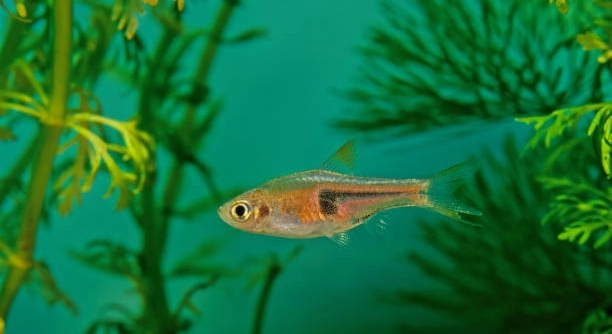
Many aquarium owners notice that rasboras suddenly shake their bodies. This quick movement often catches attention and makes people wonder why their fish behave this way. Understanding this behavior helps improve care for these delicate fish.
Rasboras shake their bodies suddenly primarily to remove irritants like parasites or debris from their scales and skin. This behavior can also indicate stress or discomfort caused by water quality, changes in the environment, or the presence of other fish.
Recognizing the reasons behind this behavior helps maintain a healthy tank and keeps rasboras comfortable in their habitat. This article explains the main causes and what to watch for in your aquarium.
Why Rasboras Shake Their Bodies Suddenly
Rasboras often shake their bodies quickly to get rid of irritants on their skin. Tiny parasites or particles in the water can cause discomfort, making the fish react this way. Sometimes, poor water quality or sudden changes in the tank environment also trigger this behavior. When rasboras feel stressed, they may shake more often. This movement helps them protect their scales and maintain comfort. It is a natural response, but frequent shaking may signal that something needs attention in their habitat.
This shaking can be a sign of mild irritation or stress but can become serious if it happens repeatedly.
Watching how often your rasboras shake can help identify problems early. Keeping the water clean and stable is key to reducing this behavior. Proper tank maintenance and monitoring fish interactions will help your rasboras feel safe and calm.
How Water Quality Affects Rasbora Behavior
Water quality plays a major role in fish health. Poor water conditions cause irritation and stress in rasboras.
Maintaining stable water parameters is essential for their well-being.
High levels of ammonia, nitrites, or nitrates irritate the fish’s skin and gills. Changes in temperature or pH can also shock rasboras, causing sudden shaking. Regular water testing and partial water changes keep these factors under control. Using a good filtration system helps remove waste and debris that can bother the fish. Adding live plants or gentle water flow creates a more natural and comfortable environment. Being attentive to water quality will reduce shaking and support healthy, happy rasboras in your aquarium.
Parasites and External Irritants
Parasites are a common cause of sudden shaking in rasboras. These tiny creatures attach to the fish and cause discomfort.
Parasites like ich or flukes irritate the skin and scales of rasboras, prompting them to shake their bodies to try to dislodge the pests. Infections from parasites can worsen if left untreated, causing stress and health issues. Regular observation and quarantine of new fish help prevent infestations. Treatments like medicated baths or adding parasite-specific medications to the water can effectively remove these pests. Keeping the tank clean reduces the chance of parasites developing and spreading.
External irritants such as debris, leftover food, or rough decorations can also cause sudden shaking. Ensuring smooth surfaces and removing waste promptly minimizes this risk.
Stress and Environmental Changes
Stress often triggers rapid body shaking in rasboras. Sudden changes in tank conditions create discomfort.
Changes in temperature, lighting, or water chemistry can stress rasboras, leading to shaking as a response. Even rearranging tank decorations or introducing new fish might unsettle them. Stress weakens their immune system, making them more vulnerable to diseases. Consistent routines and gradual adjustments help reduce stress. Maintaining stable water parameters and avoiding overcrowding also support a calm environment. When rasboras feel safe, they are less likely to shake or display other signs of distress. Monitoring their behavior after any changes helps identify causes of stress quickly.
Signs of Illness in Rasboras
Sudden shaking can be a sign of illness beyond parasites or stress. It may indicate skin infections or other health problems.
Watching for additional symptoms like faded colors, clamped fins, or lethargy helps identify if your rasbora is sick and needs treatment.
How to Reduce Shaking Behavior
Keeping water clean and stable is the best way to reduce shaking. Regular water changes and proper filtration remove irritants that bother the fish. Avoid overcrowding and provide hiding spots to lower stress levels. Feeding a balanced diet supports their immune system. Monitoring fish behavior regularly helps catch problems early. Taking these steps creates a safer environment, which means less shaking and healthier rasboras overall.
When to Seek Help
If shaking continues despite proper care, consulting an aquarium specialist or vet is important.
FAQ
Why does my rasbora shake its body suddenly even when the water looks clean?
Even if the water appears clean, microscopic irritants like parasites or slight chemical imbalances can cause shaking. Some parasites are too small to see without a microscope. Water parameters such as ammonia or nitrate might be within visible limits but still stressful for the fish. Sudden changes in temperature or pH can also cause discomfort. Regular testing and slow adjustments to the tank environment help keep these factors stable, reducing shaking.
Can sudden body shaking harm my rasbora?
Brief shaking is a natural way for rasboras to remove irritants, but frequent or intense shaking can lead to stress or injury. Constant shaking may damage their delicate scales and skin, making them prone to infections. It is important to identify and fix the cause to prevent long-term harm. Observing other signs like reduced appetite or lethargy helps assess the seriousness.
How often should I test my aquarium water?
Testing your aquarium water at least once a week is recommended, especially if you notice signs of stress like shaking. More frequent testing may be needed if the tank is newly set up or has new fish. Monitoring key parameters such as ammonia, nitrite, nitrate, pH, and temperature ensures the environment stays safe. Consistent water quality maintenance is the best way to prevent fish discomfort.
Are there specific treatments for parasites that cause shaking?
Yes, common treatments include anti-parasitic medications available at pet stores, such as those targeting ich or flukes. Medicated baths and adding treatments to the water column can be effective. Always follow instructions carefully and quarantine affected fish when possible to avoid spreading parasites. Improving water quality and tank hygiene helps prevent future infestations.
Can shaking be a sign of stress from tank mates?
Yes, aggressive or overly active tank mates can stress rasboras, causing sudden shaking. Even non-aggressive fish can cause stress if overcrowding occurs. Rasboras prefer calm, peaceful companions. Keeping compatible species and providing plenty of hiding spaces reduces social stress and related shaking behavior.
Is temperature important for preventing shaking?
Stable temperature is critical. Sudden drops or rises can shock rasboras, leading to shaking. The ideal temperature range for most rasboras is between 72°F and 78°F (22°C to 26°C). Using a reliable heater and thermometer helps maintain consistent conditions, which supports fish health and comfort.
What should I do if my rasbora shakes and scratches against objects?
This behavior usually means irritation from parasites or poor water quality. Checking water parameters and inspecting for visible parasites is important. A gentle medicated bath or targeted treatment may be needed. Remove sharp or rough decorations to prevent injury while they recover. Improving tank conditions reduces the chance of repeated irritation.
Can diet affect shaking behavior?
A poor diet weakens a fish’s immune system, making it more vulnerable to parasites and stress. Feeding a balanced diet with high-quality flakes, pellets, and occasional live or frozen foods helps keep rasboras strong. Proper nutrition supports skin and scale health, reducing the likelihood of irritation and shaking.
How can I tell if shaking is caused by illness or just irritation?
If shaking happens occasionally and the fish appears healthy otherwise, it is likely irritation. If shaking is frequent and accompanied by other signs such as loss of appetite, faded colors, or abnormal swimming, illness may be the cause. In such cases, early treatment is essential to prevent worsening health problems.
Is quarantine necessary for new fish to prevent shaking issues?
Quarantining new fish before adding them to your main tank helps prevent the introduction of parasites and diseases that cause shaking. A separate tank for 2 to 4 weeks allows you to observe and treat any health issues early. This simple step protects your established fish population and keeps the environment stable.
What role does tank decoration play in rasbora shaking?
Sharp or rough decorations can physically irritate rasboras, causing them to shake or scratch their bodies. Smooth surfaces and plenty of plants or hiding spots help create a safe environment. Removing or replacing hazardous items reduces accidental injuries and stress.
Can water flow impact shaking behavior?
Too strong a current can stress rasboras, making them shake to regain balance or comfort. They prefer gentle water movement that mimics their natural habitat. Adjusting filter flow or adding plants to break strong currents helps create a calm space, reducing shaking caused by environmental discomfort.
How long does shaking last after treatment or changes?
Shaking usually decreases within a few days after improving water quality or treating parasites. Some fish take longer to fully recover, depending on stress levels and overall health. Continue monitoring behavior and maintain stable conditions to support healing.
Are certain rasbora species more prone to shaking?
Some species may be more sensitive to water changes or parasites due to their natural habitats. For example, delicate species like the Harlequin Rasbora might react more noticeably to irritants. Knowing your species’ preferences helps tailor tank conditions to reduce shaking.
Does overfeeding cause shaking?
Overfeeding can pollute the water, increasing waste and promoting parasites. This indirect effect can cause rasboras to shake. Feeding appropriate portions and removing uneaten food keeps the tank cleaner and fish healthier.
Is it normal for rasboras to shake after being introduced to a new tank?
Yes, new tanks create stress due to unfamiliar conditions and possible water parameter fluctuations. Shaking is a temporary response as they adjust. Providing stable, clean water and minimizing disturbances speeds up acclimation and reduces shaking.
Final Thoughts
Rasboras shaking their bodies suddenly is a natural behavior that often indicates they are trying to remove something bothering them. This could be tiny parasites, debris, or even stress caused by changes in their environment. While occasional shaking is normal, frequent or intense shaking should be carefully observed. It is important to pay attention to other signs of distress or illness to ensure the fish are healthy. Understanding why rasboras behave this way helps provide better care and creates a more comfortable aquarium for them.
Maintaining good water quality is the most important factor in reducing shaking behavior. Clean water with stable temperature, pH, and low levels of harmful substances creates a safe environment for rasboras. Regular water testing and partial water changes keep these conditions in check. Avoiding sudden changes in the tank, such as rearranging decorations or adding new fish without quarantine, also helps prevent stress. A well-maintained tank supports the natural behavior of rasboras and reduces signs of discomfort, including shaking.
It is also helpful to monitor tank mates and overall tank setup. Aggressive or overly active fish can cause stress and make rasboras shake more. Providing enough space and hiding places gives them comfort and security. Feeding a balanced diet keeps their immune system strong and better able to fight irritations and illness. If shaking continues despite good care, consulting a specialist or vet is recommended. Paying attention to these factors ensures rasboras stay healthy and comfortable in their home.

Hello,
If you enjoy the content that we create, please consider saying a "Thank You!" by leaving a tip.
Every little bit helps us continue crafting quality advice that supports the health, happiness, and well-being of pets around the world, for pets of all shapes, sizes, and species.
We really appreciate the kindness and support that you show us!