
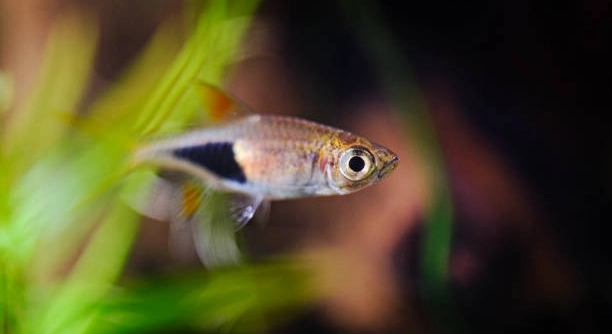
Rasboras are small, colorful fish that brighten many home aquariums. Keeping them healthy and happy requires some attention to their environment and daily care. This article will cover important tips for helping rasboras live longer.
Proper tank conditions, a balanced diet, regular water changes, and monitoring for disease are essential factors that contribute to the longevity of rasboras. Providing stable water parameters and a stress-free habitat supports their overall health and lifespan.
Understanding these key care elements can improve your rasboras’ well-being. The following tips will guide you in creating a better environment for these delicate fish.
Stable Water Conditions
Rasboras need stable water to stay healthy. Sudden changes in temperature or water chemistry can stress them out and shorten their lives. Keeping the water clean with regular changes helps keep harmful substances like ammonia and nitrites low. A well-maintained filter supports good water quality by removing waste and debris. Testing water parameters regularly ensures that pH, hardness, and temperature stay within the right range. Most rasboras prefer slightly acidic to neutral water and temperatures between 72°F and 78°F. Avoid placing the tank near windows or vents where temperature swings can happen. Consistency in the tank environment helps rasboras adjust better and reduces stress. Stress weakens their immune system, making them more likely to get sick. Paying attention to these details creates a stable home where rasboras can thrive.
Maintaining stable water conditions prevents stress and promotes long-term health in rasboras. It is a simple but important step for their care.
Keeping the water balanced and consistent is a key part of ensuring your rasboras live longer and remain active. These fish are sensitive to changes, so slow adjustments and monitoring are essential to prevent illness and support their natural behavior.
Proper Diet and Feeding
Feeding rasboras a balanced diet is important for their health and longevity.
Rasboras thrive on a varied diet including high-quality flakes, small pellets, and live or frozen foods like brine shrimp and daphnia. A varied diet ensures they get all necessary nutrients without excess fat or fillers. Overfeeding can cause poor water quality and health problems, so feed small amounts that they can finish in a few minutes, once or twice daily. Supplementing with vegetable matter like blanched spinach or spirulina flakes provides fiber and vitamins. Fresh, nutritious food supports their immune system and natural colors. Feeding routines help reduce stress by keeping their environment clean and predictable. Avoiding processed or low-quality food protects their digestion and overall well-being. Proper diet management is a straightforward way to boost their lifespan.
Consistent feeding with nutritious and varied food keeps rasboras healthy and vibrant.
Good feeding practices ensure your rasboras stay strong and colorful. Balanced nutrition supports growth, reproduction, and disease resistance, contributing to a longer, healthier life in your aquarium.
Regular Water Changes
Regular water changes keep the tank environment healthy for rasboras by removing waste and toxins.
Changing about 20-30% of the water weekly helps maintain good water quality. It reduces nitrate buildup and prevents harmful chemicals from accumulating. Clean water supports healthy gill function and overall fish vitality. Water changes also help keep pH and hardness stable, which is important for sensitive rasboras. Using a water conditioner to remove chlorine and chloramines before adding water protects your fish. Consistent water changes prevent stress and illness, making a big difference in how long rasboras live.
Performing regular water changes supports a clean and safe environment. This simple habit reduces the risk of disease and improves the quality of life for your fish.
Water changes also help remove uneaten food and other debris, keeping the tank clearer and healthier. A clean tank prevents algae growth and maintains oxygen levels. This practice works best combined with proper filtration to create a balanced, thriving habitat for rasboras.
Monitoring and Preventing Disease
Monitoring your rasboras closely helps catch health problems early and prevent serious illness.
Watch for changes in behavior, appetite, or appearance, such as spots, discoloration, or frayed fins. Quarantine new fish before adding them to the main tank to avoid spreading disease. Keeping stress low through good tank maintenance and proper diet strengthens their immune systems. Avoid overcrowding to reduce competition and aggression, which can cause injury and open wounds. Treat infections promptly with appropriate medication to stop disease from spreading. Clean equipment regularly to minimize bacteria and parasites. Healthy tank conditions combined with attentive care are the best ways to prevent disease in rasboras.
Early detection and prevention reduce suffering and increase survival chances. A calm, clean environment is essential for strong, disease-resistant fish.
Being proactive with health checks and tank hygiene is key to long-term success with rasboras. Preventing illness means less time treating and more time enjoying your vibrant fish. Consistency in care habits builds a protective environment that keeps rasboras thriving.
Avoid Overcrowding
Overcrowding causes stress and increases the risk of disease in rasboras.
Providing enough space for each fish reduces aggression and competition for food. A crowded tank leads to poor water quality and unhealthy conditions.
Provide Hiding Spots and Plants
Rasboras feel safer with plenty of hiding spots and live plants in their tank. Plants help reduce stress by mimicking their natural environment and offer shelter from aggressive tank mates. Adding decorations like caves or driftwood also gives them places to retreat. A well-planted tank improves water quality by absorbing nitrates and producing oxygen. This creates a balanced habitat that supports healthy behavior and reduces anxiety. When rasboras feel secure, they are more active and less prone to illness, which helps them live longer.
Maintain Proper Lighting
Proper lighting supports rasboras’ natural rhythms and keeps plants healthy. Avoid overly bright light that stresses fish.
How often should I change the water in my rasbora tank?
Changing about 20-30% of the tank water weekly is recommended. This keeps nitrate levels low and removes waste buildup. Frequent water changes maintain stable water quality, which is essential for rasboras’ health. Use a water conditioner to remove chlorine before adding new water. Avoid changing too much at once to prevent stressing the fish.
What temperature is best for rasboras?
Rasboras thrive in water temperatures between 72°F and 78°F (22°C to 26°C). Keeping the temperature steady within this range helps reduce stress. Sudden temperature changes weaken their immune system and increase the risk of disease. Use an aquarium heater and thermometer to monitor and maintain consistent heat.
Can I keep rasboras with other fish?
Yes, rasboras are peaceful and do well with other small, non-aggressive fish. Good tank mates include tetras, guppies, and small catfish. Avoid larger or aggressive fish that might bully or eat rasboras. Keeping rasboras in groups of at least six helps reduce stress and encourages natural schooling behavior.
What do rasboras eat?
Rasboras eat a varied diet of flakes, pellets, and live or frozen foods such as brine shrimp or daphnia. Feeding a balanced diet with occasional vegetable matter keeps them healthy. Feed small amounts once or twice daily to avoid overfeeding and water pollution. Remove uneaten food promptly.
How can I tell if my rasboras are sick?
Signs of illness include loss of appetite, lethargy, abnormal swimming, faded colors, or visible spots and fin damage. Early detection is key. Quarantine new fish and maintain clean water to prevent disease. Treat infections promptly with suitable medication to protect your entire tank.
Why are hiding spots important for rasboras?
Hiding spots reduce stress by offering shelter from bright light and tank mates. Plants, caves, and driftwood create a safe environment that mimics their natural habitat. When rasboras feel secure, they stay healthier and more active.
How many rasboras should I keep together?
Rasboras are schooling fish and should be kept in groups of six or more. Keeping fewer fish can cause stress and abnormal behavior. Larger groups encourage natural social interaction and improve their overall well-being.
Is it necessary to test tank water regularly?
Yes, testing for pH, ammonia, nitrites, and nitrates helps maintain a healthy tank environment. Regular testing detects problems early before they harm your fish. Most rasboras prefer slightly acidic to neutral pH and low levels of harmful chemicals.
Can overfeeding harm rasboras?
Overfeeding causes leftover food to decay, leading to poor water quality and potential illness. It can also cause obesity and digestive problems in fish. Feed only what your rasboras can eat in a few minutes and remove excess food.
What kind of filter should I use for a rasbora tank?
A gentle, reliable filter is best for rasboras. Strong currents can stress these small fish. Sponge filters or adjustable flow filters work well. The filter should effectively remove waste without disturbing the water too much.
How long do rasboras typically live?
With proper care, rasboras can live 4 to 6 years, sometimes longer. Stable water conditions, a balanced diet, and low stress contribute to their lifespan. Regular maintenance and disease prevention are key to keeping them healthy.
Can I breed rasboras at home?
Breeding rasboras requires a separate breeding tank with soft, slightly acidic water and plenty of plants or spawning mops. After spawning, adults should be removed to prevent eating the eggs. Fry need small live foods and careful care to grow.
What should I do if my rasboras get stressed?
Stress can come from poor water quality, aggressive tank mates, or overcrowding. Improve conditions by doing water changes, removing aggressive fish, and providing hiding places. Keeping a consistent environment reduces stress and improves health.
Are live plants necessary for rasboras?
While not absolutely necessary, live plants improve water quality and provide shelter. They create a more natural environment that supports rasbora well-being. Plants also help reduce nitrates and add oxygen to the water.
How important is lighting for rasboras?
Moderate lighting helps regulate their natural behavior and keeps plants healthy. Too bright light can cause stress, while too little light may reduce plant growth. A balanced lighting schedule, about 8-10 hours a day, supports a healthy tank environment.
When caring for rasboras, attention to detail makes a big difference in how long they live and how well they thrive. Maintaining stable water conditions is one of the most important steps. Rasboras are sensitive to sudden changes in temperature, pH, and water quality. Regular water testing and consistent water changes help keep their environment healthy. This reduces stress and lowers the chance of illness. A clean, well-filtered tank also supports their overall health. When the water is right, rasboras can live longer and show their natural, active behavior.
Feeding rasboras a balanced and varied diet is equally important. Providing a mix of high-quality flakes, pellets, and live or frozen foods gives them the nutrients they need. Avoid overfeeding, which can pollute the tank and harm your fish. Supplementing with some vegetable matter can improve their digestion and boost their immune system. Feeding in small amounts once or twice a day is ideal. Good nutrition strengthens rasboras’ health and helps them resist disease. It also keeps their colors bright and their activity levels high, which makes them enjoyable to watch.
Creating a safe and comfortable tank environment completes the care routine. Rasboras do best in groups and appreciate having plenty of plants and hiding spots to feel secure. Avoid overcrowding and keep the tank peaceful to reduce stress. Proper lighting, moderate water flow, and a good filter all contribute to their well-being. Watching your rasboras closely for signs of illness and taking quick action when needed will help keep them healthy. Following these basic steps makes a big difference in helping rasboras live longer and enjoy a better quality of life.

Hello,
If you enjoy the content that we create, please consider saying a "Thank You!" by leaving a tip.
Every little bit helps us continue crafting quality advice that supports the health, happiness, and well-being of pets around the world, for pets of all shapes, sizes, and species.
We really appreciate the kindness and support that you show us!