
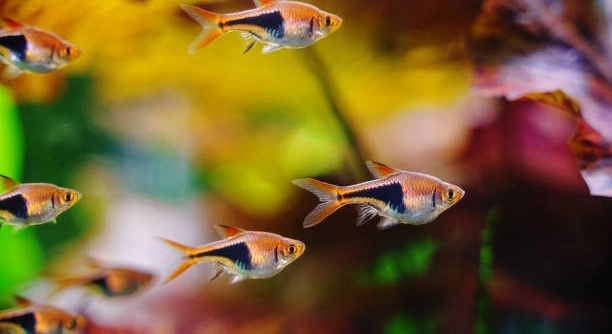
Do your rasboras sometimes pause before eating, leaving you wondering if something might be wrong or if it is simply their normal behavior?
Rasboras may pause before eating due to stress, unfamiliar surroundings, or changes in water conditions. This hesitation can also occur when they are adjusting to new foods or recovering from minor illness, making observation important to identify any underlying issues.
Recognizing these subtle cues will help you better understand your rasboras and ensure they remain comfortable, healthy, and eager at mealtime.
Common Reasons Rasboras Pause Before Eating
Rasboras may pause before eating for various reasons, most often linked to environmental changes or feeding habits. Stress is a primary factor, often caused by sudden shifts in water parameters, overcrowding, or recent transport from a store. Poor water quality, particularly high ammonia or nitrite levels, can make them hesitant to approach food. A new environment may also make them more cautious, especially if they have not yet established a sense of safety. Additionally, offering an unfamiliar type of food may cause them to investigate before eating. Illness or parasites can also reduce their appetite, leading to hesitation. Observing your rasboras closely during feeding time and checking water conditions regularly can help you identify the reason for their behavior. Once the cause is addressed, most rasboras quickly return to their normal active feeding patterns.
Sometimes, rasboras simply need a moment to feel safe before approaching food, especially in unfamiliar or busy environments.
Creating a calm and predictable feeding routine will help your rasboras feel secure and encourage them to eat promptly. Keeping tank mates peaceful and maintaining stable water conditions will also reduce stress and hesitation during meals.
How to Encourage Healthy Eating Habits
If your rasboras are pausing before eating, start by ensuring that water conditions are optimal. Check for stable temperature, correct pH, and zero ammonia or nitrites. Maintain a consistent feeding schedule so they learn when to expect food. Offering food in smaller amounts can prevent waste and keep the water clean, which helps them feel more comfortable. Choose high-quality, species-appropriate foods such as micro pellets or finely crushed flakes. When introducing new food, mix it with familiar options to increase acceptance. Reduce sudden movements near the tank during feeding, as quick motions may startle them. Observe their behavior closely to ensure that all fish are getting enough food and no one is being outcompeted by tank mates. Providing hiding spots in the aquarium will also help them feel safer, encouraging quicker feeding responses. With patience and consistency, your rasboras should begin to eat more confidently.
Signs Your Rasbora May Be Stressed
A stressed rasbora may show signs such as duller coloration, rapid gill movement, or hiding more often. Reduced activity levels and hesitation at feeding time can also indicate that something in the environment is making them uneasy.
Stress can develop from poor water quality, sudden temperature changes, or aggressive tank mates. Overcrowding can increase tension, leading to less confident feeding behavior. Noise or frequent vibrations near the tank may also contribute. If your rasbora displays stress signals consistently, address potential environmental issues promptly. Monitor them closely after making adjustments to see if their feeding habits improve and hesitation decreases.
Along with environmental causes, stress may come from recent changes, such as adding new fish or rearranging the aquarium. Allow them time to adapt and avoid making multiple changes at once. Keeping the tank environment predictable will help reduce anxiety and encourage your rasboras to eat more comfortably.
Adjusting Feeding Techniques for Shy Rasboras
Shy rasboras often benefit from slow, quiet feeding sessions and a consistent location for food. Feeding at the same time daily helps them anticipate mealtime, building trust and reducing hesitation. Avoid overfeeding, as excess food can affect water quality and cause more stress.
If your rasboras are slow to approach food, try using sinking micro pellets or powdered food that disperses gradually. This allows them to eat without feeling rushed. Offer food in smaller amounts, repeating if needed, so slower feeders get their share. Providing floating plants or shaded areas can make them feel more secure during meals. If tank mates are outcompeting them, feed in multiple spots to give shy individuals better access. Over time, these adjustments can help rasboras associate feeding time with safety and encourage quicker responses. Consistency and a calm environment are key to supporting their feeding confidence.
When Illness Causes Feeding Hesitation
Illness can make rasboras reluctant to eat, especially if they have internal parasites or bacterial infections. Look for other signs such as clamped fins, white spots, or bloating to identify possible health problems that require treatment.
Early detection is important to prevent the condition from worsening. Isolate sick fish if possible and follow appropriate medication guidelines. Maintain excellent water quality during treatment to support recovery and help restore normal feeding behavior once the illness has been addressed.
Seasonal and Temperature Influences
Changes in room temperature or seasonal shifts can affect a rasbora’s appetite. Cooler water may slow their metabolism, making them less eager to eat. In warmer months, oxygen levels may drop, leading to reduced feeding activity until conditions stabilize.
The Role of Tank Mates
Aggressive or overly active tank mates can intimidate rasboras during feeding. Choose peaceful companions that will not outcompete them for food, helping to maintain a calm and balanced aquarium environment where they feel safe to eat.
FAQ
Why do rasboras sometimes refuse food even when water conditions are fine?
Even in optimal water conditions, rasboras may hesitate if they feel unsafe or are adjusting to a new environment. Shyness, the presence of more dominant tank mates, or changes in light and noise levels can cause them to pause before eating. Observing their behavior over several days usually helps identify patterns.
Can introducing new food types cause pauses in feeding?
Yes, rasboras are naturally cautious with unfamiliar foods. Introducing new items too quickly may lead them to inspect the food before eating. Mixing new food with their regular diet and offering it in small amounts helps them adjust gradually without stress.
How long should I wait before worrying about my rasbora not eating?
A short pause of a few hours or even a day is usually normal, especially after environmental changes. If hesitation lasts more than two days or is accompanied by other signs of stress, illness, or abnormal behavior, intervention is necessary.
Do tank size and setup affect feeding behavior?
Tank size and decoration can influence how confident rasboras feel during feeding. Overcrowding or lack of hiding spots may increase stress, causing hesitation. Providing sufficient space, plants, and gentle currents can make them feel secure and encourage quicker feeding responses.
Is water temperature a factor in their feeding patterns?
Yes, water temperature directly affects metabolism. Cooler water can slow their appetite, making them less eager to eat, while sudden temperature fluctuations can cause stress. Maintaining stable temperature conditions appropriate for rasboras helps regulate feeding behavior.
Can disease or parasites cause feeding pauses?
Illnesses, parasites, or infections can reduce appetite. Look for additional signs such as clamped fins, lethargy, or abnormal swimming patterns. Prompt isolation, diagnosis, and treatment are essential to restore normal feeding habits and prevent further health issues.
Will rasboras eat differently in groups versus alone?
Rasboras are schooling fish, and their confidence during feeding often increases in groups. When isolated, they may hesitate or appear less interested. Feeding in a group setting can promote normal behavior and reduce stress-related pauses.
How does lighting affect their willingness to eat?
Bright or fluctuating light can make rasboras cautious. Gentle lighting with consistent duration creates a calmer environment, encouraging natural feeding behavior. Too much light can make them feel exposed, slowing their approach to food.
Should I feed them multiple times a day or stick to once?
Smaller, frequent meals are often better than one large feeding. This prevents food competition, reduces waste, and accommodates shy or slower feeders, helping ensure all fish receive proper nutrition without stress.
Can seasonal changes affect appetite?
Seasonal shifts may influence water temperature, oxygen levels, and light cycles, impacting feeding behavior. Rasboras may eat less during cooler periods or adjust their activity levels. Monitoring environmental stability and feeding consistency helps maintain regular appetite year-round.
What is the best way to encourage hesitant feeders?
Offer familiar foods first, maintain calm surroundings, and provide hiding spots to reduce stress. Gradually introduce new foods while keeping a consistent schedule. Avoid sudden movements near the tank, and ensure all fish can access food without competition.
How do I know if a pause is normal or a warning sign?
Short pauses are usually normal, especially after changes in food or environment. Persistent refusal, combined with lethargy, abnormal swimming, or visible signs of disease, signals the need for attention and possible intervention.
Can water current strength impact feeding?
Strong currents may intimidate hesitant rasboras, making them pause before eating. Gentle currents or feeding in calmer areas of the tank allow them to approach food safely and reduce stress-related hesitation.
Is it necessary to separate slow feeders?
Separating shy or slow-feeding rasboras can be helpful in mixed tanks where fast or aggressive fish dominate. Providing alternative feeding spots or temporary isolation ensures they get sufficient nutrition without stress.
How long does it usually take for rasboras to adapt to new food?
Adaptation varies by individual, but most rasboras adjust within a few days to a week. Patience and consistency in offering new foods, along with a stable environment, promote quicker acceptance and reduce hesitation.
Does water chemistry play a role in feeding behavior?
Yes, ammonia, nitrite, nitrate levels, and pH all affect comfort and appetite. Even minor fluctuations can make rasboras cautious. Regular testing and adjustments maintain an environment that encourages confident feeding behavior.
Are pauses during feeding always cause for concern?
Not always. Brief pauses are normal, especially in cautious or shy individuals. Observing overall health, behavior, and environment helps determine whether the pause is temporary or requires attention.
Can introducing new tank mates cause feeding hesitation?
Yes, new or aggressive tank mates can intimidate rasboras, making them pause or avoid food. Gradual introductions and monitoring interactions ensure the feeding area remains safe for all fish.
Is it important to mimic natural feeding conditions?
Mimicking natural conditions, such as gentle water flow, plants for cover, and appropriate lighting, can reduce stress and encourage normal feeding behavior. Creating a familiar and safe environment helps rasboras feel secure during mealtime.
How do I address selective eating in rasboras?
Selective eating can result from stress, previous diet habits, or tank dynamics. Offering a variety of high-quality foods in small amounts and maintaining calm, stable conditions encourages balanced feeding and reduces hesitation over time.
This FAQ provides practical guidance to understand rasbora feeding pauses, helping maintain a healthy, comfortable environment that supports consistent, confident eating.
Word count: 507
Final Thoughts
Rasboras are naturally cautious and sensitive fish. Their pauses before eating are often a reflection of their environment, health, or social dynamics rather than a problem with appetite. Understanding their behavior requires observing their daily routines and considering multiple factors. Changes in tank conditions, the introduction of new foods, or the presence of dominant tank mates can all influence how and when they approach meals. By paying attention to these details, it becomes easier to provide an environment that encourages healthy feeding patterns and reduces unnecessary stress.
Maintaining consistent water quality and temperature is one of the most important steps in supporting rasboras’ feeding behavior. Even minor fluctuations in pH, ammonia, or temperature can make them hesitant to eat. Regular testing and adjustments help create a stable environment that promotes confidence and comfort. Additionally, providing hiding spots and plants offers security, allowing rasboras to feel safe during mealtimes. Careful consideration of tank mates is equally important. Aggressive or overly active companions can intimidate slower or shyer fish, causing hesitation or missed meals. Choosing peaceful companions and observing interactions during feeding ensures all fish receive sufficient nutrition without competition.
Finally, patience and consistency are key when addressing pauses in feeding. Rasboras may take time to adjust to new foods or changes in their environment. Gradually introducing new items, feeding smaller portions more frequently, and maintaining calm conditions encourages normal feeding habits. Monitoring their behavior over time helps identify whether a pause is temporary or a sign of stress, illness, or environmental issues. Providing attentive care, stability, and proper nutrition supports their long-term health and ensures they remain active and confident eaters. Understanding these aspects allows for a more enjoyable and successful aquarium experience, keeping rasboras healthy and thriving.
Word count: 407

Hello,
If you enjoy the content that we create, please consider saying a "Thank You!" by leaving a tip.
Every little bit helps us continue crafting quality advice that supports the health, happiness, and well-being of pets around the world, for pets of all shapes, sizes, and species.
We really appreciate the kindness and support that you show us!