
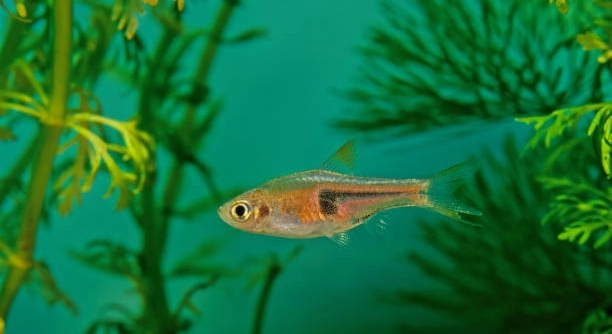
Have you ever found yourself admiring your rasbora’s shimmering colors and wondering if they mean something more than just beauty?
Rasbora colors reflect their health, stress levels, environment, and social interactions. Changes in coloration can indicate mood shifts, illness, or even readiness to mate. Observing color patterns helps monitor their overall well-being.
From subtle shifts to bold displays, rasbora colors tell a quiet but meaningful story about life inside your aquarium.
What Rasbora Colors Say About Health
Healthy rasboras usually display bright, even coloring. When their colors fade or become blotchy, it’s often a sign that something is off. Poor water quality, lack of nutrients, or illness can affect their appearance. Sudden color changes shouldn’t be ignored. These shifts are often the first visible signs of stress or disease. It’s helpful to watch for other clues like sluggish behavior or changes in eating habits. A rasbora that loses its shine might need a check on tank conditions, a water test, or even a diet adjustment. Since rasboras are sensitive, even small things like loud noises, overcrowding, or incorrect water temperature can affect their stress levels—and their color. You don’t have to be an expert to spot a problem. Just taking a moment each day to look closely can make a big difference in their health and happiness.
Bright colors generally mean your rasbora is doing well, while dull or faded colors might mean something is wrong.
If your rasbora is pale or washed out, start by testing the water and checking your filtration system. Make sure ammonia and nitrite levels are at zero, and that the temperature is stable. Clean water matters more than most people realize.
Mood, Mating, and Social Signs
Color changes don’t only mean health issues. Sometimes, they show shifts in mood or behavior. Rasboras may flash brighter colors when feeling excited or during interactions with other fish.
Rasboras are social and display different colors depending on their surroundings and interactions. Males may intensify their coloring when competing or trying to impress a female. Some even glow brighter during courtship. These displays are natural and usually short-lived. If you notice these patterns, it’s a good sign that your rasboras are active and communicating. They can also become dull if they’re feeling isolated or if their school is too small. Adding more companions of the same species can help them feel secure and bring their color back. Lighting also matters. Soft, indirect light will help their colors look natural, while harsh or dim light can make them seem faded. Paying attention to their coloring patterns gives you quiet but useful insight into how they feel each day.
Environmental Effects on Rasbora Color
Lighting, substrate, and background color can all affect how your rasbora looks. A dark tank setup tends to bring out their colors more, while bright or washed-out surroundings can make them appear dull or less vibrant.
If your tank has a light substrate or background, your rasbora may naturally tone down their colors to blend in. This is a normal response and doesn’t always mean something is wrong. Using darker gravel or plants can help enhance their appearance without stressing them out. It’s also good to use soft lighting. Strong, direct lights can make fish feel exposed and cause them to hide or lose color. Try gentle LEDs or adjustable lights if possible. Keep decorations simple, with plenty of hiding spots to reduce stress and help your rasbora feel safe. A peaceful, balanced tank will always bring out their natural shine better than anything artificial.
Sudden changes to the tank setup can confuse or stress your rasbora. If you’ve recently changed the decor, lighting, or layout and notice their color fading, give them time to adjust. Changes in routine—like cleaning, rearranging plants, or moving tank mates—can impact how they feel. Consistency helps them stay colorful and calm over time.
Food and Nutrition Effects
Poor diet can dull your rasbora’s color. A lack of essential nutrients like carotenoids or proteins may lead to a faded or patchy appearance. High-quality flakes, pellets, and occasional frozen foods support brighter, healthier fish.
Feed a balanced mix that includes color-enhancing ingredients like spirulina, brine shrimp, or daphnia. These foods help maintain natural coloring and support overall health. Avoid feeding the same thing every day. A varied diet provides a wider range of nutrients and keeps your rasbora interested during feeding time. Look for foods with natural ingredients and minimal fillers. It’s also important not to overfeed. Too much food can cause water issues, which in turn affect their color. Stick to small portions once or twice a day, and remove leftovers quickly. If you suspect nutritional issues, slowly adjust their diet instead of making abrupt changes. Improvement in color may take a few weeks, so stay consistent.
Stress and Color Fading
Stress is one of the most common reasons rasboras lose their color. It can come from loud noise, aggressive tank mates, or even poor handling. A calm, stable environment helps maintain their natural brightness and behavior.
Small tanks, sudden water changes, or frequent disruptions can cause your rasbora to feel unsafe. Try to keep things predictable and quiet around their space.
Natural Color Changes
As rasboras age, their coloring can change slowly over time. This is natural and doesn’t mean anything is wrong. Older fish may appear less vibrant, especially if they’re past their peak breeding years. Genetics also play a role—some rasboras are naturally bolder than others. Comparing fish to one another isn’t always fair. If a rasbora has always had softer coloring, that’s likely normal for them. Look for changes that happen quickly or come with other symptoms like weight loss or hiding. Those signs are more concerning than a slow, steady shift. Observing over time helps you understand what’s normal for each individual fish.
Seasonal Effects
Changes in season can slightly affect your rasbora’s behavior and color. Shifts in room temperature or light patterns may lead to temporary changes, especially during winter or summer. Keep conditions stable to avoid sudden reactions.
FAQ
Why is my rasbora’s color fading suddenly?
Sudden color fading usually signals stress or a health issue. It could be caused by poor water quality, changes in tank conditions, illness, or aggressive tank mates. Check water parameters first—ammonia, nitrite, and nitrate levels should be safe. Look for signs like rapid breathing, clamped fins, or loss of appetite. Make sure your tank is not overcrowded, and that water temperature stays steady. Sometimes, sudden color loss happens after a big change, like moving the fish or rearranging the tank. Giving your rasbora time to adjust can help bring back their color. If fading continues, consider consulting a vet or fish specialist.
Can lighting really change how my rasbora looks?
Yes, lighting plays a big role in how rasbora colors show. Too bright or harsh light can stress the fish and make their colors appear washed out. Dim lighting or natural daylight helps show off their true hues. Using adjustable LED lights or soft white bulbs creates a calm environment. Dark tank backgrounds and substrate also enhance their colors. It’s about balance—lighting should be enough to see your fish clearly, but not so intense that it overwhelms them.
Do different rasbora species have different color meanings?
Different rasbora species show colors for slightly different reasons. For example, harlequin rasboras tend to have more vivid red patches during breeding, while galaxy rasboras show sparkling spots when healthy and happy. Some species have naturally brighter colors, and others are more muted. However, for all types, changes in color usually signal health, stress, or mood shifts. Learning about your specific species helps interpret these color changes better.
How can I improve my rasbora’s color naturally?
Feeding a varied and nutritious diet is key. Include color-enhancing foods like brine shrimp, daphnia, and spirulina. Avoid overfeeding and remove leftover food quickly to keep water clean. Maintain good water quality with regular testing and partial water changes. Provide a stable tank environment with gentle lighting and plenty of plants or hiding spots. Keep tank mates peaceful to reduce stress. Sometimes, small improvements in care can lead to noticeable color brightening within a few weeks.
Is it normal for rasboras to lose color during breeding?
Yes, it’s common for rasboras to change color during breeding. Males often become more vibrant to attract females, while females may look paler or duller as they focus energy on spawning. This is temporary and usually returns to normal after breeding is over. Watching their behavior alongside color changes helps confirm if this is the reason.
Why do my rasboras turn pale at night or when scared?
Rasboras, like many fish, can change color in response to their mood or environment. When scared or resting at night, they may appear pale or less colorful to avoid drawing attention from predators. This color change is normal and reversible. If your fish look pale only in certain situations but regain color quickly, there’s usually no cause for concern.
Can water temperature affect rasbora colors?
Water temperature impacts rasbora metabolism and stress levels. If the temperature is too high or too low, fish can become stressed, which may dull their color. Keeping the tank within the recommended temperature range for your species helps them stay healthy and colorful. Avoid sudden temperature swings by using a reliable heater and thermometer.
How often should I change my aquarium water to maintain rasbora color?
Regular water changes are important to keep the environment clean and stable. Generally, changing 20-30% of the water weekly works well for most rasbora tanks. This removes waste and toxins that can stress fish and dull their colors. Use a water conditioner to remove chlorine or chloramines. Avoid over-cleaning or changing too much water at once, as that can cause shock and stress.
Do rasboras show color differences when kept in groups versus alone?
Rasboras are schooling fish and usually feel safer in groups. When kept alone or in too small numbers, they often lose their bright colors and become shy. In groups, their natural social behavior helps them display vibrant colors and active behavior. A group of six or more is usually recommended to keep them comfortable and colorful.
Can illness cause permanent color loss in rasboras?
Some illnesses can cause lasting color changes if left untreated. Fungal infections, parasites, or bacterial diseases may damage skin or scales, leading to patchy or dull coloring. Early detection and treatment improve chances of full recovery. If you notice color loss with other signs like sores, lethargy, or erratic swimming, act quickly to diagnose and treat the issue. Prevention through good tank care is the best approach.
Final Thoughts
Understanding what rasbora colors really mean can help you take better care of these beautiful fish. Their colors are not just for show; they tell you important things about their health, mood, and environment. When you see your rasbora looking bright and vibrant, it usually means they are healthy and comfortable. On the other hand, if their colors fade or change suddenly, it can be a sign that something needs attention. Paying close attention to their colors gives you a simple way to check on them without needing special tools or skills. It’s a natural signal that helps you know when to make adjustments to their care.
Keeping your rasbora’s environment stable and comfortable is the best way to keep their colors strong. Clean water, steady temperature, and peaceful tank mates all play a big role. Lighting and tank setup also affect how their colors show. Simple changes, like using softer lights or adding plants, can make a noticeable difference. Feeding a good diet with a variety of foods that support color and health is just as important. It’s easy to forget how much small details matter, but they add up to a healthier and happier fish. When you give your rasbora the right conditions, their natural colors will shine, making your aquarium a more lively and pleasant place.
Watching your rasbora over time helps you learn what is normal for each fish. Colors can change naturally with age or during breeding seasons. Stress and illness may also cause color changes, so it’s important to observe behavior and other signs. If you see consistent color fading or other health issues, take action by checking water quality or consulting an expert. Caring for rasboras is about patience and attention to detail. The more you notice their colors and behavior, the better you can meet their needs. This simple connection between you and your fish can improve their life and create a peaceful, colorful tank to enjoy every day.

Hello,
If you enjoy the content that we create, please consider saying a "Thank You!" by leaving a tip.
Every little bit helps us continue crafting quality advice that supports the health, happiness, and well-being of pets around the world, for pets of all shapes, sizes, and species.
We really appreciate the kindness and support that you show us!