
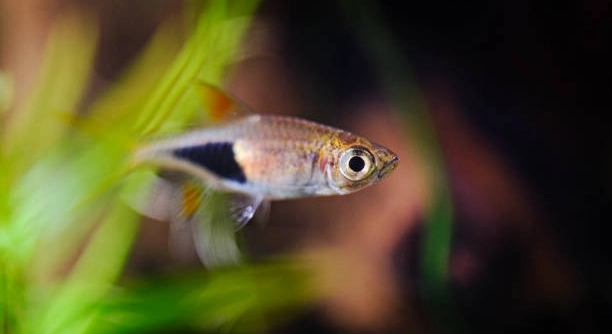
Rasboras are small, lively fish that often become more jumpy as time passes in an aquarium. Their sudden bursts of energy can surprise both new and experienced fish keepers. Understanding this behavior can help maintain a calm and healthy tank environment.
The increase in jumpiness among rasboras is primarily due to heightened stress levels caused by changes in water conditions, tank environment, or social dynamics within the group. These factors trigger natural survival instincts, leading to more frequent and sudden movements.
Recognizing the reasons behind this behavior allows fish owners to create better conditions for their rasboras and reduce unnecessary stress.
Why Rasboras Become More Jumpier Over Time
Rasboras often become jumpier as they adapt to their environment. This behavior usually starts when there are small changes in their tank, such as shifts in water temperature or chemistry. Over time, these fish grow more sensitive to their surroundings. Stress factors like loud noises, sudden movements outside the tank, or overcrowding can make them more alert and prone to jumping. Additionally, rasboras are naturally active swimmers, but stress can heighten this activity. When their tank lacks sufficient hiding spots or plants, they feel exposed and unsafe, which adds to their jumpiness. Maintaining stable water conditions and providing a calm environment with plenty of cover can help reduce this stress. Observing their behavior closely helps you notice early signs of discomfort. Addressing these factors improves their well-being and keeps them calmer over time.
Jumpiness in rasboras increases mainly due to environmental stress and lack of security within the tank.
Stress management and creating a secure habitat are key to minimizing rasbora jumpiness. Ensuring proper tank size, stable water parameters, and adding plants or decorations for hiding spots create a safer space. Keeping tank activity low and avoiding sudden disturbances can also calm their behavior. Over time, rasboras adjust better if their environment remains consistent and comfortable.
The Role of Social Dynamics in Rasbora Behavior
Rasboras are schooling fish that rely heavily on social structure within the tank. Changes in group size or the introduction of new fish can cause tension and increase jumpiness. When a new fish enters, existing rasboras may feel threatened or unsettled, leading to more erratic swimming and sudden jumps. In smaller groups, they can become stressed due to lack of social interaction, while overcrowded tanks cause competition and aggression. Both scenarios heighten their alertness and cause more frequent jumping. Monitoring group size and behavior closely helps maintain harmony. Keeping a stable, well-sized school reduces stress and jumpiness. This balance is essential for their natural, calm behavior to return and persist.
Stable social groups and consistent tankmates reduce stress and help rasboras feel secure, promoting calmer behavior and fewer jumps.
Water Quality and Its Impact on Rasbora Behavior
Poor water quality quickly raises stress levels in rasboras, making them more jumpy. Factors like high ammonia, nitrite, or nitrate levels irritate their gills and nervous system. Regular testing and water changes are essential to prevent this.
Maintaining clean water involves frequent partial water changes, usually 20-30% weekly. Using a reliable water test kit helps monitor ammonia, nitrites, nitrates, and pH. Sudden changes in water parameters should be avoided, as rasboras are sensitive to fluctuations. Proper filtration also plays a crucial role by removing waste and toxins. Ensuring water temperature stays stable between 72-79°F (22-26°C) supports their comfort. Clean water reduces stress, which directly decreases jumpy behavior and helps rasboras swim calmly.
Avoid adding new water that differs greatly in temperature or chemistry. Conditioning tap water to remove chlorine and chloramine is important to prevent irritation. Keeping consistent water quality creates a healthier environment and lowers the chances of stress-related jumping.
Tank Setup and Environmental Enrichment
A well-designed tank with plants, hiding spots, and open swimming areas helps rasboras feel safe and reduces stress. Bare or overcrowded tanks increase anxiety and jumpiness. Providing balance is key.
Live plants, smooth decorations, and floating cover offer hiding places that help rasboras relax. They feel secure when they can quickly retreat if threatened. Proper tank size, ideally at least 10 gallons for a small school, allows enough space for swimming and social behavior. Avoid overcrowding to limit competition and stress. Soft lighting reduces sudden visual shocks that may trigger jumping. Maintaining gentle water flow mimics their natural habitat and keeps them comfortable. Environmental enrichment helps rasboras stay calm, lowering the frequency of erratic jumps.
Feeding Habits and Their Effect on Jumpiness
Irregular feeding schedules can increase stress in rasboras, making them jump more. Consistency helps keep their behavior steady. Overfeeding also causes water quality issues, which contributes to jumpiness.
A balanced diet with small, frequent meals supports their health. Feeding once or twice daily at the same times encourages calm behavior and reduces sudden bursts of energy.
Light and Noise Sensitivity
Rasboras are sensitive to bright lights and loud noises. Sudden flashes or banging near the tank startle them, causing jumping. Keeping lighting soft and avoiding loud disturbances helps maintain a peaceful environment for them.
Temperature Fluctuations and Stress
Sudden changes in water temperature cause stress responses in rasboras. They may jump more to escape discomfort or search for a stable area. Maintaining a steady temperature with a reliable heater helps reduce this behavior. Avoid placing the tank near drafts or heat sources that cause fluctuations.
Tank Cover Importance
A secure tank lid is essential for rasboras since their jumping can lead to escapes. Without a cover, they risk injury or death outside the tank. A tight-fitting lid keeps them safe and contained.
FAQ
Why do rasboras jump more as time goes on?
Rasboras tend to jump more over time mainly because they become sensitive to their environment. Changes in water quality, social groupings, and stress levels build up, causing them to react with more sudden movements. Their natural instincts to escape perceived threats or discomfort can make jumping more frequent.
How can I reduce my rasboras’ jumpiness?
To reduce jumpiness, maintain stable water conditions and provide plenty of hiding spots like plants and decorations. Avoid sudden changes in lighting, temperature, or tank noise. Feeding a consistent diet and keeping a proper school size helps them feel secure. A tight-fitting lid is important to prevent escapes.
Is it normal for rasboras to jump occasionally?
Yes, occasional jumping is normal behavior. Rasboras are active swimmers and sometimes leap to avoid danger or explore their space. However, constant jumping usually signals stress or discomfort that should be addressed.
Can poor water quality cause rasboras to jump more?
Absolutely. Poor water quality irritates rasboras’ gills and nervous system, increasing stress. High ammonia, nitrites, or nitrates can make them restless and prone to jumping. Regular testing and water changes help keep water safe and calm their behavior.
Does tank size affect rasbora jumpiness?
Yes, a cramped tank stresses rasboras and limits their natural swimming patterns, causing increased jumpiness. Providing at least 10 gallons for a small school allows more room to swim and reduces tension. Avoid overcrowding to maintain peace in the tank.
Can adding plants help reduce jumping?
Plants create hiding spaces and break up open water, making rasboras feel safer. This reduces stress and jumpiness. Live or silk plants both work well, as long as they don’t overcrowd the tank. A balanced environment helps keep rasboras calm.
How does tank lighting impact rasbora behavior?
Bright or flashing lights can startle rasboras, triggering sudden jumps. Using soft, steady lighting creates a more comfortable environment. Avoid placing tanks in direct sunlight or near sources of flickering light. Controlled lighting helps reduce stress-related jumping.
Is feeding related to rasbora jumpiness?
Irregular or excessive feeding can lead to stress or poor water quality, both of which increase jumpiness. Feeding small, consistent meals daily supports calm behavior and keeps water cleaner. Proper nutrition helps rasboras stay healthy and less prone to sudden movements.
What role does social grouping play in jumpiness?
Rasboras are schooling fish and depend on their group for security. Too few fish or sudden changes in group members can cause anxiety and jumping. Keeping a stable group of at least six or more fish promotes natural behavior and reduces stress.
How important is a tank lid for rasboras?
Very important. Rasboras are skilled jumpers and without a secure lid, they can escape the tank, risking injury or death. A tight-fitting lid ensures safety and keeps the fish contained while preventing accidents caused by jumping behavior.
Can temperature changes make rasboras jumpy?
Yes, sudden temperature shifts cause stress and discomfort, making rasboras more likely to jump. Maintaining a stable temperature between 72-79°F (22-26°C) with a reliable heater and avoiding drafts helps keep their behavior calm and consistent.
What should I do if my rasboras keep jumping despite changes?
If jumpiness continues, double-check water parameters and tank conditions for any overlooked issues. Observe their social dynamics and ensure the tank setup is balanced. If needed, consult with an experienced aquarist or vet for additional advice tailored to your tank’s situation.
Rasboras are lively, sensitive fish that react strongly to their environment. Over time, small changes in water quality, tank setup, or social groups can make them more jumpy. This behavior is often a sign of stress or discomfort, not just random activity. Understanding the reasons behind their jumpiness helps fish owners create better living conditions. Keeping their tank stable and calm is essential for their health and happiness.
Maintaining good water quality is one of the most important steps to reduce jumpiness. Regular water changes and testing prevent harmful chemicals from building up, which can irritate rasboras and cause stress. Consistent temperature and soft lighting also make a big difference. Providing hiding places with plants or decorations gives rasboras safe spots to retreat when they feel nervous. Social factors matter too. Rasboras feel most comfortable in a stable school of six or more, so sudden changes in group size or tankmates can increase anxiety and jumping.
Lastly, a secure tank lid is a simple but necessary tool to keep rasboras safe. Their jumping ability means they can easily escape without a cover, risking injury or death. Monitoring their feeding schedule and avoiding sudden loud noises or bright lights also helps maintain calm behavior. By paying close attention to these factors and responding quickly to changes, fish owners can reduce rasbora jumpiness. Creating a peaceful and stable environment benefits both the fish and the owner, making the aquarium a more enjoyable place for everyone.

Hello,
If you enjoy the content that we create, please consider saying a "Thank You!" by leaving a tip.
Every little bit helps us continue crafting quality advice that supports the health, happiness, and well-being of pets around the world, for pets of all shapes, sizes, and species.
We really appreciate the kindness and support that you show us!