
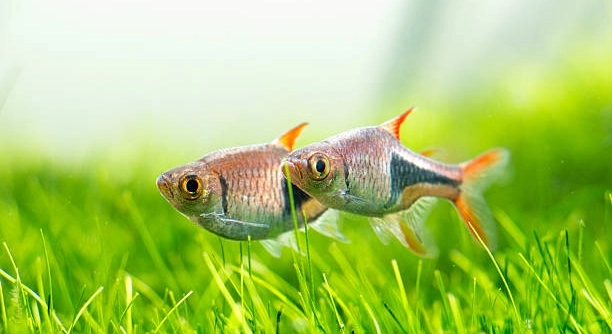
Many aquarium enthusiasts enjoy watching their rasboras swim energetically during feeding time. These small fish often show lively behavior when food is involved, making feeding moments special for owners. Understanding their habits can improve their care routine.
Rasboras can learn a feeding routine through consistent timing and cues, responding predictably when food is offered. Their behavior adapts with repetition, allowing owners to establish a reliable schedule that benefits both fish and caregiver.
Recognizing how rasboras adapt to feeding schedules helps create a calmer tank environment and strengthens the bond between owner and fish.
How Rasboras Recognize Feeding Time
Rasboras respond well to routines because they can associate certain signals with food. Over time, they learn to recognize the sight of their owner approaching the tank or the sound of food containers being opened. This kind of conditioning helps them anticipate feeding and swim toward the surface or their favorite spots. Consistent feeding times create a rhythm that makes their behavior more predictable. The fish become less stressed because they start to expect food at certain intervals. This regularity also helps avoid overfeeding, which can harm water quality and fish health. Keeping the tank clean and maintaining a feeding routine go hand in hand for healthy rasboras. Small actions, like tapping gently on the glass or using a specific feeding tool, can reinforce the routine. The more predictable the environment, the easier it is for rasboras to adapt their behavior around feeding.
Routine helps rasboras stay healthy by reducing stress and encouraging natural feeding behaviors in their tank.
Feeding routines build trust between owner and fish. When rasboras expect food at certain times, they become more active and less skittish. This makes observing their natural behaviors more enjoyable. Consistency in feeding also supports their metabolism and growth, keeping them vibrant. Owners notice these changes and can respond better to their fish’s needs. Overall, routine feeding improves both fish well-being and aquarium management.
Establishing a Feeding Routine
Starting a feeding routine requires patience and consistency. Feeding your rasboras at the same times each day helps them adjust quickly. It is best to feed small amounts to avoid leftover food, which can pollute the tank. Watching their reactions helps you understand when they are truly hungry. Using the same type of food daily also adds predictability. Avoid sudden changes in diet or feeding schedule, as this can stress the fish. A good routine typically involves feeding twice a day, with breaks on some days to prevent overfeeding. If your tank has multiple species, observe how they interact during feeding and adjust accordingly. Setting up a calm environment during feeding time encourages rasboras to approach and eat comfortably.
Consistent feeding reduces waste and keeps the tank environment balanced.
A steady routine improves fish health and behavior. It prevents sudden changes that might cause anxiety or overeating. When rasboras expect food at regular intervals, they show clearer patterns of activity and rest. This makes it easier to detect health problems early. Feeding routines also help maintain stable water quality since uneaten food is minimized. By observing your fish daily, you can notice subtle shifts in their eating habits, which may signal illness or stress. Good care practices, combined with routine feeding, contribute to a long, healthy life for your rasboras. They respond positively to structure, making the aquarium a pleasant place for both fish and owner.
Signs Rasboras Have Learned the Routine
Rasboras that know their feeding schedule become more alert and gather near the surface at feeding times. They swim actively and respond quickly to feeding cues. This behavior shows they anticipate food and feel secure in their environment.
Once they recognize the feeding routine, rasboras reduce their usual hiding and explore more. Their swimming patterns change, with more movement near the tank’s front glass. This reaction can be encouraged by using the same signals, like tapping or shaking the food container gently. Over time, their excitement at feeding times becomes a clear sign that they’ve learned the routine well.
This regular response helps owners monitor fish health more easily. If rasboras don’t react as usual, it may indicate stress or illness. Feeding routines create reliable patterns that strengthen the bond between fish and caretaker. Consistent behavior reassures owners that their rasboras are comfortable and thriving.
Tips for Maintaining the Feeding Routine
Keep feeding times consistent every day to help rasboras stay on schedule. Choose the same spot in the tank for feeding so fish know where to expect food. Avoid sudden changes in timing or food type.
Use small portions to prevent leftover food from polluting the water. Monitor your fish’s reaction and adjust the amount if necessary. If you travel or miss a feeding, return to the regular schedule as soon as possible. Keeping the routine steady encourages healthy habits and reduces stress. Regular tank maintenance alongside feeding helps maintain water quality and fish well-being.
Common Challenges in Teaching Feeding Routines
Some rasboras may take longer to adjust to feeding routines due to stress or tank changes. Patience is important when establishing consistency.
Avoid overfeeding, as this can cause health problems and reduce the fish’s interest in scheduled feedings. Keep meals small and regular to maintain balance.
How Environment Affects Feeding Behavior
A stable environment with clean water and minimal disturbances supports learning. Changes in lighting, temperature, or tank setup can disrupt feeding habits and make rasboras hesitant. Maintaining a calm tank encourages consistent behavior and helps reinforce the routine.
Using Feeding as Enrichment
Feeding time can also be a form of mental stimulation for rasboras. Offering food at regular times and places keeps them engaged and reduces boredom.
FAQ
Can rasboras learn to come when called for feeding?
Yes, rasboras can learn to associate certain signals, like tapping the glass or shaking the food container, with feeding time. They respond by swimming toward the source of the signal. This behavior develops through consistent repetition over several days or weeks. It’s important to use the same cues each time to help them recognize the pattern.
How long does it take for rasboras to learn a feeding routine?
The time varies depending on the fish and environment, but typically, rasboras start showing signs of learning within one to two weeks of consistent feeding schedules. Daily feeding at the same times, along with clear signals, helps speed up the process. Patience is key, as sudden changes can delay learning.
Is it harmful to feed rasboras at irregular times sometimes?
Occasional changes in feeding times won’t harm them, but regular irregularities can cause stress and disrupt their internal rhythm. Rasboras thrive on predictability, so maintaining a consistent routine most days supports better health and behavior.
What type of food is best for feeding routines?
Small flakes, micro pellets, or live foods like brine shrimp work well for rasboras. Choose food that is easy to digest and appropriate for their size. Using the same type of food daily helps reinforce the routine and reduces confusion during feeding time.
How much should I feed my rasboras each day?
Feed only as much as they can eat in about two minutes, usually a small pinch or a few pellets twice daily. Overfeeding leads to leftover food, poor water quality, and health issues. Watching their behavior during feeding helps determine the right amount.
What if my rasboras don’t seem interested in food at feeding time?
Lack of interest could mean stress, illness, or poor water conditions. Check the tank’s temperature, cleanliness, and other fish health signs. If they continue to refuse food, adjusting feeding times or consulting an expert may be necessary.
Can feeding routines improve my rasboras’ health?
Yes, consistent feeding schedules reduce stress and prevent overeating or underfeeding. Stable routines support digestion and metabolism, which contributes to better immune function and overall well-being.
Should I skip feedings sometimes to keep the routine effective?
Skipping occasional feedings can prevent overfeeding and mimic natural fasting periods, which is healthy for rasboras. However, avoid frequent or prolonged skipping as it may cause nutritional deficiencies or stress.
How do I keep the tank clean with a feeding routine?
Feed small amounts to avoid leftover food. Regular water changes and tank maintenance are essential. Cleaning helps maintain water quality, which is critical for fish health and supports their feeding behavior.
Can other fish affect my rasboras’ feeding routine?
Yes, aggressive or competitive tank mates can stress rasboras, making them hesitant to eat during feeding times. Observing interactions and adjusting tank composition or feeding methods may be needed to ensure all fish get enough food.
What should I do if I miss a feeding?
If you miss a feeding, don’t double-feed later. Return to the regular schedule at the next feeding time. Rasboras can usually tolerate a missed meal without harm, but consistency is important for their overall routine.
Is it okay to feed rasboras at night?
Rasboras are diurnal, meaning they are active during the day. Feeding at night is not recommended because they are less likely to eat and it can disrupt their natural cycle.
How does stress affect rasboras’ ability to learn feeding routines?
Stress from poor water quality, sudden changes, or tank mates can reduce their appetite and slow learning. Minimizing stress by maintaining a stable environment is crucial for successful feeding routine training.
Can I use feeding routines to train rasboras to do tricks?
While rasboras are not known for complex tricks, they can learn to respond to signals like coming to the surface at feeding time. This simple conditioning strengthens the connection between owner and fish.
What’s the best way to signal feeding time?
Use consistent sounds like tapping the glass softly or shaking the food container. Avoid loud or sudden noises that might frighten the fish. Gentle, repeated cues work best for establishing the routine.
This FAQ covers the most common questions about feeding routines in rasboras. Following these guidelines helps create a healthy and predictable environment for your fish.
Rasboras are small, active fish that benefit from having a regular feeding routine. When fed at consistent times, they become more comfortable and predictable in their behavior. This helps reduce stress for the fish and makes caring for them easier. Establishing a routine takes patience, but the results are worth it. Feeding at the same times daily and using the same signals encourages rasboras to learn when to expect food. This improves their overall well-being and allows owners to enjoy watching their natural behaviors more clearly.
Maintaining a steady feeding schedule also helps keep the aquarium environment healthier. Overfeeding or irregular feeding can lead to leftover food in the tank, which causes water quality problems. Clean water is essential for rasboras to thrive and avoid illnesses. Small, measured portions given twice a day usually work best for most tanks. If the fish are not hungry or the tank looks dirty, adjusting the amount and frequency is important. Watching how your rasboras respond to feeding will help you find the right balance to keep them healthy and active.
Feeding routines do more than just provide nutrition—they offer a simple way to connect with your fish. Rasboras can recognize patterns and signals, which makes feeding times a moment of interaction. This bond strengthens as the fish learn to trust their owner’s presence during feeding. While rasboras don’t perform complex tricks, their response to a feeding routine adds enjoyment and structure to aquarium care. Keeping the routine consistent, managing the tank environment, and paying attention to the fish’s behavior create a positive experience for both the fish and the person caring for them.

Hello,
If you enjoy the content that we create, please consider saying a "Thank You!" by leaving a tip.
Every little bit helps us continue crafting quality advice that supports the health, happiness, and well-being of pets around the world, for pets of all shapes, sizes, and species.
We really appreciate the kindness and support that you show us!