
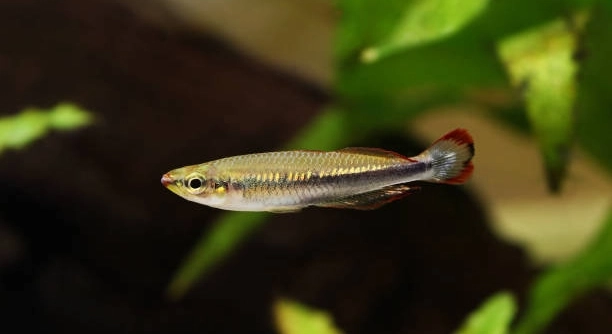
Many rainbowfish owners notice that their vibrant pets seem calmer after mealtime. Observing this behavior can be both interesting and puzzling, especially when they usually dart around the tank with energy and curiosity.
Rainbowfish often appear less active after feeding due to the natural digestion process. After consuming food, their bodies direct energy toward breaking down nutrients, which temporarily reduces swimming activity and overall movement within the aquarium environment.
Learning more about this behavior can help maintain a healthier tank routine and support your fish’s overall well-being.
Why Rainbowfish Slow Down After Eating
After feeding, rainbowfish naturally reduce their activity as part of digestion. Their bodies focus on processing nutrients, which requires energy, causing them to swim more slowly or hover near the bottom or middle of the tank. Observing this behavior is normal and usually not a sign of illness. In my experience, I’ve noticed that after meals, my rainbowfish often cluster around hiding spots or drift near plants, resting while their systems work efficiently. Water temperature and quality also influence how active they remain. Cooler water can slow digestion, making fish appear even more sluggish. Feeding frequency and portion size matter too. Overfeeding can make them lethargic, while smaller, measured meals allow consistent energy without causing sudden inactivity. Providing a balanced diet of flakes, pellets, and occasional live food keeps them healthy. Monitoring their behavior after meals helps ensure they are digesting properly and not showing stress signals.
Most rainbowfish regain normal activity within an hour of feeding, showing signs of normal energy and alertness throughout the tank.
Consistent observation helps identify patterns. Noting how long your fish stay inactive after meals allows adjustments in feeding schedules, portions, and diet types. If lethargy persists longer than expected, checking water parameters such as pH, ammonia, and nitrate levels is essential. Healthy rainbowfish require stable water conditions, and even small fluctuations can affect digestion and energy levels. I’ve learned that adding gentle currents or rearranging tank décor encourages movement without stressing the fish. Balanced lighting and temperature stability also support consistent behavior. By paying attention to these details, you can ensure your rainbowfish remain healthy and active while naturally slowing down after meals.
Common Feeding Mistakes That Reduce Activity
Overfeeding can make rainbowfish appear lethargic, reducing swimming and exploration.
Feeding too much or too frequently strains their digestive system. Excess food can lead to bloating, poor water quality, and irregular behavior. I used to overfeed mine, thinking it was harmless, but I noticed prolonged inactivity and cloudier water. Adjusting portions and providing high-quality food significantly improved their energy. Live or frozen foods should complement pellets or flakes, not replace them entirely. Timing matters too; feeding once or twice a day at consistent times helps regulate digestion. Avoid letting uneaten food sit in the tank, as this promotes bacteria growth. Even slight changes in diet composition can influence post-feeding activity. By observing their response to meals, I can fine-tune feeding routines, ensuring they remain alert while digesting comfortably. Proper feeding creates a stable routine, supporting both energy levels and long-term health. Maintaining this balance prevents unnecessary stress and keeps the tank environment cleaner and more enjoyable.
Environmental Factors Affecting Activity
Water temperature directly affects how active rainbowfish are after feeding. Cooler water slows metabolism, making them move less, while warmer, stable temperatures help maintain normal activity levels throughout digestion.
I’ve observed that my rainbowfish stay calmer after meals when the tank is slightly cooler. Sudden changes in temperature or inconsistent heating can stress them, causing prolonged inactivity. Proper filtration and aeration also play a role, as stagnant or low-oxygen water makes fish sluggish. Keeping the tank clean and monitoring water parameters ensures they remain healthy. Plants and decorations provide resting spots, which my fish often use right after eating.
Light cycles influence post-feeding activity too. Consistent, moderate lighting encourages regular swimming patterns, while abrupt changes can startle them or make them hide. I’ve noticed that after meals, gentle lighting allows them to rest comfortably without stressing their digestive process. Maintaining stable environmental conditions supports natural behavior.
Timing and Portion Control
Feeding at the same times each day helps rainbowfish digest efficiently and reduces lethargy.
Portion size has a major impact on activity. I used to give my rainbowfish too much food at once, and they often became bloated and slow for hours afterward. Dividing meals into smaller, consistent portions keeps them alert and reduces stress on their digestive system. Observing how quickly they eat also helps adjust portions to avoid waste. Feeding too little, however, can leave them restless and searching for food, which also affects behavior. Striking the right balance between quantity and frequency ensures they remain active and healthy.
Timing interacts with portion control closely. Feeding in the morning and evening works best in my experience, giving them predictable periods of energy and rest. Overfeeding late at night often left my fish lethargic for longer than expected. Regular meal schedules combined with appropriate portions help maintain normal swimming behavior after feeding, preventing sudden bursts of energy followed by extended inactivity. This routine also keeps water quality stable, reducing the risk of ammonia spikes from leftover food. Observing their response to meals allows small adjustments that improve their overall health and activity patterns.
Signs of Normal Digestion
Rainbowfish resting or swimming slowly after meals is usually a healthy sign of digestion. Watching them hover near plants or decorations is common and expected behavior.
After feeding, slight color fading or temporary inactivity is normal. Their bodies prioritize nutrient absorption, which reduces energy for active swimming.
Avoiding Overfeeding
Overfeeding can cause bloating, stress, and reduced activity. I learned to measure portions carefully and feed smaller amounts multiple times a day to maintain energy and health. Balanced diets and monitoring leftovers prevent digestive problems and keep my fish more consistently active throughout the day.
Tank Layout Considerations
Providing hiding spots and open swimming areas helps rainbowfish manage energy after feeding. They use plants or décor to rest safely while digesting, which supports natural behavior and reduces stress in the tank.
FAQ
Why do my rainbowfish stay still after eating?
After meals, rainbowfish often slow down or hover in one spot. Their bodies focus energy on digestion rather than movement. I’ve seen mine rest near plants or decorations for a short period, which is normal. This calm behavior usually lasts from a few minutes up to an hour, depending on water temperature, portion size, and type of food.
Is it normal for rainbowfish to hide after feeding?
Yes, hiding is common. Rainbowfish use plants, rocks, or décor to feel secure while digesting. When I first noticed this in my tank, I worried, but it turned out to be natural behavior. Providing adequate hiding spots helps them feel safe and prevents stress during digestion.
How long should rainbowfish remain less active after eating?
Typically, rainbowfish regain normal swimming activity within 30 to 60 minutes. Larger meals or colder water can extend this period slightly. In my experience, consistent feeding schedules and moderate portion sizes help maintain predictable post-feeding activity. Prolonged inactivity may indicate water quality or health issues.
Can overfeeding affect their energy?
Absolutely. Overfeeding can lead to bloating, sluggish swimming, and digestive discomfort. I used to feed too much at once, and my fish became noticeably inactive. Splitting food into smaller portions, two to three times daily, supports digestion and keeps them alert and energetic.
Does water temperature influence post-feeding behavior?
Yes, water temperature impacts metabolism. Cooler water slows digestion, causing prolonged inactivity, while stable, slightly warmer conditions support normal activity. I’ve adjusted my tank’s heater and noticed my fish remain more active after meals. Temperature stability is key to maintaining predictable behavior.
What types of food are best for active rainbowfish?
A balanced diet of flakes, pellets, and occasional live or frozen food works best. I alternate between high-quality flakes and small amounts of brine shrimp or daphnia. This variety supports proper digestion, prevents lethargy, and keeps them healthy, without causing sudden inactivity.
Should I be concerned if they stay inactive longer than usual?
Yes, longer inactivity can signal digestive issues, illness, or poor water conditions. I always check ammonia, nitrate, and pH levels when unusual behavior occurs. Adjusting feeding portions, improving water quality, or consulting a veterinarian ensures my rainbowfish remain healthy and active.
Does tank layout affect their post-feeding activity?
Definitely. Open swimming areas and hiding spots allow rainbowfish to rest safely while digesting. I’ve noticed mine hover near plants or decorations after meals, which helps reduce stress. A well-arranged tank promotes natural behavior and encourages a smooth return to normal activity.
How can I prevent lethargy after feeding?
Feed smaller, measured portions, maintain stable water temperature, and ensure water quality. I also provide a mix of hiding spots and open areas. Consistent schedules and balanced diets reduce excessive inactivity and support overall health. Observing their behavior regularly helps me fine-tune feeding and tank conditions.
Can stress cause post-feeding inactivity?
Yes, stress from sudden changes in lighting, tank mates, or water parameters can increase inactivity after meals. I maintain a calm environment and avoid abrupt changes, which helps my rainbowfish digest comfortably and remain active afterward.
Is it normal for younger rainbowfish to be more active after feeding than adults?
Yes, younger fish often have faster metabolisms, so they may resume swimming sooner. Adult rainbowfish digest more slowly and appear calmer for longer periods. I’ve observed this in my tank, where juveniles dart around shortly after eating while adults hover to digest.
How do I know if inactivity is a health problem?
Persistent inactivity, loss of appetite, abnormal swimming, or faded colors may indicate illness. I monitor water parameters, observe feeding responses, and check for visible signs like bloating or fin damage. Timely action, including dietary adjustments or veterinary care, prevents serious health issues.
Does feeding time affect how active they are afterward?
Yes, consistent feeding times help regulate digestion and energy levels. I feed my rainbowfish at the same times each day, which maintains predictable post-feeding behavior. Random feeding times can cause irregular activity and stress, making them less energetic or overly restless.
How do I balance diet to prevent lethargy?
Providing a mix of flake or pellet food with occasional live or frozen options ensures they receive essential nutrients without overloading digestion. I monitor portions and avoid excess fatty or protein-heavy meals. This balance keeps my rainbowfish active, healthy, and less prone to post-feeding sluggishness.
Can water flow affect digestion and activity?
Yes, gentle currents aid circulation and oxygen distribution, which supports digestion. My fish tend to stay calmer in areas with slower flow after meals. Too strong a current can stress them and reduce activity, while too little movement may slow metabolism. Maintaining balanced flow is essential.
How can I observe their behavior safely?
Watching them from outside the tank without tapping the glass allows natural post-feeding behavior. I note how long they remain inactive, where they rest, and any unusual signs. Recording these observations over time helps me adjust feeding and environmental conditions to keep them healthy.
What should I do if water quality is poor?
Poor water quality prolongs inactivity and can harm health. I perform partial water changes, monitor ammonia and nitrate levels, and clean filters regularly. Keeping water clean ensures rainbowfish digest properly, remain energetic, and reduces stress, which directly affects post-feeding behavior.
Are there differences in activity between species of rainbowfish?
Yes, some species naturally swim more slowly or digest differently. I’ve kept both Boesemani and Turquoise rainbowfish, and noticed activity levels vary after meals. Understanding species-specific behavior helps tailor feeding schedules, tank conditions, and expectations for post-feeding activity.
How important is routine observation?
Routine observation is essential. Tracking energy levels, swimming patterns, and feeding responses allows me to adjust portions, feeding times, and tank conditions. Consistent monitoring ensures rainbowfish remain healthy, active, and comfortable while naturally slowing down after meals.
Can stress from tank mates affect digestion?
Yes, aggressive or overly active tank mates can interrupt feeding and cause stress, leading to prolonged inactivity afterward. I’ve found that keeping compatible species together reduces tension, supports normal digestion, and ensures rainbowfish remain active once they’ve eaten.
Does lighting affect post-feeding behavior?
Stable lighting supports regular activity cycles. Sudden changes or excessively bright lights can startle fish, making them hide or swim less after eating. I maintain moderate, consistent lighting, which allows my rainbowfish to rest comfortably and return to normal activity smoothly.
How long should I wait between meals?
Waiting at least 8–12 hours between meals allows proper digestion. I feed mine twice daily, which balances energy needs with digestive rest. Shorter intervals can cause sluggishness and bloating, while longer intervals may leave them restless or searching for food.
Rainbowfish often slow down after feeding, and this is usually a normal part of their digestive process. After a meal, their bodies direct energy toward breaking down food and absorbing nutrients, which naturally reduces swimming activity. In my experience, watching them hover near plants or drift slowly through open water is common and healthy behavior. It does not usually indicate a problem as long as other signs of health, such as appetite, color, and fin movement, remain normal. Observing how long they stay inactive can help you understand what is typical for your fish and adjust feeding habits accordingly. I’ve noticed that consistent feeding routines, proper portion sizes, and a balanced diet all make a significant difference in maintaining predictable behavior after meals.
Environmental factors also play a key role in how active rainbowfish appear after eating. Water temperature, for example, influences metabolism, and slightly cooler water can make digestion take longer, causing fish to remain calmer. Stable lighting, gentle water flow, and a well-arranged tank with both open swimming areas and hiding spots help support natural post-feeding behavior. I found that my rainbowfish use plants or décor to rest safely while digesting, and providing these areas reduces stress and encourages them to resume normal activity at a steady pace. Water quality is equally important, as high ammonia or nitrate levels can make fish sluggish or unhealthy, so keeping the tank clean and monitoring parameters regularly ensures both digestion and overall energy levels remain optimal.
Feeding practices themselves also have a significant impact on activity levels after meals. Overfeeding can lead to bloating, reduced movement, and stress on the digestive system, while underfeeding can make fish restless and anxious. In my tank, dividing food into smaller portions and feeding at consistent times keeps rainbowfish alert and healthy without overburdening their metabolism. Offering a mix of flakes, pellets, and occasional live or frozen foods provides balanced nutrition, supporting both digestion and energy. Routine observation is important; watching how fish behave after meals allows you to notice subtle changes and adjust portions, feeding schedules, or environmental factors as needed. Paying attention to these aspects ensures rainbowfish remain active, healthy, and comfortable while naturally slowing down after eating.

Hello,
If you enjoy the content that we create, please consider saying a "Thank You!" by leaving a tip.
Every little bit helps us continue crafting quality advice that supports the health, happiness, and well-being of pets around the world, for pets of all shapes, sizes, and species.
We really appreciate the kindness and support that you show us!