
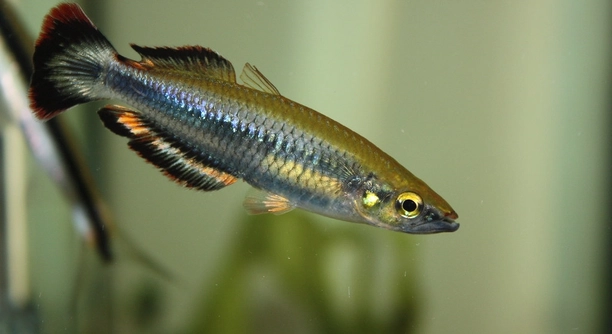
Rainbowfish are lively, colorful fish that bring beauty to any aquarium. Sometimes, their behavior can appear hesitant or cautious, leaving owners concerned. Observing their movements closely can help identify why they might seem unsure in their environment.
Rainbowfish often act unsure due to stress, changes in water conditions, or lack of proper acclimation. Environmental shifts, overcrowding, or sudden introductions of new fish can disrupt their comfort, causing hesitation and cautious swimming patterns within the tank.
Understanding these influences can help you create a stable, welcoming environment for your rainbowfish. Recognizing subtle signs of stress ensures they remain healthy, active, and confident in their aquatic home.
Common Causes of Unsure Behavior in Rainbowfish
Rainbowfish may act unsure for several reasons, many of which are connected to their environment. Sudden changes in water temperature, pH levels, or hardness can make them hesitant. They rely on stable conditions to feel safe, and fluctuations may lead to cautious movements. Overcrowding in the tank can also make them skittish, as they compete for space and resources. Adding new fish without a proper acclimation period can increase stress. Lighting and hiding spaces play a role too. Too bright or too dim light can make them reluctant to swim openly. Similarly, insufficient plants or decorations reduce areas for them to feel secure, increasing anxiety. Feeding schedules and types of food can influence their confidence as well. If they are not used to certain foods, they may avoid the area near the feeding spot. Observing patterns helps identify triggers and gradually restore comfort in their environment.
Adjusting the tank environment carefully can reduce hesitation. Consistency in care encourages confident swimming.
Regular monitoring and small adjustments allow rainbowfish to gradually regain their natural, active behavior. Patience and careful observation make a significant difference.
How Water Quality Affects Confidence
Poor water quality directly impacts rainbowfish behavior. High ammonia, nitrite, or nitrate levels make fish stressed and hesitant, even if they appear healthy on the surface.
Maintaining clean, balanced water is essential for rainbowfish to feel secure. Testing parameters regularly ensures stability. Fluctuating levels, even within acceptable ranges, can make fish act unsure or hide frequently. Water changes are crucial, but sudden large changes may worsen stress. A steady routine, partial changes, and proper filtration help maintain comfort. Temperature consistency is also key; rainbowfish prefer slightly warm water, and even small shifts can trigger hesitation. Additionally, overcrowding amplifies water quality issues, as waste accumulates faster. Observing behavior in combination with testing allows early detection of stressors. Tankmates matter too—aggressive or overly active fish increase tension, leading to shy behavior. By controlling these factors, rainbowfish regain confidence, swim actively, and explore their surroundings without fear. Simple steps, when done consistently, create a stable environment that supports natural, relaxed behavior, ensuring their overall well-being and happiness in the tank.
Tank Setup and Its Impact
Proper tank setup influences how comfortable rainbowfish feel. Inadequate hiding spots or improper plant placement can make them hesitant, while a well-structured environment encourages confident swimming.
Adding plants, rocks, and gentle decorations gives rainbowfish secure areas to explore. Open swimming areas combined with shaded zones help them adjust and feel safe. Positioning decorations thoughtfully prevents territorial disputes and allows natural movement patterns. Lighting should mimic a natural day-night cycle, avoiding sudden brightness. Consistent water flow and a properly sized tank prevent overcrowding stress. Even small changes, like moving decorations, can temporarily make them unsure. Observing how they interact with the environment highlights areas needing adjustment. Gradual improvements create a more welcoming, stress-free habitat, helping rainbowfish regain natural, active behavior and reducing hesitation over time.
A stable, well-organized tank minimizes stress, helping rainbowfish feel secure and confident in their daily activities.
Social Dynamics and Rainbowfish Confidence
Rainbowfish are social but sensitive to their tankmates. Aggressive or overly active fish can intimidate them, causing hesitancy and hiding. Proper groupings are key for comfort.
Introducing compatible species gradually reduces stress. Keeping small schools of rainbowfish together promotes natural schooling behavior, offering security. Avoid placing them with fin-nipping or highly territorial fish. Observing interactions helps identify signs of stress early, such as darting or hiding. Adjusting tank composition, rearranging decorations, and ensuring enough swimming space fosters harmony. Social comfort also comes from consistent feeding routines and minimal disturbances. When their social environment is balanced, rainbowfish swim confidently, interact normally, and display vibrant colors. Gradual acclimation to changes supports long-term comfort. Predictable routines and compatible tankmates ensure they remain active, curious, and stress-free in their shared habitat.
Feeding Habits and Confidence
Rainbowfish can act unsure if feeding routines are inconsistent. Irregular times or unfamiliar foods may make them hesitant to approach the feeding area.
Offering a variety of high-quality flakes, pellets, and occasional live or frozen foods encourages confident feeding. Consistency builds trust in their environment.
Handling Stress and Adjustment
Sudden changes, like moving the tank or introducing new items, increase stress. Rainbowfish may swim cautiously or hide until they acclimate. Patience is important. Gradual changes allow them to explore safely and regain normal behavior without prolonged hesitation.
Observing Behavior Patterns
Paying attention to swimming patterns, hiding spots, and reactions to other fish provides insight into their comfort level. Regular observation helps detect early signs of stress or illness.
FAQ
Why does my rainbowfish hide most of the time?
Rainbowfish often hide when they feel unsafe or stressed. Sudden changes in water conditions, aggressive tankmates, or an unfamiliar environment can trigger this behavior. Providing plenty of plants, decorations, and shaded areas helps them feel secure. Gradual acclimation to new fish or changes reduces hiding and encourages normal activity. Observing their behavior over time helps identify patterns and areas needing adjustment. Consistent feeding schedules and gentle lighting also support confidence. Hiding is often temporary if their environment is stable and stressors are minimized.
Can rainbowfish become shy with new tankmates?
Yes, rainbowfish are social but cautious. Introducing new fish suddenly can make them unsure and hesitant to swim freely. Keeping compatible species and adding new fish gradually helps reduce stress. Schools of at least six rainbowfish provide security and natural social interaction. Observing interactions ensures no aggressive behaviors cause ongoing anxiety. Adjusting decoration placement to create more hiding spots can also help during introductions. Over time, they usually adapt if the social environment is stable and safe.
How does water temperature affect their confidence?
Rainbowfish are sensitive to temperature changes. Even slight fluctuations can make them swim cautiously or hide. Maintaining a consistent temperature within their preferred range supports natural activity and reduces stress. Sudden drops or spikes can trigger hesitant behavior. A reliable heater and thermometer allow careful monitoring. Gradual changes when adjusting temperature prevent shock. Stable water conditions also improve appetite and color display. Regular water testing, along with steady filtration and partial water changes, ensures a balanced environment that promotes confidence and healthy behavior.
What role does diet play in their hesitation?
Rainbowfish can act unsure if their diet is inconsistent or unbalanced. Feeding at irregular times or offering unfamiliar foods may make them hesitant to approach. A mix of high-quality flakes, pellets, and occasional live or frozen foods supports natural behavior. Observing which foods they prefer helps encourage confident feeding. Overfeeding or sudden diet changes can also increase stress. Maintaining a predictable feeding routine creates a sense of security, helping rainbowfish explore and interact with their tank environment more comfortably.
How do lighting and tank setup influence their behavior?
Bright, harsh lighting or sparse decorations can make rainbowfish uneasy. Plants, rocks, and shaded areas provide hiding spots and encourage exploration. Lighting that mimics natural day-night cycles supports activity patterns. Open swimming areas combined with secure zones reduce stress. Rearranging decorations carefully prevents territorial disputes and gives fish confidence. Gradual adjustments to tank setup are better than sudden changes. A thoughtful, well-structured environment allows rainbowfish to swim naturally, interact comfortably with tankmates, and reduce hesitation over time.
Can illness make rainbowfish act unsure?
Yes, disease or parasites can cause hesitation, erratic swimming, or hiding. Loss of appetite, clamped fins, or unusual spots are signs of illness. Prompt water testing and treatment are important. Quarantining new fish before adding them to the main tank helps prevent disease spread. Maintaining stable water conditions, good diet, and a clean tank reduces the risk of illness. Early detection and intervention ensure rainbowfish recover quickly and regain confident behavior.
How long does it take for rainbowfish to feel secure?
Adjustment periods vary depending on tank conditions, social dynamics, and prior stress. Some fish adapt within days, while others may take weeks. Gradual changes, consistent feeding, and careful observation support a smoother transition. Providing hiding spots and maintaining a stable environment accelerates confidence-building. Over time, they explore more, interact normally, and display vibrant colors. Patience and attentiveness are key to helping rainbowfish feel safe and comfortable in their habitat.
What signs indicate they are becoming more confident?
Confident rainbowfish swim actively throughout the tank, explore open spaces, and interact with tankmates. They approach feeding areas without hesitation and display bright, healthy coloration. Reduced hiding and normal schooling behavior indicate comfort. Monitoring these behaviors helps gauge progress and determine whether environmental adjustments are effective. Consistent care and a stable environment reinforce these positive changes.
How do I encourage hesitant rainbowfish to explore?
Adding plants, decorations, and shaded areas encourages natural exploration. Consistent feeding routines, gentle lighting, and compatible tankmates reduce stress. Gradually rearranging decorations or introducing new items stimulates curiosity without overwhelming them. Observing reactions and making slow adjustments helps rainbowfish gain confidence. Over time, they explore more and behave naturally.
Are certain species better companions for rainbowfish?
Peaceful, similarly sized species are ideal companions. Avoid fin-nipping or overly aggressive fish. Small schools of rainbowfish support natural social behavior and reduce stress. Observing tank dynamics ensures compatibility and encourages confident, active swimming. Adjustments to tank composition may be needed if hesitation persists.
Final Thoughts
Rainbowfish are beautiful, lively fish that can bring energy and color to any aquarium. Observing them carefully is important because their behavior often reflects how comfortable they feel in their environment. When they act unsure or hesitant, it usually signals that something in their surroundings is causing stress or discomfort. This could be anything from water quality issues, sudden changes in temperature, overcrowding, aggressive tankmates, or even the way the tank is decorated. Understanding the root of their hesitation allows you to make thoughtful adjustments that can help your rainbowfish feel more secure. Small changes, such as adding plants or decorations for hiding spots, adjusting lighting, or ensuring a proper school size, can have a significant impact on their confidence. Patience is key, as fish may take time to adapt to changes, and rushing the process can increase stress rather than reduce it.
Maintaining a stable, clean environment is one of the most effective ways to encourage rainbowfish to behave naturally. Regular testing of water parameters, including pH, ammonia, nitrite, and nitrate levels, ensures their habitat remains safe. Keeping water temperature consistent and performing partial water changes on a schedule helps maintain comfort and stability. Feeding routines are equally important. Offering high-quality flakes, pellets, and occasional live or frozen foods at consistent times encourages rainbowfish to approach confidently during meals. Avoid sudden diet changes, as this can make them hesitant and reduce appetite. Observing their daily behavior allows you to identify small issues before they become major stressors. Over time, a stable environment with predictable conditions helps rainbowfish regain natural activity, bright coloration, and social behavior.
Social dynamics also play a large role in how rainbowfish behave. They are naturally social but cautious fish, and their confidence depends on tankmates and school size. Aggressive or overly active fish can intimidate them, while compatible species and a small group of rainbowfish support natural schooling and social interaction. Gradually introducing new fish or rearranging decorations reduces stress and allows them to explore safely. The combination of a well-planned tank, consistent care, and careful observation creates a habitat where rainbowfish can thrive. While hesitation and shy behavior may occur, understanding their needs and making thoughtful, gradual adjustments ensures they become active, healthy, and confident members of your aquarium. Patience, consistency, and attentiveness are the most important tools in supporting rainbowfish well-being.

Hello,
If you enjoy the content that we create, please consider saying a "Thank You!" by leaving a tip.
Every little bit helps us continue crafting quality advice that supports the health, happiness, and well-being of pets around the world, for pets of all shapes, sizes, and species.
We really appreciate the kindness and support that you show us!