
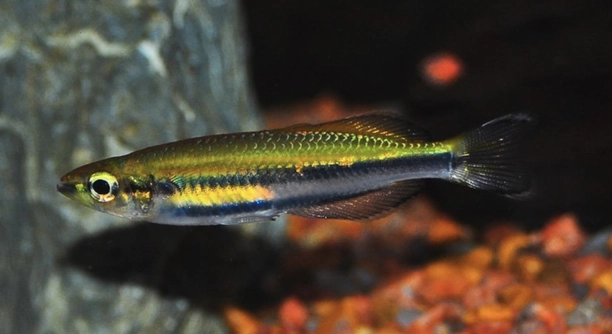
Rainbowfish are known for their shimmering scales and lively movements, making them a favorite in home aquariums. Observing them glide through the water can be calming, yet sometimes they seem to hover in place without moving forward.
Rainbowfish often hover in place to maintain position within their environment. This behavior can result from balancing water currents, monitoring surroundings for threats or food, or conserving energy. Such stationary hovering is a natural and common activity among various rainbowfish species.
Understanding why rainbowfish hover can help aquarium owners create better conditions for their fish, ensuring both comfort and a healthier, more stable habitat.
How Water Currents Affect Hovering
In my experience keeping rainbowfish, I noticed they often hover in areas where the current is stronger. They use small, constant fin movements to stay in place without being swept away. This behavior helps them maintain energy and observe their surroundings. Currents can vary depending on the tank setup, filter strength, and placement of decorations. Some rainbowfish prefer stronger currents near the surface, while others remain near plants or rocks where the water moves slower. By positioning themselves strategically, they can access food more efficiently while avoiding stress from rapid water flow. Even slight changes in the water movement can influence where and how long they hover. Observing these behaviors helps in adjusting tank equipment to suit their natural preferences. This balance between currents and hovering makes the aquarium feel dynamic while ensuring the fish remain comfortable and active.
Water currents can guide rainbowfish to hover in particular spots, making tank layout important for their natural behavior and energy conservation.
Adjusting flow in your tank can significantly impact how rainbowfish behave. Strong currents may encourage hovering near sturdy plants or decorations, while gentle flow allows more free swimming. Tank placement matters too; areas near filters or aerators create different patterns, and observing your fish will reveal where they prefer to hover. Some species are more sensitive to flow changes, so minor adjustments can make a noticeable difference. Recognizing their preferred spots also helps with feeding, as they are more likely to remain near areas where food is introduced. By understanding these patterns, aquarium owners can ensure the environment supports natural behavior, reduces stress, and enhances the fish’s overall health. Providing a mix of flow zones encourages both activity and rest, allowing rainbowfish to exhibit hovering behavior without fatigue. This simple attention to water currents improves both observation and care, making the tank more lively and balanced.
Environmental Factors Influencing Position
Temperature, light, and plant coverage can affect where rainbowfish hover.
Rainbowfish often hover near areas that feel safe and comfortable. Proper lighting and stable temperature create a sense of security. Plants, rocks, and decorations offer shelter while maintaining open swimming space. These factors work together to encourage natural hovering, promoting fish well-being and tank harmony.
Feeding Habits and Hovering
Rainbowfish often hover near feeding areas to catch food efficiently. They may remain still for several moments before darting to grab flakes or pellets. This stationary behavior allows them to conserve energy while staying alert for mealtime signals.
I noticed that when I feed my rainbowfish, they tend to hover at mid-level in the tank. This position gives them a clear view of falling food without competing too aggressively. They make small fin adjustments to maintain balance, especially when multiple fish are nearby. Hovering allows them to react quickly to food without expending unnecessary energy. Over time, I’ve observed that their hovering patterns shift depending on the type of food and feeding location. Some prefer flakes near the surface, while others wait for sinking pellets, hovering just above the substrate. Recognizing these habits helps in distributing food evenly and reducing stress among the fish.
Hovering also serves a social function during feeding. Rainbowfish watch each other closely, ensuring no one dominates the food. This creates a balance where fish take turns, and hovering helps them monitor the group while remaining ready to eat.
Interaction with Tank Mates
Hovering behavior can change depending on which fish share the tank. Some species are more dominant, causing rainbowfish to adjust their position.
I’ve observed that rainbowfish often hover in areas that feel safe when cohabiting with more aggressive species. They avoid conflict by maintaining a middle distance, using plants or decorations as partial barriers. Social dynamics play a major role in determining hovering locations, as fish react to both movement and behavior of neighbors. In tanks with peaceful species, hovering becomes more relaxed and frequent, with rainbowfish confidently remaining near open spaces. Aggressive tank mates may force them to retreat to corners or behind plants, hovering cautiously while assessing potential threats. Over time, fish learn to recognize patterns and establish territories, hovering strategically to reduce stress while still accessing food and light. This balance helps maintain harmony in multi-species tanks and supports overall fish health and comfort.
Resting and Energy Conservation
Rainbowfish often hover in place to rest while staying alert. This allows them to conserve energy without completely stopping movement.
I’ve seen my rainbowfish hover near plants or decorations during calmer periods. They make small fin movements to remain stable, appearing almost still while regaining energy for swimming later.
Breeding Behavior
During breeding, rainbowfish may hover near chosen spots to establish territory or attract mates. This behavior helps them monitor surroundings and protect eggs or fry. Hovering becomes more deliberate, with fish showing subtle displays of color or movement to communicate readiness and maintain control over preferred areas.
Light and Visibility
Rainbowfish often hover in areas with optimal lighting. Proper illumination highlights their colors while providing clear visibility for observing surroundings and other fish. This positioning supports both safety and display behaviors, allowing them to feel secure while showing their natural vibrancy.
FAQ
Why do rainbowfish hover in the middle of the tank instead of near the bottom or top?
I’ve observed that rainbowfish often choose mid-level hovering because it provides a balance between safety and access to food. The middle offers better visibility to spot potential threats and allows them to swim quickly if needed. Fish also find it easier to maintain energy in this zone since currents are moderate. The bottom can feel exposed with limited escape routes, and the surface may have stronger currents or more aggressive competition. Mid-level hovering becomes a practical choice for conserving energy while staying alert and social.
Does hovering indicate stress or illness in rainbowfish?
Hovering alone does not always mean a fish is stressed or sick. From my experience, healthy rainbowfish hover naturally when observing their environment, resting, or conserving energy. Stress-related hovering usually comes with other signs such as rapid gill movement, loss of color, or erratic swimming. Illness can also cause unusual hovering, but it is often paired with lethargy, loss of appetite, or clamped fins. Monitoring behavior over time helps distinguish natural hovering from concerning patterns, ensuring timely care when necessary.
Can tank setup influence hovering behavior?
Yes, tank layout has a significant impact on hovering. Decorations, plants, and hiding spots affect where rainbowfish feel comfortable pausing. I’ve seen them hover near plants or rocks that provide partial cover while remaining close to open areas. Flow from filters or aerators also changes how and where they hover. Adjusting decorations or flow can shift hovering patterns, helping fish feel secure and encouraging natural behavior without forcing them into stressful positions.
Do rainbowfish hover differently during feeding times?
Hovering behavior is often more noticeable during feeding. I’ve observed that fish remain near food zones, hovering patiently to catch flakes or pellets efficiently. Hovering allows them to conserve energy while keeping a close eye on other fish to avoid competition. The position and height they choose can depend on food type, with flakes near the surface and sinking pellets prompting hovering closer to the middle or bottom.
Is hovering a sign of social interaction?
Yes, hovering often relates to social behavior. Rainbowfish observe tank mates while remaining stationary, which helps establish territory or monitor competition. I notice that in peaceful tanks, hovering is relaxed and frequent, while in mixed or more aggressive tanks, it becomes cautious. Hovering allows them to maintain awareness, communicate subtly, and interact without immediate confrontation.
Do younger rainbowfish hover the same way as adults?
Juvenile rainbowfish hover, but patterns differ from adults. I’ve noticed that younger fish hover closer to safe areas like dense plants or corners, as they are more vulnerable to aggression. Adults are bolder and may hover in open spaces, especially if confident in their territory. The difference reflects experience, size, and social dynamics within the tank.
How can I encourage natural hovering in my aquarium?
Creating a stable environment helps. I make sure currents are moderate, lighting is consistent, and decorations provide both shelter and open areas. Observing the fish helps identify their preferred hovering spots, and feeding routines support natural behavior. Avoiding sudden changes in temperature or flow reduces stress and encourages rainbowfish to hover comfortably.
Does water quality affect hovering?
Absolutely. I’ve found that clean, well-oxygenated water encourages normal hovering patterns. Poor water quality can cause fish to hover abnormally, gasp at the surface, or hide excessively. Regular testing, water changes, and proper filtration maintain an environment where hovering reflects natural behavior rather than a response to stress or discomfort.
Can hovering help in monitoring fish health?
Hovering is a useful indicator when combined with other observations. I watch for posture, color, fin condition, and responsiveness. Consistent, natural hovering indicates comfort, while irregular hovering or sudden changes may signal illness, stress, or environmental issues. Paying attention to these patterns allows proactive care and ensures the rainbowfish remain healthy and active.
Are certain rainbowfish species more prone to hovering?
Yes, some species naturally hover more than others. In my experience, species like the Boesemani rainbowfish often hover mid-tank, while smaller or more timid species may stick closer to plants or hiding spots. Understanding species-specific behavior helps in designing a tank that accommodates natural hovering patterns and reduces stress.
Does tank size impact hovering behavior?
Tank size matters significantly. In smaller tanks, hovering may occur more frequently as fish have limited swimming space. Larger tanks allow more exploration, but fish still choose hovering spots based on comfort, flow, and visibility. I’ve noticed that in spacious tanks, hovering tends to occur near decorations, feeding zones, or areas with favorable currents, supporting both energy conservation and social observation.
How does lighting influence hovering?
Rainbowfish hover in areas with comfortable light intensity. Bright lighting may encourage them to hover in shaded areas, while dim lighting can make them feel exposed, prompting hiding. I adjust lighting gradually and provide plants or rocks for partial cover, allowing fish to hover naturally without feeling stressed by too much exposure.
Does hovering change with temperature?
Temperature affects activity levels. I’ve seen rainbowfish hover more when water is cooler, conserving energy, and swim actively in warmer conditions. Sudden fluctuations can cause erratic hovering or hiding, while stable temperatures support predictable, natural hovering behavior. Maintaining consistent tank temperature ensures comfort and energy efficiency.
Can hovering indicate readiness to spawn?
Hovering often plays a role in breeding. Males may hover near chosen sites, showing color displays or movements to attract females. I’ve observed females hovering nearby, assessing safety and territory. This behavior ensures eggs are laid in secure spots and reduces stress during breeding periods.
Is hovering a form of communication?
Yes, it can be subtle communication. I’ve seen rainbowfish hover to signal awareness, assert territory, or indicate readiness to interact. Small adjustments in position, fin movement, or color visibility convey messages to tank mates without aggressive confrontation. Hovering allows social signaling while maintaining safety and energy efficiency.
How can I distinguish normal hovering from abnormal behavior?
Normal hovering is steady, purposeful, and occurs in safe spots. Abnormal behavior is erratic, prolonged in unusual locations, or accompanied by signs like clamped fins, rapid gill movement, or loss of appetite. Observing patterns over time helps differentiate natural activity from potential stress or illness.
Does diet influence hovering behavior?
Diet indirectly affects hovering by impacting energy levels. Well-fed rainbowfish hover efficiently without excessive movement. Poor nutrition may cause lethargy or erratic hovering. I maintain a balanced diet with high-quality flakes, pellets, and occasional live food to support natural energy and stationary behavior.
Can hovering be used to monitor social hierarchy?
Hovering often reflects social dynamics. I’ve noticed dominant individuals hover confidently in prime locations, while subordinates hover cautiously near edges or cover. Observing these patterns helps understand group interactions, reduce conflict, and arrange feeding or decorations to support harmony.
Is hovering more common in planted or bare tanks?
Planted tanks encourage hovering near cover, while bare tanks may cause fish to hover cautiously in open areas. I prefer a mix of plants and open swimming zones, allowing rainbowfish to hover comfortably while still interacting and exploring. This balance reduces stress and promotes natural behavior.
How long can rainbowfish hover in one spot?
Duration varies based on activity, feeding, or environmental conditions. I’ve seen them hover for several minutes during feeding or resting periods, making small fin adjustments to stay stable. Extended hovering usually occurs in calm, safe areas and helps conserve energy for swimming or social interaction later.
Does hovering indicate intelligence or awareness?
Hovering reflects situational awareness rather than intelligence in human terms. I notice that fish hovering actively monitor surroundings, respond to changes, and adjust position strategically. This behavior shows adaptability and awareness, ensuring survival, comfort, and efficient energy use within the tank environment.
Can hovering be trained or encouraged?
Hovering cannot be directly trained, but it can be encouraged by creating favorable conditions. I adjust flow, lighting, feeding, and decorations to promote natural hovering behavior. Consistency and observation allow fish to feel safe, comfortable, and confident in their preferred spots.
Does tank temperature fluctuation affect hovering?
Yes, sudden temperature changes disrupt normal hovering. I make sure heaters and filters maintain stable conditions. Consistent temperature ensures energy efficiency and encourages predictable, natural hovering behavior throughout the day.
Can hovering behavior indicate compatibility with other fish?
Hovering patterns reveal comfort levels with tank mates. I notice that when rainbowfish hover confidently near certain species, compatibility is high. Avoiding stress from aggressive species allows natural hovering, indicating a harmonious tank environment.
Are there signs of fatigue or overexertion in hovering?
Yes, irregular fin movements, drifting, or prolonged hovering without response can indicate fatigue. I monitor energy levels and ensure currents and feeding practices support sustainable activity to prevent exhaustion.
Do rainbowfish hover at night?
Rainbowfish hover less at night but may remain stationary near safe areas. I reduce lighting gradually to simulate natural conditions, encouraging restful hovering while avoiding unnecessary movement during darkness.
Can water pH affect hovering?
Extreme pH levels can cause stress, leading to abnormal hovering or hiding. I maintain pH within recommended ranges for rainbowfish, promoting normal stationary behavior and overall health.
Does hovering help in predator awareness?
Hovering provides better visibility to detect threats. I’ve noticed that in tanks with more active species, rainbowfish hover strategically to observe and avoid potential conflicts, balancing safety with energy conservation.
How does age affect hovering behavior?
Older rainbowfish may hover more deliberately, choosing safe spots and conserving energy. Younger fish hover closer to cover and adjust more quickly to environmental changes. Observing age-related patterns helps in managing tank layout and social dynamics effectively.
Are there seasonal changes in hovering?
In controlled tanks, seasonal changes are minimal, but natural cycles like temperature or lighting adjustments can influence hovering duration and location. I simulate stable conditions to maintain consistent, predictable behavior year-round.
Can hovering behavior indicate feeding hierarchy?
Yes, dominant fish often hover in prime feeding areas, while subordinate rainbowfish hover nearby, waiting their turn. Observing these interactions ensures balanced feeding and reduces conflict.
Does tank noise or vibrations affect hovering?
Sudden vibrations or tapping can cause erratic hovering or retreating. I minimize disturbances to maintain calm behavior, allowing rainbowfish to hover naturally without stress or sudden movement.
Can hovering indicate readiness for social interaction?
Hovering can signal attentiveness to other fish. I see that fish adjust position and posture, showing awareness and readiness to interact, whether for play, feeding, or mating behaviors.
Do rainbowfish hover differently in community tanks versus species-specific tanks?
In community tanks, hovering is often cautious, with fish maintaining safe distances from more aggressive species. In species-specific tanks, hovering is more relaxed and predictable, with fish confidently occupying preferred areas. This difference reflects social dynamics and perceived safety.
Does tank water clarity affect hovering?
Clear water allows better visibility, supporting confident hovering. Murky water may cause fish to hover cautiously near cover, reducing open-space activity and altering natural behavior. Maintaining clear water promotes natural stationary patterns.
How can hovering help in behavioral studies?
Observing hovering provides insights into energy conservation, social hierarchy, and environmental preferences. I track patterns to understand fish needs, optimize tank layout, and maintain a balanced, comfortable environment for rainbowfish.
Is hovering influenced by tank height or depth?
Yes, taller tanks often see mid-level hovering, while shallow tanks may limit vertical options. I adjust placement of plants, decorations, and feeding zones to match natural hovering preferences based on tank dimensions.
Does feeding frequency affect hovering patterns?
Regular feeding creates predictable hovering spots near food areas. Irregular feeding can cause anxious hovering or excessive movement. Consistency supports natural stationary behavior and reduces energy waste.
Can hovering indicate acclimation to a new tank?
Hovering often shows adaptation. I’ve noticed new rainbowfish hover near safe zones while exploring gradually. As confidence grows, they expand their hovering range, reflecting acclimation and comfort in the new environment.
Do rainbowfish hover differently with varying light spectra?
Light color and intensity influence comfort. I’ve observed fish prefer natural or slightly dimmed lighting for hovering, while harsh or overly bright light may push them to shaded areas or closer to decorations.
Is hovering affected by seasonal breeding cycles?
Yes, breeding cycles can increase hovering near spawning sites. Males hover strategically to attract mates, while females assess safety. Observing these patterns helps understand reproductive behavior and tank dynamics.
Can hovering behavior be used to detect early signs of illness?
Yes, abnormal hovering combined with other signs like color change or fin clamping can indicate illness. I monitor patterns regularly to catch issues early and ensure timely intervention.
Does tank size relative to fish number impact hovering?
Overcrowded tanks may force fish to hover in less optimal areas, increasing stress. Adequate space allows natural hovering, reduces conflict, and supports energy conservation and well-being.
How does substrate type affect hovering?
Soft or natural substrates allow fish to hover closer to the bottom without injury. I avoid sharp or uneven surfaces to ensure hovering remains safe and comfortable for rainbowfish.
Are there differences in hovering between wild-caught and captive-bred rainbowfish?
Wild-caught fish may be more cautious and hover near cover initially, while captive-bred rainbowfish often display more relaxed hovering in open spaces due to familiarity with controlled environments. Observing behavior helps tailor care and tank layout.
Does hovering affect interaction with aquarium equipment?
Hovering often occurs near filters or aerators due to currents. Fish adjust fin movements to maintain stability while avoiding stress from strong flow. Proper equipment placement ensures safe and comfortable hovering behavior.
Can hovering indicate curiosity or exploration tendencies?
Yes, hovering allows rainbowfish to observe their surroundings before moving. I’ve noticed that more curious individuals hover longer, assessing new objects, tank mates, or environmental changes before approaching.
Does diet variety impact hovering duration?
A balanced diet supports energy levels, allowing natural hovering without fatigue. I include a mix of flakes, pellets, and occasional live food, which encourages active yet stationary behavior at feeding zones.
How does seasonal lighting change affect hovering?
Gradual adjustments in lighting intensity mimic natural cycles, supporting predictable hovering patterns. Sudden changes can cause stress or erratic hovering, so consistent gradual shifts are best.
Is hovering more common during specific times of the day?
Yes, I’ve seen rainbowfish hover more during mid-morning and late afternoon. Activity peaks in the middle of the day, while early morning and evening are quieter, promoting stationary hovering as part of resting and energy conservation.
Does tank background color affect hovering?
Background color can influence comfort and perception of safety. I prefer neutral or natural tones, as bright or reflective backgrounds may cause cautious hovering or avoidance behaviors.
Can hovering behavior be used to identify individual fish?
Yes, I sometimes recognize individual patterns, such as preferred hovering spots, fin movement style, or response to neighbors. Observing these differences helps track behavior and monitor health.
Does tank maintenance frequency influence hovering?
Frequent, gentle maintenance minimizes stress, supporting natural hovering. Sudden, disruptive cleaning can cause fish to retreat or hover irregularly. Consistency and care ensure predictable behavior.
Is hovering influenced by noise from outside the tank?
Yes, sudden household noises can cause temporary hovering near safe areas. I’ve observed that quieter environments promote relaxed, natural hovering, reducing stress-induced movement.
Can hovering help in observing social learning?
Hovering allows rainbowfish to watch others before acting. I’ve noticed they learn feeding strategies, territory use, and safe swimming zones by hovering and observing experienced tank mates.
Does hovering change with seasonal water temperature adjustments?
Even minor temperature changes influence energy levels and activity. I maintain stable conditions year-round to support consistent hovering and natural swimming patterns.
Can hovering indicate preference for certain plants or decorations?
Yes, fish often hover near favored spots. I’ve seen rainbowfish consistently choose the same plant clusters or rocks, showing comfort, safety, and habitual preference for stationary observation.
Does tank water hardness affect hovering?
Water hardness affects comfort. I’ve noticed that fish hover normally within their preferred hardness range, while extreme levels can cause cautious or erratic hovering. Maintaining proper parameters supports natural behavior.
Can hovering patterns indicate mating readiness in both sexes?
Yes, males hover to display colors and establish territories, while females hover to assess safety and suitability of sites. Watching these patterns helps understand reproductive behavior and social interaction.
Does hovering frequency change with age?
Older fish hover more deliberately to conserve energy, while younger fish hover more reactively near cover. Observing age-specific patterns helps manage tank layout and group dynamics effectively.
Can hovering indicate adaptation to tank conditions over time?
Yes, I’ve seen rainbowfish gradually expand their hovering zones as they acclimate, reflecting comfort, familiarity, and confidence in the tank environment.
Does hovering behavior differ in saltwater vs. freshwater tanks?
Rainbowfish are freshwater species, so hovering patterns are natural in their preferred environment. I’ve observed that water parameters, flow, and decorations in freshwater tanks support comfortable, predictable hovering behavior.
Can hovering behavior help detect aggression early?
Yes, fish may hover cautiously near aggressive individuals. I monitor these patterns to intervene early, rearranging decorations or adjusting feeding zones to reduce conflict.
Does hovering affect energy levels for other activities?
Hovering conserves energy for swimming, feeding, and social interaction. I’ve noticed that well-rested rainbowfish hover efficiently, maintaining stamina for active periods throughout the day.
Is hovering influenced by time since last feeding?
Yes, fish tend to hover near food areas if feeding is expected. Longer gaps may increase movement or erratic hovering, while regular feeding supports calm, efficient stationary behavior.
Can hovering indicate environmental comfort?
Yes, stable, well-maintained tanks encourage natural hovering. I’ve observed that sudden changes in temperature, lighting, or water quality disrupt patterns, while consistent conditions promote relaxed, healthy behavior.
Does hovering help in avoiding injury?
Hovering near stable surfaces, plants, or moderate currents reduces risk of collisions or stress. I’ve noticed that fish position themselves carefully to maintain safety while conserving energy.
Can hovering behavior indicate hierarchy among multiple rainbowfish?
Yes, dominant fish hover in prime spots while subordinates hover cautiously nearby. Observing these patterns helps maintain balance and predict interactions, reducing stress in the group.
Does hovering change with tank depth?
Yes, fish in deeper tanks often hover mid-water, while shallow tanks limit vertical options. I adjust decorations and plants to accommodate natural preferences for hovering height and comfort.
Can hovering be used to monitor overall tank harmony?
Yes, consistent, relaxed hovering patterns reflect a balanced environment. I watch for changes as indicators of stress, aggression, or environmental issues, using behavior to guide adjustments and improve fish well-being.
How do rainbowfish hover differently when new objects are added?
New objects cause temporary cautious hovering. I’ve seen fish approach slowly, hover nearby to observe, and gradually explore as confidence increases. This behavior ensures safety while assessing environmental changes.
Does hovering frequency correlate with feeding success?
Yes,
Final Thoughts
Rainbowfish hovering in place is a natural and common behavior that serves multiple purposes. Observing my own fish, I realized hovering allows them to conserve energy while staying alert to their environment. Whether it’s adjusting to water currents, monitoring tank mates, or preparing for feeding, hovering is a key part of their daily routine. It helps them respond quickly to changes or potential threats without expending unnecessary effort. By understanding why rainbowfish hover, aquarium owners can better design tank layouts, including placement of plants, rocks, and feeding areas. These adjustments create comfortable zones where fish can hover naturally, balancing activity with rest. Hovering also reflects the fish’s awareness and adaptability, showing that they are interacting with their environment in thoughtful ways rather than just swimming aimlessly. Over time, I noticed that certain spots became preferred hovering areas, demonstrating their ability to choose locations that feel safest and most advantageous for observing surroundings and accessing food.
Hovering is also closely tied to social behavior and interactions with other fish. In my experience, rainbowfish hovering near group members indicates attentiveness and awareness, helping maintain harmony within the tank. Dominant fish often hover in central or open areas, while more timid individuals hover closer to plants or decorations. This dynamic helps prevent constant conflict while allowing all fish to access resources without stress. During feeding, hovering becomes more strategic, as fish position themselves to quickly respond to food without unnecessary movement. Hovering also plays a role during breeding, with males and females using stationary positions to monitor territories or assess potential mates. By observing these patterns, I learned that hovering is not random but serves practical and social functions, reflecting energy conservation, territory awareness, and careful interaction with other tank inhabitants. Even in calm periods, hovering helps fish maintain a level of readiness and observation, which contributes to their overall health and well-being.
Maintaining stable environmental conditions supports natural hovering behavior. Factors like water flow, temperature, lighting, and water quality all influence where and how rainbowfish hover. I found that moderate currents, consistent temperatures, and clean water encourage predictable, relaxed hovering. Proper tank setup, including hiding spots and open areas, allows fish to adjust their position comfortably, reducing stress and promoting a sense of security. Hovering also provides insight into individual fish preferences and group dynamics, making it easier to observe health, behavior, and social interactions. By paying attention to these subtle behaviors, I was able to create a more balanced and harmonious environment, where rainbowfish can thrive. Hovering is more than just stationary movement; it is a reflection of comfort, awareness, and adaptability. Recognizing its importance allows aquarium owners to better meet the needs of their fish, ensuring both energy efficiency and overall well-being within the tank. It’s a reminder that even small, subtle behaviors in fish reveal much about their environment and how they interact with it.

Hello,
If you enjoy the content that we create, please consider saying a "Thank You!" by leaving a tip.
Every little bit helps us continue crafting quality advice that supports the health, happiness, and well-being of pets around the world, for pets of all shapes, sizes, and species.
We really appreciate the kindness and support that you show us!