
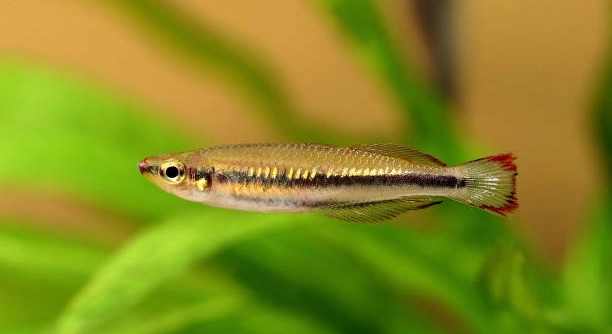
Rainbowfish are small, colorful fish often admired for their shimmering scales and lively movements in aquariums. Many owners notice that these fish sometimes flick their fins rapidly, catching attention with their sudden bursts of motion.
Rainbowfish may flick their fins rapidly for several reasons, including communication, establishing territory, or responding to changes in their environment. This behavior can indicate stress, excitement, or social interaction among other fish in the same habitat.
Observing this behavior closely can reveal more about the fish’s mood and overall well-being in your aquarium environment.
Understanding Fin-Flicking Behavior
Rainbowfish flick their fins rapidly for a variety of natural reasons. One common explanation is communication with other fish. In their natural habitats, small movements like fin flicks can signal dominance, submission, or readiness to mate. These motions are subtle but important in maintaining social balance among the group. Stress is another factor that can trigger rapid fin movement. Changes in water quality, temperature fluctuations, or overcrowded tanks can make fish feel unsafe, leading to quick fin flicks. Sometimes, this behavior is simply a response to external stimuli. A sudden movement outside the tank or introduction of a new object can startle the fish, prompting a brief burst of fin flicking. Observing when and how often your rainbowfish flick their fins helps identify whether it is a natural behavior or a response to environmental changes. Monitoring water conditions and tank layout can reduce unnecessary stress and encourage calmer behavior.
This behavior is usually harmless if the environment is stable, and it often reflects normal social interactions.
Tracking these fin movements over time gives a clear picture of your fish’s comfort and social dynamics, allowing you to adjust tank conditions effectively to ensure healthy and balanced behavior.
Environmental Triggers
Water conditions can directly influence how often rainbowfish flick their fins.
Rapid fin flicking often results from sudden shifts in water temperature, pH, or hardness. Fish are sensitive to changes in their surroundings, and even minor fluctuations can lead to stress responses. Poor water quality, including high ammonia or nitrate levels, can also make rainbowfish uneasy, prompting frequent fin movements. In addition to chemical factors, physical aspects of the tank such as overcrowding or a lack of hiding spaces may contribute to the behavior. Rainbowfish feel more secure with proper space, plants, and decorations that mimic their natural environment. A sudden introduction of new tank mates can lead to temporary increases in fin flicking as fish establish hierarchies and territories. Consistent maintenance, monitoring, and gradual changes in the environment help reduce unnecessary stress, keeping rainbowfish calmer.
To minimize fin-flicking stress, maintain consistent water parameters, provide ample hiding spots, and avoid overcrowding. Gradual adjustments when introducing new fish or décor will help rainbowfish adapt without excessive fin movement, supporting a healthier and more stable aquarium environment.
Social Interactions
Rainbowfish often flick their fins when interacting with other fish. This behavior can signal dominance or submission, helping them establish their place in the group. It is a natural part of their social behavior and usually does not indicate a problem if the tank environment is stable.
Fin flicking during social interactions can also be a way for rainbowfish to attract attention for mating purposes. Males may display their fins more prominently to show off their colors, while females may respond with subtle movements. These interactions are important for maintaining social balance, reducing conflicts, and ensuring healthy group dynamics. Observing these behaviors gives insight into how your fish communicate and interact without needing direct intervention.
In crowded tanks, fin flicking may become more frequent as fish compete for territory or resources. Providing adequate space and hiding spots reduces stress and allows each fish to display natural social behaviors. This helps prevent aggressive interactions and supports a calmer, more balanced aquarium environment for all the rainbowfish.
Response to External Stimuli
Rainbowfish respond quickly to sudden changes or movements around their tank. This includes shadows, lights, or people approaching. These stimuli trigger rapid fin flicks as part of a reflexive reaction to potential threats or unexpected activity nearby.
Sudden external changes can startle rainbowfish even if the tank conditions are optimal. Quick movements outside the tank, abrupt lighting changes, or tapping on the glass can lead to bursts of fin-flicking behavior. This response is instinctual, originating from their need to detect predators or sudden environmental changes. Frequent disturbances may increase stress, so observing the tank from a distance and limiting abrupt changes can help maintain calmer behavior. Rainbowfish often return to normal movement patterns once they feel secure, but repeated exposure to sudden stimuli can make them more reactive over time.
Providing a stable environment with consistent lighting, minimal abrupt disturbances, and secure tank décor helps reduce these stress-induced fin flicks. Over time, the fish learn to adapt, maintaining natural behavior while remaining alert but not constantly stressed. This approach improves overall well-being and allows rainbowfish to thrive comfortably in their home aquarium.
Stress and Anxiety
Rainbowfish may flick their fins rapidly when feeling stressed or anxious. Common causes include overcrowding, poor water quality, or sudden changes in their environment. Recognizing these signs early can prevent more serious health issues from developing.
Stress-induced fin flicking often coincides with other behaviors, such as hiding, reduced appetite, or erratic swimming. These signs indicate that the fish may be uncomfortable in its surroundings. Addressing tank conditions and ensuring proper space can help reduce anxiety and restore normal behavior.
Health-Related Causes
Rapid fin movements can sometimes signal underlying health problems. Parasites, infections, or fin damage may trigger frequent flicking as the fish attempts to relieve irritation or discomfort. Prompt observation and treatment are essential to prevent worsening conditions.
Feeding Behavior
Rainbowfish occasionally flick their fins during feeding. This movement helps them navigate quickly to food and compete with other fish, ensuring they get their share without aggression.
FAQ
Why do my rainbowfish flick their fins more at certain times of the day?
Rainbowfish often flick their fins more during periods of high activity, usually in the morning or late afternoon. These times coincide with feeding or social interactions among the group. Increased movement may also result from changes in light levels, signaling a natural rhythm in their daily behavior.
Can rapid fin flicking indicate illness?
Yes, frequent or unusual fin flicking can sometimes point to health issues. Parasites, bacterial infections, or fin rot can cause discomfort, prompting the fish to flick their fins. Observing other signs like lethargy, clamped fins, or loss of appetite helps identify if medical attention is needed.
Is fin flicking normal when new fish are added?
Absolutely. Rainbowfish may flick their fins more when new tank mates arrive. This behavior is part of establishing social hierarchies and territories. Once the fish adjust and routines stabilize, fin flicking usually returns to normal levels.
Does water quality affect fin flicking?
Poor water conditions are a common trigger for rapid fin movement. High ammonia, nitrite, or nitrate levels, along with improper pH or temperature, can stress fish and lead to increased fin flicking. Regular water testing and maintenance help minimize stress and maintain calm behavior.
Can flicking fins be a mating behavior?
Yes, fin flicking can be part of courtship. Male rainbowfish often display their fins to attract females, showing off color and strength. These movements are usually more frequent during breeding periods and are considered normal social behavior.
Should I separate aggressive fish if fin flicking is excessive?
If fin flicking comes with chasing or nipping, it may indicate aggression. Providing more space, hiding spots, or separating overly aggressive individuals can prevent stress and injuries. Proper tank size and careful observation are key to managing these interactions effectively.
Do rainbowfish flick fins when they are stressed by changes in the environment?
Yes, sudden changes like moving the tank, rearranging decorations, or tapping on the glass can cause rapid fin flicking. These are reflexive responses to potential threats. Maintaining consistency and minimizing disturbances helps reduce stress-induced flicking.
Can diet influence fin flicking behavior?
A poor diet may indirectly contribute to increased fin flicking by weakening the fish or making them more irritable. Providing a balanced diet rich in nutrients helps maintain health and reduces stress-related movements. Observing feeding habits alongside fin behavior can give insight into overall well-being.
Is fin flicking harmful to rainbowfish?
Occasional fin flicking is a natural behavior and not harmful. Problems arise only when it is excessive and accompanied by signs of stress or illness. Monitoring tank conditions and fish interactions ensures that fin flicking remains part of normal activity without health risks.
How can I tell if fin flicking is social or stress-related?
Social fin flicking usually occurs during interactions with other fish and is paired with normal swimming and feeding. Stress-related flicking often appears alongside hiding, erratic swimming, or color changes. Close observation over time allows differentiation between normal communication and stress indicators.
Does tank size affect fin flicking frequency?
Yes, smaller tanks can lead to more frequent fin flicking due to stress or competition for space. Larger, well-structured tanks with hiding spots reduce unnecessary movements and allow fish to display natural behaviors comfortably.
Can introducing plants or décor reduce fin flicking?
Providing plants and decorations gives rainbowfish hiding spaces and reduces stress. This setup allows them to explore without feeling exposed, lowering the frequency of rapid fin movements while supporting natural behavior patterns.
How long does fin flicking last after a change in tank conditions?
The duration depends on the fish and the change. Minor disturbances may cause flicking for a few minutes, while significant environmental stress can lead to prolonged episodes. Observing and gradually stabilizing the tank environment helps return behavior to normal.
Are young rainbowfish more prone to fin flicking?
Yes, juveniles often flick their fins more frequently as they establish social hierarchies and explore their surroundings. As they mature and adjust to the tank, fin flicking usually becomes less frequent and more purposeful.
Does the presence of other species influence fin flicking?
Other fish species in the tank can trigger fin flicking, especially if they are active, territorial, or larger. Rainbowfish respond to movement and competition, so tankmates should be chosen carefully to maintain peaceful interactions and minimize stress behaviors.
Can sudden noises outside the tank cause fin flicking?
Yes, rainbowfish are sensitive to vibrations and sounds. Sudden bangs or consistent loud noises may provoke rapid fin movements. Placing the tank in a quieter area and avoiding tapping the glass reduces stress-related flicking.
Is increased fin flicking always a sign of poor water quality?
Not always. While poor water quality is a common factor, fin flicking can also result from social behavior, feeding excitement, or mating displays. Observing other signs and testing water parameters helps determine the exact cause.
Does temperature change affect fin flicking?
Rainbowfish are sensitive to water temperature. Sudden drops or increases can trigger rapid fin flicking as a stress response. Maintaining stable temperature within the recommended range minimizes these reactions and supports consistent, calm behavior.
Can introducing hiding spots completely stop fin flicking?
Hiding spots reduce stress-related fin flicking but cannot eliminate natural fin movements, which are part of social interactions and exploration. They provide security and comfort, helping fish display normal behaviors without excessive stress-related flicking.
Are fin flicking patterns different between males and females?
Yes, males often flick their fins more during courtship or territorial displays, while females may show subtler movements. Understanding these patterns can help distinguish between social signals, mating behavior, and stress responses, improving observation of fish health and behavior.
How often should I monitor fin flicking behavior?
Daily observation is recommended to catch changes early. Noting patterns in fin flicking alongside feeding, swimming, and social interactions helps identify stressors or health concerns promptly. Consistent monitoring supports a stable, healthy aquarium environment for rainbowfish.
Rainbowfish are lively, colorful fish that can bring a lot of movement and beauty to an aquarium. One behavior that often draws attention is their rapid fin flicking. While it may seem unusual or concerning at first, this behavior is generally a natural part of their daily activity. Rainbowfish use fin flicking to communicate with other fish, show excitement, or respond to changes in their environment. In many cases, this motion is completely normal and does not indicate any health problem. Observing your rainbowfish carefully over time can help you understand the patterns and triggers for this behavior. By paying attention to when and how often they flick their fins, you can gain insight into their social dynamics, mood, and overall well-being.
Environmental conditions play a significant role in how frequently rainbowfish flick their fins. Sudden changes in water temperature, pH levels, or general water quality can increase stress, leading to more frequent fin movements. Similarly, the presence of other fish, overcrowding, or lack of hiding spots can make rainbowfish feel unsettled, which may also result in rapid flicking. By maintaining stable water conditions, providing adequate space, and adding plants or decorations for hiding, you can create a comfortable environment where fish are less stressed and more likely to display natural behavior calmly. Understanding the impact of environmental factors allows you to take practical steps to reduce unnecessary stress, keeping the fish healthier and more relaxed. Regular observation and maintenance are key to ensuring your rainbowfish feel secure and behave naturally.
It is also important to consider health and social factors when evaluating fin flicking. Rapid fin movement can sometimes be related to illness, parasites, or irritation, but more often it is part of normal social behavior such as establishing hierarchy or mating displays. Male and female rainbowfish may flick their fins differently, with males often showing more noticeable movements during courtship or territorial interactions. Watching these interactions closely helps differentiate between natural behavior and potential stress or health concerns. Additionally, providing a balanced diet, consistent feeding schedule, and careful monitoring of tank mates can minimize unnecessary competition or aggression, reducing stress-related fin flicking. With proper care, observation, and attention to both environmental and social needs, rainbowfish can thrive in home aquariums while expressing natural behaviors, including their lively and characteristic fin flicking.

Hello,
If you enjoy the content that we create, please consider saying a "Thank You!" by leaving a tip.
Every little bit helps us continue crafting quality advice that supports the health, happiness, and well-being of pets around the world, for pets of all shapes, sizes, and species.
We really appreciate the kindness and support that you show us!