
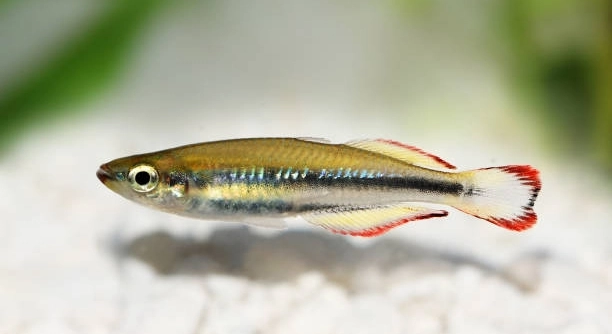
Rainbowfish are small, vibrant freshwater fish that bring life to home aquariums. Their colors and playful movements make them captivating, and many enthusiasts enjoy observing their behaviors in carefully maintained aquatic environments.
Research indicates that rainbowfish are capable of recognizing consistent patterns in their environment. This ability allows them to anticipate regular events, respond to predictable stimuli, and adapt their behavior accordingly, highlighting a level of cognitive processing beyond simple reflexive actions.
Understanding how rainbowfish perceive patterns can enhance aquarium care and enrich their daily environment for long-term well-being.
Understanding Pattern Recognition in Rainbowfish
Rainbowfish have shown an impressive ability to detect consistent patterns in their surroundings. Observations suggest they can identify repetitive movements, such as the regular flow of water or the approach of other fish. This recognition is not only instinctive but also adaptive, helping them navigate their environment safely. For instance, when a particular area of the tank is repeatedly disturbed, rainbowfish learn to avoid it over time. This behavior demonstrates memory and learning, indicating their cognitive abilities are more advanced than often assumed. Feeding times also reveal their awareness of schedules. Rainbowfish may gather near the feeding area when they anticipate food, showing they recognize timing patterns and associate them with positive outcomes. Environmental consistency, such as lighting or decorations, further influences their behavior. A predictable setting allows them to feel secure and reduces stress, while abrupt changes can create anxiety. Their pattern recognition is a key aspect of their intelligence and daily behavior.
Recognizing patterns in rainbowfish highlights their learning capabilities and adaptability to a stable environment.
Consistent environments benefit rainbowfish greatly. Maintaining regular feeding schedules, stable water conditions, and predictable tank layouts allows them to develop routine behaviors. When patterns are predictable, they can focus energy on exploration and interaction rather than constant vigilance. This predictability also fosters trust in their surroundings, encouraging more active and confident movements throughout the tank. Studies suggest that repeated exposure to patterns enhances neural connections in fish brains, which may contribute to improved memory and decision-making. Introducing subtle, safe changes gradually can enrich their environment without causing stress. Observing their responses provides insight into their cognitive abilities and helps caretakers create a healthier, more engaging habitat.
Implications for Aquarium Care
Understanding rainbowfish pattern recognition directly informs better aquarium practices. Consistency in care leads to healthier, less stressed fish.
Providing structured environments ensures rainbowfish can thrive. They benefit from predictable feeding routines, consistent water parameters, and regular light cycles. Sudden changes in temperature or décor can disrupt their behavior, causing stress or avoidance. Caretakers who maintain these patterns notice increased activity, more vibrant coloration, and improved social interactions among the fish. Enrichment, such as safe variations in plants or hiding spots, should be introduced gradually to prevent anxiety while still stimulating their learning abilities. Observing how rainbowfish respond to new patterns can indicate cognitive engagement and well-being. Over time, predictable care routines foster stability, allowing them to focus on natural behaviors like schooling, exploring, and interacting with tank mates. Pattern recognition is not just a fascinating trait; it has practical benefits for maintaining their health and promoting a dynamic, responsive aquarium environment.
Training Rainbowfish with Consistent Patterns
Rainbowfish respond well to consistent stimuli. Repeating simple cues, like tapping the tank gently before feeding, helps them associate actions with outcomes. Over time, they learn to anticipate these events and adjust their behavior accordingly.
Using consistent training methods can strengthen their cognitive abilities. For example, placing food in the same area at the same time each day teaches rainbowfish to recognize location and timing patterns. Gradually, they begin to anticipate feeding, gathering near the spot even before food is visible. This demonstrates learning and memory skills. Training should remain gentle and predictable to avoid causing stress or confusion, allowing them to engage naturally with their environment.
Consistency also aids in social interactions. Rainbowfish often synchronize swimming patterns and coordinate movements with tank mates. Regular exposure to structured routines encourages cooperation and reduces conflicts, as they understand what to expect from each other. Over time, these repeated patterns help maintain order and harmony within the group, while also reinforcing their ability to recognize and respond to environmental cues efficiently.
Environmental Factors Affecting Pattern Recognition
Stable tank conditions significantly impact rainbowfish pattern recognition. Consistent temperature, lighting, and water quality create an environment where they can detect and learn patterns.
Sudden changes in water parameters or lighting can confuse rainbowfish, disrupting established behaviors and causing stress. They rely on stability to predict feeding times, explore safely, and interact with other fish. Environmental enrichment should be introduced slowly to prevent overwhelming them. Gradual adjustments allow rainbowfish to adapt while maintaining their cognitive abilities. Observing their responses to these changes provides insight into their comfort and learning capacity. Maintaining predictable surroundings ensures their behavior remains natural, active, and healthy.
Recognizing Feeding Patterns
Rainbowfish quickly notice regular feeding schedules. When food appears at the same time daily, they begin to gather near the feeding spot in anticipation.
Consistency helps reduce stress. Sudden changes in feeding routines can cause confusion or anxiety, impacting their behavior and overall health.
Interaction with Tank Mates
Rainbowfish coordinate movements and social behaviors based on repeated patterns observed in their tank mates. They learn who is dominant, where to swim safely, and how to maintain group cohesion. Repeated exposure to these social patterns strengthens their memory and allows smoother interactions, reducing conflicts and promoting stability in the group.
Adapting to Environmental Changes
Rainbowfish adjust to gradual environmental shifts. Slowly introduced changes, such as new plants or decorations, allow them to recognize and adapt without stress, maintaining confidence and routine behaviors.
FAQ
How do rainbowfish recognize consistent patterns?
Rainbowfish use memory and observation to identify repeated events in their environment. Regular feeding times, movement of other fish, and environmental cues like light or water flow help them anticipate what will happen next. Their responses show they are not acting purely on instinct but are learning from patterns. Over time, repeated exposure strengthens these connections, allowing them to predict outcomes and adjust their behavior for safety and efficiency.
Can all rainbowfish species recognize patterns the same way?
Different species of rainbowfish may vary in their ability to recognize and respond to patterns. Some are more social and attentive, making them quicker to notice repeated events, while others may be more independent and slower to adapt. Environmental stability and individual experiences also play a role in how effectively a fish recognizes patterns. Observing each species in controlled settings helps determine their learning and memory capacities accurately.
How can I help my rainbowfish learn patterns?
Providing a consistent environment is the most effective way to encourage pattern recognition. Regular feeding schedules, stable water parameters, and predictable lighting allow them to anticipate events. Gentle cues, like a small tap before feeding or consistently placing food in the same location, reinforce learning. Gradual, subtle environmental changes can also enrich their experience without causing stress, giving them safe opportunities to recognize new patterns.
What role does social behavior play in pattern recognition?
Rainbowfish observe each other and learn social patterns. They notice dominant or submissive behavior, group swimming habits, and how others respond to environmental changes. These repeated observations help them understand safe spaces, when to move together, and how to interact with others. Social learning complements individual learning, improving adaptability and group cohesion.
How does environmental consistency affect their behavior?
Stable water quality, temperature, and lighting provide a predictable setting that helps rainbowfish anticipate changes. When their surroundings are reliable, they can focus on learning patterns and exploring rather than constantly reacting to unexpected changes. Sudden shifts in the environment may cause stress, disrupt routines, and reduce pattern recognition abilities, highlighting the importance of maintaining a stable habitat.
Are there signs that my rainbowfish recognize patterns?
Yes, common signs include gathering near feeding spots before food is delivered, swimming to specific areas at certain times, and reacting consistently to repeated cues like tapping or light changes. They may also follow familiar paths around the tank and coordinate with other fish in predictable ways. Watching for these behaviors provides insight into their cognitive engagement and comfort in the environment.
Can pattern recognition improve their overall health?
Recognizing consistent patterns helps rainbowfish reduce stress and feel secure. A predictable environment allows them to conserve energy, focus on natural behaviors, and maintain better physical and mental health. Stress from unpredictable routines can weaken immunity and increase susceptibility to disease, making pattern recognition an essential part of their well-being.
Do rainbowfish remember patterns for long periods?
Rainbowfish have shown the ability to retain memory of patterns over extended periods. Once they learn a feeding routine or social behavior, they can recall it for days or weeks. Regular repetition strengthens these memories, while inconsistent schedules or sudden changes can weaken them. This long-term memory allows them to navigate their environment confidently and efficiently.
Can I train rainbowfish for specific behaviors?
Yes, gentle, consistent training can guide rainbowfish to respond to cues. Simple routines like tapping before feeding or introducing small objects for exploration encourage learning. Patience and repetition are key, as rushing the process may stress them. Over time, they associate the cues with outcomes, demonstrating their ability to recognize patterns and adapt.
Why is understanding pattern recognition important for aquariums?
Understanding how rainbowfish recognize patterns helps caretakers provide stable, engaging, and stress-free environments. It informs feeding schedules, tank organization, and social management. By aligning care practices with their cognitive abilities, caretakers can improve fish well-being, encourage natural behaviors, and maintain a harmonious aquarium that supports long-term health.
Final Thoughts
Rainbowfish are more intelligent than they may first appear. Their ability to recognize consistent patterns shows that they are capable of learning and remembering events in their environment. Simple behaviors, like anticipating feeding times or responding to repeated cues, are clear signs of this cognitive skill. Observing these behaviors can provide valuable insight into their mental capacity and how they perceive the world around them. It also demonstrates that maintaining a predictable environment is not just convenient for caretakers but essential for the fish’s comfort and confidence. Stable routines, familiar spaces, and regular interactions allow rainbowfish to focus on exploring, interacting with other fish, and responding to environmental cues rather than constantly being on alert for unexpected changes.
Consistency plays a major role in their overall well-being. Rainbowfish thrive in environments where water quality, temperature, and lighting remain stable. Sudden changes can create stress, causing unusual behaviors or hesitation in exploring their surroundings. When their world is predictable, they are more relaxed, active, and social. This predictability also helps with training and learning, as repeated exposure to events or cues strengthens memory and recognition. Gentle cues, like tapping the tank or feeding in the same area, can guide their behavior and create a sense of routine. Gradually introducing small changes can further stimulate their cognitive abilities without causing confusion. Understanding their need for consistent patterns ensures that caretakers provide an environment that supports both their mental and physical health.
Finally, observing rainbowfish and how they respond to repeated patterns can enhance the experience of keeping them. Their reactions to feeding schedules, social interactions, and environmental changes reveal not only their intelligence but also their comfort level in the aquarium. Caretakers who pay attention to these behaviors can adjust routines and environments to better suit the fish, promoting natural behaviors and a harmonious tank. Pattern recognition is not simply a curiosity; it is a practical aspect of their daily life that impacts health, behavior, and quality of life. By respecting their ability to learn and adapt, it is possible to create a balanced and engaging aquarium that supports their growth and well-being.

Hello,
If you enjoy the content that we create, please consider saying a "Thank You!" by leaving a tip.
Every little bit helps us continue crafting quality advice that supports the health, happiness, and well-being of pets around the world, for pets of all shapes, sizes, and species.
We really appreciate the kindness and support that you show us!