
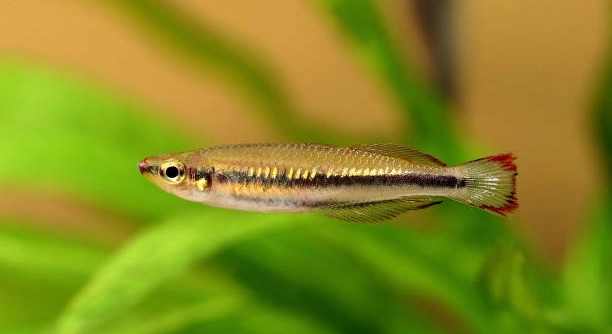
Do your rainbowfish suddenly chase their tank mates or guard certain areas with unexpected intensity? Many fish owners notice this sudden territorial behavior, which can be puzzling and sometimes stressful for both the fish and their caretaker.
Rainbowfish may act territorial due to factors such as changes in tank size, overcrowding, breeding behavior, or environmental stressors. Alterations in water parameters or the introduction of new fish can also trigger heightened aggression or defensive instincts.
Understanding these triggers will help you create a calmer tank environment and ensure your rainbowfish remain healthy and well-adjusted in their aquatic home.
Understanding Territorial Behavior in Rainbowfish
Rainbowfish can suddenly become territorial when they feel their space is threatened or when conditions in the tank change. Overcrowding is a common factor, as fish need enough room to swim freely. Even subtle changes, like rearranging decorations or adding new plants, can make them feel insecure. Breeding season can also trigger aggression, as males may guard specific areas to attract females or protect eggs. Additionally, shifts in water temperature, pH, or cleanliness can stress them, prompting defensive behavior. Observing your fish daily helps identify patterns, such as certain times when aggression spikes or specific tank zones where fights occur. Providing hiding spots and visual barriers can reduce stress and prevent conflicts. Sometimes, territorial displays are brief and pass once the fish acclimates. Consistent feeding routines and maintaining stable water conditions are essential. Over time, your rainbowfish will adjust, and their aggression will often lessen if the environment remains stable.
Keeping a calm environment and monitoring interactions closely reduces long-term stress for all fish in the tank.
Maintaining proper tank conditions, such as adequate space, stable water parameters, and regular feeding, is crucial. Adding decorations strategically can prevent conflicts and give fish personal areas. Separating overly aggressive individuals temporarily may also be necessary. By observing patterns and adjusting the environment, territorial behavior can often be managed effectively. Patience and consistent care will help rainbowfish coexist peacefully.
Environmental Triggers That Increase Aggression
Changes in light, temperature, or tank layout can make rainbowfish more defensive and prone to chasing or nipping at others.
Environmental factors like sudden water parameter shifts, inconsistent lighting, or new tank decorations can increase stress and trigger aggression. Overcrowding intensifies competition for resources and preferred spots in the tank. Even introducing new fish without gradual acclimation may lead to fights. Monitoring these changes carefully and responding promptly helps maintain harmony.
Rainbowfish are highly sensitive to their surroundings, so stability is key. Sudden changes, even minor ones, can disrupt their social balance. For example, raising the water temperature too quickly may increase activity and aggression. Similarly, changing the tank’s layout or moving plants can make fish feel exposed, prompting territorial displays. Overcrowding amplifies competition for swimming space, hiding spots, and food. When new fish are added, aggression can spike if introductions are rushed. Gradual acclimation and providing plenty of hiding areas help reduce stress. Consistent lighting and feeding routines give fish predictability, which lowers tension. Observing their behavior allows timely interventions before conflicts escalate. Over time, a well-managed environment encourages calmer interactions, allowing rainbowfish to display natural social behaviors without constant territorial disputes.
Managing Aggression Through Tank Setup
Providing enough space in the tank is essential to reduce territorial disputes. Using plants, rocks, and decorations to create hiding spots helps rainbowfish feel secure and lowers aggressive encounters.
Arranging the tank to offer both open swimming areas and sheltered spots allows fish to establish personal zones. Hiding places reduce stress and prevent constant chasing, which can lead to injuries or fatigue. Separating highly aggressive individuals temporarily can also help maintain harmony. Regularly observing interactions allows adjustments, like moving decorations or adding more visual barriers. Ensuring each fish has access to food without competition also reduces aggression. Over time, a well-planned layout encourages peaceful coexistence and reduces stress-induced territorial behavior.
Keeping tank conditions stable, including water temperature, pH, and lighting, further supports calm interactions. Avoiding sudden changes and gradually introducing new fish or decorations ensures rainbowfish remain comfortable. Monitoring behavior daily helps catch early signs of tension before it escalates. Providing a predictable environment and sufficient resources allows all fish to coexist more peacefully, minimizing stress and promoting natural, balanced social behavior.
Feeding Practices That Reduce Territorial Behavior
Feeding routines directly impact rainbowfish aggression, as competition for food can heighten territorial displays. Consistent feeding schedules and evenly distributed food help prevent disputes.
Providing food in multiple locations ensures all fish have access without competing aggressively. Overfeeding can lead to poor water quality, while underfeeding increases competition and stress. Observing how fish eat can highlight dominant individuals and help adjust feeding strategies. Using sinking or floating food that matches fish preferences ensures everyone is nourished.
Rotating food types and offering occasional live or frozen options can keep fish engaged and reduce boredom-related aggression. Feeding at the same time daily builds routine and predictability, lowering stress. Watching interactions during feeding helps identify potential aggressors early. Combining consistent schedules, proper portions, and varied diets promotes healthier, calmer rainbowfish. This approach minimizes conflicts, encourages balanced growth, and supports overall well-being. Proper feeding management directly influences social stability, allowing rainbowfish to thrive without constant territorial disputes.
Recognizing Early Signs of Aggression
Chasing, nipping, and sudden flaring are common early signs of territorial behavior in rainbowfish. Spotting these behaviors early helps prevent serious injuries.
Frequent hiding, fin damage, or persistent following of other fish indicates rising aggression. Noticing these signals allows timely intervention and adjustment of tank conditions.
Adjusting Fish Groupings
Keeping a proper ratio of males to females reduces competition. Too many males in one tank often leads to constant territorial disputes and stress among rainbowfish.
Water Quality and Its Role
Poor water conditions increase stress, which often triggers aggression. Maintaining stable temperature, pH, and cleanliness keeps fish calmer and more balanced. Regular water changes and filtration checks prevent environmental stress that can exacerbate territorial behavior.
Using Visual Barriers
Plants, rocks, or decorations can act as visual barriers, helping fish feel secure. Barriers break sightlines and reduce direct confrontations in the tank.
FAQ
Why do rainbowfish suddenly become aggressive?
Rainbowfish can become aggressive due to changes in their environment or social structure. Adding new fish, rearranging decorations, or altering water conditions can trigger territorial instincts. Even minor stressors, like fluctuations in temperature or pH, may lead to chasing, nipping, or defending a specific area.
How can I tell if aggression is temporary or a serious problem?
Temporary aggression often occurs when new fish are introduced or during minor environmental changes. If chasing or nipping decreases after a few days, it’s likely temporary. Persistent aggression, causing injury or constant stress, indicates a deeper issue that needs addressing through tank adjustments or temporary separation.
Can overcrowding cause territorial behavior?
Yes. Rainbowfish need sufficient space to swim freely and establish personal areas. Overcrowded tanks increase competition for hiding spots, food, and territory, often leading to more aggressive interactions. Ensuring enough space and hiding places helps reduce conflicts.
Does breeding season affect aggression?
Absolutely. During breeding, males can become highly territorial, defending specific areas to attract females or protect eggs. Providing extra hiding spots and ensuring enough space helps minimize fights and stress during this period.
How does tank layout impact aggression?
Open areas without visual barriers can increase chasing, while decorations, plants, and rocks break sightlines and create safe zones. Proper tank layout allows rainbowfish to establish territories without constant confrontation. Rearranging the layout gradually reduces stress without triggering further aggression.
What role does feeding play in reducing fights?
Feeding routines are crucial. Uneven food distribution or underfeeding can increase competition, causing aggressive behavior. Feeding in multiple locations, offering proper portions, and maintaining consistent schedules ensures all fish are nourished and reduces disputes.
Should aggressive fish be removed from the tank?
If one fish consistently injures others or dominates the tank, temporary separation may be necessary. Moving the aggressive individual to a separate tank or partition can calm interactions and prevent injuries while maintaining social balance.
Can water quality affect aggression?
Yes. Poor water conditions stress fish, making them more defensive and territorial. Regular water changes, monitoring pH and temperature, and keeping the tank clean are essential for calmer behavior. Consistent maintenance encourages peaceful interactions.
Do rainbowfish calm down over time?
Many do. Once they acclimate to their environment and tank mates, aggression often decreases. Providing a stable tank, proper layout, sufficient space, and hiding areas helps rainbowfish coexist peacefully and reduces repeated territorial disputes.
Are there specific signs I should watch for during aggression?
Look for chasing, fin nipping, constant following, hiding, or torn fins. Recognizing these early allows adjustments, such as adding barriers, separating fish, or tweaking feeding and tank conditions to prevent escalation.
Can introducing new fish trigger fights?
Yes, especially if introductions are rushed. Gradual acclimation, floating the new fish in a separate container before release, and providing hiding spots reduces stress and helps minimize immediate territorial behavior.
How do decorations and plants help with aggression?
Visual barriers create personal zones, allowing rainbowfish to claim space without constant confrontation. Dense plants and rocks give fish hiding spots, break sightlines, and reduce stress, which lowers the frequency and intensity of aggressive displays.
Is there a way to predict which fish will be aggressive?
Dominant males often display stronger territorial behavior, especially in small or crowded tanks. Observing interactions during feeding or after introducing new fish helps identify aggressive individuals early, allowing proactive management.
Do all rainbowfish species act territorial?
Not all species are equally aggressive. Some are naturally more peaceful, while others show stronger territorial instincts. Researching species-specific behavior before stocking a tank helps prevent unexpected aggression.
Can stress reduction techniques help?
Yes. Consistent routines, stable water parameters, sufficient hiding spots, and balanced group ratios reduce stress and make fish less likely to engage in constant territorial behavior. Stress management is key to long-term harmony in the tank.
How long does territorial behavior usually last?
It varies depending on the cause. Temporary aggression due to minor changes may last a few days, while behavior linked to breeding or overcrowding can persist until conditions improve. Monitoring and making gradual adjustments help shorten the period of aggression.
Is aggression more common in male rainbowfish?
Typically, yes. Males are more likely to establish and defend territories, especially during breeding. Ensuring an appropriate male-to-female ratio and providing adequate space helps prevent frequent fights.
Can multiple strategies be combined to reduce aggression?
Absolutely. Combining proper tank layout, hiding spots, consistent feeding routines, stable water conditions, and monitoring behavior provides the best results. Using several approaches together addresses both environmental and social triggers effectively.
Will removing one aggressive fish always solve the problem?
Not always. While separation can help, other factors like overcrowding, insufficient hiding spaces, or unstable water conditions may still trigger aggression. A holistic approach is more effective for long-term harmony.
How do I maintain peace as my rainbowfish grow?
Adjust tank size as fish grow, continue providing hiding spots, maintain stable water conditions, and monitor social interactions regularly. Ensuring adequate space, food, and environmental stability allows rainbowfish to coexist peacefully throughout their life.
Rainbowfish can be lively and beautiful additions to any freshwater tank, but their sudden territorial behavior can catch many fish owners off guard. This type of behavior usually arises from changes in their environment, social dynamics, or stress. When a fish begins chasing or nipping at others, it is often their way of claiming space or protecting a perceived territory. Observing these behaviors carefully can provide insight into what might be causing the aggression. Overcrowding, water changes, or even minor rearrangements of decorations can trigger these responses. Paying attention to how fish interact with one another and the layout of the tank is essential in understanding their needs and ensuring a calmer, healthier environment. Simple adjustments such as adding hiding spots, spreading out food, and maintaining consistent water conditions can often resolve minor territorial disputes without drastic measures.
Providing a stable environment and consistent care is key to reducing aggression over the long term. Rainbowfish thrive in tanks that have clear boundaries, plenty of swimming space, and designated hiding areas. Decorations, plants, and rocks not only make the tank visually appealing but also serve a practical purpose by breaking up sightlines and giving fish areas to retreat when needed. Feeding routines also play a role in reducing stress and competition. Consistently offering food in multiple locations prevents dominant fish from monopolizing resources, which helps maintain peace in the tank. Additionally, monitoring water quality, temperature, and pH levels ensures that the environment remains comfortable for all fish. Stability in these areas reduces stress-induced aggression and allows rainbowfish to establish natural social hierarchies without constant conflict.
Understanding rainbowfish behavior takes patience and careful observation. Aggression is not always permanent, and many fish adjust over time once they become familiar with their surroundings and tank mates. Identifying early signs of territorial disputes allows timely interventions, such as separating particularly aggressive fish temporarily or adding more visual barriers. A well-planned tank setup combined with consistent routines and proper group ratios helps rainbowfish coexist peacefully. By addressing the environmental and social factors that influence behavior, fish owners can minimize conflicts and create a harmonious aquatic environment. With attention and care, rainbowfish will display their natural colors and active personalities while maintaining a balanced, stress-free community.

Hello,
If you enjoy the content that we create, please consider saying a "Thank You!" by leaving a tip.
Every little bit helps us continue crafting quality advice that supports the health, happiness, and well-being of pets around the world, for pets of all shapes, sizes, and species.
We really appreciate the kindness and support that you show us!