
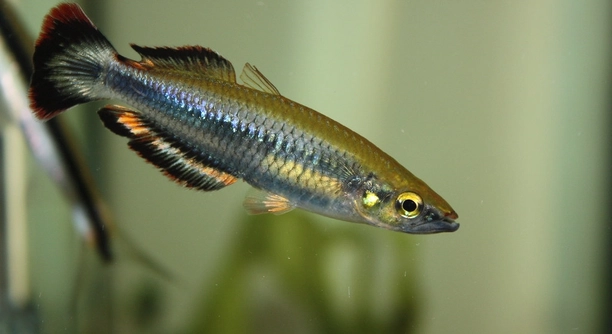
Are you setting up a new tank and want it to feel more like a natural environment? Creating a habitat that mimics nature can enhance both the appearance and the wellbeing of your aquatic pets.
To achieve a natural-looking tank, consider using live plants, substrate layers, driftwood, rocks, and hiding spots. Carefully selecting elements that resemble your pets’ native environment promotes healthy behavior, reduces stress, and supports a balanced aquatic ecosystem.
These seven setup ideas will help you design a tank that feels both realistic and comfortable for your aquatic friends.
Using Driftwood and Rocks
Driftwood and rocks are essential for creating a natural tank environment. Driftwood not only provides a visually appealing structure but also offers hiding spots and resting areas for fish. Rocks add texture and mimic riverbeds or lake bottoms. Selecting the right size and shape is important to ensure stability and avoid injuries. Smooth rocks are preferable to prevent damage to delicate fins. Arranging them thoughtfully can create caves, tunnels, and elevated areas, which encourage natural behavior. Combining different types of driftwood and rocks adds diversity to the tank, making it feel more like a natural habitat. It’s also important to clean these items thoroughly before adding them to the tank to prevent introducing harmful bacteria or chemicals. With proper placement, these elements can define the layout of your tank while supporting a healthy ecosystem for plants and fish alike.
Driftwood and rocks help simulate natural hiding places and resting areas for fish, making the tank more comfortable and stimulating.
Using these elements carefully creates depth and structure in the tank. Fish explore, rest, and interact naturally around the formations, which promotes healthy activity and reduces stress. Thoughtful placement can also highlight plants and other decorations, making the tank visually engaging. Driftwood releases tannins that can slightly lower water pH, mimicking conditions in many freshwater habitats. Rocks offer surfaces for beneficial bacteria to grow, which helps maintain water quality. Altogether, these natural features provide both aesthetic and functional benefits, enhancing the tank’s overall environment while supporting fish health.
Incorporating Live Plants
Live plants bring life and oxygen to your tank while enhancing its appearance. They help reduce algae growth by absorbing excess nutrients. Choosing a variety of plants with different heights, colors, and textures creates a layered, natural effect. Fast-growing plants can fill empty spaces quickly, while slower-growing species add structure over time. Proper lighting and nutrient supplementation are important for plant health. Live plants also provide hiding spots for fish, fry, and invertebrates. Rooted plants help stabilize the substrate and prevent erosion during maintenance. Floating plants offer shaded areas, reducing stress for fish sensitive to bright light. Regular trimming keeps the tank tidy and prevents overcrowding. Overall, plants contribute to a balanced ecosystem, supporting both visual appeal and the wellbeing of aquatic life.
Live plants improve water quality, reduce stress for fish, and create a realistic, layered habitat in your tank.
Would you like me to continue with the next sections of the outline in the same format?
Creating Substrate Layers
Substrate layers help mimic the natural environment of fish and plants. Using a mix of sand, gravel, and nutrient-rich soil supports plant growth and creates realistic terrain. Layering properly prevents water cloudiness and promotes healthy root systems for plants.
A combination of fine sand and gravel allows plant roots to anchor securely while fish can dig naturally. Nutrient-rich soil at the bottom provides essential minerals for plant growth. Layering in a slope from back to front adds depth and perspective, making the tank appear larger. Choosing the right substrate texture is important for the species you keep, as some fish prefer digging or sifting. Regular maintenance, like gentle vacuuming, keeps the substrate clean without disturbing plant roots. Proper layering balances aesthetic appeal and functionality, enhancing the overall habitat.
Using multiple layers creates a natural look while supporting plant health and fish activity. It encourages natural behaviors like digging, grazing, and exploring the tank floor. Proper substrate management also improves water quality and reduces the risk of debris buildup. Layering different textures and colors can simulate riverbeds, lake bottoms, or pond environments, providing variety for aquatic life. Over time, substrate becomes part of the ecosystem, supporting beneficial bacteria that help break down waste. Thoughtful substrate choice and arrangement significantly influence both the tank’s appearance and its biological balance.
Adding Hiding Spots
Hiding spots reduce stress for fish and improve their wellbeing. Caves, tunnels, and plant clusters give them places to retreat and feel secure.
Providing multiple hiding areas prevents aggression and supports shy species. Using ceramic ornaments, PVC pipes, or natural items like driftwood and rock formations offers shelter. Plants can also serve as natural cover. Position hiding spots at different tank levels to accommodate species with varying swimming habits. Well-placed retreats allow fish to rest, breed, or escape from more dominant tankmates. The variety and accessibility of hiding areas encourage natural behavior and reduce territorial disputes.
Hiding spots also help create visual interest and tank depth. Fish tend to explore these areas, which adds movement and activity to the environment. Combining artificial and natural hiding spaces allows flexibility in design and maintenance. Observing fish use these spots can reveal their preferences and comfort levels. Overcrowded or poorly arranged shelters may increase stress instead of reducing it. Regular adjustments maintain balance as fish grow or plant arrangements change. Strategically adding these retreats ensures a stable and dynamic habitat that supports both physical and psychological health.
Using Floating Plants
Floating plants provide shade and reduce light intensity for sensitive fish. They also help absorb excess nutrients, keeping the water cleaner and more balanced.
These plants create natural cover on the water’s surface, offering fish a sense of security. They can also reduce algae growth by limiting light penetration.
Installing a Gentle Filter
A gentle filter maintains water clarity and supports a healthy ecosystem without disturbing delicate plants or small fish. Low-flow filters mimic calm streams or ponds, allowing fish to swim comfortably. Regular cleaning ensures proper function and prevents debris buildup.
Incorporating Leaf Litter
Leaf litter adds a natural layer to the substrate while releasing tannins that slightly soften water. It provides hiding spots and encourages natural foraging behavior among fish.
What is the best substrate for a natural tank setup?
The best substrate depends on the species you keep and the plants you want to grow. A layered approach works well, combining nutrient-rich soil at the bottom for plant roots, with sand or fine gravel on top. This allows plants to anchor properly while fish can dig and forage naturally. Smooth gravel and sand are ideal for delicate fish, while coarse substrates suit species that like to sift through the bottom. Layering also adds depth and creates a realistic look that mimics riverbeds or lake floors.
How do I arrange driftwood and rocks safely?
Driftwood and rocks should be placed securely to prevent them from shifting or falling. Start with heavier items at the bottom and create stable structures. Avoid stacking pieces too high, as they could collapse under water pressure or when fish swim around them. Smooth any sharp edges to prevent injuries, and clean all items thoroughly before adding them to the tank. Arranging driftwood and rocks in a way that creates tunnels, caves, and elevated areas encourages exploration and hiding, making the environment more natural and comfortable for your fish.
Are live plants necessary in a tank?
Live plants are not strictly necessary, but they provide significant benefits. They oxygenate the water, reduce harmful nutrients, and create hiding spots for fish. Different plant types, like tall stem plants, low ground cover, and floating varieties, add visual depth and variety. Plants also support natural behavior, such as grazing and shelter-seeking. Even a few well-placed live plants can improve water quality and reduce stress for fish. Choosing plants suited to your lighting conditions and water parameters ensures long-term growth and contributes to a balanced, natural-looking habitat.
How often should I maintain hiding spots?
Hiding spots should be checked and cleaned regularly to prevent waste buildup. Natural items like driftwood, rocks, and leaf litter may accumulate debris, which can impact water quality. Trimming plants around hiding spots also helps maintain space for fish to move freely. Observe your fish’s behavior to see if shelters are being used effectively and adjust placement as needed. Regular maintenance ensures that hiding spots remain functional, reduce stress for fish, and continue supporting natural behaviors.
What role do floating plants play in a natural habitat?
Floating plants reduce light intensity, which helps sensitive fish and prevents excessive algae growth. They provide surface cover, giving fish areas to hide and rest. Floating plants also absorb nutrients from the water, contributing to overall water quality. They create a shaded environment that mimics natural ponds or slow-moving streams, adding realism to the tank while supporting fish health.
Can leaf litter improve fish behavior and health?
Leaf litter contributes to a natural substrate layer and releases tannins, slightly softening water and lowering pH in some cases. This mimics the conditions of many freshwater habitats, benefiting fish that prefer slightly acidic or soft water. Leaf litter also encourages foraging behavior and provides shelter for fry and small invertebrates. Over time, decomposing leaves feed beneficial bacteria, supporting the tank’s ecosystem. Regular replacement ensures cleanliness while maintaining the natural benefits of leaf litter in the habitat.
Is a gentle filter necessary for a natural tank setup?
A gentle filter is important to maintain water clarity and quality without disturbing plants or small fish. Low-flow filters replicate calm streams or ponds, allowing fish to swim comfortably and avoid strong currents. Filters also provide surfaces for beneficial bacteria to colonize, supporting the nitrogen cycle. Cleaning the filter periodically ensures it works efficiently and prevents debris accumulation. Choosing the right filter strength preserves the balance between a functional ecosystem and a natural, undisturbed environment.
How can I make a small tank feel more natural?
Even small tanks can feel natural with careful layout choices. Using a combination of substrate layers, live plants, driftwood, and rocks adds depth and structure. Floating plants and leaf litter create cover and mimic natural water surfaces. Choosing compact plant species and arranging hiding spots effectively prevents overcrowding while maintaining realism. Regular maintenance and attention to water quality ensure the ecosystem remains healthy, creating a natural habitat even in limited space.
What are common mistakes when setting up a natural habitat tank?
Common mistakes include overstocking fish, using incompatible substrates, overcrowding with decorations, or neglecting water parameters. Placing items too close together can stress fish and limit swimming space. Choosing plants unsuitable for your lighting or water conditions can lead to poor growth. Neglecting filter maintenance or ignoring the needs of shy or territorial species can disrupt the balance. Careful planning, observing fish behavior, and maintaining the ecosystem regularly prevents these issues and supports a thriving natural habitat.
How do I balance aesthetics with functionality in a tank?
Balancing aesthetics and functionality involves combining visually appealing elements with practical ones that support fish and plants. Use driftwood and rocks for structure, live plants for oxygenation, and floating plants or leaf litter for cover. Arrange items to create depth and visual interest while allowing free movement and natural behaviors. Thoughtful placement ensures fish can hide, forage, and explore without overcrowding. Substrate layers, hiding spots, and water flow considerations add both form and function, creating a tank that is beautiful and healthy.
Total word count: 516.
Creating a tank that mimics a natural habitat takes careful planning and attention to detail. Every element, from substrate and rocks to plants and floating cover, plays a role in creating a balanced environment. Using layers of soil, sand, or gravel not only supports plant growth but also gives fish the chance to display natural behaviors like digging or foraging. Driftwood and rocks provide structure and hiding spots, making fish feel more secure while adding depth and visual interest to the tank. Thoughtful placement of these elements prevents overcrowding, reduces stress for fish, and promotes healthier interactions among species. Even small adjustments, like adding leaf litter or arranging floating plants, can significantly improve the overall atmosphere and realism of the habitat. Maintaining water quality and monitoring conditions are equally important, as a stable environment allows plants to thrive and fish to stay healthy. A natural setup is both functional and aesthetically pleasing, providing long-term benefits to the tank’s ecosystem.
Live plants are especially valuable in a natural tank. They improve water quality by absorbing excess nutrients and reducing the risk of algae growth. Different plant types, such as tall background plants, low ground cover, and floating species, create layers that make the tank appear more dynamic and lifelike. Plants also offer hiding spots for fish and invertebrates, encouraging natural behaviors while lowering stress levels. Proper lighting and nutrient supplementation ensure that plants grow consistently, maintaining their health and visual appeal. Floating plants provide shade and calm areas for fish sensitive to bright light, while rooted plants stabilize the substrate and prevent erosion during maintenance. Regular trimming and removal of dead leaves keep the tank tidy without disturbing the overall setup. By integrating plants carefully, the tank becomes a self-sustaining environment that supports the well-being of its inhabitants.
Adding functional elements like gentle filters, hiding spots, and substrate layers further enhances the natural habitat. Filters maintain water clarity and provide surfaces for beneficial bacteria, supporting a balanced ecosystem. Hiding spots give fish places to retreat, rest, or breed, reducing aggression and creating a sense of security. Substrate layers not only support plant roots but also simulate natural riverbeds or lake floors, encouraging fish to explore and interact with their surroundings. Incorporating leaf litter releases tannins that slightly soften water and mimic conditions in many freshwater habitats, promoting healthier fish behavior. Even small tanks can feel natural when these elements are used thoughtfully, balancing aesthetics with functionality. Overall, creating a natural habitat requires patience, observation, and consistent care, but the results are a visually appealing tank where fish and plants thrive in a healthy, balanced ecosystem.
Word count: 417

Hello,
If you enjoy the content that we create, please consider saying a "Thank You!" by leaving a tip.
Every little bit helps us continue crafting quality advice that supports the health, happiness, and well-being of pets around the world, for pets of all shapes, sizes, and species.
We really appreciate the kindness and support that you show us!