
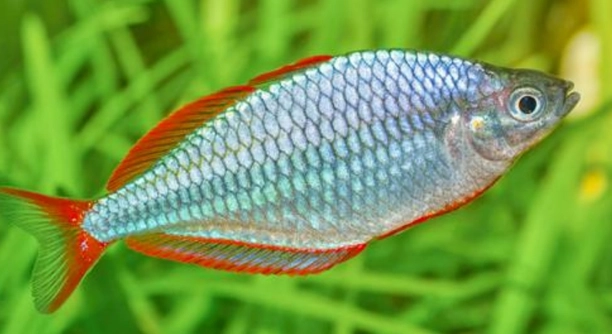
Rainbow fish are known for their vibrant colors and peaceful nature, but selecting tank mates requires more consideration than just appearance. Understanding their preferences and behaviors can help create a harmonious aquarium environment for all its residents.
Rainbow fish typically choose tank mates based on temperament, water conditions, and habitat requirements. They prefer peaceful species with similar environmental needs, such as fish that thrive in similar temperature ranges and pH levels, ensuring a balanced ecosystem.
Choosing the right companions for your rainbow fish ensures they remain healthy and stress-free. This knowledge can help create a thriving tank where all the species coexist peacefully and comfortably.
Why Temperament Matters for Rainbow Fish
Rainbow fish are peaceful by nature, but their temperament still influences how well they interact with other species. Aggressive fish can stress them out and may cause them to become more territorial or anxious. On the other hand, peaceful species will blend seamlessly with rainbow fish, creating a harmonious environment. When selecting tank mates, it’s essential to consider the personality of the other fish. Too much aggression can disrupt the peaceful environment rainbow fish need to thrive.
A good match for rainbow fish includes species that are calm, non-territorial, and not overly competitive during feeding times. Fish like tetras, peaceful cichlids, and other docile species are ideal. Avoid pairing rainbow fish with aggressive fish such as some species of bettas or barbs, which might cause unnecessary stress.
Choosing peaceful tank mates promotes a balanced ecosystem. It helps reduce stress, which in turn ensures rainbow fish remain vibrant and healthy. When selecting companions, remember that mutual respect among species leads to a thriving, well-maintained aquarium where all the fish coexist comfortably.
Matching Water Conditions
Rainbow fish are sensitive to water quality, which directly impacts their health and ability to coexist with other fish. It’s crucial to match the water conditions of their tank mates. Temperature, pH, and hardness must align for all fish species in the tank to stay healthy.
Matching tank conditions allows all fish to thrive. For example, rainbow fish prefer water that is slightly acidic to neutral, with a temperature range of 72°F to 79°F. If the conditions are too far out of their comfort zone, they might become stressed and vulnerable to diseases. Fish that can tolerate similar conditions are the best companions.
If you want to keep rainbow fish and their companions healthy, regularly monitor and adjust the water conditions. Regular maintenance and checks will prevent sudden changes that could harm your aquarium’s balance.
Tank Size and Space Requirements
Rainbow fish thrive in spacious tanks that provide enough room for swimming and establishing territories. A tank that is too small can lead to overcrowding, which causes stress and unhealthy competition for space and food. A minimum of 30 gallons is recommended for a school of rainbow fish.
Fish that need more space can be less stressed and more active in a larger tank. When they have enough room, rainbow fish feel comfortable and exhibit their full vibrant colors. Larger tanks also provide more options for choosing compatible tank mates, as there’s more space to spread out and avoid conflict.
Providing ample space also promotes healthier behaviors, like schooling, which is important for rainbow fish. They prefer to stay in groups of at least five or six, so a larger tank ensures they have room to move around while still maintaining a comfortable distance from each other.
Feeding and Diet Compatibility
Rainbow fish are omnivores and have a varied diet. They’ll eat most foods that float or sink, including high-quality flakes, pellets, and live foods. It’s important to provide a balanced diet and ensure that tank mates have similar dietary needs.
Feeding can become problematic if your other fish species have very different diets or eating habits. For instance, carnivores may eat food that rainbow fish need, leaving them with insufficient nutrition. Having compatible diets is key to ensuring all the fish get the right nutrition without competition or scarcity.
To avoid food issues, offer a variety of foods to meet the needs of both rainbow fish and their tank mates. Supplementing their meals with occasional live or frozen foods can encourage healthy growth and behavior. This balanced feeding will reduce stress for everyone involved and keep all fish healthy.
Fish Personality and Behavior
Rainbow fish are social and peaceful, but they also have individual personalities. Some may be more active or shy compared to others. Their behavior influences how well they get along with tank mates. Choosing fish with similar activity levels will help reduce conflict.
More active rainbow fish may become frustrated with slow-moving species. Conversely, more passive rainbow fish might avoid overly energetic tank mates, creating an unbalanced dynamic. Knowing each fish’s behavior helps in pairing them with appropriate companions, ensuring the tank stays peaceful.
Understanding fish behavior also helps in recognizing stress signs. Keep an eye on your fish’s actions to ensure they are comfortable and at ease with their surroundings.
Socializing with Other Fish
Rainbow fish enjoy the company of other peaceful species. They feel safest in schools, so they are more likely to thrive when kept with other calm, non-aggressive fish. It’s important to avoid pairing them with overly territorial or aggressive species.
When paired with other peaceful fish, rainbow fish can create a calm and thriving community. They form bonds within their school, reducing stress and enhancing their overall health. Fish that enjoy similar social structures are the best companions for rainbow fish, keeping the tank environment stable and happy.
Tank Maintenance and Cleanliness
Maintaining a clean tank is essential for rainbow fish health. Regular water changes, filter cleaning, and algae control all help create a stable environment. Poor water quality can quickly lead to stress and disease.
Keeping the tank clean reduces the risk of harmful bacteria and parasites, which can affect both rainbow fish and their companions. A healthy environment supports a strong immune system, ensuring that all fish thrive. Clean tanks promote proper water conditions that are key to maintaining fish health.
FAQ
What are the best tank mates for rainbow fish?
Rainbow fish do well with peaceful fish species that share similar water requirements. Tetras, peaceful cichlids, and other non-aggressive species are ideal. Avoid pairing rainbow fish with aggressive fish, like certain types of bettas or barbs, as they can cause unnecessary stress and disrupt the harmony of the tank.
How many rainbow fish should be kept together?
Rainbow fish are social creatures and should be kept in schools of at least five to six individuals. This helps them feel secure and reduces stress. A larger school is even better, allowing them to exhibit natural behaviors like schooling, which promotes their overall well-being.
Do rainbow fish need a specific type of tank setup?
Rainbow fish prefer well-planted tanks with plenty of open swimming space. Adding live plants and decorations provides hiding spots and creates a more natural environment. Ensure the tank is large enough to accommodate their social needs and avoid overcrowding, which can cause stress.
Can rainbow fish live with shrimp or snails?
Rainbow fish are generally peaceful with snails and shrimp, but it depends on the species. Some larger rainbow fish might occasionally nibble on small shrimp, while snails are typically safe from them. It’s important to observe the interactions and adjust if any aggressive behavior arises.
How often should I feed rainbow fish?
Rainbow fish should be fed once or twice a day. A balanced diet that includes high-quality flakes, pellets, and occasional live or frozen foods will keep them healthy. Overfeeding should be avoided, as uneaten food can lead to poor water quality and stress.
Are rainbow fish compatible with bettas?
Rainbow fish and bettas do not typically make good tank mates. Bettas can be aggressive, especially towards smaller or more colorful species. The aggression from a betta can cause stress to the rainbow fish, disrupting their peaceful nature. It’s best to avoid keeping them together.
What water conditions do rainbow fish need?
Rainbow fish prefer slightly acidic to neutral water (pH 6.5-7.5) with a temperature range of 72°F to 79°F. The water should also be soft to moderately hard. Regular water changes and monitoring will help maintain stable water conditions, which is vital for their health.
Can rainbow fish live with goldfish?
Rainbow fish should not be kept with goldfish. Goldfish have very different water temperature requirements, and they tend to be more aggressive. Additionally, goldfish produce a lot of waste, which can lead to poor water quality, negatively affecting the rainbow fish.
How do I know if my rainbow fish is stressed?
Signs of stress in rainbow fish include faded colors, unusual swimming behavior, excessive hiding, or a lack of appetite. Stress can be caused by poor water quality, incompatible tank mates, or sudden changes in the environment. Identifying stress early helps prevent health issues.
What size tank do rainbow fish need?
A minimum of 30 gallons is recommended for a school of rainbow fish. A larger tank allows them to move freely, reduces territorial behavior, and supports better water quality. For larger schools or additional species, a 50-gallon tank or more is ideal.
Can rainbow fish breed in a community tank?
Rainbow fish can breed in a community tank, but the success rate may vary. It’s best to have a separate breeding tank with stable water conditions, where they can lay eggs without being disturbed by other species. However, some species of rainbow fish may breed in a larger community tank if the conditions are suitable.
Do rainbow fish need a filter?
Yes, rainbow fish require a good filtration system to maintain clean water. A filter helps remove waste and toxins, ensuring a healthy environment for the fish. Be sure to choose a filter suitable for the size of your tank and the number of fish you have.
How long do rainbow fish live?
Rainbow fish can live for about 5 to 8 years in a well-maintained tank. Proper care, such as maintaining good water quality, feeding a balanced diet, and ensuring compatible tank mates, will help them live a long, healthy life.
What should I do if my rainbow fish has fin damage?
Fin damage can happen in a community tank, especially if tank mates are aggressive. If your rainbow fish has fin damage, it’s important to monitor water quality and remove any aggressive tank mates. Treat the injured fish with aquarium salt or appropriate medications to help prevent infections.
Can rainbow fish live in a tank with strong currents?
Rainbow fish can tolerate moderate water currents but prefer tanks with gentle water movement. Strong currents may stress them and hinder their natural swimming behavior. If your tank has strong currents, consider adding plants or decorations to break the flow and create calmer areas.
How do rainbow fish behave in a school?
In a school, rainbow fish exhibit social behavior and feel more secure. They swim together, often following each other around the tank. This schooling behavior is natural and reduces stress, as rainbow fish feel safer in groups than when isolated. A school of rainbow fish is more active and vibrant.
Do rainbow fish require special lighting?
Rainbow fish don’t require special lighting, but they do benefit from a consistent light cycle. A standard aquarium light that mimics natural day and night cycles is sufficient. This helps regulate their behavior and encourages vibrant colors. Avoid harsh, direct light, as it can cause stress.
Final Thoughts
Rainbow fish are beautiful, peaceful creatures that can thrive in a well-maintained tank with the right companions. They are social and enjoy the company of other peaceful species, so it is essential to select tank mates that complement their calm nature. When choosing their companions, consider factors like activity level, temperament, and water requirements. This ensures a balanced environment, reducing stress and creating a harmonious aquarium. With the right care and attention, rainbow fish can flourish, adding color and movement to your tank.
Creating a suitable habitat for rainbow fish is vital for their well-being. They prefer a well-planted tank with plenty of open space to swim. This allows them to feel secure and reduces the chances of aggression from other species. Regular maintenance, such as water changes and proper filtration, is also important to keep the water conditions stable. Healthy water conditions are essential to the fish’s immune system, helping them avoid stress and illness. By meeting their basic needs, rainbow fish can live long, happy lives in your aquarium.
Ultimately, caring for rainbow fish requires attention to their environment and choosing the right tank mates. Their peaceful nature and vibrant colors make them a great addition to any tank. By understanding their social behaviors, water needs, and proper tank setup, you can ensure that your rainbow fish thrive. The combination of peaceful fish, clean water, and a supportive tank environment will allow your rainbow fish to be at their best, creating a stunning and healthy aquarium.

Hello,
If you enjoy the content that we create, please consider saying a "Thank You!" by leaving a tip.
Every little bit helps us continue crafting quality advice that supports the health, happiness, and well-being of pets around the world, for pets of all shapes, sizes, and species.
We really appreciate the kindness and support that you show us!