
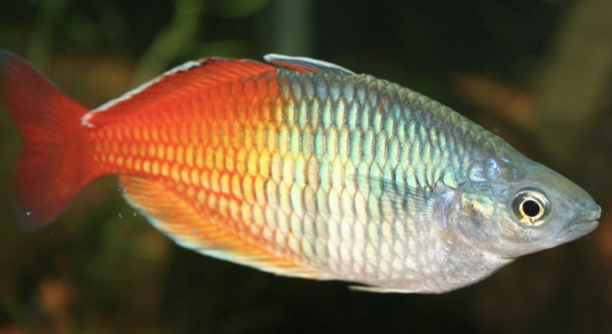
Rainbow fish are known for their vibrant colors, which are one of the main attractions for aquarium enthusiasts. To keep these fish looking their best, it’s important to feed them the right foods. With the right diet, their natural hues can truly shine.
Certain foods can enhance the color of rainbow fish by providing essential nutrients that support their pigmentation. Ingredients like spirulina, brine shrimp, and carotenoid-rich vegetables can help boost their natural vibrancy and improve their overall health.
In this article, we will explore seven foods that can help bring out the bright colors in your rainbow fish. By choosing the right food, you can enhance their beauty and ensure they stay healthy and lively.
Spirulina: A Natural Color Booster
Spirulina is a type of algae that has long been praised for its nutritional value. It’s a rich source of protein and essential fatty acids, but it also plays a significant role in enhancing the color of fish. This algae contains high levels of chlorophyll, which supports the fish’s natural pigments, giving them a more vibrant appearance. Rainbow fish, in particular, respond well to spirulina, as it helps to intensify their colors, especially the reds and oranges. You can find spirulina in both dried and flake forms, making it easy to add to your fish’s diet.
Spirulina also supports the immune system of fish, improving their overall health. This, in turn, helps them maintain their color and vitality over time.
Many fish keepers include spirulina in their fish’s regular diet to encourage vibrant colors. It’s important to use spirulina as part of a varied diet, combining it with other foods to give the fish all the nutrients they need. Too much spirulina alone could cause an imbalance, so moderation is key.
Brine Shrimp: A Colorful Treat
Brine shrimp are a popular choice for feeding rainbow fish due to their high protein content.
These tiny crustaceans are packed with carotenoids, which are pigments that help boost the red and orange hues of rainbow fish. By feeding brine shrimp regularly, you can enhance the natural brightness and intensity of your fish’s colors. The high protein content also supports muscle growth, helping your fish stay healthy and active.
Carotenoid-Rich Vegetables
Carotenoid-rich vegetables are another great addition to your rainbow fish’s diet. These vegetables, like carrots and bell peppers, contain pigments that help enhance reds and oranges. When included regularly in their diet, these veggies can promote the brightness and saturation of a rainbow fish’s colors. Carotenoids are also natural antioxidants, which benefit fish in more ways than just aesthetics.
Including vegetables like carrots and bell peppers can boost overall health, giving your fish more energy and better immunity. It’s easy to offer these vegetables by finely chopping or pureeing them and mixing them into your fish’s meals. However, remember to keep a balance by offering other foods to ensure they’re getting all the nutrients they need.
Carotenoid-rich vegetables should not be the only food given, but they provide valuable nutrients that help rainbow fish stay healthy. Just a small amount can make a noticeable difference in their coloration. By adding these vegetables to their meals, you’ll see the vibrancy of your fish improve naturally.
Daphnia: The Tiny Powerhouse
Daphnia, also known as water fleas, are another excellent food choice for rainbow fish.
These tiny crustaceans are rich in protein and offer a natural source of omega-3 fatty acids. Daphnia are great for improving the overall health of your rainbow fish, promoting bright colors. They are also high in essential vitamins and minerals, which support your fish’s immune system. This leads to stronger, more vibrant fish over time.
Daphnia can be fed live or frozen, with live daphnia being especially beneficial for encouraging natural behavior in your fish. This activity can reduce stress and keep the fish’s colors sharp. When adding daphnia to their diet, keep it in moderation. Overfeeding can lead to digestive issues, so balance is essential.
Bloodworms: A Color-Enhancing Food
Bloodworms are another popular choice for rainbow fish. They are high in protein and contain natural pigments that boost color. Offering these to your fish can help increase the intensity of their reds and pinks. Bloodworms can be served live or frozen, making them versatile and easy to incorporate into their diet.
Bloodworms also provide essential nutrients for overall fish health. They contain iron and other minerals that support good circulation and healthy skin, helping your rainbow fish maintain their vibrant appearance. However, they should be fed in moderation to avoid overfeeding and digestive issues.
Freeze-Dried Foods
Freeze-dried foods are convenient and can be easily added to your fish’s diet.
They maintain the nutrients found in live food but without the mess or need for refrigeration. Freeze-dried options like brine shrimp, daphnia, and bloodworms can be beneficial for your rainbow fish’s color. These foods help support growth and pigmentation while offering variety in their diet.
FAQ
What foods can enhance the color of my rainbow fish?
To enhance the color of your rainbow fish, focus on foods rich in carotenoids and proteins. Spirulina, brine shrimp, bloodworms, and daphnia are all excellent choices. Vegetables like carrots and bell peppers, rich in carotenoids, can also intensify the reds and oranges of their scales. Adding these foods regularly to their diet will help bring out their natural vibrancy. Be sure to offer variety, as a balanced diet supports both color and overall health.
How often should I feed my rainbow fish for optimal color?
Rainbow fish should be fed a variety of foods two to three times a day. You can alternate between different protein sources like brine shrimp, bloodworms, and vegetables. This helps prevent the fish from becoming bored with their food and ensures they get a well-rounded diet. Moderation is key, so avoid overfeeding, which can lead to water quality issues.
Are live foods better than frozen or freeze-dried options?
Live foods are excellent for encouraging natural behavior and stimulating your fish’s senses. They also tend to have a higher nutritional value compared to frozen or freeze-dried alternatives. However, frozen and freeze-dried options can still be highly nutritious and offer convenience. The choice between live and frozen foods depends on your preference and the time you have to care for your fish.
Can I feed rainbow fish fruits and vegetables for color?
Yes, rainbow fish can benefit from certain fruits and vegetables, especially those high in carotenoids. Carrots, bell peppers, and even small amounts of pumpkin can be added to their diet to boost their color. Be sure to chop these foods finely or puree them to make it easier for the fish to consume. Fruits should be given in moderation, as too much sugar can negatively affect their health.
How does diet affect the overall health of my rainbow fish?
Diet plays a significant role in the overall health of your rainbow fish. A balanced diet promotes good immune function, healthy skin, and strong growth. Inadequate nutrition can result in dull or faded colors, a weakened immune system, and stunted growth. Providing a variety of high-quality foods helps ensure your fish remain vibrant and active.
Can I feed rainbow fish the same food every day?
Feeding your rainbow fish the same food every day isn’t recommended. Just like humans, fish benefit from variety in their diet. By offering different protein sources, such as brine shrimp or daphnia, and adding vegetables, you help ensure they get all the essential nutrients they need. Variety also encourages natural foraging behavior, which keeps the fish mentally stimulated.
How do I prevent overfeeding my rainbow fish?
To prevent overfeeding, it’s essential to follow a feeding schedule and offer the right portion size. Typically, you should feed only as much as your rainbow fish can eat in 2-3 minutes. If excess food is left in the tank, remove it to prevent water pollution. Overfeeding can lead to health problems for both your fish and your aquarium’s water quality.
Can rainbow fish eat food meant for other fish species?
Rainbow fish can eat food designed for other species, as long as it’s appropriate for their size and dietary needs. For instance, general tropical fish food can be used, but make sure it contains a balanced mix of proteins, fats, and vitamins. Avoid foods specifically formulated for carnivorous or herbivorous fish if they don’t match your rainbow fish’s diet needs.
How long does it take for rainbow fish to show improved colors after changing their diet?
It can take a few weeks for rainbow fish to show noticeable improvements in their color after altering their diet. Consistency is important, as their color gradually improves when provided with foods rich in carotenoids and proteins. Be patient, as color changes depend on the individual fish and the quality of their diet.
Can I feed rainbow fish food with additives or color enhancers?
While some fish foods contain additives or color enhancers, it’s important to use them in moderation. Many commercial foods claim to enhance fish color, but they should not be the sole source of nutrition. Over-reliance on these foods can lead to imbalances in their diet. Always balance color-enhancing foods with natural, whole foods like brine shrimp, spirulina, and vegetables.
Is it necessary to feed my rainbow fish live food for better color?
Live food is not strictly necessary for better color, but it can enhance the overall health and behavior of your rainbow fish. Live foods such as brine shrimp and daphnia encourage natural hunting and foraging behaviors, which helps to keep fish healthy. However, frozen or freeze-dried alternatives can still provide the necessary nutrients without the hassle of maintaining live cultures.
How do I store live or frozen foods for rainbow fish?
Live foods like daphnia or brine shrimp can be kept in small containers with filtered water and aeration, but they must be used quickly for optimal freshness. Frozen foods should be stored in your freezer, and it’s best to thaw them in a small dish of aquarium water before feeding them to your fish. Freeze-dried foods can be stored in a cool, dry place.
Are there any foods to avoid for rainbow fish?
Some foods should be avoided for rainbow fish, such as those high in fat or with artificial colorants. Fatty foods, like certain types of fish, can lead to obesity and other health problems. Avoid feeding them processed foods meant for humans, like bread or sugary snacks, as these can harm their digestive system. Always stick to foods designed for fish or high-quality, natural alternatives.
Final Thoughts
Maintaining the vibrant colors of your rainbow fish requires careful attention to their diet. A balanced diet rich in protein and carotenoids can significantly enhance their natural hues. Foods like spirulina, brine shrimp, daphnia, and carotenoid-rich vegetables can help bring out the reds, oranges, and yellows in their scales. By feeding your fish a variety of these foods, you not only improve their color but also support their overall health. Remember that moderation is key—overfeeding can lead to water quality issues and health problems for your fish.
In addition to color, the right foods help boost the immune system and promote strong growth. A healthy, well-fed rainbow fish will be more active and resilient, which makes them more enjoyable to observe in your tank. Including a range of food options in their diet, such as live, frozen, or freeze-dried foods, helps mimic their natural feeding habits, encouraging them to be more active and mentally stimulated. The variety ensures they receive all the essential nutrients they need to thrive, keeping them vibrant and happy.
Finally, while diet plays a significant role in the appearance and health of your rainbow fish, remember that other factors like water quality, tank conditions, and regular maintenance also impact their well-being. A clean tank with stable water parameters creates the perfect environment for your fish to display their full potential. By combining the right foods with a healthy habitat, you can ensure that your rainbow fish will stay colorful, energetic, and beautiful for years to come.

Hello,
If you enjoy the content that we create, please consider saying a "Thank You!" by leaving a tip.
Every little bit helps us continue crafting quality advice that supports the health, happiness, and well-being of pets around the world, for pets of all shapes, sizes, and species.
We really appreciate the kindness and support that you show us!