
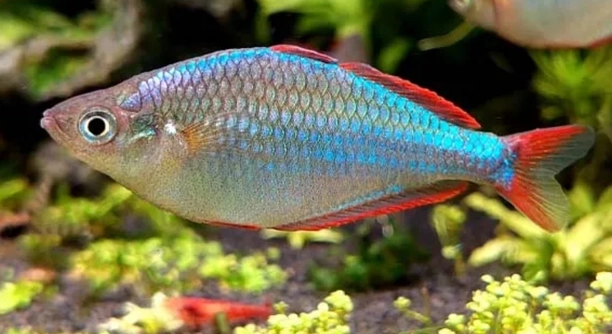
Have you ever noticed subtle differences in your rainbow fish but weren’t quite sure what they meant? Identifying their gender can be tricky without the right details, especially if you’re new to keeping these colorful fish.
Male rainbow fish typically have brighter colors, more elongated fins, and a deeper body shape, while females are usually smaller, have shorter fins, and display duller coloration. These traits become more noticeable as the fish mature.
Learning how to recognize these features can help you maintain a balanced tank and support healthy breeding habits in your aquatic environment.
Key Differences Between Male and Female Rainbow Fish
Male rainbow fish tend to display brighter, more intense colors than females. This is especially true during mating periods, when their hues become even more vivid. Their fins are longer and more pointed, often flowing as they swim. Males are also generally more elongated and larger in size, making them easier to distinguish once fully grown. Females, in contrast, are smaller, have shorter and rounder fins, and their body color remains more muted. These physical traits usually become obvious by the time they reach six months old. Watching their interaction can help too—males often display a more dominant presence in the tank, especially when females are around. Observing their shape, color, and behavior together gives a clearer picture of their sex.
The differences between them are subtle at first but become easier to spot as they age and mature in a healthy environment.
You may need to observe them during feeding or breeding periods, when behaviors and colors are more prominent. Be patient, as early development stages don’t always show these traits clearly. Buying from a reputable breeder can also help ensure accurate identification. Once you know what to look for, separating males from females becomes second nature.
Behavior and Breeding Clues
Behavioral differences can also help you tell them apart.
Male rainbow fish are more active during breeding season and often engage in small display rituals to impress females. You may notice one fish swimming in a zigzag pattern, flaring its fins, or intensifying in color. These actions are aimed at nearby females and usually indicate a male. On the other hand, females are more passive during these moments, calmly observing without joining in the exaggerated movements. Another way to tell them apart is by watching how they interact in a group. Males tend to compete lightly for space or attention, while females usually stay out of those displays. If your fish are already in a well-balanced community tank, these behaviors may be less frequent but still noticeable. Paying attention to these patterns over time helps confirm what visual clues may already be suggesting. Combining both behavior and appearance gives the most accurate understanding of their sex.
Environmental Effects on Appearance
Tank conditions can influence how easily you can tell male from female rainbow fish. Poor lighting, stress, or overcrowding may dull colors and behavior, making it harder to distinguish between them, especially in younger or less active fish.
In a well-maintained aquarium, males usually develop their traits more clearly. Bright lighting helps show their colors, while stable temperatures and clean water reduce stress, allowing natural behaviors to surface. Overcrowding can lead to duller hues and stunted growth, affecting both sexes. When fish are stressed or kept in poorly managed tanks, their appearance becomes less reliable for identification. Maintaining proper pH levels, offering balanced nutrition, and providing enough space encourages healthy development. These factors allow both the male’s vivid colors and the female’s subtler tones to emerge more clearly. Watching them in a calm, stable setting makes it easier to see the physical and behavioral traits that set them apart.
When tank conditions are inconsistent, even older males may appear less colorful or confident, hiding their usual traits. Likewise, females may act differently, staying hidden or showing more stress than usual. This can make them seem more alike, especially if they’re still growing or adjusting to a new environment. Clear water and routine care help minimize this issue.
Tips for Observing Differences
The best time to observe your rainbow fish is during feeding or early morning hours, when they are most active and alert. Light should be bright but not harsh to make colors more visible.
Watch them closely after feeding, when interactions often show off dominant behavior. Males will frequently circle or display around other fish, sometimes even nudging or chasing. These actions are mild but help make their sex more apparent. You can also watch from a slight distance to avoid disturbing them. Movement around the tank can affect their comfort, so keeping your distance allows more natural behavior to show. During water changes or when rearranging the tank, take a moment to watch them as they settle—stress responses may briefly reveal differences in posture or activity. If you’re raising a group from juveniles, track changes weekly through photos or notes. Comparing this information helps highlight differences over time, especially when physical traits are still developing.
Common Mistakes in Identification
Young rainbow fish often look very similar, which leads to confusion when trying to sex them too early. It’s best to wait until they mature before making any decisions based on appearance or behavior alone.
Relying only on color can also be misleading, especially in stressed or unhealthy fish. Behavior and body shape matter too.
When to Separate Males and Females
If you notice signs of aggression or frequent chasing, it may be time to separate the sexes. Too many males in one tank can lead to stress or injury, especially during breeding season. A more balanced male-to-female ratio usually prevents these issues. In breeding setups, isolating pairs or small groups can help ensure better outcomes and healthier fry. Watch for torn fins or signs of fatigue—these often appear when space is limited or competition is too high. Regular observation lets you catch changes early. If needed, rearrange tank decorations to break up territories and provide resting areas.
Final Checks Before Deciding
Check from different angles and during different times of day to confirm what you’ve seen. Males and females often appear more distinct under varied lighting or activity levels.
FAQ
How old do rainbow fish need to be before you can tell their sex?
It’s usually easiest to tell male from female rainbow fish once they’re about four to six months old. Before that, both sexes tend to look very similar. As they mature, males start to show stronger color patterns and body features, while females remain more plain in comparison. Trying to sex them earlier than this often leads to mistakes, especially if they are not fully developed. Waiting a little longer gives you a clearer picture based on consistent differences, not just temporary traits caused by growth or stress.
Do all male rainbow fish have bright colors?
Most male rainbow fish do show bright colors, especially in good lighting and stable tank conditions. However, this isn’t always guaranteed. Some males may remain dull if they are stressed, ill, or not dominant in the group. Dominant males tend to show their brightest hues, while subordinates may keep their colors toned down. It’s also possible for color intensity to vary slightly depending on the species. So while color is a strong clue, it should not be the only thing you rely on to tell the difference between male and female rainbow fish.
What are the body shape differences between males and females?
Males typically have more elongated, deeper bodies with stronger features like sharper dorsal and anal fins. Females tend to be more rounded and slightly smaller. The fin edges on males are often more pointed, especially in mature adults. These differences are subtle when the fish are young but become more noticeable as they grow. A side-by-side comparison can make this easier to spot. If you’re raising several rainbow fish together, observing them over time helps you track these slow but clear physical changes. These body shape differences often remain reliable even when colors aren’t obvious.
Can behavior help in identifying the sex of rainbow fish?
Yes, behavior is often a helpful indicator. Males tend to be more active and display more, especially when females are around. During mating, males will show off by flaring their fins and circling females. They may also chase each other to establish dominance. Females usually stay more reserved and don’t participate in these displays as much. Watching your fish during feeding or early morning activity can make these behaviors more noticeable. Just make sure to rule out stress or illness, as those can also cause unusual behavior that might be mistaken for gender differences.
Do rainbow fish change color throughout the day?
Yes, their color can change slightly during the day, depending on lighting, stress levels, or interactions with other fish. In the morning or during breeding activity, males may appear more vibrant. At night or when stressed, colors might fade. These changes don’t mean they’re switching sex or becoming ill—they’re often just reacting to the environment. Because of this, it’s best to observe them several times a day before deciding on their sex. Consistent bright coloring and display behavior across days usually point to a healthy male, while more subdued tones suggest a female.
Can rainbow fish change sex like some other species?
Rainbow fish do not change sex. Once a rainbow fish is male or female, that doesn’t change throughout its life. If you think one of your fish has changed sex, it’s more likely that the original identification was incorrect. Early misidentification is common, especially in young or stressed fish. As they grow and become more confident in their environment, true traits become easier to spot. A change in behavior or color doesn’t mean they’ve changed sex—it’s usually just a sign of growth, health, or environmental adjustment.
What should I do if I still can’t tell the difference?
If you’ve checked colors, body shapes, and behaviors but still aren’t sure, give it time. Keep your tank conditions stable and observe your fish regularly. You can take weekly photos to track changes, especially if the fish are still young. Comparing them over time helps show subtle differences that may not be obvious at first. Avoid rushing the process—mislabeling fish can lead to issues later, especially if you’re planning to breed them. If needed, you can ask for help from a local fish store or a community forum, where experienced keepers may offer insights based on photos or video.
Final Thoughts
Telling the difference between male and female rainbow fish becomes easier when you focus on their colors, body shape, and behavior. Males often stand out with brighter colors, longer fins, and more active displays, especially during mating times. Females tend to be more rounded, shorter, and less colorful. While these differences are not always obvious in young fish, they become clearer with age and proper care. Taking your time to observe them under the right conditions makes a big difference. There’s no need to rush—it’s more important to be accurate than quick.
Good tank conditions also help bring out these traits. A healthy rainbow fish will show more color, interact more often, and develop the physical features that set males and females apart. Clean water, a stable environment, and proper food play a large part in how easily you can spot these differences. Stress, overcrowding, and poor water quality can hide or blur these traits. It’s not just about identification—it’s about keeping your fish healthy and giving them the best chance to show their natural behavior and appearance.
Spending time with your rainbow fish and watching how they act each day makes a big difference in how confident you feel about telling them apart. Over time, small changes add up, and patterns begin to appear. This quiet routine of observation not only helps with sexing but also builds your connection with your fish. You’ll get to know their habits, their personalities, and what makes each one unique. That connection helps you care for them better. In the end, knowing the sex of your rainbow fish is just one part of understanding them, but it can help you create a balanced tank and prepare for breeding if you ever decide to go that route.

Hello,
If you enjoy the content that we create, please consider saying a "Thank You!" by leaving a tip.
Every little bit helps us continue crafting quality advice that supports the health, happiness, and well-being of pets around the world, for pets of all shapes, sizes, and species.
We really appreciate the kindness and support that you show us!