
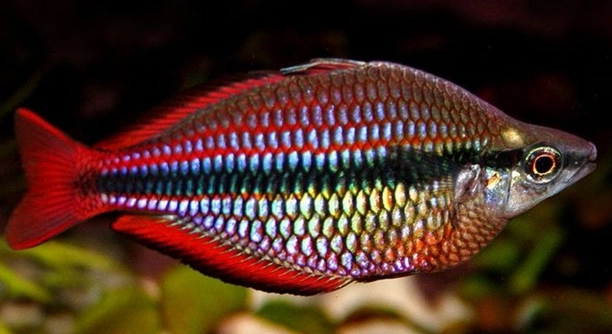
Rainbow fish are a popular choice for aquarium enthusiasts, known for their colorful and vibrant appearance. To keep them healthy and thriving, it’s important to maintain their aquatic environment properly, including adding specific water additives.
Water additives can help create a balanced environment for rainbow fish by adjusting parameters like pH, hardness, and nutrient levels. These adjustments can support their health, improve water clarity, and help prevent disease, making their habitat more suitable.
In the following sections, we will explore several water additives that can significantly improve the well-being of rainbow fish. These simple solutions are key to ensuring your aquatic pets stay vibrant and healthy in their tank.
pH Adjusters: Essential for Healthy Water
Maintaining the right pH level in your aquarium is crucial for rainbow fish. These fish prefer a slightly acidic to neutral pH, usually between 6.5 and 7.5. If the pH is too high or too low, it can cause stress and make rainbow fish more susceptible to diseases. pH adjusters are water additives that help regulate this balance by either raising or lowering the pH as needed. This can be particularly helpful if your tap water has inconsistent pH levels.
Proper pH helps maintain the overall well-being of your fish, enabling them to thrive and display their best colors. Using a reliable pH adjuster ensures that any fluctuation in water chemistry won’t negatively affect the rainbow fish, leading to a more stable environment.
Over time, using pH adjusters will also help avoid unwanted algae growth, which can be caused by sudden changes in water chemistry. By keeping the pH level within the optimal range, you will help support a healthier ecosystem for both your fish and plants. Stability is key, and a controlled pH balance makes a big difference in fish health.
Water Conditioners: Improving Water Quality
Water conditioners neutralize harmful substances like chlorine, chloramines, and heavy metals in your tap water. These chemicals are commonly found in municipal water systems, and they can be harmful to fish.
By adding a water conditioner, you create a safer environment for your rainbow fish. These additives also help in removing organic waste and promoting beneficial bacteria. Over time, this results in cleaner, healthier water, improving the quality of life for your aquatic pets.
Aquarium Salt: A Natural Health Boost
Aquarium salt can help maintain electrolyte balance for rainbow fish, supporting their immune system and aiding in overall health. It can also help with minor wounds and skin conditions. However, it should be used sparingly, as too much salt can lead to dehydration and stress.
When used correctly, aquarium salt can help improve the fish’s overall condition by reducing the risk of parasites and improving gill function. It encourages healthy tissue regeneration and enhances the fish’s natural resistance to diseases. However, it’s important to monitor salt levels closely to avoid harming your fish or aquatic plants.
For best results, dissolve aquarium salt in a separate container of water before adding it to the tank. This helps prevent any sudden changes in salinity, ensuring that your rainbow fish experience a gradual and healthy adjustment. This simple addition can make a noticeable difference in the well-being of your fish.
Ammonia Removers: Reducing Toxic Build-Up
Ammonia is a harmful substance in aquariums that can build up quickly due to fish waste and uneaten food. Ammonia removers are additives that help neutralize this toxin, preventing potential harm to your rainbow fish.
When ammonia levels are high, rainbow fish can suffer from breathing difficulties and stress. Ammonia removers are designed to absorb and neutralize this toxic substance, improving the overall water quality. This leads to a healthier tank environment, reducing the risk of illness and promoting better fish behavior.
Using ammonia removers as part of your regular water maintenance routine helps keep the aquarium’s water quality in check, ensuring that your rainbow fish can thrive without the constant threat of ammonia poisoning.
Trace Elements: Essential Nutrients
Rainbow fish need certain trace elements like magnesium, calcium, and potassium to maintain their health. These elements support their metabolic processes and help in bone and fin development. Trace elements are often depleted in aquarium water, so adding them back is key for maintaining balanced nutrition.
These essential nutrients also help support the growth of aquatic plants and the overall ecosystem in your tank. They can improve the water quality by promoting healthier biological filtration. Adding trace elements ensures that your fish stay vibrant, with strong immune systems and optimal growth.
Water Softening Agents: Reducing Hardness
Water softening agents are used to lower the hardness of tap water, which can be harmful to rainbow fish. Hard water, with high levels of calcium and magnesium, can cause stress and health issues for delicate species.
These additives make water conditions more suitable for fish that prefer softer water. Softening agents can help to stabilize water chemistry, allowing for better fish health and plant growth. If you live in an area with hard water, these agents can be a great tool to improve your fish’s environment.
FAQ
What is the ideal pH level for rainbow fish?
Rainbow fish thrive in slightly acidic to neutral water with a pH between 6.5 and 7.5. This pH range is closest to their natural habitat, which helps them feel more comfortable and healthy. Consistently maintaining this level can prevent stress and encourage vibrant coloration. Regular water tests will help ensure the pH stays within this range.
Can I use aquarium salt with rainbow fish?
Yes, aquarium salt can be used with rainbow fish, but it should be used sparingly. It helps boost the fish’s immune system, aids in healing minor wounds, and can reduce the chances of parasites. However, excessive salt can cause dehydration and harm delicate plants, so always follow the recommended dosage.
How often should I add water conditioners to my tank?
Water conditioners should be added whenever you change or top off the water in your aquarium. They help neutralize harmful chemicals such as chlorine and chloramines that are often found in tap water. You don’t need to add them on a daily basis, but they are essential during water changes or when refilling the tank.
Are water softeners safe for rainbow fish?
Yes, water softeners can be safe for rainbow fish when used in moderation. Soft water is more suited to many freshwater species, including rainbow fish, as it mimics their natural environment. However, it’s important to monitor water hardness and avoid over-softening, which could negatively affect the health of both the fish and the plants in the tank.
How do ammonia removers work?
Ammonia removers work by chemically neutralizing toxic ammonia in the aquarium. Ammonia builds up from fish waste, uneaten food, and decaying organic matter. High ammonia levels can lead to health problems for rainbow fish. Ammonia removers absorb or neutralize this toxin, helping to maintain a safer water environment.
Can I add trace elements to my tank regularly?
Yes, trace elements can be added regularly to your aquarium to keep the water well-balanced. These elements, such as magnesium, calcium, and potassium, are crucial for the overall health of both rainbow fish and aquatic plants. They help with metabolism, growth, and immune function. Be mindful not to overdo it; use trace element supplements according to manufacturer instructions to avoid imbalances.
How do I know if my rainbow fish need pH adjustments?
You’ll know your rainbow fish may need pH adjustments if you notice signs of stress, such as reduced activity or fading colors. Consistently testing the water can also reveal if the pH is outside of the ideal range. If you’re unsure, it’s a good idea to use pH adjusters to bring it back to a comfortable level for your fish.
What should I do if my rainbow fish seem sick?
If your rainbow fish appear sick, start by checking the water quality. Ensure the pH, ammonia, and nitrate levels are within acceptable ranges. Poor water quality is often the cause of stress and illness in fish. If the water quality is good, consider adding a water conditioner or salt to help with healing and reducing stress. If symptoms persist, it may be time to consult an aquarium specialist or veterinarian for further advice.
Are there any natural alternatives to water additives?
Yes, there are natural ways to improve water quality. Using live plants can help absorb excess nutrients, improve oxygen levels, and create a healthier environment for your fish. Regular water changes and proper tank maintenance are also essential in keeping the water clean and stable. If you prefer a more natural setup, these methods can reduce the need for chemical additives, but regular monitoring is still necessary.
How can I maintain the right hardness for my rainbow fish?
Maintaining the right water hardness involves testing the water regularly. If your water is too hard, water softeners can be used to bring it down to an acceptable level for rainbow fish. Conversely, if the water is too soft, adding minerals or using a buffer to increase hardness can be beneficial. Balance is key, as both extremes can stress your fish.
Do water additives affect my aquarium plants?
Most water additives are designed to be safe for aquarium plants, but some may affect plant growth if used excessively. For example, too much salt or pH adjusters can damage plants over time. When using water additives, always check if they are plant-friendly and follow dosage instructions carefully to avoid harming your plants while benefiting your fish.
Final Thoughts
Maintaining a healthy environment for your rainbow fish requires attention to various factors, including water quality and the right water additives. pH adjusters, water conditioners, and other additives can play an important role in ensuring your fish remain healthy and vibrant. Regularly testing the water and making necessary adjustments helps prevent stress and keeps your rainbow fish in optimal condition. It’s important to remember that each tank is different, so what works for one setup may not work for another. The key is to monitor and adapt as needed.
Using additives like aquarium salt, ammonia removers, and trace elements can be beneficial, but they should always be used with care. Overuse or incorrect dosing can lead to imbalances that could harm your fish or aquatic plants. It’s always a good idea to start with small doses and gradually adjust based on the needs of your tank. Also, maintaining regular water changes is crucial, as this helps to keep toxins at bay and provides a more stable environment for both your fish and plants. Over time, you will learn the balance that works best for your tank.
Ultimately, keeping rainbow fish healthy goes beyond just adding water additives. Consistent tank maintenance, appropriate filtration, and feeding are just as important. These fish thrive in stable environments, and small changes can often make a big difference in their health. By staying informed and being mindful of the water conditions, you can create a thriving aquatic ecosystem for your rainbow fish, allowing them to display their beautiful colors and live long, healthy lives.

Hello,
If you enjoy the content that we create, please consider saying a "Thank You!" by leaving a tip.
Every little bit helps us continue crafting quality advice that supports the health, happiness, and well-being of pets around the world, for pets of all shapes, sizes, and species.
We really appreciate the kindness and support that you show us!