
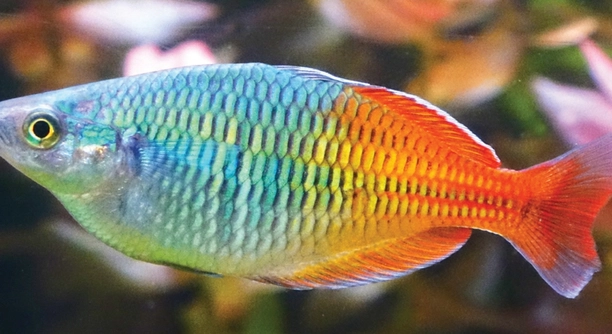
Rainbow fish are known for their bright colors and active nature, but their behavior changes as the day turns to night. Their nighttime habits may surprise those who watch them closely.
Rainbow fish tend to become more passive and less social at night. This shift is driven by changes in light, temperature, and natural instincts to rest. Their nocturnal behavior is a common response to environmental factors.
The differences in their behavior at night are fascinating. Understanding why this occurs helps us appreciate how fish interact with their surroundings.
How Light Affects Rainbow Fish at Night
Rainbow fish are particularly sensitive to light. During the day, they are active, moving around the tank and interacting with each other. As night falls and the light dims, their activity level drops. This change happens because their eyes are adapted to different light levels. When it’s dark, they feel safer and tend to hide in plants or near rocks, instinctively trying to avoid predators. Their colors can also become less vibrant in low light, as they aren’t trying to attract mates or communicate with others in the same way as they do in daylight.
Light plays a crucial role in the circadian rhythm of rainbow fish. Their behavior is linked to their biological clock, which is regulated by light exposure. When the tank light is switched off, their bodies recognize that it’s time to rest and slow down.
At night, rainbow fish reduce their activity because they naturally rest during this time. The absence of light simulates a safer environment, encouraging them to stay still and preserve energy. In the wild, this helps them avoid potential threats. In a tank setting, providing a natural day-night cycle can promote healthier behavior and a more balanced routine for the fish.
Water Temperature and Its Influence on Behavior
Water temperature can greatly influence the behavior of rainbow fish. They are used to warm waters, but even slight temperature shifts can have an impact.
Rainbow fish rely on stable temperatures to maintain their activity levels. When the water cools down at night, their metabolism slows, causing them to become less active. Fish typically rest or hide, conserving energy. It’s essential to keep the water temperature consistent, as fluctuating temperatures could stress them. Over time, this could cause health problems, making the fish more vulnerable to illness. Maintaining a comfortable environment for your rainbow fish ensures they can rest and thrive during the night, and it also prevents the water from becoming too cold, which would affect their health and behavior.
Predator Instincts and Safety at Night
At night, rainbow fish are more cautious because they’re less likely to encounter predators in the dark.
When the lights go off, rainbow fish instinctively enter a defensive mode. In the wild, many fish species face increased risk of predators at night. Rainbow fish respond by staying hidden in safe spots like plants or caves. This behavior is their natural survival instinct kicking in, helping them avoid becoming prey. By limiting their movements during the darker hours, they stay safer and rest more securely. In an aquarium setting, providing these hiding spots helps them feel protected and reduces stress.
The protective behavior at night is part of the rainbow fish’s effort to stay alive in the wild. Their instinct to stay hidden at night shows just how in-tune they are with their environment. Even in a safe tank, they maintain these instincts, keeping their energy levels low and minimizing movement. By offering safe spaces and a natural light cycle, you help your rainbow fish feel comfortable and secure, contributing to their well-being.
The Role of Social Interaction
Rainbow fish are generally social, but their interactions change after dark.
In the daytime, rainbow fish can be seen swimming together and exploring the tank. At night, they become less social. They may still stay close to one another, but the active swimming and socializing pauses. This shift likely happens because, in the dark, they no longer feel the need to interact with their tank mates in the same way. The desire for companionship or communication decreases, and they tend to keep to themselves. Social behavior is most prominent during daylight when they are actively foraging and moving around.
In their natural environment, rainbow fish form schools during the day, using group movement for protection. At night, this communal behavior changes as they prioritize rest and safety. In a tank setting, your rainbow fish may appear more solitary at night, but they still rely on each other for security. Maintaining proper lighting and tank setup helps foster healthy social dynamics, even if it’s less noticeable after dark.
Resting Habits at Night
Rainbow fish become much less active at night and often rest at the bottom of the tank.
At night, they stop swimming around and become more sedentary, preferring to stay still and conserve energy. This rest period is crucial for their overall health. In the wild, this behavior helps them avoid exhaustion and prepare for the next day. In your tank, it’s important to provide quiet, calm areas where they can rest without disturbances.
Changes in Feeding Behavior
Rainbow fish are less likely to actively search for food after dark.
They usually feed during daylight hours when they feel safe and more active. At night, their hunger signals are diminished, and they are less likely to forage. This shift in behavior highlights the importance of feeding your fish during the day when they are more alert and hungry. By following this pattern, you can ensure that they receive enough food and nutrition for optimal health.
FAQ
Why do rainbow fish become less active at night?
Rainbow fish are naturally less active at night due to their instincts to conserve energy and stay safe. In the wild, darkness signals a higher risk of predator activity, so they tend to hide or stay still. In an aquarium, even though there are no predators, their biological clock still causes them to reduce movement and rest. This behavior helps them preserve energy for the next active period.
Do rainbow fish sleep at night?
Yes, rainbow fish do sleep at night, but it’s not exactly like the sleep humans experience. They enter a restful state, slowing down their activity and resting in a secure spot. This period of reduced movement is essential for their recovery and overall health. They may appear still or hiding, but they are simply in a calm, low-energy state, not fully asleep.
Should I turn off the lights at night for my rainbow fish?
Yes, turning off the lights at night is beneficial for rainbow fish. The natural cycle of light and darkness helps regulate their circadian rhythm, just as it does for many other animals. A consistent day-night cycle mimics their natural environment, encouraging them to rest properly. Keeping the lights off for a few hours during the night will give them time to sleep, reducing stress and maintaining a healthy routine.
Do rainbow fish need a night light?
Rainbow fish do not need a night light. In fact, the darkness is important for them to rest properly. Having a night light on could disturb their natural behavior and might prevent them from settling down for sleep. A period of complete darkness helps them recognize the night and day cycle, promoting a healthy rhythm.
How long do rainbow fish rest at night?
Rainbow fish typically rest for several hours during the night. The exact duration depends on the lighting schedule in your tank, but they generally reduce activity when the lights go off and stay in a restful state until morning. On average, this can range from 6 to 12 hours, similar to how fish in the wild would behave in a natural environment.
Can rainbow fish get stressed from night changes?
Rainbow fish can become stressed if there are sudden or drastic changes to their environment, including lighting and temperature. If the lighting schedule is inconsistent or the tank environment changes too quickly at night, they may become disoriented or anxious. It’s important to maintain a stable routine with gradual changes to avoid causing stress to your fish.
Do rainbow fish need a specific temperature at night?
Yes, maintaining a consistent water temperature is important for rainbow fish, especially at night. They thrive in warm water, with temperatures ranging from 72°F to 78°F (22°C to 26°C). A drop in temperature at night could make them feel uncomfortable or stressed. Keeping the water at a steady temperature ensures that they remain healthy and relaxed.
Are rainbow fish less social at night?
Yes, rainbow fish are less social at night. While they are typically active and social during the day, at night they tend to retreat to quieter areas of the tank and reduce interaction with their tank mates. This behavior is a result of their natural instincts to rest and stay safe in darker conditions. They may still stay near each other but won’t interact as much.
Do rainbow fish need a filter running at night?
Yes, it’s best to keep the filter running at night for rainbow fish. A filter helps maintain water quality by removing waste and excess food particles, which is important for their health. The filter doesn’t disturb their rest, and it helps ensure a stable and clean environment. However, if the filter makes too much noise, you may want to consider a quieter one to avoid disturbing the fish.
Can rainbow fish eat at night?
Rainbow fish are not typically active at night and are less likely to eat. They are more active during the day when they search for food. It’s best to feed them during daylight hours when they are alert and hungry. Overfeeding at night could lead to uneaten food, which can dirty the tank and cause water quality issues.
What should I do if my rainbow fish aren’t resting at night?
If your rainbow fish are not resting at night, it could be a sign of stress. Check the water quality, temperature, and lighting conditions. Ensure that your tank has hiding spots for them to feel secure. A lack of proper resting conditions could lead to illness or behavioral problems, so creating a more comfortable environment is key. If problems persist, you may need to adjust the tank’s environment to better suit their natural needs.
Do rainbow fish rest in the same spot every night?
Rainbow fish may rest in the same spot each night if they feel secure there. They tend to find a hiding spot, like a plant or a cave, where they feel safe from potential threats. Some may change resting spots occasionally, depending on where they feel most comfortable at the time.
Can I use artificial lighting for rainbow fish?
Artificial lighting is fine for rainbow fish, as long as it mimics natural light cycles. A light that gradually simulates the transition from day to night can help keep them in a regular rhythm. Bright, harsh lights should be avoided as they could disrupt their natural behavior. It’s essential to provide a dimmer, cooler period after lights go out to help them rest.
What happens if I don’t provide a dark period for my rainbow fish?
Without a dark period, rainbow fish may not be able to rest properly, leading to stress and possibly weakened immune systems. Over time, lack of a natural day-night cycle can disrupt their biological rhythm, affecting their behavior, health, and overall well-being. It’s important to create a balanced lighting routine that includes periods of darkness for the fish to sleep and recover.
How do I know if my rainbow fish are getting enough rest?
Healthy rainbow fish will show signs of proper rest by being active during the day and resting quietly at night. If they are swimming actively or foraging at night, they may not be getting enough rest. Ensure that they have a quiet, secure spot to rest during the night and that the lighting schedule is consistent.
Do rainbow fish need any special care at night?
Rainbow fish don’t need special care at night, but ensuring the tank environment is calm and stable is important. Maintain the proper water temperature, keep the tank clean, and avoid disturbing them during their rest period. By providing a peaceful environment, you help your fish feel secure and healthy.
Final Thoughts
Rainbow fish have unique behaviors that change throughout the day, especially when night falls. At night, they naturally become less active and rest. This reduction in activity is tied to their biological rhythms and instincts. In the wild, rainbow fish would be more cautious after dark, staying hidden to avoid predators. Even in a tank, they still follow this pattern, reducing their movement and seeking safe spots to rest. This is why it’s essential to create an environment that mimics their natural habitat, with a proper day-night cycle and spaces for them to hide.
Maintaining the right lighting and water conditions is crucial to ensure that rainbow fish rest well at night. Providing a stable light schedule helps them follow their natural rhythms. A light cycle that simulates day and night allows them to feel secure and reduce stress. The water temperature should also remain stable. Sudden changes in temperature or light can cause them to become uneasy or stressed, affecting their health. Having hiding spots, such as plants or rocks, allows them to feel safe and rest properly, which is vital for their overall well-being.
In conclusion, understanding the behavior of rainbow fish at night helps us provide the best care for them. While their nighttime habits may seem simple, they are essential for their health and safety. By ensuring that the tank environment supports their natural instincts, you create a space where they can thrive. It’s important to remember that rest is just as important for fish as it is for any other animal, and respecting their need for quiet, darkness, and stability will keep them healthy and happy in the long run.

Hello,
If you enjoy the content that we create, please consider saying a "Thank You!" by leaving a tip.
Every little bit helps us continue crafting quality advice that supports the health, happiness, and well-being of pets around the world, for pets of all shapes, sizes, and species.
We really appreciate the kindness and support that you show us!