
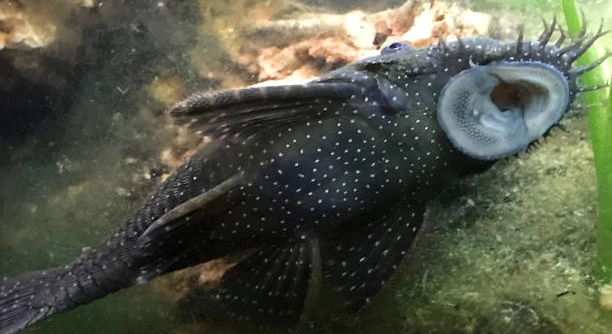
Are your aquarium walls often lined with the shadowy shapes of plecos hiding in the corners? These peaceful fish seem to vanish during the day, preferring to stay near the back where they feel safest.
Plecos typically favor the back of the tank due to a combination of environmental security and behavioral instincts. The rear provides shelter from excessive light, reduces exposure to other fish, and offers stable surfaces for grazing and resting.
Observing their behavior more closely can reveal interesting patterns in tank dynamics and care strategies that support these shy, nocturnal creatures.
The Role of Light and Hiding Spots
Plecos naturally avoid bright areas, and strong lighting can make them retreat to darker corners. Providing hiding spots like caves, driftwood, or dense plants encourages them to feel safe and reduces stress. These fish are nocturnal by nature, meaning they are most active during low light periods. Even in a well-lit tank, the back provides a sense of enclosure. Observing their daily habits, it’s clear they prioritize security over open spaces. Creating areas where they can retreat improves their comfort and overall health. Tanks that lack proper hiding places often see plecos spending most of their time clinging to the back glass, rarely exploring the center. Adjusting the lighting schedule gradually or offering shaded areas helps them become more confident. Understanding these preferences allows for a tank setup that aligns with their natural behavior patterns and keeps them thriving in captivity.
Providing darker areas at the back ensures plecos remain calm and reduces unnecessary stress throughout the day.
Plecos also use the back of the tank as a stable area to graze. Surfaces like rocks, driftwood, and smooth decorations allow them to feed naturally, scraping algae efficiently. The location reduces disturbances from other active fish, creating a controlled environment for eating and resting. Over time, this habit supports healthier growth and reduces aggressive interactions. By observing their preferred feeding zones, aquarists can better place food and decorations to meet plecos’ needs. These fish value predictability, and the back of the tank consistently provides that. Incorporating elements that mimic natural conditions can improve behavior, making plecos more active during feeding times while still enjoying the security of their preferred corner. Proper tank setup with ample surfaces and shelter supports both physical and mental well-being, fostering a more balanced and peaceful aquatic environment for all tank inhabitants.
Social Dynamics and Tankmates
Plecos often retreat to the back to avoid competition or conflict with other fish, prioritizing safety over exploration.
Tankmates influence pleco behavior significantly. Aggressive or highly active species can intimidate plecos, causing them to stay hidden. Observing interactions helps determine whether adjustments are needed, such as adding more hiding spots or separating species. Providing an environment that respects their cautious nature ensures all fish can coexist without stress. Plecos are not naturally confrontational, so their behavior often reflects the surrounding population’s activity. Stressful conditions can lead to reduced feeding or slower growth, which is why understanding social dynamics is key. Balancing tank population, maintaining adequate space, and monitoring territorial behavior allows plecos to feel secure. The back of the tank becomes their personal refuge, offering a sense of control and reducing stress. By tailoring the habitat with these considerations, aquarists create an environment that encourages natural behavior, maintains health, and fosters a peaceful aquarium ecosystem where plecos thrive without constant fear or pressure.
Feeding Habits and the Back of the Tank
Plecos prefer the back because it offers a quiet, undisturbed area to graze. They can feed on algae, leftover food, or driftwood without competition, which makes the back of the tank an ideal spot for their routine.
Algae and biofilm naturally grow on surfaces in less-trafficked areas. Plecos take advantage of these spots to feed steadily, which helps maintain their energy and health. Being at the back allows them to avoid jostling with more active or curious fish. Feeding in a calm, secure area also encourages consistent behavior patterns. This environment mirrors their natural habitats, where they would graze along riverbeds and sheltered surfaces, minimizing exposure to predators and disturbances. Ensuring adequate feeding surfaces at the rear supports their physical well-being and promotes natural behaviors, allowing them to thrive in captivity.
Positioning food near driftwood or caves at the back of the tank supports their natural grazing habits. Plecos can eat comfortably without stress, which encourages regular activity. Creating multiple grazing zones ensures they are not forced to compete for resources, helping maintain peace in the aquarium. Over time, this setup strengthens their natural routines and encourages growth while reducing anxiety caused by constant movement and attention from other fish. A well-planned tank allows plecos to enjoy both safety and nutrition efficiently.
Water Flow and Comfort Zones
Plecos tend to avoid strong currents, making the back of the tank a preferred location with calmer water.
Areas with reduced water flow provide plecos with energy savings and stability. Strong currents can tire them, so they naturally move to calmer zones where they can rest, feed, or attach to surfaces. Driftwood, rocks, and plants at the back slow down the flow, creating comfortable microenvironments. These quieter zones support nocturnal activity and grazing patterns while allowing them to remain alert to their surroundings without expending unnecessary energy. Positioning decorations strategically helps maintain these calmer areas.
Water circulation impacts pleco comfort and overall health. While other fish may enjoy swimming in the current, plecos benefit from gentle, stable zones where they can cling or rest. High flow can lead to stress, fatigue, and disrupted feeding habits. Creating back-of-tank refuges with minimal flow encourages natural behaviors and promotes energy conservation. Aquarists can manage pumps or filters to maintain consistent current levels while ensuring plecos have access to preferred areas. This careful balance supports long-term health, reduces stress-related behavior, and helps maintain a peaceful tank environment where plecos feel secure while coexisting with more active tankmates.
Nocturnal Behavior
Plecos are naturally nocturnal, so they spend much of the day resting in hidden areas. The back of the tank provides a safe, quiet space where they can conserve energy until nighttime activity begins.
Hiding at the rear also reduces interactions with other fish during daylight. This helps them stay stress-free and maintain their natural rhythms without unnecessary disturbances.
Territorial Preferences
Plecos often claim areas at the back of the tank as their territory. Having a consistent space reduces conflict with other fish and allows them to establish a secure base for feeding and resting.
Tank Size Considerations
In smaller tanks, plecos may be forced to spend more time near the back due to limited space. Providing sufficient room and vertical or horizontal hiding spots can encourage natural movement and reduce stress.
Environmental Enrichment
Adding driftwood, rocks, or plants at the back improves plecos’ well-being. These features give them surfaces to graze and areas to explore, supporting both physical and mental health.
FAQ
Why do plecos hide at the back of the tank most of the time?
Plecos hide at the back primarily for security. This area feels enclosed and safe, shielding them from bright lights and active tankmates. It also gives them a stable environment for feeding and resting, reducing stress and allowing them to follow their natural nocturnal routines.
Do plecos ever come out to the front of the tank?
Yes, plecos do occasionally move to more open areas, usually during feeding times or low-light periods. They are cautious by nature, so they prefer staying close to hiding spots. The front of the tank is less secure, so they will only explore when conditions feel safe.
Is it normal for plecos to stay hidden all day?
Absolutely. Plecos are naturally nocturnal, meaning they are more active at night. Staying hidden during the day is normal behavior. This helps them conserve energy, avoid stress, and maintain a sense of safety within the tank.
Will plecos become stressed if they are constantly at the back?
Not necessarily. As long as they have adequate hiding spots, proper food, and a comfortable environment, spending most of their time at the back is natural. Stress usually occurs when space is limited, hiding spots are insufficient, or tankmates are aggressive.
How can I encourage my pleco to explore more?
Gradual adjustments can help. Lowering light levels, adding shaded areas, or providing multiple feeding zones can encourage exploration. Avoid sudden changes and maintain calm tank conditions. Plecos respond well to predictability and gentle environmental modifications.
Do plecos need specific hiding spots at the back?
Yes. Driftwood, rocks, caves, or dense plants create secure spaces that satisfy their natural instincts. Proper hiding spots help them feel protected, support grazing habits, and reduce stress from other active or aggressive fish.
Does tank size affect pleco behavior?
Tank size matters. Small tanks may limit movement and make plecos feel crowded, which increases stress and encourages them to stay hidden. Larger tanks with multiple hiding spots allow plecos to explore comfortably while maintaining secure zones.
Can plecos coexist with active or aggressive fish?
Yes, with careful planning. Plecos tend to avoid conflict by sticking to the back of the tank. Providing hiding spots, shaded areas, and calm zones helps them coexist peacefully with more active or territorial species. Observing interactions is important to prevent stress.
Why do plecos prefer low-current areas?
Plecos avoid strong currents to conserve energy and maintain stability. Calm zones at the back allow them to rest, feed, and attach to surfaces comfortably without being forced to fight water movement. Strong flow can tire them and disrupt feeding patterns.
How often should I clean the back area of the tank?
Cleaning should be gentle and regular. Plecos rely on algae and biofilm on surfaces for food, so avoid over-scrubbing. Remove excess debris without disturbing their hiding spots. Maintaining water quality and hygiene supports both health and natural grazing habits.
Are plecos more active at night in the back?
Yes, nighttime activity increases. The back of the tank offers safety while they forage, graze, and explore. Observing them at night reveals natural behaviors that are less visible during daylight hours. Providing shaded or dimmed areas encourages these routines.
What role does environmental enrichment play for plecos?
Environmental enrichment is crucial. Adding driftwood, rocks, caves, and plants at the back enhances mental stimulation, provides feeding surfaces, and supports natural behaviors. A well-enriched back area ensures plecos remain active, healthy, and stress-free while staying in their preferred zones.
Can plecos adapt to a tank without much hiding space?
They can adapt, but it increases stress and reduces natural behaviors. Lack of hiding spots may lead to health problems, less feeding efficiency, and constant retreat to corners. Providing sufficient enrichment is strongly recommended to maintain their comfort and well-being.
How can I monitor if my pleco is happy in the back?
Watch for consistent feeding, healthy growth, and regular nighttime activity. Calm behavior without signs of stress, such as rapid swimming or hiding excessively, indicates comfort. Ensuring their preferred back areas are secure and enriched supports long-term happiness.
Is it normal for plecos to cling to glass at the back?
Yes, clinging is natural. It helps them rest in a stable position, scrape algae for food, and monitor their surroundings without exposing themselves. This behavior is common and shows they are using the back for both security and nourishment.
How important is water quality for plecos in the back area?
Water quality is very important. Even if they stay hidden, plecos need clean water with stable temperature, pH, and low ammonia levels. Poor water conditions can cause stress, illness, or reduced activity, even in secure back areas.
Do plecos like to interact with other fish?
Plecos are generally solitary and avoid direct interaction. They coexist peacefully but prefer to remain in secure areas while observing tankmates. Social interaction is limited, and they rely on the back of the tank for personal space and routine.
What types of surfaces should I provide at the back?
Smooth rocks, driftwood, caves, and plants are ideal. These surfaces allow natural grazing, resting, and hiding. Providing varied textures supports physical activity, encourages exploration, and reduces stress by mimicking natural riverbed environments.
Can I place food near the back to encourage feeding?
Yes. Placing food near driftwood or caves encourages natural grazing behaviors. This strategy reduces competition from other fish, supports comfort, and ensures plecos access nutrition in their preferred, safe zone.
How often should I observe pleco behavior at the back?
Daily observation helps monitor feeding, stress, and activity patterns. Noting changes can indicate environmental or social issues. Regularly checking the back area ensures plecos remain healthy and comfortable in their preferred territory.
Do plecos prefer specific plants at the back?
Plecos appreciate plants that provide cover without restricting movement. Dense foliage, broad leaves, or floating plants offer shade and hiding spots. These plants also support natural grazing and help maintain calm zones in the back of the tank.
Is hiding at the back a sign of illness?
Not usually. Hiding is normal behavior. Illness is indicated by lethargy, lack of appetite, or unusual swimming patterns. If hiding is accompanied by these signs, water quality or health checks are necessary. Otherwise, the back remains a natural safe zone.
How does lighting affect pleco positioning?
Bright light pushes plecos to shaded areas, often at the back. Dimmed or indirect lighting encourages natural grazing and activity while reducing stress. Adjusting lighting gradually helps them feel secure and maintain normal routines.
Do plecos need multiple hiding spots?
Yes. Multiple spots reduce territorial conflicts, provide alternatives if one area is occupied, and create a more natural environment. Driftwood, caves, and plants positioned at the back allow flexibility and comfort, supporting their overall well-being.
How do plecos mark their territory at the back?
Plecos use body positioning, grazing patterns, and occasional scraping of surfaces to indicate preferred zones. These subtle behaviors help establish secure areas without aggression, signaling to other fish that the space is occupied.
Can adding decorations improve pleco behavior?
Yes. Decorations create secure zones, feeding surfaces, and exploration opportunities. Properly arranged at the back, they reduce stress, encourage natural behaviors, and promote healthier activity patterns while supporting nocturnal habits.
Is it normal for plecos to ignore the front of the tank?
Yes. The front is open and exposed, making it less secure. Plecos prioritize safety and prefer the back, where they can feed, rest, and observe their environment without unnecessary risk.
How do I ensure plecos feel safe in a community tank?
Provide hiding spots, shaded areas, and calm zones at the back. Observe interactions with other fish, maintain water quality, and avoid overcrowding. These measures create an environment that respects their cautious nature.
What is the best way to arrange the back of the tank?
Include driftwood, caves, smooth rocks, and plants to create layered hiding areas. Position feeding zones nearby, and maintain gentle water flow. This setup ensures security, grazing opportunities, and stress-free routines for plecos.
Are plecos more active in planted tanks?
Yes. Plants provide cover, shade, and surfaces for grazing. A planted back encourages natural behavior, reduces stress, and allows plecos to explore without leaving secure zones. This setup closely mimics their natural habitat.
Do plecos prefer vertical or horizontal surfaces?
Both are important. Vertical surfaces allow clinging and grazing, while horizontal surfaces provide resting areas. A combination of driftwood, rocks, and plants creates variety and supports natural movement and feeding patterns.
How can I tell if my pleco is comfortable at the back?
Consistent feeding, normal grazing, active nocturnal behavior, and calm resting are signs of comfort. They should use hiding spots without signs of stress or aggression. Monitoring these behaviors ensures they remain healthy and secure.
Can plecos coexist with bottom-dwelling species?
Yes, if sufficient space and hiding spots are provided. Multiple refuges reduce competition for surfaces and food. Careful observation ensures peaceful interactions and prevents stress, allowing all bottom-dwelling species to thrive together.
Do plecos enjoy smooth or textured surfaces?
Textured surfaces are preferred for grazing, scraping algae, and maintaining healthy skin. Smooth surfaces are fine for resting or clinging. A mix provides functional areas for feeding, exploration, and comfort.
Will plecos adjust if the back area is changed?
Gradual changes are tolerated. Sudden rearrangements can cause stress, but careful repositioning of hiding spots, plants, or driftwood allows plecos to adapt while still feeling secure in their territory.
How do plecos react to frequent tank visitors?
Plecos usually retreat to the back to avoid disturbances. Excess movement near the tank may increase hiding behavior, but they remain healthy as long as food and secure zones are available.
Do plecos prefer natural or artificial decorations?
Natural decorations like driftwood and rocks are preferred. They provide proper grazing surfaces and hiding opportunities. Artificial decorations can be used if they mimic natural textures and offer secure spaces.
How important is substrate at the back of the tank?
Substrate impacts comfort, grazing, and natural behavior. Sand or smooth gravel allows safe movement, while avoiding sharp or abrasive materials reduces injury risk. Proper substrate complements hiding spots and feeding zones.
Can plecos become territorial over food at the back?
Occasionally. Providing multiple feeding surfaces reduces competition and stress. Plecos usually establish personal zones, and careful food placement ensures peaceful grazing without aggressive behavior.
Do plecos need constant access to the back?
Yes. The back is their primary safe zone. Access supports natural routines, reduces stress, and provides a consistent area for resting, grazing, and observing the environment safely.
How can I improve pleco well-being in the back area?
Provide hiding spots, gentle water flow, grazing surfaces, and proper lighting. Monitor tankmates, maintain water quality, and offer enrichment to encourage natural behavior and comfort. A stable environment promotes both physical and mental health.
Do plecos use the back for breeding?
Some species prefer hidden areas for spawning. Providing secure caves and secluded spots at the back can encourage natural breeding behavior while ensuring eggs remain protected from other fish.
Are plecos more active in larger tanks?
Yes. Larger tanks offer more hiding spots, grazing areas, and space to move freely. This encourages exploration while still allowing them to retreat to preferred secure zones at the back when needed.
Do plecos prefer single or multiple hiding spots?
Multiple hiding spots are better. They allow flexibility, reduce competition, and provide alternative spaces if one area is occupied. This setup enhances comfort and supports natural grazing and resting behaviors.
How long do plecos typically stay in the back each day?
Most plecos remain in back areas during daylight hours and emerge gradually as light decreases. Exact times vary by species, activity levels, and tank conditions, but daytime hiding is standard.
Can plecos be trained to use front areas?
They can, with patience. Gradual adjustments in lighting, feeding locations, and calm tank conditions encourage exploration. However, they will usually return to the back for comfort and safety.
Do plecos prefer freshwater plants or artificial ones at the back?
Freshwater plants are ideal for grazing, shade, and hiding. Artificial plants can work if they provide cover, secure attachment points, and safe surfaces. A mix can create a balanced and enriching environment.
How do I know if the back area is sufficient?
Plecos should have multiple hiding spots, gentle water flow, grazing surfaces, and shade. Observing stress-free behavior, regular feeding, and nocturnal activity indicates the back area meets their needs.
Does water temperature affect back-of-tank preference?
Yes. Plecos prefer stable temperatures within species-specific ranges. Sudden fluctuations can drive them to retreat more frequently. Maintaining proper temperature supports normal behavior and comfort.
Do plecos use the back for sleeping?
Yes, they rest at the back during the day, clinging to surfaces or staying hidden. This behavior allows them to conserve energy while remaining protected from other fish and disturbances.
Can back-of-tank hiding reduce aggression between plecos?
Yes. Providing separate zones and multiple hiding spots minimizes territorial disputes. Plecos can maintain personal space while sharing the same tank without frequent confrontations.
Are plecos more active in planted or bare back areas?
Planted areas encourage grazing, hiding, and exploration, increasing activity. Bare areas may feel exposed, causing plecos to remain mostly stationary. Plants and decorations simulate natural habitats and promote normal behavior.
Do plecos like vertical or horizontal caves?
Vertical caves allow clinging and resting, while horizontal caves provide secure retreat spaces. A mix of both supports grazing, resting, and territorial needs. Proper cave placement at the back encourages comfort and natural routines.
Is algae growth important for plecos at the back?
Yes. Algae provides a natural food source and encourages grazing. Maintaining light levels and surface availability supports feeding behavior while allowing plecos to stay in safe areas.
How can I tell if plecos are stressed in the back?
Signs include hiding excessively, reduced feeding, erratic swimming, or clinging to unusual surfaces. Proper hiding spots, gentle water flow, and calm tankmates help prevent stress and encourage healthy behavior.
Do plecos use the back to escape from aggressive tankmates?
Yes. The back provides a refuge from territorial or fast-moving fish. Hiding spots, shaded areas, and gentle water flow reduce confrontation and allow plecos to feel safe while maintaining natural routines.
Can plecos adapt to tanks without driftwood?
They can adapt but may be less comfortable. Driftwood supports grazing, attachment, and resting behaviors. Providing alternative surfaces like rocks or artificial decorations helps simulate natural conditions and improves well-being.
How do I maintain cleanliness without disturbing plecos in the back?
Clean gently, removing debris without disrupting hiding spots. Avoid over-scrubbing algae, as it is a food source. Maintaining water quality while respecting their safe zones ensures comfort and health.
Do plecos prefer shaded back areas?
Yes. Shade provides security, reduces light stress, and encourages natural grazing. Floating plants, dense foliage, or indirect lighting create ideal conditions for plecos to feel safe while remaining active at night.
Is it normal for plecos to stay motionless at the back?
Yes. Motionless behavior during the day is natural. Plecos conserve energy, rest, and avoid disturbances. They become more active during low-light periods or at night.
How often should I check pleco behavior at the back?
Daily observation ensures health, proper feeding, and stress-free behavior. Monitoring interactions with other fish and noting any changes allows timely adjustments to the tank setup or care routine.
Can plecos live happily without plants at the back?
Yes, but enrichment improves well-being. Driftwood, caves, and textured surfaces provide alternative hiding and grazing spots. Plants offer additional shade, cover, and stimulation, but are not strictly required.
Do plecos prefer dark-colored backgrounds?
Dark backgrounds increase perceived safety, reduce stress, and encourage natural behavior. Light-colored backgrounds can make them feel exposed, leading to more hiding and reduced activity.
How important is water movement at the back?
Minimal water flow is preferred. Gentle currents reduce fatigue and allow secure resting, feeding, and grazing. High flow can stress plecos and disrupt normal behavior patterns.
Do plecos interact with each other in the back?
Interactions are limited. Plecos are mostly solitary, using subtle signals to mark territory. Multiple hiding spots reduce conflict, allowing peaceful coexistence in shared spaces.
Can adding more plecos affect back-of-tank behavior?
Yes. Overcrowding increases competition and stress, leading to less exploration. Providing multiple hiding spots and grazing areas mitigates these effects and maintains comfort for all plecos.
How do plecos respond to changes in tank layout?
Gradual changes are tolerated. Sudden rearrangements may cause temporary stress. Ensuring hiding spots, feeding zones, and shaded areas remain consistent allows plecos to adapt without affecting natural routines.
Are plecos more active at night in larger tanks?
Yes. Larger tanks provide more space for exploration while allowing secure hiding spots. Plecos move more freely at night when light is low, grazing and resting naturally without feeling exposed.
Do plecos prefer smooth or rough driftwood?
Rough driftwood is preferred for grazing and attachment. Smooth surfaces are fine for resting. Providing a mix ensures functional areas for feeding, resting, and clinging.
Is it normal for plecos to nibble on decorations at the back?
Yes. Nibbling supports grazing habits, helps wear down teeth, and satisfies natural instincts. Safe, non-toxic decorations prevent damage while allowing this healthy behavior.
How long do plecos stay active at night?
Nighttime activity varies by species, but most plecos graze, explore, and feed for several hours. They retreat to hiding spots afterward to rest before daylight.
Do plecos prefer caves or open hiding spots?
Caves provide maximum security, while open spots offer space for grazing and resting. A combination meets both shelter and activity needs, ensuring comfort and natural behavior.
Can plecos thrive without hiding spots?
They can survive but are less comfortable and more stressed. Providing adequate hiding spots supports natural routines, reduces stress, and improves overall health.
How do I know if plecos like their back area?
Healthy feeding, grazing, resting, and calm nocturnal activity indicate satisfaction. Minimal stress behaviors, proper growth, and consistent use of hiding spots confirm comfort.
Do plecos need separate back zones for multiple fish?
Yes. Multiple hiding spots reduce conflict, support feeding, and allow personal space. Properly spaced zones ensure all plecos feel secure while maintaining natural routines.
**Can plecos adapt
Final Thoughts
Plecos are naturally cautious and nocturnal, which explains why they often prefer the back of the tank. This behavior is not a sign of illness or fear but a reflection of their instincts. In the wild, plecos would spend much of the day hidden among rocks, driftwood, and vegetation, emerging mostly at night to feed and explore. In a home aquarium, the back of the tank becomes their safe zone, offering shelter from bright lights, active tankmates, and strong currents. Understanding this behavior allows aquarists to create a comfortable environment that meets their natural needs. By providing secure spaces, shaded areas, and calm zones, you are encouraging healthy behavior patterns and supporting their well-being. Observing plecos in these areas can be rewarding, as you will notice their grazing routines, resting habits, and subtle interactions with the environment.
Providing enrichment in the back of the tank is essential for plecos’ physical and mental health. Driftwood, rocks, caves, and plants offer surfaces for grazing, resting, and clinging, while also creating a sense of security. Water flow, lighting, and substrate choices should complement these elements to maintain calm, low-stress zones. Plecos are solitary and territorial by nature, and multiple hiding spots reduce competition and allow them to establish personal spaces. Feeding near the back helps reinforce these natural habits, allowing plecos to access food in a secure area without being disturbed by other fish. Gradual adjustments to lighting or decorations can encourage gentle exploration while still respecting their preference for the rear of the tank. Overall, a thoughtfully arranged tank that considers these factors promotes both health and comfort, allowing plecos to thrive.
It is important to remember that plecos’ preference for the back of the tank is part of their natural routine and does not require drastic intervention. Rather than attempting to force them to the front or open areas, supporting their behavior with proper hiding spots, enrichment, and calm water conditions is the best approach. Monitoring their feeding, activity, and stress levels can help ensure they are healthy and comfortable. Plecos benefit from a stable, predictable environment where they can graze, rest, and retreat as needed. Recognizing and respecting their habits allows for a more peaceful and harmonious tank ecosystem. By catering to their natural instincts and providing thoughtful care, plecos can live longer, healthier lives while maintaining their calm and nocturnal behavior. Observing them at night or during low-light periods can reveal a fascinating glimpse into their routines, highlighting how the back of the tank serves as a sanctuary for both safety and sustenance.

Hello,
If you enjoy the content that we create, please consider saying a "Thank You!" by leaving a tip.
Every little bit helps us continue crafting quality advice that supports the health, happiness, and well-being of pets around the world, for pets of all shapes, sizes, and species.
We really appreciate the kindness and support that you show us!