
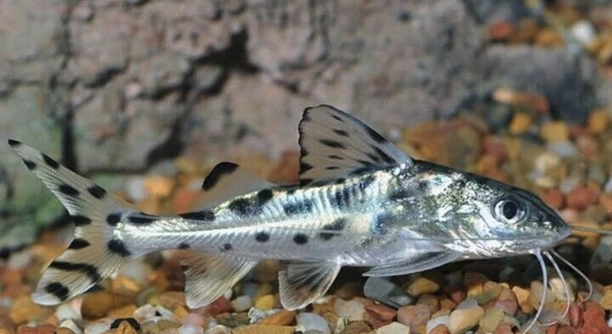
Pictus catfish are popular freshwater fish known for their active and social nature. They often swim near the bottom, but sometimes you might notice them staying near the top of the tank. This behavior can seem unusual to many aquarium owners.
Pictus catfish hover at the top mainly due to environmental factors such as low oxygen levels, water quality issues, or temperature changes. These conditions can cause stress, prompting the fish to seek better oxygen availability near the surface.
Understanding why your pictus catfish behave this way can help you create a healthier environment for them. There are simple steps you can take to improve their well-being and keep them comfortable.
Causes of Pictus Catfish Hovering at the Top
Pictus catfish may hover near the surface when the oxygen level in the tank is low. These fish rely on good oxygen circulation to stay healthy. Poor water quality, such as high ammonia or nitrite levels, can also make them uncomfortable and cause them to move upwards. Temperature fluctuations or water that is too warm reduce oxygen availability, pushing the catfish toward the top where the water meets air. Sometimes, the tank setup does not allow enough movement or hiding spots, causing stress. Stress and discomfort often lead to unusual behavior like hovering near the surface. Observing the tank carefully can help identify which factor is affecting your catfish. Regular testing of water conditions and maintaining proper filtration can prevent these problems from developing.
Low oxygen and poor water conditions are the main reasons for this behavior. Addressing these quickly improves fish health and comfort.
Making sure the tank water is clean and well-oxygenated will encourage your pictus catfish to swim normally. Adding air stones or improving water flow can help. Keeping the temperature stable and within their preferred range also matters. Small changes in tank maintenance can make a big difference in how your fish behave and feel. When these needs are met, pictus catfish are more likely to swim at all levels of the tank naturally.
How to Improve Tank Conditions for Pictus Catfish
Improving water quality is essential to keep pictus catfish comfortable and active near the bottom.
Regular water changes are key to maintaining a healthy environment. Removing 20-30% of the tank water weekly helps keep toxins low and oxygen high. Using a good filter will support water circulation and remove debris. Adding an air stone or bubbler increases oxygen near the surface and throughout the tank. Make sure the tank is not overcrowded, as too many fish reduce oxygen and increase waste. Keeping the temperature stable between 75°F and 80°F helps the fish stay healthy. Monitoring water parameters with test kits for ammonia, nitrites, nitrates, and pH keeps you informed about the tank’s condition. These small steps create a stable and comfortable home for your pictus catfish, reducing their need to stay near the surface.
Feeding Habits and Their Impact
Pictus catfish often come up near the surface when they expect food. They can learn feeding times and associate humans with mealtime. If feeding is irregular, they might hover at the top more, waiting for food.
When feeding pictus catfish, it’s important to provide food that sinks quickly, as they usually search for food at the bottom. However, they will swim upward if they smell food at the surface. Overfeeding can cause leftover food to pollute the water, leading to poor quality and low oxygen. Feeding small amounts several times a day can prevent this and reduce stress on the fish.
The type of food also matters. Pictus catfish prefer sinking pellets or live foods like bloodworms. Flake food can be eaten but often floats and causes them to gather near the top. Feeding the right food and in proper amounts helps keep them comfortable and reduces surface hovering.
Tank Setup and Environment
Tank size and decoration influence where pictus catfish spend their time. A small tank with little hiding space can stress them, causing unusual behavior. Larger tanks with hiding spots help them feel secure.
A minimum tank size of 30 gallons is recommended to provide enough swimming space. Adding plants, driftwood, and caves offers shelter, reducing stress and encouraging natural behavior. Good lighting that mimics their natural environment also helps. Bright lights may cause them to seek shaded areas or stay near the surface if hiding spots are unavailable. Proper tank setup balances light, shelter, and space, supporting the catfish’s comfort and activity levels. This can reduce their need to hover near the surface.
Stress and Behavior Changes
Stress can cause pictus catfish to behave differently, including hovering near the top. Changes in tank conditions or aggressive tank mates increase their stress levels.
When stressed, pictus catfish may also become less active and hide more often. Reducing stress improves their overall health and behavior.
Signs of Poor Water Quality
Poor water quality affects pictus catfish quickly. Symptoms include gasping at the surface, lethargy, and loss of appetite. Monitoring water regularly is essential to prevent these issues.
Keeping the tank clean with regular water changes and proper filtration helps avoid poor water quality, ensuring your catfish stay healthy and active.
Importance of Oxygen Levels
Oxygen levels are vital for pictus catfish survival. Low oxygen forces them to stay near the surface, where air is more accessible. Maintaining good aeration is crucial for their comfort.
Observing Your Fish’s Behavior
Watching your pictus catfish daily helps catch problems early. Noticing changes in swimming or feeding can signal issues with water or health.
FAQ
Why is my pictus catfish always at the top of the tank?
Your pictus catfish might be at the top because of low oxygen levels or poor water quality. These fish naturally swim near the bottom, so if they move upwards, it often means they are trying to find more oxygen. Checking the tank’s oxygen and water parameters can help identify the problem quickly.
How can I increase oxygen in my tank?
You can increase oxygen by adding an air stone or bubbler to the tank. Improving water circulation with a better filter or powerhead also helps. Keeping the water temperature stable and not too warm improves oxygen availability, as warm water holds less oxygen than cooler water.
Is it normal for pictus catfish to swim near the surface sometimes?
Yes, it can be normal for brief periods, especially when they expect food. They may swim near the top during feeding times. However, if they stay there for long periods, it usually points to stress or poor tank conditions that need attention.
What water parameters should I maintain for pictus catfish?
Ideal water parameters include a temperature between 75°F and 80°F, pH of 6.5 to 7.5, and ammonia, nitrites at zero. Nitrates should be kept below 20 ppm. Regular testing helps keep these levels safe and comfortable for your fish.
Can tank size affect their behavior?
Yes, a tank that is too small or overcrowded can stress pictus catfish, causing them to behave unusually. A minimum of 30 gallons is recommended, with enough space and hiding spots to reduce stress and promote natural behavior.
What should I feed pictus catfish?
Pictus catfish prefer sinking pellets or live/frozen foods like bloodworms and brine shrimp. Avoid only feeding floating flakes, as this may cause them to stay near the surface. Feeding small amounts several times a day helps maintain water quality.
How often should I change the water?
Performing a 20-30% water change every week is a good routine. This helps keep toxins low and oxygen levels high. More frequent changes may be necessary if water quality tests show poor results.
Can other fish cause pictus catfish to hover at the top?
Yes, aggressive or overly active tank mates can stress pictus catfish, making them avoid the bottom or hiding spots. Choosing peaceful tank mates and providing enough space can reduce this stress.
What are signs of stress in pictus catfish?
Signs include erratic swimming, hiding more often, loss of appetite, and staying near the surface. Stress often results from poor water quality, inadequate tank setup, or aggressive neighbors.
How do I know if the water quality is poor?
Fish gasping at the surface, sluggish movement, and unusual behavior like hovering near the top indicate poor water quality. Using test kits for ammonia, nitrites, and nitrates is the best way to confirm water health.
Can temperature changes cause this behavior?
Yes, sudden temperature changes or consistently high temperatures lower oxygen levels in the water. This forces pictus catfish to seek the surface, where oxygen is higher.
Is hovering at the top a sign of illness?
It can be. While environmental factors are the most common cause, illness or parasites may also cause abnormal behavior. Watch for other symptoms like discoloration or fin damage and treat accordingly.
What can I do immediately if my pictus catfish is at the top?
Check water parameters first and perform a partial water change if needed. Increase aeration with an air stone or bubbler and reduce tank temperature if it’s too high. These quick actions often help fish return to normal behavior.
How important is tank decoration for pictus catfish comfort?
Very important. Providing plants, caves, and driftwood offers hiding places that reduce stress. Without shelter, catfish may feel exposed and stay near the surface where they feel safer.
Can overfeeding cause problems?
Yes, overfeeding leads to leftover food that decomposes and lowers water quality. Poor water quality causes stress and oxygen depletion, which can make your catfish hover near the top.
What should I do if my pictus catfish keeps hovering despite good water quality?
Look for other stress factors such as tank mates, lighting, or recent changes. Ensure the tank is large enough and provides enough hiding spots. Sometimes, behavioral quirks or mild stress cause temporary surface hovering.
How can I tell if my fish are getting enough oxygen?
Healthy fish swim actively and show normal breathing. Gasps at the surface or rapid gill movement indicate low oxygen. Using oxygen test kits or checking for proper aeration can confirm this.
Are pictus catfish sensitive to noise or vibrations?
Yes, loud noises and vibrations can stress them. Placing the tank in a quiet area and avoiding sudden movements nearby helps keep them calm and reduces stress-related behaviors.
Does water hardness affect pictus catfish behavior?
They prefer soft to moderately hard water. Extreme hardness can stress them, causing changes in behavior. Testing and adjusting water hardness when needed supports their health.
What role does lighting play in their behavior?
Bright lighting can make pictus catfish uncomfortable if there aren’t shaded areas or hiding spots. They prefer dimmer or natural light conditions, which help them feel secure and reduce surface hovering.
How long does it take for pictus catfish to adjust to a new tank?
It can take several days to weeks for them to settle. During this time, they may hover near the top or hide more. Proper tank conditions and minimal disturbance help speed up adjustment.
Pictus catfish are interesting fish that usually like to stay near the bottom of their tank. When they start hovering at the top, it can be a sign that something in their environment needs attention. This behavior often points to issues like low oxygen levels, poor water quality, or stress. Keeping an eye on your tank and maintaining good conditions can help your pictus catfish feel comfortable and healthy. Making sure the water is clean, properly aerated, and at the right temperature is key to preventing this behavior. Simple changes often make a big difference in how your fish act.
It is also important to consider their feeding habits and tank setup. Pictus catfish prefer sinking food, so feeding them food that floats might cause them to swim near the surface more often. Overfeeding can lead to leftover food that pollutes the water and lowers oxygen levels, which causes stress. Providing the right food in proper amounts helps keep the water clean and the fish comfortable. Along with feeding, having enough space and places to hide in the tank reduces stress. Decorations like plants and caves create a natural environment that encourages normal behavior and keeps your catfish happy.
Finally, watching your fish regularly can help catch problems early. Changes in behavior, such as hovering at the top or gasping at the surface, are signs that something is wrong. Testing the water often and making adjustments when needed keeps the tank safe for your fish. If you notice your pictus catfish acting differently, check oxygen levels, temperature, and water quality first. Fixing small problems quickly prevents bigger health issues later. With proper care and attention, your pictus catfish will swim freely throughout the tank and show their lively, social nature as they should.

Hello,
If you enjoy the content that we create, please consider saying a "Thank You!" by leaving a tip.
Every little bit helps us continue crafting quality advice that supports the health, happiness, and well-being of pets around the world, for pets of all shapes, sizes, and species.
We really appreciate the kindness and support that you show us!