
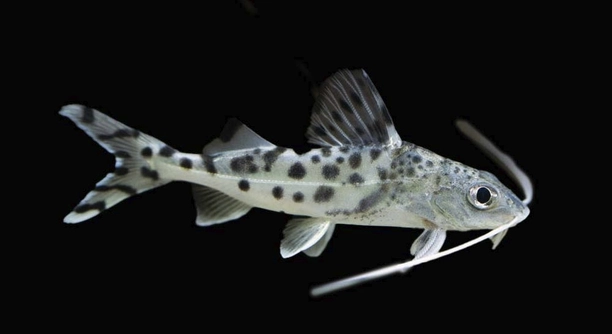
Many aquarists enjoy keeping pictus cats because of their active and peaceful nature. Setting up the right environment in a pictus tank is important for their well-being. Tank accessories, like dividers, are often considered to manage space or separate fish.
Using a divider in a pictus tank is possible but requires careful consideration. Dividers can help prevent aggression or protect smaller fish, but they must be secure and allow enough water flow. Proper placement is essential to avoid stressing the pictus cat.
This article explains when and how to use dividers effectively to create a balanced tank environment for your pictus cat.
Benefits of Using a Divider in a Pictus Tank
Dividers can offer practical benefits in a pictus tank, especially when managing multiple fish species or individuals. They help reduce aggression by physically separating territorial fish, which is important since pictus cats are generally peaceful but may show stress in crowded spaces. Dividers also allow for better control over feeding, ensuring each fish gets proper nutrition without competition. Additionally, they can isolate sick or injured fish to prevent disease spread and promote healing. When used correctly, dividers create a safer, more organized tank environment that supports healthy fish behavior and reduces stress levels. It is important to choose dividers that fit securely and do not restrict water flow, as proper circulation is essential for maintaining water quality and oxygen levels.
However, not all dividers are suitable. Avoid solid dividers that block water flow entirely or cause strong currents in small tank areas, which could disturb the fish.
When selecting a divider, consider its material and design. Mesh or perforated dividers are ideal because they allow water and small particles to move freely, maintaining a balanced ecosystem. Transparent dividers can reduce visual stress by allowing fish to see each other without direct contact. Placement is also crucial—position the divider to avoid trapping fish in tight spaces or limiting their swimming area. Regularly inspect the divider to ensure it remains secure and clean, as buildup can affect water quality. Balancing the tank’s environment with a divider supports your pictus cat’s comfort and health over time.
Potential Drawbacks to Consider
Dividers may cause limited space for swimming, which can stress active fish like pictus cats.
Dividers reduce swimming area, which can lead to boredom or aggression if the tank is too small. Fish may feel confined, affecting their natural behavior and overall well-being. Regular tank maintenance and monitoring fish behavior are important when using dividers. Adjusting the tank setup or removing the divider may be necessary if signs of distress appear. Understanding these factors helps ensure your pictus cat stays healthy and comfortable in its divided habitat.
Choosing the Right Divider Material
Dividers come in various materials, each with pros and cons. Common options include plastic mesh, acrylic, and glass. Choosing the right one depends on your tank setup and fish needs.
Plastic mesh dividers allow good water flow and are lightweight. They are easy to install and clean but may degrade over time. Acrylic dividers provide a solid barrier while still letting light through, but they can reduce water circulation. Glass dividers are sturdy and clear but might block flow completely, which is risky for water quality. Consider your tank’s size and filtration system when picking a divider. Also, ensure the edges are smooth to avoid injuring your pictus cat.
Maintenance is key regardless of material. Regular cleaning prevents algae buildup and helps maintain clear separation. Check the divider often to confirm it is secure and free from cracks or damage. Proper upkeep ensures the divider remains safe and effective for your tank’s ecosystem.
Installing Dividers Properly
Proper installation is essential to keep the divider stable and your fish safe. Measure your tank accurately and select a divider that fits snugly without gaps.
Secure the divider tightly against the tank walls to prevent fish from squeezing through. Use silicone sealant or tank-safe clips for added stability if needed. Avoid forcing the divider into place as it might crack or break. Position the divider so that water flow is not blocked, allowing good circulation between sections. This supports oxygen levels and prevents waste buildup. Once installed, monitor fish behavior for signs of stress or discomfort and adjust the divider if necessary. Correct installation promotes a healthy and peaceful environment for your pictus cat and other tank inhabitants.
Common Mistakes to Avoid
Choosing a divider that blocks water flow can harm fish health. Make sure the divider allows proper circulation to maintain oxygen and cleanliness.
Also, avoid sharp edges on dividers, which can injure pictus cats. Always check materials and smooth surfaces before installation.
Monitoring Fish Behavior with Dividers
Watching your pictus cat closely after installing a divider is important. Changes in swimming patterns or increased hiding may signal stress. If fish seem agitated, consider adjusting the divider placement or removing it. Proper observation helps maintain a peaceful tank and keeps your fish healthy.
Cleaning and Maintenance Tips
Regularly clean dividers to prevent algae and debris buildup. Use gentle tools to avoid damage. Cleaning supports water quality and a healthy environment for your pictus cat.
Adjusting Dividers Over Time
Fish needs can change, so be ready to adjust or remove dividers as necessary. This flexibility supports long-term tank harmony.
FAQ
Can I use any type of divider in a pictus tank?
Not all dividers are suitable for pictus tanks. It’s best to use dividers that allow water flow, such as plastic mesh or perforated acrylic. Solid dividers that block circulation can harm water quality and stress your fish. Make sure the divider fits the tank well and has smooth edges to avoid injury.
How do I know if my pictus cat is stressed by the divider?
Signs of stress include hiding more than usual, erratic swimming, or loss of appetite. If your pictus cat shows these behaviors after adding a divider, try repositioning it or increasing the tank space. Sometimes, removing the divider altogether helps improve their comfort.
Will a divider affect water flow in my tank?
Yes, some dividers can block water flow if not chosen carefully. Proper water circulation is essential for oxygen levels and waste removal. Use dividers designed to let water pass freely, such as mesh types. Check your filter placement to ensure it supports circulation in all tank sections.
How often should I clean the divider?
Cleaning frequency depends on tank conditions but aim to clean the divider every two weeks. Use a soft brush or sponge to remove algae and debris gently. Avoid harsh chemicals to protect your fish and maintain a healthy environment.
Can a divider prevent fish from fighting?
Dividers can reduce aggression by keeping territorial fish separated. This is helpful if you have species that don’t get along or if your pictus cat feels threatened. However, dividers won’t solve all behavior problems, so monitor your fish and adjust as needed.
Is it safe to isolate sick fish using a divider?
Yes, a divider can isolate sick or injured fish to prevent disease spread. Make sure the isolated section still has good water flow and is easy to access for feeding and treatment. Monitor the fish closely and remove the divider once recovery is complete.
What material is best for a pictus tank divider?
Plastic mesh is often the best option because it balances durability and water flow. Acrylic dividers can work but might limit circulation if solid. Glass dividers are not recommended unless they have perforations or holes. Always choose materials safe for aquarium use.
Will dividers affect the tank’s filtration system?
Dividers can affect filtration by changing how water moves in the tank. If the divider blocks flow, filters may not clean the whole tank properly. Place the filter to optimize circulation on both sides of the divider, or use multiple filters if needed.
Can I use a divider in a small tank with pictus cats?
Using dividers in small tanks is possible but not always recommended. Pictus cats are active swimmers and need space. If the tank is too small, dividing it can cause stress and reduce swimming area. Consider tank size carefully before adding dividers.
How do I install a divider securely?
Measure your tank carefully and pick a divider that fits snugly. Use tank-safe silicone or clips to hold it in place if necessary. Avoid forcing the divider, which can cause cracks. Make sure there are no gaps where fish can escape or get stuck.
Can I see through the divider?
Transparent dividers like acrylic can help reduce stress by allowing fish to see each other without direct contact. Opaque dividers block sight lines, which can increase stress for some species. Choose based on your fish’s behavior and tank setup.
What if my pictus cat tries to jump over the divider?
Pictus cats can jump, so make sure the divider extends above the water surface or use a tank lid. Preventing jumping keeps fish safe and avoids tank escapes.
Are there alternatives to dividers for managing fish behavior?
Yes, providing plenty of hiding places, rearranging tank decorations, and adjusting stocking levels can help reduce aggression. Sometimes, adding plants or rocks is enough to keep fish calm without dividers.
Can dividers help during breeding?
Dividers are useful during breeding to separate males and females or protect eggs and fry. They prevent aggressive behaviors and allow better control of breeding conditions.
How do I maintain good water quality with a divider?
Ensure the divider does not block water flow, maintain regular cleaning, and keep filtration adequate. Test water parameters regularly on both sides to catch any imbalances early. Proper care keeps your pictus cat healthy.
Is it possible to damage my fish with a divider?
Improper dividers with sharp edges or poor placement can injure fish. Always check for smooth surfaces and avoid materials that can break or splinter. Regular inspections help prevent accidents.
This FAQ covers common concerns and practical advice for using dividers in pictus tanks. Each tank and fish can be different, so observe carefully and adjust as needed to maintain a healthy and peaceful environment.
Using a divider in a pictus tank can be a helpful way to manage space and reduce aggression among fish. It allows for separation of species or individuals that may not get along well. However, it is important to choose the right type of divider and install it properly to avoid causing stress or harm to the fish. Dividers that allow good water flow, such as plastic mesh or perforated materials, work best because they maintain water quality and oxygen levels. A secure fit without gaps is also necessary to keep fish safe and prevent escapes.
While dividers offer several benefits, they do come with some drawbacks. For example, dividing the tank reduces the swimming area, which might limit the active movement of pictus cats. These fish enjoy swimming freely, so too small a space could lead to boredom or stress. It is important to watch your fish closely after adding a divider and look for any signs of discomfort, such as hiding, reduced appetite, or unusual behavior. Adjusting or removing the divider may be necessary if your fish do not seem happy with the change. Regular maintenance, such as cleaning the divider and checking for damage, also helps keep the tank environment healthy.
Overall, using a divider requires careful planning and ongoing care. It is not always the best solution for every pictus tank but can be very effective in certain situations. Paying attention to your fish’s behavior and tank conditions will guide you in making the best decisions. With the right setup and monitoring, a divider can support a peaceful and balanced environment, helping your pictus cat thrive in its home.

Hello,
If you enjoy the content that we create, please consider saying a "Thank You!" by leaving a tip.
Every little bit helps us continue crafting quality advice that supports the health, happiness, and well-being of pets around the world, for pets of all shapes, sizes, and species.
We really appreciate the kindness and support that you show us!