
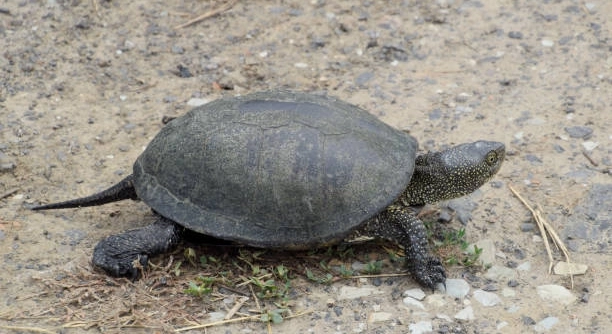
Musk turtles are fascinating creatures with specific needs that can be tricky to understand. One key aspect of their behavior is their preference for low-light areas. This article explains why they gravitate toward these spaces and provides tips on adjusting their environment.
Musk turtles are naturally inclined to seek low-light areas due to their tendency to avoid exposure to bright environments, which can cause stress. This preference helps them feel safer and more secure, allowing them to engage in normal behaviors without fear.
Understanding their behavior is key to creating a suitable environment for musk turtles. Adjustments can make a significant difference in how they thrive in your care.
Why Low-Light Areas Matter to Musk Turtles
Musk turtles are naturally shy creatures that seek comfort in environments where they feel safe and protected. Low-light areas offer a sense of security for them, allowing them to hide from potential threats. Bright and well-lit spaces may cause them stress, making them feel exposed. This can lead to a lack of activity, as the turtles prefer to stay in their shells when they feel vulnerable. In the wild, they often live in murky waters or areas with dense vegetation, which provide a sense of privacy. Replicating these conditions at home can greatly improve their well-being.
Low-light environments help reduce stress in musk turtles. By mimicking these conditions, they feel more at ease and active. It encourages natural behaviors such as exploring, swimming, and foraging.
One way to create a low-light environment is by using plants or driftwood in your turtle’s tank. This allows the turtle to hide and feel safe without the need for constant bright lighting. Additionally, you can reduce the tank’s light exposure by using dim lighting and limiting the duration of light exposure each day. The idea is to create a comfortable habitat that mirrors their natural environment. Musk turtles will appreciate areas where they can retreat to for peace and solitude.
How to Adjust Your Tank for Low Light
To adjust your turtle’s tank, ensure that there are shaded or dim-lit spots. Make sure the space is not completely dark, as they still need a certain level of visibility for movement and feeding. This balance is key.
Adding plants like java moss or floating vegetation not only provides shade but also mimics the murky waters they are used to. You can also opt for lighting that mimics natural daylight without being harsh, such as a low-wattage bulb with a warm tone. It’s important to observe your turtle’s behavior after these adjustments, ensuring they feel relaxed. Too much light can still cause discomfort, so be mindful of how your turtle reacts. Over time, a well-adjusted environment will lead to a healthier, happier musk turtle.
Benefits of Low-Light Environments
Low-light environments help musk turtles feel secure, reducing stress levels. When they feel safer, they’re more likely to engage in natural behaviors. These settings also promote better overall health by allowing turtles to rest and move freely without constant light exposure.
The primary benefit of providing low-light areas is the reduction of stress. Stress in turtles can lead to a range of health issues, including a weakened immune system and reduced appetite. Additionally, bright lights may disrupt their natural circadian rhythm, causing sleeping problems. In contrast, low light encourages a more natural day-night cycle, helping them maintain a balanced routine.
Providing dim lighting in their tank allows musk turtles to rest more effectively. If you’ve noticed your turtle hiding more frequently or becoming less active during the day, adjusting the lighting can often make a significant difference. By recreating an environment closer to their natural habitat, turtles will feel more comfortable, leading to improved overall behavior.
Low-Light and Feeding Habits
Musk turtles are less likely to feel threatened or anxious in low-light environments. This helps them focus more on feeding, as they aren’t distracted by bright surroundings. In dimly lit tanks, they can calmly forage without being startled.
Feeding habits in musk turtles can improve when their environment feels safer. Bright lights may cause them to become easily startled or hesitant to approach food. By using low light, you create a more relaxed atmosphere where the turtle feels less pressure to hide. This can lead to more consistent feeding behavior. When they feel comfortable, they’re more likely to eat on schedule, which directly impacts their health.
With proper lighting adjustments, you’ll notice a more regular feeding pattern. Providing dim or shaded areas allows your musk turtle to feel secure and take their time eating. This adjustment might seem small, but it has a positive effect on their digestion and overall well-being.
Proper Tank Placement
The placement of the tank plays a crucial role in creating a low-light environment. Keeping the tank away from direct sunlight will help maintain a dimmer space. Overhead lighting should be adjusted to prevent bright spots from overwhelming the turtle.
Placing the tank away from windows or other bright light sources is key. Direct sunlight can cause extreme light fluctuations, making the environment uncomfortable. Consider placing your turtle’s tank in a location with indirect light to maintain a consistent, softer glow. A darker corner or room is ideal for this purpose.
Use of Shade Options
Adding shade options like plants or decorations can create a low-light space in your turtle’s tank. Floating plants or thick foliage are excellent ways to block light without making the area too dark.
Shade options help mimic natural environments and promote a comfortable resting space. Incorporating plants, logs, or rocks gives your turtle more hiding spots and allows them to feel secure in their habitat. A variety of plants, such as java fern or anacharis, can also help maintain the water’s cleanliness while adding to the shaded areas. These elements will provide essential places for your turtle to retreat.
Reducing Light Exposure
To maintain a balanced light cycle for your turtle, it’s important to limit the amount of exposure. Aim for about 10-12 hours of light each day, simulating natural day-night cycles. Keeping the light on a timer helps ensure consistency.
Maintaining the right amount of light can reduce stress and help with your turtle’s behavior and overall health. Keeping the lighting on a timer allows you to control their exposure to light, ensuring it isn’t too long or too intense. When the light is off, your turtle will have a chance to rest and engage in nocturnal activities, which is essential for their well-being.
FAQ
Why do musk turtles prefer low-light areas?
Musk turtles feel more secure in low-light environments because bright lights can make them feel exposed and stressed. In the wild, they often hide in murky waters or areas with dense vegetation, which reduces their visibility to predators. Mimicking these natural conditions in captivity helps create a sense of safety, allowing the turtle to behave naturally, such as foraging, swimming, and resting.
How much light is too much for a musk turtle?
Musk turtles should be exposed to 10-12 hours of light per day, similar to a natural day-night cycle. Too much light can cause stress and disrupt their circadian rhythm. Long periods of bright light, especially without a resting period, can lead to behavioral issues and health problems. Using a timer for the lighting can help control exposure and maintain a consistent routine.
Can I use artificial light for my turtle’s tank?
Yes, artificial light can be used, but it should be soft and not overly bright. It’s best to use a low-wattage bulb or LED light that mimics natural daylight. A UVB light is also essential for providing your turtle with the necessary UVB exposure to keep their shell healthy and support their vitamin D3 production. However, this should be used in moderation to avoid stressing the turtle with too much light.
What kind of plants are best for creating shade in the tank?
Floating plants like duckweed, water lettuce, or water hyacinth are great options for creating shade in your turtle’s tank. These plants naturally block out excess light while helping maintain water quality. Submerged plants like java moss or anacharis can also create shaded areas along the tank’s floor. These plants provide both a hiding spot and a natural, low-light environment.
How can I tell if my turtle is stressed due to light exposure?
Signs of stress in musk turtles include hiding more often than usual, decreased activity, loss of appetite, or an increase in defensive behavior (such as withdrawing into their shell). If your turtle seems to avoid certain areas of the tank or appears lethargic during the day, it may be a sign that the lighting is too bright. Adjusting the light levels and providing more shaded areas can help reduce stress.
Can low light help improve my turtle’s appetite?
Yes, low light can help improve your turtle’s appetite by reducing the stress that bright lighting can cause. When they feel safer in their environment, they are more likely to engage in natural behaviors, such as eating. A more comfortable and calm turtle will likely eat on a regular schedule, which is essential for their health.
Should I use a UVB light for my turtle if I’m keeping it in a low-light tank?
Yes, a UVB light is essential for your turtle’s health, even if you’re using low-light conditions. UVB light helps musk turtles produce vitamin D3, which is crucial for calcium absorption and shell development. You can still maintain a low-light environment while ensuring that the UVB light is used for a few hours during the day, as recommended by turtle care guidelines.
Can I leave my turtle’s tank in a completely dark room?
It’s not advisable to leave your turtle’s tank in a completely dark room. While they prefer low-light areas, they still need some light exposure during the day for a healthy day-night cycle. Total darkness can disrupt their natural behavior and sleep patterns. A dim, well-lit room with shaded spots is the best approach.
How often should I adjust the lighting in the tank?
Adjusting the lighting in your turtle’s tank may not be necessary every day, but you should evaluate the tank setup periodically. If you notice signs of stress or inactivity, it might be time to adjust the light. Keep the lighting on a timer and adjust based on the behavior of your turtle. It’s a good practice to make small changes rather than drastic adjustments to avoid shocking your turtle.
Are there any other ways to reduce light exposure in the tank?
Yes, aside from adjusting the tank’s light setup, you can reduce exposure by using tank covers or shields to block light from reaching certain areas. You can also place objects like rocks or decorations strategically to create darker spaces where your turtle can retreat when needed. These changes can help ensure your turtle has a comfortable and safe space to rest away from bright light.
How long does it take for a turtle to adjust to a new lighting setup?
It can take a few days to a week for your turtle to fully adjust to a new lighting setup. Initially, they may appear more cautious or spend more time hiding as they get used to the changes. However, if the lighting is set up properly and they feel secure, you should see them start to exhibit normal behaviors like swimming and eating within a short period.
Can low-light conditions improve my turtle’s behavior?
Yes, low-light conditions can improve your turtle’s behavior by reducing stress. When your turtle feels safe and secure, it’s more likely to exhibit natural behaviors, such as exploring and foraging. A comfortable environment encourages your turtle to be more active and engaged, which ultimately leads to better health and well-being.
What are the best tank decorations to create a low-light environment?
To create a low-light environment, consider using tank decorations like logs, rocks, and plants that can block light and offer hiding spots. Large rocks or driftwood can help create shaded areas, while tall plants can provide additional cover. Avoid overly bright, reflective decorations that could increase light exposure. The goal is to create a natural, shaded area that your turtle can enjoy.
Final Thoughts
Creating a low-light environment for your musk turtle is essential for their well-being. Musk turtles, like many other species, feel more secure in dimly lit areas. Bright lights can stress them out, making them less active and more likely to hide. When they have a chance to rest and move around in a low-light environment, they feel safer and are more likely to eat, swim, and engage in other normal behaviors. This simple adjustment can lead to a healthier, happier turtle.
Providing a comfortable environment doesn’t require complex changes. By using plants, driftwood, or shaded decorations, you can create areas where your turtle feels protected from harsh light. You don’t need to eliminate all light but aim for a balance that mimics their natural habitat. A UVB light is important, but this can be controlled to avoid overwhelming your turtle with too much brightness. Keeping a timer for the lights can help manage their exposure, allowing you to create a consistent day-night cycle that suits their natural rhythm.
Remember that observing your turtle is key to understanding their needs. Every turtle is different, and what works for one might not be ideal for another. If you notice any changes in behavior, such as hiding more often or reduced activity, it’s a sign that you may need to adjust the lighting or add more shaded areas. Creating the right atmosphere in your turtle’s tank is a process of trial and error, but with time, you’ll learn what makes your musk turtle feel most comfortable.

Hello,
If you enjoy the content that we create, please consider saying a "Thank You!" by leaving a tip.
Every little bit helps us continue crafting quality advice that supports the health, happiness, and well-being of pets around the world, for pets of all shapes, sizes, and species.
We really appreciate the kindness and support that you show us!