
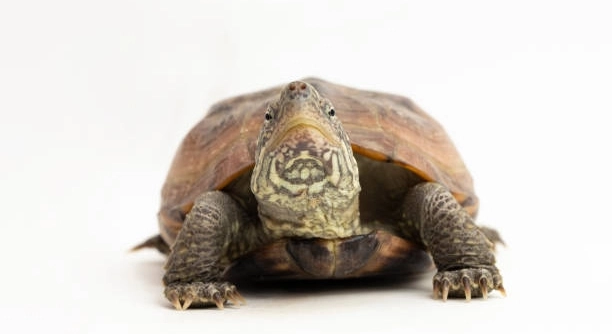
Musk turtles are known for their distinctive shells, but sometimes, they can develop shell rot. Understanding the causes and how to prevent it is essential to ensuring their health and well-being in a home aquarium.
Shell rot in musk turtles typically occurs due to poor water quality, inadequate basking areas, or bacterial infections. These factors weaken the shell’s protective layer, allowing harmful bacteria to cause damage. Proper care can significantly reduce the risk.
There are simple steps you can take to prevent shell rot and keep your musk turtle healthy. Let’s explore these preventive measures and how they help maintain a safe and clean environment.
Common Causes of Shell Rot in Musk Turtles
Shell rot in musk turtles is often linked to poor living conditions. One common cause is dirty or improperly filtered water. When water isn’t regularly changed, bacteria and harmful organisms thrive, increasing the risk of infection. Another issue is inadequate basking areas, as turtles need proper heat and UV light to stay healthy. Without this, their immune systems weaken, leaving them more vulnerable to infections. Poor diet or overcrowded living spaces also contribute to the problem. In some cases, physical injuries to the shell may allow bacteria to enter, triggering rot.
Cleaning your turtle’s habitat regularly is key. Change the water often and ensure it’s properly filtered. Create a space where your turtle can bask and receive UV light for several hours each day. A varied diet with proper nutrients can also strengthen your turtle’s defenses.
A quick check on your turtle’s shell can help spot early signs of rot, such as soft spots, discoloration, or foul odors. The earlier you spot any issues, the easier it is to treat them before they get worse.
Preventative Measures to Avoid Shell Rot
To prevent shell rot, ensure your turtle’s environment is clean and well-maintained. Regular water changes, adequate basking spots, and a proper diet are essential.
A clean tank with a good filtration system is crucial for preventing shell rot. Ensure the water is clear and free of debris, and monitor the temperature. Add UV lights and make sure your turtle has a space to bask properly.
Importance of Proper Diet for Musk Turtles
A healthy diet is vital for your musk turtle’s overall well-being. Providing a balanced diet ensures your turtle’s shell remains strong and resistant to infections. They need a mix of protein, vitamins, and minerals. Fresh vegetables, insects, and occasional fish are all necessary for a well-rounded diet.
Without the proper nutrients, your turtle’s immune system can weaken, making it more susceptible to infections like shell rot. Over time, a poor diet may lead to other health problems as well, such as slow growth or even deformities. Be sure to offer a variety of food items to meet their nutritional needs.
Providing a proper diet isn’t just about preventing shell rot—it’s essential for your turtle’s overall health. Keep an eye on what your turtle eats and ensure that their meals are varied and nutritious. Healthy food will keep your turtle’s shell strong, reducing the chances of bacterial growth.
Tank Environment and Temperature Regulation
Musk turtles require a stable environment to thrive. The water temperature must be just right—around 75 to 80 degrees Fahrenheit for optimal health. If it’s too cold, they may not be able to digest food properly or fight off infections. Warm water promotes a stronger immune system.
Proper temperature regulation is necessary to prevent shell rot. You should also have a basking area with a temperature of 85 to 90 degrees Fahrenheit. This allows your turtle to dry out and avoid bacteria that thrive in wet conditions. Don’t forget UV lighting to help with calcium absorption and overall health.
A well-maintained tank environment ensures your turtle doesn’t get stressed, which can lower its immunity. Keep the water temperature steady and provide a basking area where your turtle can warm up. With the right environment, your turtle will be much healthier and less likely to develop shell rot.
Water Quality and Filtration
Good water quality is essential to prevent shell rot. Regular water changes and a strong filtration system are necessary. Dirty water can harbor harmful bacteria, leading to infections. Testing the water frequently helps maintain a healthy environment for your turtle.
A proper filtration system helps keep the water clean and removes debris. Regularly cleaning the tank and checking water parameters will keep your turtle safe. Water that is too dirty or untreated can increase the risk of bacterial infections, making your turtle more vulnerable to shell rot.
Avoiding Overcrowding in the Tank
Overcrowding can stress your musk turtle, affecting its health. When too many turtles are placed in the same tank, they compete for space and resources. This stress weakens their immune system, increasing the chance of infections.
A tank with plenty of space allows your turtle to thrive and reduces the risk of injury. Overcrowded conditions can lead to fights, and stressed turtles are more likely to develop shell rot. Providing enough room for each turtle ensures they stay healthy and happy.
Shell Inspection and Maintenance
Regularly inspect your turtle’s shell to spot early signs of rot. Check for soft spots, discoloration, or foul smells. The earlier you notice changes, the quicker you can take action to treat them.
Cleaning your turtle’s shell gently can prevent infections. Be careful not to scrub too hard, as this can damage the shell. A mild antiseptic solution can be used to clean minor injuries or rot. Regular shell maintenance can help keep your turtle in good health.
FAQ
What are the early signs of shell rot in musk turtles?
Early signs of shell rot include discoloration, soft spots, and a foul odor coming from the shell. You may notice the shell becoming more vulnerable, with small patches of damage or areas where the shell is breaking down. These signs can be subtle, so frequent inspection is crucial.
How can I prevent shell rot in my musk turtle?
To prevent shell rot, maintain a clean and healthy tank environment. Regular water changes, proper filtration, and correct water temperatures help keep bacteria under control. Provide a basking area with UV lighting and ensure your turtle is fed a nutritious diet. These steps support your turtle’s immune system and help prevent infections.
Can I treat shell rot at home?
Yes, mild cases of shell rot can often be treated at home. First, clean the affected area with a mild antiseptic solution and dry the shell. Avoid scrubbing the shell aggressively, as this can cause more harm. For more severe cases, consult a veterinarian for proper treatment.
How often should I clean my musk turtle’s tank?
Cleaning your turtle’s tank should be done at least once a week. However, if the water gets dirty quickly, you may need to clean it more often. Regular water changes are necessary to maintain good water quality, which helps prevent bacteria buildup that can lead to shell rot.
Is UV light essential for my turtle’s health?
Yes, UV light is important for your turtle’s overall health. It helps your turtle absorb calcium and prevents shell deformities. Without proper UV lighting, your turtle’s shell and bones may become weaker. Make sure your turtle has access to a basking area with adequate UV lighting for several hours each day.
What temperature should the water be in my turtle’s tank?
The water temperature should be maintained between 75 to 80 degrees Fahrenheit for musk turtles. This temperature range supports healthy digestion and immune function. Water that is too cold can slow down their metabolism, making them more susceptible to illness and infections like shell rot.
How can I tell if my turtle’s shell is injured?
Injuries to a turtle’s shell can be noticed if there are visible cracks, holes, or chips. You may also notice swelling, discoloration, or a soft area on the shell. Injuries can lead to infections, so it’s important to address them immediately. If an injury occurs, ensure proper cleaning and consult a vet if needed.
Can I use any type of filter for my turtle’s tank?
It’s best to use a filter designed specifically for reptiles. Turtle tanks require strong filtration to keep the water clean, as turtles produce a lot of waste. Look for a filter that can handle the size of your tank and the needs of your turtle. Filters that provide both mechanical and biological filtration are most effective.
What should I feed my musk turtle to prevent shell rot?
A balanced diet is key to preventing shell rot. Musk turtles need a mix of protein, such as insects, fish, and worms, along with leafy greens and vegetables. Offering a variety of foods ensures that your turtle gets all the necessary nutrients to stay healthy. A poor diet can weaken their immune system, making them more prone to infections.
How do I create a proper basking area for my turtle?
A proper basking area should be dry and warm. You can use a basking platform or rock where your turtle can rest and bask in the heat. The temperature of the basking area should range from 85 to 90 degrees Fahrenheit. UV light should be placed above the basking area to help your turtle absorb calcium and maintain healthy bones and shell.
How long should my turtle be basking each day?
Musk turtles should bask for about 4 to 6 hours each day. This helps them regulate their body temperature and allows them to absorb essential UV light. It’s important to provide a proper basking spot with appropriate heat and UV exposure for this period. Too little basking can lead to weakened immune systems and other health issues.
What should I do if my turtle refuses to eat?
If your turtle isn’t eating, check the water temperature, filtration, and diet. Stress, poor water quality, and improper temperatures can cause a turtle to lose its appetite. You can also try offering a variety of foods to entice them. If the issue persists, consult a vet to rule out health problems.
Can shell rot affect a turtle’s ability to swim?
In severe cases, shell rot can affect a turtle’s ability to swim. The rot weakens the shell, making it harder for the turtle to maintain buoyancy. This can result in swimming difficulties or changes in behavior. Early treatment can prevent these issues and help your turtle recover.
Is it necessary to quarantine new turtles?
Yes, quarantining new turtles is recommended to avoid introducing diseases or infections to your existing turtles. Keep the new turtle in a separate tank for a few weeks to monitor for any signs of illness. This practice can help keep your other turtles safe from potential infections like shell rot.
Can I use salt baths to treat shell rot?
Salt baths can be used as a mild treatment for shell rot. A salt bath helps to disinfect the affected area and may reduce inflammation. However, it’s important to use the right concentration of salt and not leave the turtle in the bath for too long. Consult a vet for advice if unsure.
Final Thoughts
Shell rot is a serious issue that can affect musk turtles, but with proper care, it is preventable and treatable. Maintaining clean water, providing a suitable basking area, and offering a balanced diet all contribute to your turtle’s overall health. By creating a healthy environment, you reduce the risk of infections and ensure that your turtle has the best chance of staying free from shell rot. Regularly inspecting your turtle’s shell and checking for signs of illness can help catch any issues early, which is key for effective treatment.
Taking action when you first notice the signs of shell rot is essential. Early detection can lead to simpler treatment options and help prevent further damage to your turtle’s shell. Shell rot, if left untreated, can lead to severe infections, which may require more intensive care or even surgery. Keeping an eye on your turtle’s shell and overall health will help you address potential problems before they escalate.
The health of your musk turtle largely depends on the care you provide. With regular maintenance, attention to their environment, and quick intervention when needed, you can prevent most cases of shell rot. Understanding the importance of water quality, UV lighting, and proper feeding will give your turtle the best chance for a long, healthy life. Always remember that prevention is easier than treatment, so maintaining a healthy tank environment will save you a lot of stress in the future.

Hello,
If you enjoy the content that we create, please consider saying a "Thank You!" by leaving a tip.
Every little bit helps us continue crafting quality advice that supports the health, happiness, and well-being of pets around the world, for pets of all shapes, sizes, and species.
We really appreciate the kindness and support that you show us!