
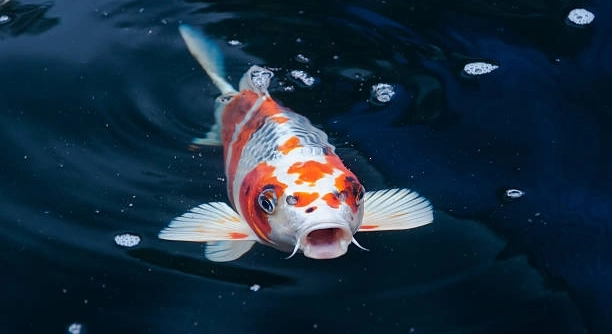
Koi fish are often seen swimming peacefully around floating plants in ponds. Sometimes, these fish gently nudge or move the plants as they swim. This behavior can seem puzzling to pond owners who want to keep their plants undisturbed.
Koi may nudge floating plants to search for food, create space for swimming, or explore their environment. This natural interaction helps koi access insects or algae hiding beneath the plants while maintaining their comfort in the pond.
Understanding why koi interact with floating plants can help pond owners manage their aquatic garden better. This knowledge supports a balanced environment for both plants and fish.
Reasons Koi Nudge Floating Plants
Koi often nudge floating plants because they are searching for food hidden underneath the leaves. These fish eat insects, algae, and small organisms that may cling to the plants. Nudging helps them access these food sources. Another reason is that koi like to create open swimming areas. Floating plants can sometimes block their path or crowd the pond surface, so koi move them aside to swim more freely. Additionally, koi are naturally curious and explore their environment with gentle nudges. This behavior can also help oxygenate the water by slightly disturbing the surface. Pond owners may notice that the plants seem to shift positions or that some leaves look a bit damaged from koi activity. This is a normal part of koi behavior and usually does not harm the plants if the population is balanced. Maintaining a healthy number of plants and fish will reduce excessive nudging.
Floating plants serve important roles, but koi need room to move and feed, so occasional nudging is expected and natural.
Keeping koi and floating plants in balance ensures both can thrive in a healthy pond environment.
How to Protect Floating Plants from Excessive Nudging
One simple way to protect floating plants is to provide plenty of space and alternative food sources for koi. If the pond is overcrowded, koi may be more aggressive with plants. Offering koi supplemental food, like pellets or vegetables, can reduce their need to forage under plants. Another method is to secure floating plants with anchors or weights to prevent them from moving too much. This helps the plants stay in place despite koi nudging. It is also helpful to add a variety of plants, including submerged and marginal species, to give koi options and reduce pressure on floating plants. Regular maintenance, such as trimming plants and removing debris, keeps the pond clean and lowers stress for koi. Balanced pond care results in happier fish and healthier plants that coexist peacefully.
Protecting plants requires understanding koi behavior and managing their environment carefully.
Effects of Koi Nudging on Floating Plants
Koi nudging can sometimes damage floating plants by tearing leaves or disturbing roots. While mild nudging is natural, excessive movement may stress the plants and slow their growth.
Damage happens mainly when koi population is too large for the pond size or when plants are fragile species. Over time, constant nudging can reduce the plant’s ability to photosynthesize properly, which affects their health. Some plants may also be uprooted, drifting away or sinking, leading to less coverage on the water surface. This can impact the pond’s ecosystem by reducing shade and habitat for other aquatic life.
To minimize damage, pond owners should monitor koi numbers and plant health regularly. Providing enough plants and hiding spots can reduce competition and the urge for koi to push plants around. Selecting sturdy floating plant species is also beneficial, as they withstand nudging better.
Choosing Floating Plants for Koi Ponds
Floating plants that are tougher and have stronger roots tend to handle koi nudging better. Examples include water lettuce and water hyacinth, which have sturdy leaves and thick roots.
These plants can tolerate mild disturbances without significant damage, maintaining pond coverage and water quality. Additionally, they grow quickly, which helps them recover faster when nudged or moved by koi. Slow-growing or delicate plants may not survive the same level of interaction, making them less ideal for ponds with active koi.
Using a mix of floating plants can improve the pond’s resilience and provide koi with multiple options for shelter and foraging. This diversity helps reduce the focus on any one plant, lowering the risk of damage. Proper plant selection combined with balanced koi care promotes a healthier, more stable pond environment.
Managing Koi Behavior Around Plants
Koi behavior can be managed by adjusting feeding routines. Feeding koi regularly reduces their need to forage among plants.
Providing hiding spots and enough space in the pond also lowers stress and competition, which decreases plant nudging.
Cleaning Floating Plants in Koi Ponds
Regular cleaning of floating plants helps maintain their health and prevents decay that attracts koi attention. Removing dead leaves and debris supports better growth and water quality.
Monitoring Pond Balance
Maintaining a balanced koi-to-plant ratio is crucial. Too many koi can lead to excessive plant disturbance and poor water conditions. Regularly assess the pond ecosystem to keep it healthy.
Benefits of Floating Plants for Koi
Floating plants offer shade and shelter, creating a comfortable environment for koi. They help reduce algae growth by limiting sunlight.
Why do koi push floating plants around?
Koi push floating plants mainly to find food hiding underneath, such as insects or algae. They also move plants to create more space for swimming and to explore their surroundings. This behavior is natural and part of how koi interact with their environment in the pond.
Can koi damage floating plants by nudging them?
Yes, koi nudging can damage floating plants if it happens excessively. Leaves may tear, and roots can become uprooted. When koi populations are large or plants are fragile, the damage can slow plant growth or cause plants to die. Managing fish numbers and plant types helps reduce this risk.
How can I protect my floating plants from koi nudging?
You can protect plants by anchoring them or choosing sturdy species that withstand movement. Providing alternative food for koi, like pellets or vegetables, also reduces their need to disturb plants. Keeping the pond well-balanced in terms of fish and plants is essential for protection.
Are some floating plants better for koi ponds?
Yes, plants like water lettuce and water hyacinth are tough and recover quickly from nudging. They have strong roots and thick leaves, making them less vulnerable to koi activity. Mixing different types of plants can also spread koi attention and protect individual plants.
Does koi nudging affect water quality?
Koi nudging itself doesn’t directly affect water quality, but uprooted plants can lead to debris and decaying matter in the water. This may increase nutrients that promote algae growth. Maintaining plant health and cleaning the pond regularly helps keep water quality stable.
How often should I clean floating plants in my koi pond?
Cleaning floating plants every few weeks or when you notice dead leaves is a good practice. Removing debris prevents decay that can attract koi or harm plants. Regular cleaning supports plant growth and helps maintain clear, healthy water.
Will feeding koi reduce their nudging of plants?
Feeding koi consistently reduces their need to forage beneath floating plants. When koi are well-fed, they are less likely to disturb plants to find food. Offering a balanced diet with pellets and occasional fresh vegetables keeps koi satisfied.
Is it normal for koi to uproot floating plants completely?
It can happen, especially if koi are very active or the pond is overcrowded. Uprooted plants may float away or sink. Providing plenty of plants and space, as well as anchoring some plants, reduces the chances of uprooting.
What happens if there are too many koi in my pond?
Too many koi increase competition for food and space, leading to more plant disturbance. Overcrowding can stress fish and damage plants, making it harder to maintain a healthy pond. Regularly monitoring fish numbers and pond size helps prevent this problem.
Can floating plants help koi health?
Yes, floating plants provide shade and shelter, which reduce stress for koi. They also help lower water temperature and limit algae growth by blocking sunlight. This creates a more comfortable and balanced environment for koi.
How do I know if my floating plants are healthy despite koi nudging?
Healthy plants will show steady growth, vibrant leaves, and minimal damage. Some nudging marks are normal, but if plants look torn, discolored, or sparse, they may be stressed. Checking root condition and leaf color regularly helps assess health.
Should I remove floating plants if koi keep disturbing them?
Removing all floating plants is not recommended, as they benefit the pond ecosystem. Instead, focus on managing koi behavior, plant types, and pond balance. Using anchors or planting sturdier species can reduce disturbance while keeping plants in place.
Do koi nudge plants more in certain seasons?
Koi activity, including nudging, can increase in warmer months when they feed more actively. In spring and summer, koi are more energetic and curious, leading to more interaction with plants. Cooler months often bring less activity and nudging.
Can floating plants improve oxygen levels for koi?
Floating plants mainly provide shade and reduce algae but do not significantly increase oxygen levels. Submerged plants contribute more to oxygen production. However, floating plants help maintain a balanced pond by controlling algae growth and improving water quality.
What is the best way to balance koi and floating plants?
Balance is achieved by maintaining appropriate koi numbers, providing ample plants, and selecting hardy species. Regular feeding, pond cleaning, and monitoring water conditions also support harmony. This balance ensures healthy koi and thriving floating plants coexist peacefully.
Final thoughts on the relationship between koi and floating plants highlight the delicate balance needed in a pond ecosystem. Koi naturally interact with their environment, and nudging floating plants is a part of this behavior. While it may sometimes cause minor damage, it is generally a sign of healthy, active fish exploring and foraging. Understanding this interaction helps pond owners manage their setups better to ensure both koi and plants thrive together. Finding the right balance between fish activity and plant resilience is key to maintaining a visually pleasing and functional pond.
Careful selection of floating plants can greatly improve their survival in koi ponds. Choosing sturdy, fast-growing species like water lettuce or water hyacinth helps plants withstand the natural nudging from koi. Providing enough plants also spreads out koi activity, preventing any one plant from being overwhelmed. In addition to plant choice, managing koi numbers and feeding routines influences how much plants get disturbed. Well-fed koi tend to nudge plants less, reducing damage. Regular maintenance, such as cleaning dead leaves and monitoring plant health, supports a sustainable pond environment.
Overall, a successful koi pond with floating plants depends on consistent care and observation. Pond owners should regularly check how koi interact with their plants and adjust accordingly. Anchoring some plants or increasing plant quantity can help prevent uprooting and tearing. Maintaining good water quality and ensuring koi have enough space reduces stress on both plants and fish. By combining these approaches, koi and floating plants can coexist in harmony, creating a balanced, healthy pond that benefits all aquatic life within it.

Hello,
If you enjoy the content that we create, please consider saying a "Thank You!" by leaving a tip.
Every little bit helps us continue crafting quality advice that supports the health, happiness, and well-being of pets around the world, for pets of all shapes, sizes, and species.
We really appreciate the kindness and support that you show us!