
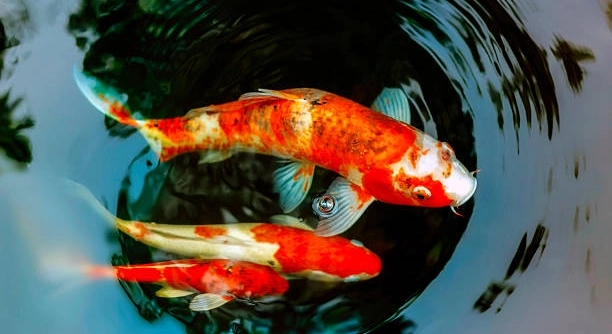
Do your koi fish keep nibbling at the pond liner, leaving you frustrated and worried about damage to their home? This behavior may seem odd, but there are a few reasons behind it.
Koi fish nibble at pond liners mainly due to boredom, curiosity, or searching for food particles. Inadequate feeding, limited enrichment, or the liner’s texture can encourage this behavior, potentially leading to long-term damage or health concerns.
Learning what triggers this habit can help you take the right steps to protect your pond and keep your koi engaged and healthy.
Why Koi Are Attracted to the Pond Liner
Koi fish are naturally curious and constantly explore their surroundings. When they nip or nibble at the pond liner, they are often reacting to leftover food, algae buildup, or small particles stuck to the surface. In some cases, they’re trying to remove anything edible they can find, especially if their diet is lacking variety or they aren’t being fed enough. The texture of the liner may also resemble natural surfaces found in wild habitats, encouraging this type of behavior. It’s not always a sign of a serious problem, but it does mean the environment might need adjusting. You’ll want to make sure they’re getting the right kind of food and in the right amounts, while also checking that their pond is clean and enriched. Small changes in their feeding schedule or cleaning routine can make a big difference in discouraging this type of activity over time.
Nibbling can also result from boredom, especially in less-stimulating ponds. Koi need things to do.
Watching for these patterns helps you understand what your koi need. They’re not trying to destroy anything; they’re responding to what they experience every day. Keeping their space active and their diet complete is important.
How to Keep Them Occupied and Safe
Adding natural rocks, plants, and hiding spots can reduce unwanted nibbling and give your koi new areas to explore.
If you notice repeated nibbling on the pond liner, consider evaluating their feeding routine first. Make sure they’re not just eating enough, but that they’re getting diverse food options like pellets, leafy greens, or even soft fruits. Overfeeding, on the other hand, can lower water quality, which creates algae growth that builds up on the liner and draws their attention. You can also enrich their environment by adding floating toys or small clusters of aquatic plants. Koi are smart and respond well to small changes, especially those that keep their attention away from surfaces like the liner. If the liner is exposed or loose in areas, that may make it more tempting for them to investigate. Securing those edges with stones or hiding them under natural features can help reduce interest. A well-balanced pond setup will not only keep your koi healthier but also make maintaining your pond easier in the long run.
When Nibbling Becomes a Problem
Frequent nibbling can eventually wear down the pond liner, especially in exposed areas. Over time, this can lead to small tears or holes, which may cause water loss and create maintenance issues that are costly to fix.
If your koi focus on one spot repeatedly, check that area for damage or buildup. Even slight exposure of the liner can make it more inviting. Look for loose edges, algae patches, or trapped food bits. Cleaning these areas regularly and adjusting any sharp or tempting edges can help reduce interest. Also, check your koi’s behavior during feeding times. If they’re aggressively searching for food after meals, they may not be getting enough or might need more frequent, smaller feedings. A pond vacuum can help keep debris away from the liner’s surface, and regular water changes prevent buildup that might attract attention. Preventing damage is easier than repairing it after it’s already started.
Pay attention to the materials surrounding your liner. Smooth rocks or properly fitted edging can act as barriers, making it harder for koi to reach or notice the liner. Choose natural features that blend in but still protect key areas. Keeping things secure discourages repeat behavior and keeps the pond stable longer.
Environmental Factors to Consider
Water quality plays a big role in how koi behave. Poor water conditions can stress them, leading to repetitive actions like nibbling. Check for proper filtration, monitor ammonia levels, and make sure the pH stays within a healthy range.
Temperature fluctuations can also lead to changes in how your koi interact with their environment. During warmer months, koi are more active and likely to notice and engage with surfaces like the liner. Higher temperatures can also boost algae growth, which sticks to the liner and catches their attention. Try shading part of the pond with floating plants to help with temperature regulation. Aeration also becomes more important during heat, as oxygen levels drop. In cooler months, koi are less active, but if they’re still nibbling, it could be due to leftover food or poor circulation in the water. Seasonal adjustments to your setup and routine will help manage nibbling behavior and support your koi’s health year-round.
Signs Your Pond Setup Needs Adjusting
If your koi frequently nibble in the same areas, it could mean the pond layout lacks stimulation. Minimal plants, flat surfaces, or bare spaces give them fewer things to interact with, leading to repetitive behavior like nibbling the liner.
A pond that lacks hiding spots or shaded areas can also make koi feel exposed. This stress can lead to more nibbling and nervous behavior. Adding natural features and creating varied spaces helps reduce this issue and encourages healthier movement patterns.
What to Use Instead of a Pond Liner
If your koi keep damaging the liner, switching materials may help. Rubber liners are more flexible and durable than cheaper plastic options, which tear more easily. Some pond owners replace liners with concrete bases, though this requires more maintenance. Choosing the right base depends on your budget, climate, and pond size. Another option is to use protective underlayment beneath the liner, which reduces friction and adds cushioning. Securing loose edges with smooth rocks or edging material helps too. Always make sure the materials are fish-safe and non-toxic, especially when sealing joints or anchoring down features near the water.
When to Ask for Help
If nibbling leads to frequent liner damage or health issues in your koi, it’s best to consult a pond specialist. They can help evaluate your setup.
FAQ
Why do koi fish nibble at the pond liner even when they’re well-fed?
Koi use their mouths to explore their environment, even when they’re not hungry. If the liner has algae, food particles, or sediment, it can become an easy target. Nibbling may also happen out of habit or boredom, especially in ponds with little variation in structure or features. Feeding them regularly helps, but enrichment matters too. Adding plants, varied substrates, and feeding rings can redirect their attention. Even well-fed koi may still pick at surfaces they find interesting or textured.
Can nibbling cause serious damage to my pond liner?
Yes, over time it can. Light nibbling might not cause immediate damage, but repeated attention to the same spot can wear down the material. If the liner is exposed or not well-secured, it becomes more vulnerable. Sharp rocks nearby can also lead to tears when koi are actively poking around. Once small holes form, water can slowly leak, and the issue may go unnoticed until it’s more serious. Choosing a thick, high-quality liner and securing it properly can prevent most of these problems. Regular checks help you spot trouble early.
What type of liner is best for koi ponds?
EPDM rubber liners are widely recommended. They’re durable, flexible, and fish-safe. Unlike cheaper plastic liners, they don’t become brittle with age and resist punctures better. Some people also use PVC liners, but these tend to wear out faster, especially in sunny areas. For larger ponds, a reinforced liner or adding an underlayment underneath adds extra protection. Always avoid liners that contain toxins or chemicals, as koi are sensitive to changes in their environment. Longevity and safety should be the main factors when choosing a liner.
Do koi only nibble at the liner, or will they nibble on other things too?
Koi are curious and use their mouths to investigate anything in their environment. That includes plants, rocks, algae, other fish, and sometimes even pond equipment. They often pull at soft aquatic plants or nibble on floating leaves. If there’s leftover food, they may stir up the bottom looking for more. Some koi will nibble at air stones, tubing, or anything sticking out near the water. This behavior is normal, but too much of it can signal stress or a need for more stimulation.
Can poor water quality lead to more nibbling?
Yes, it can. Poor water quality can cause stress and irritation, making koi act out of discomfort. Elevated ammonia, nitrate, or pH levels can affect their skin and gills. When koi feel unwell, they often display repetitive or unusual behavior, including constant surface nibbling or rubbing. Keeping the pond clean and checking your water parameters regularly makes a big difference. Make sure your filtration is strong enough for the pond size and fish load, and avoid overfeeding, which leads to waste buildup.
Should I remove my koi if they’re damaging the liner?
In most cases, no. It’s better to adjust the environment rather than remove the fish. Removing koi adds stress and often doesn’t stop the behavior unless the root issue is addressed. Instead, reinforce the vulnerable areas, remove tempting debris or buildup, and make sure the liner is securely covered along edges. Adding more features—like submerged plants, caves, or textured objects—can distract them. Only consider moving koi temporarily if the pond requires major repairs or if their health is at risk due to a liner leak.
Is it normal for young koi to nibble more than older koi?
Younger koi tend to be more curious and active, so nibbling behavior is often stronger in juvenile fish. As they age, koi may calm down, but they still explore with their mouths. Younger koi are also more likely to pick at anything new in the pond, including recently placed plants or surfaces. Their smaller size and high energy levels drive this behavior. If the nibbling becomes destructive, focus on adding enrichment and keeping the pond clean. Redirecting their energy is usually more effective than trying to stop the behavior entirely.
How do I know if the liner is actually being damaged?
You might see small bubbles or dips forming under the liner, indicating water loss underneath. Discoloration, visible tears, or koi focusing on the same area repeatedly are signs something’s wrong. If you notice the water level dropping without evaporation or splashing, check for leaks near where they nibble. Remove any rocks or decor that might have sharp edges in that area. A simple way to test for a leak is to let the pond sit without the pump running and mark the water level. If it continues to drop, your liner may be compromised.
Final Thoughts
Koi nibbling at pond liners is a common behavior that many pond owners notice. While it might seem harmless at first, repeated attention to certain areas can cause wear over time. Koi are naturally curious and often explore their environment using their mouths. If there is algae, dirt, or leftover food on the liner, it can become a point of interest for them. This is especially true in ponds that have fewer natural features or limited enrichment. Koi do not always nibble out of hunger—sometimes they are simply bored or responding to stress in their environment. Paying attention to their habits and making changes where needed can reduce this behavior and help protect your liner in the long run.
Choosing the right liner plays an important role in how well your pond holds up over time. Thicker, more flexible materials like EPDM rubber are more resistant to wear and safer for fish. Underlayments and padding can also add extra protection, especially in areas where koi gather often. If koi are consistently drawn to a certain spot, it may help to add pond-safe plants, smoother rocks, or hiding spaces nearby. These features can give koi something else to focus on and help limit damage to the liner. Making sure the liner is installed correctly, with no exposed edges or folds, also helps prevent long-term issues. Proper design, secure placement, and routine maintenance can all work together to keep your pond safe and stable.
Keeping koi healthy and engaged makes a noticeable difference. Clean water, stable temperature, and good nutrition support their overall behavior. Bored or stressed koi are more likely to nibble at things they shouldn’t. Regular feeding schedules, enrichment like floating toys or tunnels, and shaded areas can help reduce unwanted nibbling. It also helps to observe your koi regularly. If their behavior suddenly changes, it may be a sign of water quality problems or something else in the environment. Addressing the root cause early can prevent bigger problems later. A balanced pond setup gives koi what they need to stay active, healthy, and less likely to damage their surroundings. Over time, small improvements in care and pond layout can lead to fewer issues with liner nibbling and a better experience for both you and your fish.

Hello,
If you enjoy the content that we create, please consider saying a "Thank You!" by leaving a tip.
Every little bit helps us continue crafting quality advice that supports the health, happiness, and well-being of pets around the world, for pets of all shapes, sizes, and species.
We really appreciate the kindness and support that you show us!