
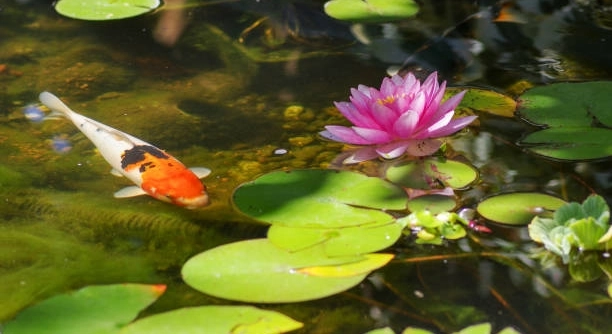
Koi fish are popular in ponds and water gardens, admired for their bright colors and graceful movements. Sometimes, these fish become less active and appear sluggish, which can be worrying for owners who care about their well-being. Understanding what causes lethargy helps in keeping koi healthy.
Koi fish become lethargic due to factors such as poor water quality, inadequate oxygen levels, illness, improper diet, or stress from environmental changes. Addressing these issues promptly is essential to restore their normal activity and maintain overall health.
Identifying the causes behind lethargy can improve care and prevent serious health problems in koi fish over time. This article explains key factors to watch for in your pond environment.
Common Causes of Lethargy in Koi Fish
Lethargy in koi fish often starts with changes in their environment. Poor water quality is a leading cause. High levels of ammonia, nitrites, or nitrates can weaken fish, making them less active. Low oxygen levels in the pond also reduce their energy. Sudden temperature changes cause stress, which affects behavior. Illnesses such as bacterial or parasitic infections further contribute to lethargy. Inadequate diet lacking proper nutrients can make koi weak. Overcrowding and aggressive tank mates add stress, lowering activity levels. Monitoring water parameters regularly and maintaining a clean pond are essential steps. Proper feeding and avoiding sudden environmental changes help keep koi healthy and active. Early detection of illness increases chances of recovery and prevents further complications. Keeping the pond balanced supports the natural behavior and vitality of koi fish.
Water quality and stable conditions are critical for preventing lethargy in koi fish.
Regular testing and maintenance will reduce stress and encourage healthy activity levels in your pond.
How to Improve Koi Fish Activity
To improve koi fish activity, start by testing water regularly for ammonia, nitrites, nitrates, pH, and oxygen levels. Adjust these parameters to keep them within safe limits. Use water conditioners or partial water changes if necessary. Provide a balanced diet rich in proteins, vitamins, and minerals to support their health. Avoid overfeeding, which can pollute water and harm fish. Maintain proper pond aeration with pumps or fountains to ensure adequate oxygen. Keep the pond clean by removing debris and controlling algae growth. Minimize stress by avoiding sudden temperature changes or loud noises near the pond. Quarantine new fish before introducing them to avoid spreading disease. Regular observation of koi behavior helps detect early signs of illness. Prompt treatment by consulting a vet or aquatic specialist can restore their energy and well-being. Consistent care is key to keeping koi lively and healthy.
Signs of Illness in Koi Fish
Lethargy can be an early sign of illness in koi fish. Other signs include loss of appetite, clamped fins, visible wounds, or unusual swimming patterns. Identifying these signs quickly helps prevent serious health issues.
Common koi illnesses include bacterial infections, parasites, and fungal diseases. Bacterial infections often cause ulcers or redness on the skin. Parasites may lead to scratching or rubbing against objects. Fungal infections show as white, cotton-like patches. Stress weakens the immune system, making koi more vulnerable. Keeping the pond clean and maintaining stable water conditions lowers disease risk. Quarantine new fish to avoid spreading infections. If illness is suspected, prompt treatment is necessary to prevent worsening. Observation and early intervention are key to recovery.
Treating koi involves proper diagnosis and use of appropriate medications. Antibiotics, antiparasitics, or antifungal treatments may be needed depending on the condition. Follow product instructions carefully. Avoid overmedicating, as it can harm fish and disrupt pond balance. Regularly monitor water quality during treatment. Support recovery by maintaining ideal water temperature and oxygen levels. Nutritional support with high-quality food helps rebuild strength. In some cases, consulting an aquatic veterinarian ensures proper care. Early and consistent treatment improves chances of full recovery and return to normal activity.
Environmental Factors Affecting Koi Behavior
Changes in the pond environment greatly impact koi activity. Poor water quality, temperature fluctuations, and low oxygen levels often cause lethargy. Maintaining a stable environment is essential for their health and energy.
Regular water testing prevents harmful chemical buildup. Ammonia and nitrite spikes often result from overfeeding or poor filtration. Installing aerators increases oxygen levels, especially in warmer months. Sudden cold snaps slow metabolism, causing koi to rest more. Plant cover provides shade and reduces stress. Avoid overcrowding to limit aggression and competition for resources. Seasonal changes require adjusted feeding schedules and pond care. Monitoring these environmental factors creates a comfortable habitat where koi can thrive. Consistency in care reduces stress, improving overall koi vitality and preventing lethargic behavior.
Diet and Nutrition Impact
A poor diet can lead to lethargy in koi fish. Lack of essential nutrients weakens their immune system and reduces energy. Feeding a balanced diet supports their health and activity levels.
Fresh, high-quality koi pellets provide necessary proteins and vitamins. Supplementing with vegetables or fruits can add variety and nutrients. Avoid overfeeding, which causes water pollution and digestive issues. Feeding small amounts multiple times daily is better than large, infrequent meals. Adjust feeding during colder months when metabolism slows down. Proper nutrition strengthens koi against illness and promotes natural behavior, keeping them active and vibrant.
Stress and Its Effects on Koi
Stress from overcrowding, loud noises, or sudden changes weakens koi immune systems. Reducing stress factors is crucial for maintaining energy and health.
Monitoring and Maintaining Water Quality
Regularly testing water for ammonia, nitrites, nitrates, pH, and oxygen is essential. Stable water conditions prevent lethargy and promote koi well-being.
Importance of Regular Observation
Daily monitoring helps catch early signs of problems. Early action can prevent serious health issues.
FAQ
What causes koi fish to become lethargic?
Lethargy in koi fish is usually caused by poor water quality, low oxygen levels, illness, stress, or an improper diet. Changes in temperature and overcrowding can also reduce their activity. Addressing these factors promptly helps restore their normal behavior.
How can I improve water quality in my koi pond?
Regular water testing is essential to monitor ammonia, nitrites, nitrates, pH, and oxygen levels. Partial water changes, proper filtration, and avoiding overfeeding help maintain clean water. Using aerators or fountains increases oxygen, especially during warm weather.
What signs of illness should I watch for in koi fish?
Common signs include lethargy, loss of appetite, clamped fins, unusual swimming patterns, visible wounds, redness, or white patches. Early detection is important for effective treatment and recovery.
Can temperature changes affect koi activity?
Yes. Sudden drops or rises in temperature stress koi fish and slow their metabolism. In colder months, koi naturally become less active but should still respond to feeding and movement.
How often should I feed my koi fish?
Feed small amounts two to three times daily during warm months. In colder weather, reduce feeding or stop when water temperature drops below 50°F (10°C), as koi metabolism slows and digestion becomes difficult.
Is overfeeding harmful to koi fish?
Yes. Overfeeding pollutes the water with excess waste, leading to poor water quality. It also causes digestive problems and weakens koi health. Feed only what koi can eat within a few minutes.
How do I treat sick koi fish?
First, isolate the affected fish if possible. Test water quality and correct any imbalances. Use medications appropriate for bacterial, fungal, or parasitic infections as directed. Consult a specialist for persistent or severe cases.
Why do koi fish hide or stay at the bottom of the pond?
This behavior can indicate stress, illness, or poor water conditions. Low oxygen or extreme temperatures also cause koi to become less active and seek shelter.
Can stress cause lethargy in koi fish?
Stress weakens koi immune systems, making them more prone to disease and inactivity. Causes include overcrowding, sudden environment changes, aggressive tank mates, or loud noises.
What is the best way to quarantine new koi?
Quarantine new koi for at least two weeks in a separate tank or pond. Monitor for signs of illness and treat if necessary before introducing them to the main pond. This helps prevent spreading diseases.
How important is oxygen in a koi pond?
Oxygen is vital for koi health. Low oxygen levels cause lethargy and can be fatal. Aeration through pumps, fountains, or plants keeps oxygen at safe levels and supports fish activity.
Can plants help maintain a healthy koi pond?
Yes. Aquatic plants improve water quality by absorbing nutrients and providing shade. Shade lowers water temperature and reduces algae growth, creating a balanced environment for koi.
What should I do if koi stop eating?
Loss of appetite can signal illness, stress, or unsuitable water conditions. Check water quality and temperature first. Observe for other symptoms. If problems persist, consult a vet or aquatic specialist.
How often should I test pond water?
Testing at least once a week during warm months is recommended. In colder months, testing can be less frequent but should still be done regularly to catch any issues early.
Can changing water temperature too quickly harm koi fish?
Yes. Sudden temperature changes stress koi and disrupt their metabolism. Gradual adjustments are safer and reduce risk of shock or illness.
What role does diet play in preventing lethargy?
A balanced diet rich in protein, vitamins, and minerals supports koi immune systems and energy. Poor nutrition weakens fish, making them more vulnerable to disease and lethargy.
Are medications always necessary for lethargic koi?
Not always. If lethargy is caused by environmental factors like poor water quality or temperature, correcting these may restore activity. Medication is needed if illness is diagnosed.
How can I reduce stress for koi in my pond?
Avoid overcrowding, provide hiding spots, maintain stable water conditions, and limit sudden noises or movements near the pond. Consistent care helps koi remain calm and active.
Is lethargy a sign of aging in koi fish?
Older koi may naturally slow down, but sudden or prolonged lethargy usually indicates health or environmental problems. Monitor closely and adjust care as needed.
What is the best way to keep koi active and healthy?
Maintain clean, well-oxygenated water, feed a balanced diet, avoid overcrowding, and regularly monitor fish behavior and pond conditions. Early attention to problems prevents lethargy and illness.
Final Thoughts
Maintaining healthy koi fish requires attention to multiple factors that affect their behavior and well-being. Lethargy often signals that something in their environment or health is off balance. It is important to observe koi regularly and respond to changes promptly. Simple actions like keeping water clean, ensuring proper oxygen levels, and providing balanced nutrition can prevent many common causes of lethargy. When koi appear less active, it is rarely a random occurrence; rather, it reflects underlying conditions that need to be addressed for the fish to regain vitality.
Water quality remains one of the most critical elements in koi care. Even small fluctuations in ammonia, nitrite, nitrate, or pH levels can impact fish health and cause sluggishness. Consistent testing and maintenance of filtration systems help keep these parameters stable. Temperature changes also affect koi activity significantly. Koi are cold-blooded and rely on their environment to regulate metabolism. Sudden temperature drops or rises cause stress and lower energy levels. Keeping temperature changes gradual and stable supports normal behavior and helps prevent illness related to stress or weakened immunity.
Nutrition and stress management play essential roles in supporting koi health. Feeding high-quality food in appropriate amounts provides necessary nutrients that build immune defenses and energy reserves. Overfeeding or poor diet weakens fish and pollutes water, which can trigger lethargy. Stress from overcrowding, aggressive fish, or external disturbances also lowers resistance to disease and activity. Creating a balanced, calm environment with proper space and hiding spots improves koi comfort. Overall, careful attention to these aspects of care promotes koi vitality and enjoyment of a healthy pond environment.

Hello,
If you enjoy the content that we create, please consider saying a "Thank You!" by leaving a tip.
Every little bit helps us continue crafting quality advice that supports the health, happiness, and well-being of pets around the world, for pets of all shapes, sizes, and species.
We really appreciate the kindness and support that you show us!