
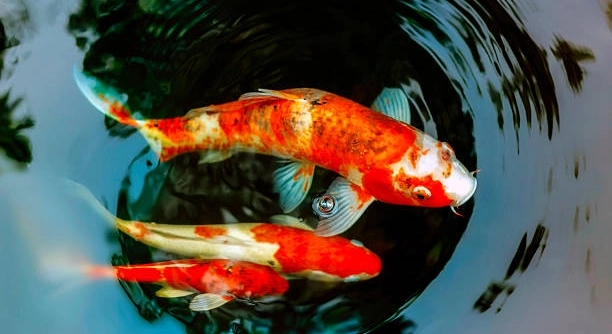
Koi fish are often seen swimming in the same direction, creating a calm and graceful scene in ponds. This behavior can seem interesting to watch and makes koi ponds look peaceful and well-organized. Many people who keep koi wonder why this happens.
Koi fish tend to face the same direction primarily due to environmental factors like water flow and light direction. This alignment helps them conserve energy and stay alert to potential threats in their surroundings. It is a natural and instinctive behavior.
Understanding why koi swim this way reveals more about their needs and habits. Learning about these factors can improve how we care for them and keep their environment healthy.
Why Do Koi Fish Align in the Same Direction?
Koi fish often face the same direction because they are responding to their environment. One of the main reasons is water current. When koi swim in a flowing pond, they naturally align themselves with the direction of the current. This makes it easier for them to swim and conserve energy. Light also plays a role; koi tend to face toward sources of light or away from harsh glare. Another factor is safety. Facing the same way helps koi keep an eye on their surroundings and spot predators early. This group behavior also supports social bonding and reduces stress within the pond. Observing this alignment can help koi keepers understand if the fish are comfortable or if changes in the environment might be needed.
Facing the same way is a natural, energy-saving behavior that benefits koi in their habitat.
Knowing these factors helps you create a better space for your koi to thrive. Watching their behavior can tell you a lot about the pond’s condition and the fish’s well-being.
How Environment Shapes Koi Behavior
Koi fish are very sensitive to their surroundings. Changes in water temperature, flow, and light can all affect their movements and positions. When the environment is stable, koi are calm and swim in groups, often facing the same way. If the water flow changes or if there’s too much noise or disturbance, they may scatter or swim erratically. This reaction is a natural way for them to protect themselves. Proper water quality and a peaceful setting help koi feel safe and behave naturally. Keeping these conditions steady can reduce stress and encourage koi to swim together smoothly. It’s important to pay attention to these environmental details to keep koi healthy and content.
How Social Behavior Influences Koi Alignment
Koi are social fish that naturally swim in groups. They often face the same direction to stay connected and maintain group cohesion. This behavior helps reduce stress and promotes a sense of safety.
Swimming in alignment allows koi to communicate through body language and subtle movements. It creates a calm environment where fish can react quickly if danger appears. When koi face the same way, they also reduce water resistance for one another, making swimming easier. This social behavior is common in many fish species and shows how koi rely on each other for comfort and protection. It’s a peaceful way for koi to coexist and enjoy their shared space.
The group movement also helps koi find food more efficiently. By moving together, they can quickly locate feeding spots and share resources without conflict. This cooperative behavior is part of their natural instincts and contributes to a harmonious pond life.
The Role of Water Flow and Pond Design
Water flow greatly affects how koi position themselves. Koi prefer swimming with or against gentle currents because it supports natural exercise. Strong currents can cause stress, while still water may make koi less active. Proper pond design encourages smooth water circulation, which keeps koi healthy and active. Features like waterfalls, filters, and pumps help create ideal flow patterns. By arranging the pond to balance flow and calm areas, koi can choose where to swim comfortably. Good design also helps oxygenate the water, supporting koi’s overall well-being. Paying attention to water movement in your pond can improve koi behavior and make their environment more natural and inviting.
How Light and Shadow Affect Koi Direction
Koi often face toward light sources because it helps them see better. Light guides their movement and makes the environment feel safer.
Shadows can cause koi to change direction quickly. They tend to avoid sudden dark areas that might hide predators or disturbances.
Koi’s Instinct to Watch for Danger
Koi face the same way to stay alert. Aligning their bodies lets them watch for threats more easily. When they swim in groups, they can quickly warn each other of danger by changing direction together. This behavior is a natural defense mechanism that helps koi survive in the wild and feel secure in a pond setting.
Impact of Feeding Times on Koi Positioning
Koi often gather and face the same direction when feeding. They anticipate food coming from a specific spot, usually where the keeper approaches. This behavior shows their ability to recognize routine and signals related to feeding. It also strengthens their social bonds as they share the feeding area peacefully. Watching koi during feeding times can reveal much about their habits and comfort levels.
FAQ
Why do koi fish often swim facing the same direction?
Koi fish tend to swim facing the same direction mainly because of environmental cues like water flow and light. Facing the same way helps them swim more efficiently by reducing resistance and conserving energy. It also allows them to stay alert for potential threats, making group movement safer and more coordinated. This behavior is natural and common among many fish species that live in groups.
Is it normal for koi to always face the same way in a pond?
Yes, it is normal for koi to often face the same direction, especially when resting, swimming slowly, or feeding. However, they do change direction when exploring or reacting to changes in their environment. If koi are constantly facing one way without much movement, it could be a sign of stress or water quality issues, so it’s good to check their living conditions.
Can the way koi face indicate their health?
Sometimes. Healthy koi will swim calmly and often align with the flow of water or light direction. If koi are erratic, hiding, or always facing the same spot without moving, it might suggest illness or discomfort. Observing koi behavior regularly helps catch potential health problems early, such as infections or poor water conditions.
Do koi face the same way because of social reasons?
Yes. Koi are social animals and often swim in groups facing the same way to stay connected. This group alignment reduces stress and helps them feel safe. It also helps them communicate through body language and respond quickly to any dangers or changes in their environment.
How does water current affect koi direction?
Water current influences koi to swim with or against the flow, helping them maintain balance and use less energy. Gentle currents encourage movement and exercise, which is good for koi health. When the water flows consistently, koi tend to line up facing the current, making swimming smoother.
Does pond design change how koi face?
Absolutely. Features like waterfalls, filters, and pumps create water flow patterns that koi respond to by adjusting their swimming direction. Good pond design balances areas of calm water and gentle current, encouraging natural behaviors like facing the flow or gathering in certain spots.
Why do koi face light sources?
Koi face light sources because light helps them see and navigate better. Light also signals safety and can guide them toward food or social groups. Too much harsh light, though, can make koi seek shade or change direction to avoid glare.
Can koi’s feeding habits change their swimming direction?
Yes. Koi quickly learn where food usually comes from and often face that direction before feeding time. This anticipation makes them gather and swim in unison toward the feeding spot. Feeding routines create predictable behaviors in koi, reinforcing group swimming patterns.
Is it normal for koi to change direction suddenly?
Yes, sudden changes in direction are normal responses to stimuli like shadows, movements nearby, or noises. These quick shifts help koi avoid potential threats. However, if sudden movements happen too often without cause, it could mean stress or poor water conditions.
How do koi benefit from swimming in the same direction?
Swimming in the same direction helps koi conserve energy by reducing drag. It also keeps the group organized and ready to react to danger. This alignment reduces stress, encourages social bonding, and creates a calmer environment within the pond.
What should I do if my koi don’t swim facing the same way?
If koi don’t align and seem restless or scattered, check the pond’s water quality, temperature, and flow. Poor conditions or sudden changes can disrupt their natural behavior. Ensuring a clean, balanced, and calm environment encourages koi to swim more naturally and comfortably.
Do koi face the same way during winter or cold weather?
In colder weather, koi become less active and may cluster in warmer or sheltered parts of the pond. They might still face the same way to maintain group cohesion but generally swim less. It’s important to keep the pond environment stable during these times to support their health.
Can koi face different directions when exploring?
Yes. When exploring, koi often swim in varied directions as they investigate their surroundings. This behavior is different from their usual alignment seen during resting or feeding times. Exploration helps koi stay alert and learn about changes in their environment.
Does stress affect koi swimming patterns?
Stress can cause koi to swim erratically or hide more often. They may break usual patterns of alignment and become restless. Stress can result from poor water quality, overcrowding, sudden noises, or predators. Monitoring koi behavior helps catch stress signs early for proper care.
Are koi’s directional behaviors the same in all ponds?
While basic behaviors like facing water flow or light are common, koi in different ponds may show variations based on pond size, design, and conditions. Each pond creates a unique environment that influences how koi move and align. Observing your koi’s behavior helps you understand their specific needs.
How can I encourage my koi to swim in a natural pattern?
Maintain clean water, balanced temperatures, and proper circulation in the pond. Create areas with gentle flow and shaded spots for comfort. Feeding koi at regular times and avoiding sudden disturbances also supports natural swimming and group alignment.
Can koi swimming direction affect their health?
Indirectly, yes. Swimming with natural flow and alignment helps koi conserve energy and reduce stress, supporting good health. Poor swimming patterns may indicate environmental problems or illness, so paying attention to how koi move can help keep them healthy.
Do koi have a leader when they swim together?
Koi don’t have a strict leader, but some fish may take the lead temporarily, especially during feeding or exploring. The group moves as a unit, adjusting to changes as needed. This flexible leadership helps maintain group harmony and safety.
Koi fish facing the same direction is a natural behavior shaped by their environment and instincts. This alignment helps koi conserve energy, especially when swimming with the current or toward light. It also makes it easier for them to stay alert and safe by watching for potential threats together. Understanding this simple yet important behavior gives us insight into how koi interact with their surroundings and with each other. It shows how even small details, like the way they position themselves, are part of their natural ways to live comfortably and safely.
This group behavior is also linked to koi’s social nature. Swimming together and facing the same way reduces stress and helps koi feel secure. It allows them to communicate silently and respond quickly if something in the pond changes. When koi align like this, it creates a peaceful scene that many pond keepers appreciate. It also reflects how koi rely on each other for comfort and safety, which is common in many fish species. By observing their swimming patterns, we can better understand their needs and help create a better living space for them.
Finally, paying attention to factors like water flow, light, feeding routines, and pond design can improve how koi behave and thrive. Keeping water clean and ensuring gentle currents support natural swimming and reduce stress. Proper pond design that balances calm and moving water helps koi choose comfortable spots to rest or explore. Feeding koi at regular times encourages familiar swimming patterns and social bonding. Taking these steps helps koi live healthier, happier lives and makes watching them a more enjoyable experience.

Hello,
If you enjoy the content that we create, please consider saying a "Thank You!" by leaving a tip.
Every little bit helps us continue crafting quality advice that supports the health, happiness, and well-being of pets around the world, for pets of all shapes, sizes, and species.
We really appreciate the kindness and support that you show us!