
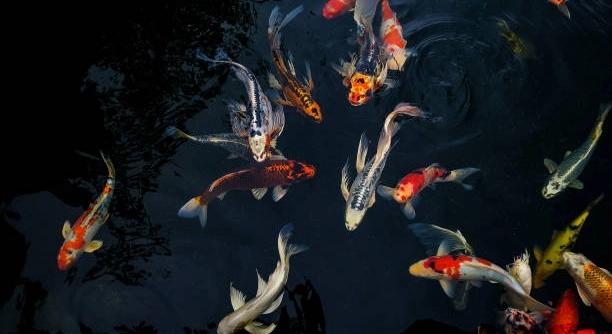
Are your koi swimming together peacefully but you’re unsure if they’re actually getting along, or just sharing the same space out of habit?
Koi that get along often show signs such as synchronized swimming, gentle body contact, shared feeding areas, and calm, relaxed behavior. These indicators suggest social bonding and reduced stress levels, which are essential for their overall well-being.
Recognizing these subtle clues can help you create a more harmonious pond environment and better understand your koi’s social dynamics.
They Swim Side by Side Often
Koi that enjoy each other’s company often swim closely together. This doesn’t mean they’re bumping into each other constantly, but you’ll see them cruising the pond in the same direction, keeping a calm pace. This behavior shows trust. Koi that are not comfortable with one another tend to separate or swim erratically. When koi swim side by side with no signs of stress—like darting away or flaring fins—it’s a solid sign they’re getting along. You might also notice they rest near each other at the bottom or float near the surface together. These patterns usually develop over time, especially if they’ve been raised in the same pond. Watching them move as a group is a good way to spot which ones are more bonded. This doesn’t mean every koi in the pond will form tight connections, but consistent group swimming is a reliable indicator of a peaceful dynamic.
They are not flaring fins or chasing one another around the pond. Their movements are smooth and unbothered.
Koi that swim peacefully beside each other are showing they don’t see one another as threats. This kind of movement reflects a low-stress environment and stable pond relationships. When koi are uneasy, they often keep distance or chase others away.
Mealtime Is Calm
Feeding time often reveals how koi interact socially. If they’re bumping or rushing to push others away from the food, it’s likely there’s tension. But if they gather and eat without aggressive behavior, it’s a positive sign.
Koi that are getting along tend to share space at the surface during meals. While some nudging is normal, you shouldn’t see biting or forceful shoving. They may wait their turn or take food from nearby areas calmly. This behavior shows that they’ve developed a social understanding. Koi in a stable group will often have an unspoken pecking order, and the others respect it without conflict. If your koi eat in peace, it means they feel secure. Food can be a stress trigger in some ponds, so peaceful mealtimes say a lot about their comfort level. Observing how they interact when food is present is one of the easiest ways to check if they are coexisting well.
There’s No Pushing or Aggression
When koi are getting along, they don’t push, chase, or nip at each other. Their behavior is calm and steady, without sudden bursts of motion caused by conflict or dominance. Aggression is a clear sign of stress or discomfort in the group.
Gentle nudging can happen sometimes, especially around feeding or spawning seasons, but it should not be constant or forceful. If koi repeatedly chase or ram each other, it may mean one feels threatened or is trying to dominate the others. In peaceful ponds, koi glide past one another without trying to compete for space. Fights usually happen when a new koi is added too quickly or when the pond is overcrowded. Watching for relaxed swimming and limited physical contact helps you know things are okay. Koi that feel safe don’t waste energy on fighting—they spend time resting, eating, and swimming quietly with the group.
Koi in well-balanced ponds rarely display signs of rough behavior. They tend to ignore minor bumps and continue on their way. If they start circling one another, flaring fins, or repeatedly snapping at tails, it’s likely something is off in the pond. Good water quality and enough space help reduce the chances of tension building up.
They Group Together Without Conflict
Koi that get along often group together during the day, especially in shaded or calm areas of the pond. They don’t avoid each other or try to claim one area for themselves. This shows a sense of safety and shared space.
Grouping is natural for koi when they feel secure. You might see several resting near a plant or tucked into a calm corner. This behavior means they aren’t competing or scared of one another. It’s more common in koi that have lived together for a while or were raised in the same group. When koi group up without signs of stress—no darting, flaring, or shoving—it reflects stability in their environment. If one koi keeps away from the others, it could signal illness or a social problem. But when they spend time close to one another and stay calm, it’s one of the clearest signs that they’re coexisting peacefully.
They Rest Near Each Other
When koi rest close together, it shows they’re comfortable. They often pause near the bottom or float just under the surface in calm spots. If they stay close without signs of stress, it’s a strong sign they trust one another.
You won’t see hiding or darting when koi feel safe with each other. They’ll settle down near plants, rocks, or shaded areas, sometimes in small groups. If one koi rests far away often, it could mean it’s unwell or stressed.
Their Movements Are Smooth and Relaxed
Koi that get along swim in steady, calm motions. Their bodies glide through the water without sudden jerks or fast direction changes. This smooth swimming shows they aren’t anxious or trying to escape from each other. Even in tight areas, they avoid bumping or clashing. Their fins stay relaxed instead of flared, and their tails move gently. Koi that are nervous or aggressive often show twitchy, erratic swimming patterns. Watching how they move from one end of the pond to the other can tell you a lot. Calm, slow swimming with other koi nearby usually means they’re content and not feeling threatened.
They Don’t Hide From Each Other
Hiding is usually a reaction to fear or illness. Koi that get along stay visible and aren’t afraid to share the same space. If they’re all out in the open together, it means they feel safe around each other.
How can I tell if my koi are stressed even if they seem to get along?
Sometimes koi appear peaceful but may still be stressed. Signs include hiding often, rapid gill movement, or staying near the surface gulping air. Even if koi swim together or eat calmly, these subtle symptoms mean they might not be fully comfortable. Check water quality and pond conditions to help reduce stress.
What should I do if I notice aggression between my koi?
If koi start chasing or nipping, try to identify the cause. Overcrowding, poor water quality, or sudden changes in the pond can trigger aggression. Make sure your pond has enough space and clean water. Adding hiding spots like plants or decorations can help stressed koi find refuge and reduce conflicts.
Is it normal for koi to have a pecking order?
Yes, koi often develop a social hierarchy to reduce fighting. This order helps them know who eats first or claims certain areas. As long as the behavior isn’t overly aggressive or harmful, it’s a natural way koi organize themselves and coexist peacefully.
How does water quality affect koi behavior?
Poor water quality causes stress and aggressive behavior. High ammonia or low oxygen levels make koi uncomfortable and more likely to fight. Clean, well-filtered water supports calm and healthy koi that get along better. Regular testing and maintenance are essential to keep conditions ideal.
Can introducing new koi disrupt the group’s harmony?
Adding new koi can upset the balance. New fish might be seen as threats and chased away. It’s important to quarantine new koi before introduction and add them slowly. Giving them time to adjust helps reduce aggression and supports better social bonds.
Why do koi sometimes swim alone or away from the group?
Koi swimming apart might be sick, stressed, or simply resting. If a koi consistently stays alone, watch for other symptoms like loss of appetite or changes in color. Isolation can be an early sign of illness or social stress that needs attention.
Do koi communicate with each other?
Koi use body language to communicate. Swimming patterns, fin position, and gentle nudges all send signals about dominance, submission, or comfort. Understanding these signs helps you read their interactions and detect when something is wrong.
How often should I observe my koi to check their social behavior?
Daily observation is best. Watching how koi interact over time gives you a clear picture of their social health. Short visits might miss important behaviors. Spend time near your pond regularly to notice changes in movement, feeding, and group dynamics.
Are some koi more aggressive by nature?
Some koi strains or individuals can be more assertive. However, most aggression is influenced by environment rather than breed. Good pond management and proper stocking reduce aggressive tendencies and help koi live peacefully together.
What can I do to encourage koi to get along better?
Provide plenty of space, clean water, and hiding spots. Feed them regularly and avoid sudden changes in their environment. Introducing new koi carefully and keeping an eye on their behavior will help maintain harmony in your pond.
When it comes to caring for koi, understanding how they get along is important. Observing their behavior closely gives you clues about their social health. Koi that swim calmly together, eat without fuss, and rest near each other usually feel safe in their environment. These signs show that your pond is a peaceful place where koi can live happily. Paying attention to their actions helps you spot problems early and make changes if needed. It’s much easier to keep koi healthy and stress-free when you know what to look for.
Maintaining a balanced pond environment plays a big role in how koi interact. Clean water, enough space, and good filtration all help reduce tension between fish. Overcrowding or poor water quality can lead to stress, which often shows as aggressive behavior or hiding. Adding plants or decorations gives koi places to rest or hide, which also supports their well-being. Introducing new koi should be done carefully and slowly to avoid disrupting the group’s peace. These simple steps can make a big difference in how well your koi get along.
Remember, koi are social creatures with their own ways of communicating and forming bonds. Not every koi will be best friends, but most can live together without conflict when their needs are met. Watching their body language and group behavior regularly allows you to create a healthy pond where koi can thrive. Taking the time to learn about their social clues and pond care will help you enjoy a calm and beautiful koi pond for years to come.

Hello,
If you enjoy the content that we create, please consider saying a "Thank You!" by leaving a tip.
Every little bit helps us continue crafting quality advice that supports the health, happiness, and well-being of pets around the world, for pets of all shapes, sizes, and species.
We really appreciate the kindness and support that you show us!