
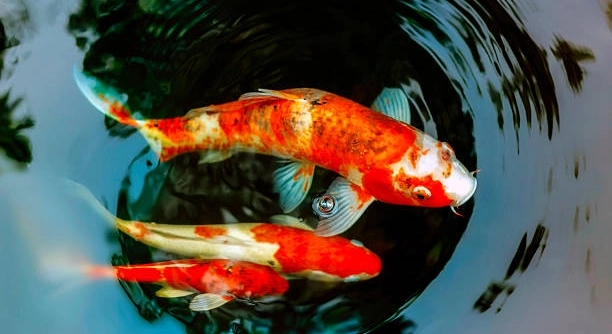
Have you ever looked into your pond and noticed your koi fish swimming sideways, unsure if it’s something to worry about? It can be surprising when they suddenly stop gliding smoothly and start acting strangely.
Koi fish may flip on their sides due to swim bladder disorders, poor water quality, or internal infections. These issues affect their buoyancy and can prevent them from swimming properly, sometimes causing them to float sideways or even upside down.
Understanding what causes this behavior helps you take action early and protect your koi from further health problems.
Common Reasons Koi Flip on Their Sides
One of the most common causes of koi flipping onto their sides is a swim bladder issue. The swim bladder helps fish control their buoyancy. When it becomes inflamed or infected, it can stop working properly. This can make the fish float awkwardly or lose balance. Poor water quality is another reason. If there is too much ammonia or nitrite in the pond, it can damage the fish’s organs. Koi may also react this way to sudden changes in water temperature or pH levels. Overfeeding or feeding low-quality food can cause digestive issues that lead to buoyancy problems. In some cases, internal infections or parasites can cause weakness and disorientation. These health issues may not be visible right away, making it important to observe behavior closely. Acting quickly helps prevent further stress or damage to the koi’s health, especially if symptoms continue or worsen over time.
Koi flipping over is usually a sign that something is wrong. It’s not normal behavior and should not be ignored.
If you notice your koi swimming sideways, the first step is to check water quality using test kits. High levels of ammonia or nitrites should be addressed right away. Consider doing a partial water change and checking the filtration system. Stop feeding the fish for a day or two to give their digestive system a break. If you suspect a swim bladder problem, feed easily digestible foods like shelled peas. Keep the water temperature stable, as sudden changes can make symptoms worse. If behavior does not improve within a couple of days, it may be time to contact a vet with experience in aquatic animals. They can perform exams and suggest treatments if an internal infection or parasite is found. Always quarantine new fish before adding them to the pond to prevent spreading illness to healthy koi.
How to Prevent Future Flipping
Stable water conditions are key. Monitor your pond regularly to make sure the parameters are safe and consistent.
Feeding high-quality food in the right amounts helps keep koi healthy and supports their digestion. Overfeeding leads to waste buildup and can hurt the water quality, which affects the koi’s overall health. It’s also helpful to feed them in smaller portions more than once a day instead of one large meal. Clean the pond filters regularly and remove uneaten food or debris to keep the water clear. Use a water testing kit weekly to check ammonia, nitrite, nitrate, and pH levels. Maintaining good oxygen levels with proper aeration is important, especially in warmer months. Always perform gradual water changes and avoid large sudden shifts in temperature. If a koi has shown signs of flipping before, monitor it more closely, as it may have ongoing sensitivity. A little daily care and observation can go a long way in keeping your koi healthy and balanced.
When to Worry About Koi Flipping
If your koi flips on its side for a short time and returns to normal quickly, it may not be serious. But if it happens often or lasts longer than a few minutes, it could signal a deeper health problem.
Long-lasting flipping behavior is usually not something to ignore. If your koi is floating sideways for hours, struggling to swim, or sinking and rising repeatedly, these are signs of distress. Check the pond for anything unusual, like changes in water temperature or sudden spikes in ammonia. These things can harm koi quickly if not handled right away. Look for other symptoms like clamped fins, lack of appetite, or visible swelling. These may point to an infection or organ trouble. You don’t need to panic, but action should be taken as soon as possible. A vet experienced with fish can help diagnose the problem more clearly.
If a koi fish seems weak, stops eating, or isolates itself, something serious could be going on. Watch for any strange swimming, like circling or floating upside down. These signs mean the fish may be in pain or struggling internally. Water testing and small water changes can help in the short term, but if no changes happen within 48 hours, seek help. Some infections or parasites progress quickly and need treatment right away. Don’t try too many home treatments at once, as this could make things worse. Keep the sick fish in a separate tank if possible. This lowers stress and avoids spreading illness to others. Having a clear plan and acting early gives your koi the best chance of recovery.
What Not to Do When Koi Flip
Avoid changing all the water at once. Sudden shifts in temperature or pH can stress your koi even more and cause extra problems.
Do not rush into adding medications unless you’re sure what the issue is. Random treatments can make things worse or harm the fish’s internal organs. Always test the water before doing anything else. Adding too much food when your fish is already acting strangely is another common mistake. Uneaten food adds waste, raising ammonia levels and lowering oxygen. If you suspect a swim bladder issue, don’t feed floating pellets, as they can add air to the gut. Skip feeding for a day or two instead. Never try to “poke” or flip the fish by hand—this can cause injury and stress. Keep your hands out of the pond unless absolutely needed. Try to keep things calm and quiet around the pond, as loud sounds or sudden movements can add to the fish’s distress.
Signs It’s Just Temporary
Sometimes koi flip on their sides briefly after eating too fast or playing near strong water currents. If they return to normal quickly and swim with ease afterward, it’s likely not something to worry about right away.
Occasional sideways movement without other symptoms can happen in colder months. Koi metabolism slows down in lower temperatures, making them move less or float oddly for short periods. If the fish stays calm, eats well, and shows no signs of illness, the behavior may resolve on its own.
What to Watch After Treatment
After treatment, monitor your koi closely for any changes in behavior or swimming patterns. Watch how it interacts with other fish and whether it resumes eating regularly. Make sure it swims upright and doesn’t isolate itself again. Continue testing the water and keep conditions stable to support recovery. Avoid overfeeding and reduce stress by limiting noise or activity near the pond. Clean filters gently and maintain proper oxygen levels. If symptoms return, follow up with a vet rather than trying a different treatment right away. Small improvements over several days are a good sign.
When to Separate the Fish
If the koi is being chased, nipped, or acting unusually compared to others, it may be best to move it into a separate tank. This helps reduce stress and allows better observation.
FAQ
Can koi survive if they keep flipping over?
If a koi keeps flipping over without improvement, survival becomes less likely over time, especially if the cause is left untreated. Flipping affects their ability to eat, breathe, and avoid predators or injury. Prolonged buoyancy issues often point to swim bladder damage, infection, or poor water conditions. Quick action, like checking water parameters, adjusting feeding, and seeking help from a vet, can improve the chances of recovery. If koi respond well to small changes and resume normal swimming, their health may stabilize. But ongoing flipping usually needs more than home care and can become life-threatening.
Is flipping always caused by a swim bladder problem?
Not always. While swim bladder disorders are a top reason for koi flipping, they’re not the only cause. Poor water quality, sudden temperature shifts, and internal infections can all affect swimming. Even overfeeding or constipation can lead to flipping. Sometimes it’s a combination of factors—bad water and too much food, for example. Swim bladder problems do cause noticeable buoyancy issues, but without water testing and close observation, it’s hard to know for sure. That’s why it’s important not to assume and instead check for all possible issues before starting treatment.
How do I know if the water quality is bad?
Using a water test kit is the most accurate way to know. Test for ammonia, nitrites, nitrates, pH, and temperature. Ammonia or nitrites above 0 ppm can harm koi fast. A sudden drop or spike in pH can also cause stress and odd swimming. Cloudy water, foul smell, or algae buildup are signs that something may be wrong. If fish start gasping for air at the surface or become sluggish, it could mean poor oxygen levels. Regular testing—at least once a week—helps you catch small problems before they affect your koi’s health.
Can overfeeding cause flipping?
Yes, overfeeding is a common cause of buoyancy issues. When koi eat too much, especially low-quality or floating food, it can lead to gas buildup or constipation. This affects how they swim and float. Uneaten food also pollutes the water, increasing ammonia levels and lowering oxygen, which harms the fish further. Feeding in small amounts, watching for leftover food, and skipping a feeding day now and then can prevent these problems. If your koi looks bloated or flips after eating, reduce the amount and try more digestible foods.
Should I feed my koi while it’s flipping?
It’s better to stop feeding for a day or two. Giving food while the koi is flipping may make things worse, especially if the cause is digestive or related to the swim bladder. Letting the digestive system rest can sometimes help the fish rebalance itself. When feeding resumes, offer soft, sinking foods like peas (with skins removed) or wheat germ-based pellets. Avoid floating pellets, as they can cause koi to gulp air. Watch how the fish responds before returning to normal feeding amounts.
When should I call a vet?
If the koi has been flipping for more than 48 hours, shows signs of bloating, clamped fins, red patches, or isn’t eating, it’s time to call a vet. A fish vet can examine the koi, perform tests, and give treatments like antibiotics or anti-parasitic meds if needed. Waiting too long can reduce the chances of recovery. Even if symptoms seem mild, a vet visit can give peace of mind and help avoid more serious problems. Not all issues can be treated at home, especially when infections are involved.
Do koi flip more during certain seasons?
Yes, koi may behave differently with seasonal changes. In winter, their metabolism slows, and they move less, sometimes floating oddly. In spring, sudden temperature shifts or changes in water chemistry after thawing can trigger stress. Summer brings warmer water, which can reduce oxygen and affect swimming. Fall sometimes leads to overeating as koi prepare for colder months. Watching their behavior during seasonal changes helps spot early signs of stress or illness. Make adjustments to feeding and water care based on the season to help keep koi balanced and healthy.
Final Thoughts
Seeing your koi flip on their side can feel alarming, especially if it happens out of nowhere. While it might not always mean something serious, it’s usually a sign that something is off. Sometimes it’s a small issue like overeating or cooler water making them sluggish. But it can also point to more serious health problems, like a swim bladder disorder, an internal infection, or poor water quality. Paying attention to small changes in their behavior and knowing what’s normal for your fish helps you notice problems early. Quick action often makes a big difference in recovery and long-term health.
It’s important to keep up with regular pond care. Checking the water weekly, feeding good-quality food in small portions, and cleaning filters can prevent many common problems. Most of the time, koi show signs when something is wrong before it gets worse. Things like swimming differently, refusing food, or staying away from other fish are small signals to watch for. If you ever feel unsure about what’s causing the behavior, getting a second opinion from a fish vet or local koi expert can help. It’s always better to ask early than to wait until the issue becomes harder to treat.
In the end, healthy koi need a balanced environment and daily care. Even if a fish flips occasionally without other symptoms, it’s still worth keeping an eye on it. With steady water conditions, quality food, and careful observation, many flipping episodes can be managed or prevented. If the behavior continues, though, don’t ignore it. Trust your instincts, stay calm, and take steps one at a time. Caring for koi doesn’t have to be complicated, but it does take patience and attention. A stable pond and a consistent routine go a long way toward helping your koi live long, healthy lives.

Hello,
If you enjoy the content that we create, please consider saying a "Thank You!" by leaving a tip.
Every little bit helps us continue crafting quality advice that supports the health, happiness, and well-being of pets around the world, for pets of all shapes, sizes, and species.
We really appreciate the kindness and support that you show us!