
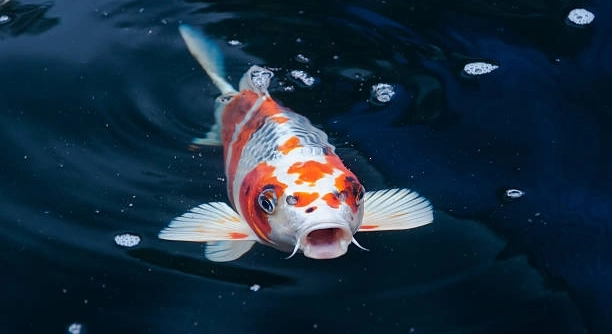
Koi fish often use shelter in ways that go beyond just hiding. These behaviors can change depending on their needs or surroundings. Understanding these moments helps us appreciate their natural habits better.
Koi use shelter differently based on factors like safety, rest, feeding, and social interaction. These variations show how koi adapt their environment use to meet physical and behavioral needs in various conditions.
Recognizing these behaviors can improve how we care for koi and design their habitats to suit their unique lifestyle needs.
Shelter Use During Rest and Sleep
Koi often seek shelter when they need to rest or sleep. During these times, they look for quiet, shaded spots where they feel safe from predators and disturbances. Shelter provides a calm environment that helps koi relax and conserve energy. You might notice them staying still near plants, under rocks, or beside decorations in the pond. This behavior is natural and important for their health, as resting properly helps them maintain strength and immune function. Providing varied hiding places in a pond encourages healthy rest habits. It also reduces stress, which can otherwise lead to illness. If your koi are active at night, offering dimly lit or protected areas can improve their sleeping comfort. Koi are sensitive to changes in light and noise, so a stable environment supports their natural rhythms. Observing where your koi choose to rest can give insight into how comfortable they feel in their habitat.
Rest shelters help koi recover and stay healthy by offering protection and quiet. These safe spaces are essential for their wellbeing.
Understanding how koi use shelter for rest allows you to create a more peaceful pond environment. Thoughtfully placed plants, rocks, or structures not only beautify the pond but serve a real purpose. When koi have proper shelter, they feel secure enough to rest deeply and regain energy. Without these safe zones, koi might become restless or stressed, impacting their growth and health. Adding various shelter options can accommodate different koi personalities—some prefer hiding fully, while others just like partial shade. Keeping these areas clean and stable ensures koi continue to benefit from their resting spots. The better the rest environment, the happier and healthier your koi will be.
Shelter Use for Protection and Safety
Koi instinctively use shelter to protect themselves from threats. Hiding spots offer safety from birds, larger fish, or sudden disturbances.
When koi sense danger, they quickly swim to nearby shelter to avoid harm. This natural behavior is a survival mechanism that helps them stay safe in open waters. Shelters such as dense plants, caves, or overhangs act as hiding places where koi can remain unseen. Protection through shelter is especially important during breeding or when young koi are present, as they are more vulnerable. Well-designed ponds include safe zones that reduce stress and prevent injuries caused by panic swimming. Koi also use shelter to escape strong currents or harsh sunlight. Observing how your koi move to shelter during times of perceived threat helps you identify potential stressors in the pond. Providing multiple shelter options ensures koi have safe spaces no matter where they are.
By understanding how koi use shelter for protection, pond owners can improve habitat safety. This reduces stress and creates a secure environment that supports koi wellbeing and natural behaviors.
Shelter Use During Feeding
Koi sometimes use shelter to feel safe while feeding. This behavior helps them eat without being disturbed or feeling threatened.
When koi feed near shelter, they are less exposed to potential predators or sudden movements. Sheltered feeding spots give them confidence to eat calmly, which supports good digestion. This is especially true when koi are feeding on the pond bottom or among plants, where they can quickly retreat if needed. Feeding near shelter can reduce competition among fish and lower stress levels. Providing shaded or covered feeding areas encourages natural behavior and makes koi feel more secure during meals. These spots also help koi avoid strong currents that could interfere with their feeding.
Shelter near feeding areas helps koi focus on eating and reduces stress. It also encourages peaceful social interactions among the fish, leading to a healthier pond environment.
Shelter Use for Social Interaction
Koi use shelter to interact quietly or establish territory within the pond. Shelters serve as meeting points or boundaries during social behaviors.
Sheltered areas allow koi to connect or avoid each other without confrontation. Some koi gather near shelter to rest together or to establish dominance quietly. These spaces help reduce aggressive encounters by offering places to hide or escape. Territorial koi may use shelter edges to mark their preferred spots, helping maintain pond harmony. This behavior shows how koi balance social needs with personal space. Proper shelter placement supports peaceful coexistence and healthy social dynamics. Observing koi near shelter can reveal their social patterns and help you manage group behavior effectively. This insight is valuable for keeping koi stress-free and balanced in their habitat.
Shelter Use During Temperature Changes
Koi use shelter to regulate their body temperature when the water gets too hot or cold. Sheltered spots provide cooler or warmer areas depending on conditions.
Shade from plants or structures helps koi avoid direct sunlight and stay cool. During colder times, sheltered spots can offer protection from chilly currents or drafts.
Shelter Use for Spawning
Koi seek sheltered areas when spawning to protect their eggs and fry. These spots offer safety from predators and strong water movement. Shelter helps ensure higher survival rates for the young koi by providing calm, secure spaces during this vulnerable time.
Shelter Use During Illness
When koi feel unwell, they often retreat to quiet, sheltered areas. This behavior helps them conserve energy and avoid stress while healing. Providing safe, peaceful shelter supports their recovery and reduces the chance of further injury or infection.
How do koi choose their shelter spots?
Koi pick shelter based on safety, comfort, and environmental conditions. They look for places that feel protected from predators and strong currents. Shade and quiet areas are also important, as koi prefer resting where they can stay calm. The choice of shelter often depends on the time of day and water temperature. For example, koi might seek shaded areas during hot afternoons and deeper shelters when they want to rest. Plants, rocks, and pond structures all offer different types of shelter that koi can use depending on their current needs.
Why do koi hide more during certain times?
Koi tend to hide more when they feel threatened, stressed, or during bad weather. Sudden changes in water temperature or loud noises can cause koi to seek shelter. They also hide when predators are nearby, or if the pond environment feels unsafe. During breeding seasons or illness, koi may hide to protect themselves or their offspring. These periods of increased hiding are natural responses to maintain safety and health.
Can providing more shelter reduce koi stress?
Yes, increasing shelter options can significantly reduce koi stress. When koi feel safe, they are less likely to panic or display aggressive behavior. Multiple hiding spots allow all fish to find their own space without competition. This helps keep the pond peaceful and healthy. Adding plants, caves, or shaded areas creates a better environment where koi can regulate their comfort levels and feel secure.
What types of shelter are best for koi ponds?
Good koi shelter includes plants, rocks, underwater caves, and floating objects that provide shade. Dense aquatic plants help koi hide naturally, while rocks or artificial caves offer protection from predators. Floating lily pads or shade cloth can reduce sunlight and lower water temperature. The best shelters are those that mimic natural environments and provide both hiding places and resting spots for koi. Variety is key, as different koi have different preferences.
Do koi use shelter differently at night?
At night, koi often stay closer to shelters to avoid nighttime predators and to rest. They prefer darker, calmer spots where they can feel secure while they sleep. Shelter at night reduces their exposure and helps conserve energy. However, koi behavior at night can vary; some may swim more actively depending on water temperature or light conditions.
How does shelter impact koi health?
Shelter directly influences koi health by reducing stress and preventing injury. Safe spaces help koi avoid fights and escape predators. Proper shelter also provides areas for koi to rest and recover from illness. Without adequate shelter, koi may become anxious or vulnerable, leading to weakened immune systems. Well-designed shelter supports a balanced and healthy pond environment.
Is it necessary to clean koi shelters regularly?
Yes, cleaning shelters is important to prevent buildup of algae, debris, or harmful bacteria. Dirty shelters can harbor parasites or reduce water quality, which harms koi health. Regular maintenance of plants, rocks, and structures keeps shelter safe and effective. Cleaning also helps maintain the overall appearance of the pond, ensuring it stays a healthy home for koi.
Can koi share shelters or do they prefer individual spaces?
Koi often share shelters peacefully but also appreciate having individual spaces. Some koi are more social and gather together in sheltered areas, while others prefer to hide alone. Providing multiple shelters in the pond helps accommodate different personalities and reduces competition. This balance between shared and private spaces encourages harmony among the fish.
Do koi need shelter in indoor ponds?
Even in indoor ponds, koi need shelter to feel secure and comfortable. Indoor environments may lack natural hiding spots, so adding artificial caves, plants, or decorations is important. Shelter helps koi reduce stress from constant light or human activity. It also supports natural behaviors that promote health and wellbeing, no matter where the pond is located.
How can I tell if my koi are using shelter properly?
Observing koi behavior is key to knowing if they use shelter well. Healthy koi will regularly rest, feed, and hide near shelters without signs of stress or injury. If koi avoid shelter or show frantic swimming, it might indicate a problem with water quality or predator presence. Watching when and how koi use shelter gives clues about their comfort and the pond’s safety. Adjusting shelter placement based on these observations improves the environment for your fish.
Koi use shelter in many different ways, and understanding these behaviors can help you create a better pond environment. Shelter is not just a place for koi to hide; it plays an important role in their daily lives. Whether resting, feeding, or avoiding danger, koi rely on shelter to feel safe and comfortable. Providing varied and well-planned shelter spots in your pond helps meet their needs and supports their natural behaviors. This care makes your koi healthier and more relaxed.
Proper shelter helps reduce stress and protects koi from predators or harsh weather. When koi feel secure, they are less likely to become aggressive or sick. Shelters also give koi places to rest and recover when they are tired or not feeling well. It is important to keep shelters clean and safe so they continue to serve their purpose. Adding plants, rocks, caves, or shaded areas allows koi to choose what suits them best, depending on the situation or time of day. This variety is key to keeping a balanced and peaceful pond.
Paying attention to how your koi use shelter can improve your pond management. Watching their behavior around shelter helps you notice changes in health or stress levels. Adjusting shelter locations or types can fix problems and create a more comfortable home for your fish. By providing good shelter, you support the natural habits that keep koi happy and thriving. In the end, understanding shelter use is one of the simplest ways to take better care of your koi and enjoy a beautiful, healthy pond.

Hello,
If you enjoy the content that we create, please consider saying a "Thank You!" by leaving a tip.
Every little bit helps us continue crafting quality advice that supports the health, happiness, and well-being of pets around the world, for pets of all shapes, sizes, and species.
We really appreciate the kindness and support that you show us!