
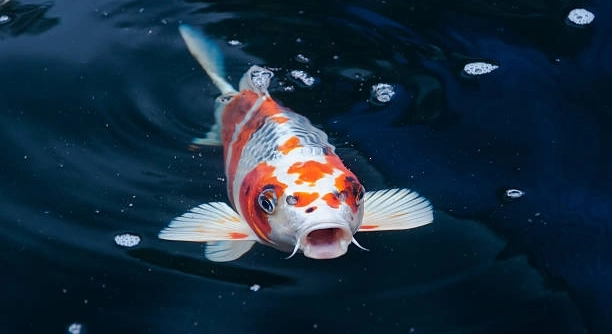
Koi fish often attract attention with their graceful movements and vibrant colors. Sometimes, these beautiful fish spend a lot of time near the bottom of their pond. Understanding why they linger there can help keep them healthy and happy.
Koi fish stay at the bottom mainly due to environmental conditions such as water temperature, oxygen levels, or health issues. They may rest there to conserve energy or avoid stress, which is a natural behavior seen in many pond fish species.
Knowing more about this behavior helps pond owners care better for their koi and maintain a balanced aquatic environment.
Common Reasons Koi Fish Stay at the Bottom
Koi fish often rest at the bottom of their pond for several reasons, many of which relate to their environment. Cooler water temperatures slow down their metabolism, causing them to be less active and spend more time near the bottom. Low oxygen levels can also make them stay down where the water might be calmer or have slightly better oxygen concentration. Sometimes, poor water quality or high ammonia levels cause koi to act lethargic and avoid swimming near the surface. Health issues such as parasites, infections, or swim bladder problems may also force koi to linger at the bottom. Observing these behaviors early can help pond owners take action before things get worse. Proper water testing and maintenance are essential for keeping koi comfortable and healthy. Regular feeding and avoiding sudden changes in the pond environment also reduce stress on the fish. Overall, paying attention to the pond’s conditions plays a big role in why koi act this way.
Koi fish at the bottom may also be resting or conserving energy, which is normal behavior during certain times of the day or year.
Knowing how to spot signs of illness or discomfort can make a big difference in koi care. Monitoring water temperature and quality consistently helps ensure your fish are thriving, not struggling. If you notice prolonged inactivity or other unusual behavior, consulting an expert can prevent bigger problems. Keeping a clean pond and balanced ecosystem supports your koi’s natural habits and promotes their wellbeing over time. Regular observation becomes an easy way to notice if anything changes. It also helps create a better space for koi to swim freely and enjoy their environment. Taking simple steps based on these signs can improve their health and lifespan significantly.
How Water Conditions Affect Koi Behavior
Water quality is one of the most important factors influencing koi fish behavior. When oxygen levels drop, koi may stay near the bottom where water movement can provide slight relief. Similarly, changes in pH or the presence of toxins like ammonia make fish less active. Cold water slows their metabolism, which naturally reduces swimming and feeding. This is why koi often linger at the bottom during cooler seasons. Filtration systems and aeration help maintain stable conditions, making the pond a more comfortable place. Regular testing for ammonia, nitrites, and pH is key to catching problems early. Even small fluctuations can impact koi behavior and health. Good pond maintenance includes removing debris and avoiding overfeeding, which can foul the water quickly. Clear, balanced water encourages koi to swim actively throughout the pond, not just near the bottom. Providing a healthy environment supports their natural patterns and energy levels.
In summary, keeping water clean and well-oxygenated helps koi feel safe and active. This prevents them from spending too much time at the bottom due to stress or discomfort.
Signs of Health Issues in Koi Fish
When koi fish stay at the bottom for long periods, it may signal health problems. Look for unusual behavior such as lethargy, loss of appetite, or erratic swimming. Physical signs like clamped fins, spots, or discoloration can also indicate illness.
Health issues in koi often show up as changes in their normal activity. Parasites or bacterial infections cause discomfort, leading fish to isolate themselves near the pond floor. Swim bladder problems affect buoyancy, making it hard for koi to swim properly. If koi gasp at the surface or rub against objects, this also suggests stress or disease. Early detection is important to avoid serious complications. Testing water quality and observing closely will help catch health problems early, allowing for timely treatment.
Stress from poor water conditions or overcrowding weakens koi immune systems, making them more prone to illness. Maintaining a clean, stable environment and feeding a balanced diet supports their health. Quarantining new fish before introducing them to the pond helps prevent disease spread. Regular checks on koi behavior and appearance are a simple but effective way to keep them healthy and happy.
The Role of Temperature in Koi Activity
Koi metabolism depends heavily on water temperature, affecting how much they move and where they stay. In colder water, koi slow down and often rest near the bottom to conserve energy. This is a natural response and helps them survive through cooler months.
Temperatures below 50°F (10°C) cause koi to enter a semi-dormant state, where they barely swim and eat less. As temperatures rise in spring and summer, koi become more active and spend more time swimming near the surface. Sudden temperature changes can stress fish, so gradual adjustments are best for pond health. Consistent monitoring of water temperature helps maintain a comfortable environment. Using pond heaters or shade can manage extreme weather effects, ensuring koi remain healthy year-round. Understanding these temperature effects allows for better care and reduces the chances of koi lingering unnecessarily at the bottom.
Oxygen Levels and Koi Behavior
Low oxygen levels in the pond cause koi to stay near the bottom, where water may be calmer but less oxygenated. This often happens during hot weather or when the pond is overcrowded.
Koi need good oxygen to swim actively. Poor aeration forces them to conserve energy by resting at the bottom.
Overfeeding and Its Effects
Overfeeding koi can pollute the water, causing oxygen depletion and poor water quality. Uneaten food breaks down, producing harmful waste that stresses the fish. Regular, moderate feeding helps maintain a healthier pond environment and keeps koi more active.
Preventing Bottom-Lingering Behavior
Maintaining clean water, proper feeding, and good aeration reduces koi’s need to stay at the bottom. Consistent care promotes healthy activity levels and overall fish wellbeing.
FAQ
Why do koi fish stay at the bottom of the pond all the time?
Koi may stay at the bottom for several reasons like cooler water, low oxygen, or health issues. They sometimes rest there to save energy or avoid stress. If the behavior lasts too long, it could mean the water quality isn’t good or the fish might be sick. Checking water conditions and observing for other symptoms can help figure out the cause.
Is it normal for koi to stay at the bottom during winter?
Yes, it’s normal. When water gets cold, koi slow down their metabolism and become less active. They rest near the bottom to conserve energy and survive through cold months. Feeding should be reduced or stopped in very cold water, as koi eat less or not at all during winter.
Can low oxygen cause koi to stay at the bottom?
Absolutely. Koi need oxygen-rich water to swim actively. When oxygen levels drop, usually in hot weather or crowded ponds, koi might stay near the bottom where the water feels calmer. Adding aerators or water plants can improve oxygen and encourage koi to swim more freely.
How can I tell if my koi is sick?
Look for signs like lethargy, loss of appetite, clamped fins, spots, or unusual swimming patterns. Rubbing against surfaces or gasping at the water surface also signals stress or illness. Early detection helps prevent serious problems, so watch your fish closely and test the water regularly.
Does overfeeding affect koi behavior?
Yes, overfeeding can pollute the water, causing poor oxygen levels and toxic buildup. This stresses koi and may lead them to stay at the bottom. Feed small amounts once or twice daily, removing any leftover food to keep the pond clean and fish healthy.
What role does water temperature play in koi activity?
Water temperature controls koi metabolism. Cold water slows them down, so they rest more at the bottom. Warm water increases activity and feeding. Sudden temperature changes cause stress, so maintaining stable conditions is important for their wellbeing.
Can swim bladder problems cause koi to stay at the bottom?
Yes, swim bladder issues affect buoyancy, making it hard for koi to swim or stay balanced. Affected fish may sink or float abnormally and prefer resting at the bottom. If you notice this behavior, it’s best to consult an expert for diagnosis and treatment.
How often should I test my pond water?
Testing once a week is ideal, especially for ammonia, nitrite, nitrate, pH, and oxygen levels. Regular testing helps spot problems early, allowing you to adjust filtration, aeration, or feeding before fish health is impacted.
Can overcrowding cause koi to stay at the bottom?
Overcrowding reduces oxygen and increases waste, stressing koi. Stressed fish may hide or rest at the bottom more often. Keeping an appropriate number of fish for your pond size improves water quality and helps koi stay active and healthy.
What are simple ways to improve koi pond conditions?
Regular cleaning, proper feeding, adding aeration, and monitoring water quality are key steps. Using aquatic plants can help balance oxygen and filter the water naturally. These actions support koi health and reduce bottom-lingering behavior.
Koi fish spending time at the bottom of the pond is a behavior that can mean many different things. Sometimes, it is just a natural part of their routine, especially when water temperatures are cooler or when they are resting to save energy. However, if koi linger too long at the bottom, it could signal an issue with their environment or health. Factors like water quality, oxygen levels, temperature changes, and possible illnesses all play a role in how koi behave. Paying attention to these details helps ensure that your fish remain comfortable and active in their pond.
Keeping the pond clean and well-maintained is one of the most important ways to support your koi’s health. Regular testing of water quality can prevent harmful conditions from developing, such as high ammonia or low oxygen. Proper filtration and aeration help keep the water fresh and balanced, encouraging koi to swim freely and avoid staying at the bottom for too long. Feeding should be done carefully to avoid leftover food, which can pollute the water. Overfeeding is a common mistake that often leads to poor water quality and unhealthy fish behavior. By managing these factors, koi are more likely to stay active and display their natural colors and movements.
Understanding koi behavior also means watching for signs of illness or stress. If your fish seem lethargic, lose interest in food, or show physical changes like spots or clamped fins, it’s important to act quickly. Early detection and treatment can prevent serious health problems. Creating a comfortable and stable environment for koi takes time and attention, but it is well worth the effort. Healthy koi contribute to a beautiful, peaceful pond that can be enjoyed for many years. Consistent care and observation are key to making sure your koi stay healthy, happy, and swimming near the surface rather than lingering at the bottom.

Hello,
If you enjoy the content that we create, please consider saying a "Thank You!" by leaving a tip.
Every little bit helps us continue crafting quality advice that supports the health, happiness, and well-being of pets around the world, for pets of all shapes, sizes, and species.
We really appreciate the kindness and support that you show us!