
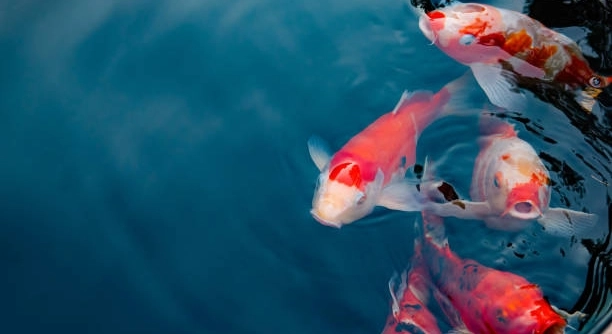
Koi fish are popular in ponds and gardens for their beauty and calm presence. Sometimes, koi may show signs of vision problems, which can affect their behavior and care. Recognizing blindness early is important for their well-being.
Blindness in koi fish can be identified through behavioral changes such as unresponsiveness to visual stimuli, bumping into objects, and cloudy or damaged eyes. These signs indicate impaired vision and require attentive care to maintain the fish’s health.
Knowing how to spot blindness in koi will help you provide better care and ensure a comfortable environment for your fish. This article will guide you through the key signs and what to watch for.
Common Causes of Blindness in Koi Fish
Koi fish can lose their sight for several reasons. Injuries from sharp pond objects or aggressive tank mates can damage their eyes. Infections, especially bacterial or fungal, often lead to cloudy or swollen eyes. Poor water quality contributes to eye irritation and disease, which may cause vision loss. Nutritional deficiencies also play a role; a lack of essential vitamins can weaken their eyesight over time. Sometimes, age is a factor as koi naturally develop vision problems as they grow older. Identifying the root cause helps in choosing the right treatment to prevent further damage and maintain their quality of life.
Environmental factors such as strong sunlight or poor filtration can worsen eye conditions. Regular pond maintenance minimizes these risks and protects your koi’s eyesight.
Knowing these causes is essential for proper care. Preventing blindness starts with a clean habitat, gentle handling, and balanced nutrition. Early intervention can improve recovery chances and avoid permanent damage.
Signs That Indicate Vision Problems
Koi with poor eyesight may behave differently from usual. They might bump into pond walls or decorations more often. Reduced reaction to movement or food approaching signals limited vision. You may notice cloudy, swollen, or damaged eyes that look unusual. Some koi appear lethargic or isolated from others in the pond. These behaviors suggest a need for closer observation and possibly a vet’s advice. Monitoring changes over time helps identify if vision is declining and when action is necessary.
How to Care for a Blind Koi Fish
Caring for a blind koi requires adjustments to their environment and routine. First, remove sharp or hard objects from the pond to prevent injuries. Make sure the water quality is excellent by testing regularly and performing timely changes. Feeding should be consistent and close to their usual spots to help them find food easily. Avoid sudden disturbances that can stress the fish since they rely more on senses other than sight. Sometimes, blind koi benefit from being housed separately to avoid accidental harm from other fish. Providing a calm and safe environment will help maintain their health despite vision loss.
Helping a blind koi adjust takes patience but improves their quality of life. Observing their behavior and consulting with an aquatic veterinarian can provide additional care tips. Supporting their needs ensures they remain comfortable and stress-free.
Diagnosing Blindness in Koi Fish
Physical examination of the koi’s eyes can reveal signs of blindness, such as cloudiness, discoloration, or visible damage. Observing their swimming patterns also helps detect vision issues when they repeatedly bump into objects or move hesitantly.
Using a well-lit environment, gently shine a light near the koi’s eyes to observe their response. A healthy koi will react by blinking or moving away, while a blind fish may show little to no reaction. Monitoring how they respond to hand movements or shadows over time provides further clues about their vision status.
If you notice symptoms, consulting a vet experienced with fish is important. They can perform more detailed tests and recommend treatments or care adjustments to support the koi’s health.
Preventing Blindness in Koi Fish
Maintaining excellent water quality is critical for preventing eye infections that lead to blindness. Regular testing and prompt correction of pH, ammonia, and nitrite levels reduce stress and risk of disease. Avoid overcrowding to limit injuries and aggressive behavior among fish. Feeding a balanced diet rich in vitamins supports overall eye health. Inspect pond decorations for sharp edges and remove anything that could harm the fish. Routine cleaning of filters and careful introduction of new fish also help minimize infection risks. Prevention focuses on creating a safe, stable environment that supports koi’s vision and general well-being.
Treating Eye Infections in Koi Fish
Eye infections often cause blindness in koi but can be treated if caught early. Antibiotic medications prescribed by a vet are usually effective. Prompt treatment prevents the infection from worsening and causing permanent damage.
Maintaining clean water and isolating infected fish helps control the spread of infections. Avoid overcrowding and ensure proper nutrition to support recovery.
Feeding Tips for Blind Koi
Blind koi rely on other senses to find food. Feeding in the same spot regularly helps them learn where to eat. Using sinking pellets instead of floating food prevents frustration and wasted feed.
Ensuring the food is nutrient-rich supports overall health and aids in maintaining their remaining senses.
Environmental Adjustments for Blind Koi
Removing sharp objects and obstacles from the pond reduces the risk of injury. Soft plants or decorations create a safer habitat. Keeping the water calm and avoiding sudden changes minimizes stress for blind fish.
Monitoring Health Progress
Regular observation helps detect changes in behavior or health. Keeping a record of symptoms and feeding habits assists in providing better care and timely interventions.
FAQ
How can I tell if my koi fish is completely blind?
Complete blindness in koi fish is usually indicated by a lack of response to visual stimuli. The fish may not react when you move your hand near the water or shine a light toward their eyes. They often bump into pond walls or decorations frequently. Cloudy, swollen, or damaged eyes can also signal total vision loss. Observing their swimming patterns and behavior over time will help confirm if they are completely blind.
Can blindness in koi fish be reversed?
In some cases, blindness caused by infections or injuries can be treated and partially reversed with proper care. Early detection and veterinary intervention are essential. If the cause is age-related or due to severe damage, blindness is usually permanent. Maintaining good water quality and nutrition can prevent further decline.
What are the common causes of eye cloudiness in koi?
Eye cloudiness often results from bacterial or fungal infections, poor water quality, or physical trauma. Nutritional deficiencies may also contribute. Cloudy eyes may indicate inflammation or ulcers. Regular water testing and prompt treatment of infections are necessary to avoid complications.
Should I isolate a blind koi fish?
Isolating a blind koi is recommended if other fish are aggressive or if the pond has many sharp objects. Isolation reduces stress and injury risk, giving the blind koi a safer environment. However, social interaction is important, so if the pond is calm and safe, isolation may not be necessary.
How can I make feeding easier for a blind koi?
Feed blind koi in consistent locations to help them find food easily. Use sinking pellets instead of floating ones to avoid frustration. Feeding smaller amounts more frequently encourages them to eat without competition. Patience and observation will help adjust feeding routines.
Can poor water quality cause blindness in koi?
Yes, poor water quality is a significant factor in causing eye infections and irritation that may lead to blindness. High ammonia or nitrite levels, unbalanced pH, and dirty water stress koi and damage their eyes. Regular water testing and maintenance are crucial for prevention.
Are certain koi breeds more prone to blindness?
No specific breed is known to be more prone to blindness. However, koi with long fins or protruding eyes may be more vulnerable to injuries. Proper care and environment reduce the risk regardless of breed.
How do I clean a koi’s eyes safely?
If a koi’s eyes appear dirty or cloudy, gently rinsing the pond water over them can help. Avoid using chemicals or harsh substances. If there is discharge or swelling, consult a vet before attempting any cleaning or treatment.
Is it normal for older koi to lose their sight?
Age-related vision decline is common in koi. As they get older, their eyes may become less clear, and responses to stimuli slow down. This is a natural process but can be managed with proper care and environment adjustments.
What should I do if I suspect blindness but see no visible eye damage?
Sometimes vision loss occurs without obvious signs on the eyes. Observe behavior closely for signs like bumping into objects or lack of response to food. If blindness is suspected, seek advice from an aquatic veterinarian for a thorough examination.
Can stress cause vision problems in koi fish?
Stress weakens a koi’s immune system, making it more vulnerable to infections that can affect the eyes. Stress from overcrowding, poor water conditions, or aggressive tank mates should be minimized to protect their vision and overall health.
Are there medications to improve koi eyesight?
There are no specific medications to restore eyesight. Treatment focuses on addressing infections, inflammation, or injuries that threaten vision. Vitamins and supplements can support eye health but do not reverse blindness.
How often should I check my koi for eye problems?
Regular daily observation is best. Check for unusual behavior or eye changes during feeding or pond maintenance. Early detection of issues allows prompt action and better outcomes for your koi.
Can blindness affect a koi’s lifespan?
Blindness itself does not necessarily shorten a koi’s life if proper care is given. However, blind koi are more prone to injury and stress, which can impact health. Creating a safe, stable environment helps blind koi live comfortably and longer.
Is it okay to keep blind koi in the same pond with sighted fish?
Yes, if the pond is spacious, calm, and free of hazards, blind koi can live alongside sighted ones. Monitor interactions to ensure no bullying or accidental harm occurs. Adjustments to the environment may be needed to protect the blind fish.
What are the best plants or decorations for a pond with blind koi?
Choose soft, rounded plants and decorations that pose little risk of injury. Avoid sharp rocks or objects that can cause damage. Floating plants can provide shade and reduce water glare, making the environment more comfortable for blind koi.
How can I support a blind koi’s mental well-being?
Provide a stable environment with gentle water flow and familiar surroundings. Avoid sudden changes or loud noises. Consistent feeding routines and gentle interaction reduce stress and help blind koi adapt to their condition.
Final Thoughts
Caring for a koi fish that may be blind requires patience and attention. Recognizing the signs early can make a significant difference in how well the fish adapts to its condition. Blind koi often rely on other senses such as touch and smell to navigate their environment and find food. Creating a safe and consistent habitat supports their well-being and helps reduce stress. Simple adjustments, like feeding in the same location and removing sharp objects from the pond, improve their quality of life. These small changes show respect for the fish’s needs while allowing them to live comfortably despite vision loss.
It is important to maintain good water quality and monitor the health of koi regularly. Eye problems in koi are often linked to infections, injuries, or poor water conditions. Taking care of these factors can prevent many eye-related issues and preserve the fish’s remaining vision. If blindness is suspected, consulting a vet with experience in aquatic animals is essential. Professional advice ensures the right treatment and care plan. While some causes of blindness cannot be reversed, ongoing care and adjustments help koi live a full life even with limited or no sight.
Blind koi fish still have much to offer and can thrive when their environment is suited to their condition. Their ability to adapt to blindness shows resilience, and providing the right support encourages this natural strength. Understanding the needs of blind koi also improves the experience of caring for them, allowing for a deeper connection and satisfaction in their companionship. With proper care, blind koi continue to be a valued part of any pond, contributing beauty and life even without sight.

Hello,
If you enjoy the content that we create, please consider saying a "Thank You!" by leaving a tip.
Every little bit helps us continue crafting quality advice that supports the health, happiness, and well-being of pets around the world, for pets of all shapes, sizes, and species.
We really appreciate the kindness and support that you show us!