
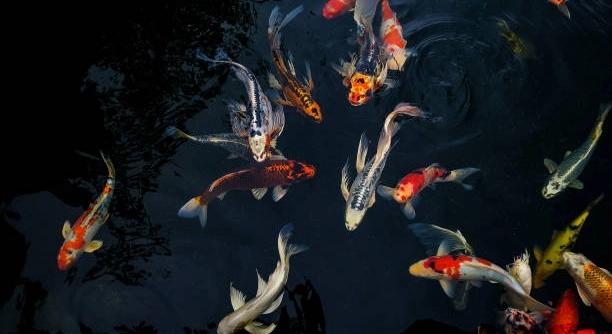
Do you ever find yourself watching your koi fish swim peacefully, only to notice them suddenly bumping into each other for no clear reason?
Koi fish bump into each other most commonly due to social behavior, mating rituals, or territorial disputes. These interactions are a normal part of koi communication and can range from playful nudges to more assertive contact.
Understanding the reasons behind this behavior can help you better care for your koi and create a safer, more peaceful pond environment.
Common Reasons Koi Bump Into Each Other
Koi fish often bump into each other due to natural behavior patterns. One of the main causes is spawning. During this time, males will chase and nudge females to encourage them to release eggs. This can seem rough but is a normal part of breeding. Another reason is competition for food. When you feed them, koi may rush toward the same area, leading to unintentional bumps. Some koi also show mild aggression to establish dominance, especially in crowded ponds. Lastly, if the water conditions are poor or visibility is low, koi might accidentally swim into each other more often than usual.
Sometimes, koi bump into each other simply because of their playful nature. They are curious fish and interact with their surroundings, including each other.
Observing the timing and patterns of these bumps can help you figure out if it’s a normal part of their day or a sign of stress. If the bumping is constant or seems forceful, it’s worth checking their environment. Make sure your pond is not overcrowded, and check for any changes in behavior during feeding or breeding seasons. You may also want to test the water to rule out any quality issues causing agitation or disorientation.
When Bumping Becomes a Problem
Bumping is not always harmless. If koi are bumping often and it seems aggressive, it might be a sign of discomfort or stress.
Water quality plays a major role in how koi behave. If the water has too much ammonia, is too warm, or lacks oxygen, koi may act out by swimming erratically or bumping into one another. Poor visibility due to murky water can also cause frequent contact. In some cases, parasites or skin irritation can make koi more sensitive, and they may rub against each other to relieve the discomfort. To help prevent these issues, clean your pond regularly, avoid overfeeding, and check your filtration system. Watching for torn fins, red patches, or missing scales can give you early signs of a deeper problem. If you’re unsure, it’s always a good idea to consult a pond specialist or vet who knows fish behavior.
How to Tell Normal from Problematic Bumping
Most normal bumping looks brief and gentle. It often happens during feeding or spawning and doesn’t lead to injuries. If your koi seem relaxed afterward and return to regular swimming, there’s usually nothing to worry about.
If the bumping is persistent, forceful, or followed by torn fins or missing scales, it may be more serious. You should watch for other signs like flashing, hiding, or reduced appetite. These behaviors can signal that your koi are stressed or unwell. Check for parasites, sudden changes in water temperature, or crowding. Bumping that’s constant and aggressive, especially outside of feeding or mating, should be investigated further. Keeping a record of when it happens can help you pinpoint a cause. If things seem off, test the water and observe your koi for any physical changes.
Problematic bumping often happens when the environment is not right for your koi. Poor water conditions can make them irritated or confused, leading to more contact with others. If your pond is too small or lacks enough hiding spots, koi may also feel unsafe and show more aggressive behavior. Feeding time can also cause issues if food is limited or scattered in one area. This can increase the chance of bumping as they rush to eat. Try spreading out food and ensuring enough room for all your fish to swim comfortably.
Ways to Reduce Stress in Your Pond
One of the easiest ways to lower stress is to improve water quality. Make sure ammonia, nitrites, and pH levels are in a healthy range. Clear water helps koi swim better and avoid unnecessary contact.
Adding more space or hiding spots like plants, tunnels, or floating shelters can help koi feel secure. This gives them the option to rest away from more dominant fish. Feeding should be calm and steady—avoid throwing food all at once in a single area. Instead, spread it around to reduce crowding. Also, avoid sudden changes in water temperature or large cleanings that shift the balance too quickly. Introducing new koi should be done slowly with a proper quarantine process. Keeping a regular maintenance schedule will help create a calm, balanced pond where your koi can swim freely without bumping into each other out of stress. A little attention goes a long way.
Feeding Time and Its Effects
When food is tossed into the pond, koi often rush toward it. This sudden movement can lead to bumping, especially in smaller ponds. It’s not always aggressive—just a mix of excitement and limited space.
To prevent this, try spreading the food out in different spots. This gives each koi room to eat without rushing into others. It also helps slower or smaller koi get their share without being pushed aside. Feeding calmly and at regular times makes a difference.
What to Watch for in Group Behavior
Some koi naturally take on dominant roles, especially in smaller groups. They may be more active during feeding or try to control certain areas of the pond. If this behavior becomes too rough or others start hiding, it’s time to adjust the environment. Adding more space, shelters, and feeding areas can help reduce tension and allow all your koi to interact in a more balanced way.
When to Talk to a Vet
If your koi are bumping often and showing signs of injury or illness, it’s a good idea to contact a vet who knows fish health. They can check for infections, parasites, or other issues that might not be visible.
FAQ
Why do koi fish bump each other more during spawning season?
During spawning, male koi nudge females to encourage egg release. This behavior is a natural part of reproduction and can look rough but usually isn’t harmful. The bumping helps stimulate the female to release eggs and spread sperm. It’s temporary and mostly happens in spring or early summer when the water warms up.
Is it normal for koi to chase each other around the pond?
Yes, chasing is a common behavior, especially among males. It can be part of mating rituals or establishing social order. While it might look aggressive, it often helps koi sort out their hierarchy. However, if chasing becomes too frequent or causes injury, it could be a sign of stress or overcrowding.
Can overcrowding cause koi to bump into each other more?
Absolutely. When there are too many fish in a pond, space becomes limited, and koi have less room to swim freely. This leads to more accidental or intentional bumping. Overcrowding also increases stress, which can make koi more aggressive or restless. Ensuring enough space and hiding spots reduces this behavior.
How can I tell if the bumping is hurting my koi?
Check for signs like torn fins, missing scales, red marks, or unusual behavior like hiding or lethargy. If bumping causes physical damage or stress, it’s important to act quickly. Poor water quality or illness may also contribute to aggressive bumping, so regular water tests and observation are key.
Does poor water quality make koi bump more often?
Yes, poor water quality can cause koi to act restless or irritated, increasing bumping and rubbing behaviors. High ammonia, nitrites, or extreme pH levels stress fish and can lead to aggressive or erratic swimming. Keeping your pond clean and balanced helps prevent this.
What should I do if my koi are constantly bumping and showing aggression?
First, test your water to make sure it’s clean and well-balanced. Check the pond for overcrowding and add more space or hiding spots if needed. Spread out feeding areas to reduce competition. If behavior doesn’t improve or injuries appear, consult a pond expert or fish vet for advice.
Is bumping a way koi communicate?
Yes, bumping is one of several ways koi communicate. They use physical contact to establish dominance, show affection, or signal readiness to breed. It’s a natural part of their social behavior, but context and intensity matter when deciding if it’s healthy.
Can feeding habits affect how much koi bump each other?
Feeding is a common time for bumping because koi rush to get food. If food is given all at once or in one spot, koi compete aggressively. Spreading food out and feeding calmly reduces crowding and bumping, making feeding time less stressful for all fish.
Are there any koi breeds more likely to bump each other?
While all koi can bump, some more active or territorial breeds may do it more often. However, behavior is more influenced by pond conditions, fish number, and social dynamics than breed alone. Proper pond management can minimize bumping regardless of breed.
How long does bumping behavior usually last?
Bumping related to spawning or feeding is usually short-term, lasting minutes to hours. If bumping goes on for days or weeks, it may signal a problem with the environment, health, or social balance that needs attention. Monitoring behavior daily helps catch issues early.
Final Thoughts
Koi bumping into each other is a normal part of their behavior, especially during feeding and spawning times. This contact can be gentle and brief, serving as a way for koi to communicate or interact socially. Most of the time, bumping is not a sign of trouble, but rather a natural behavior you can expect to see in a healthy pond. It shows that your koi are active and interacting with their environment and each other.
However, it is important to keep an eye on how often and how strongly your koi bump into each other. When bumping becomes constant or aggressive, it might mean your pond conditions need improvement. Factors like overcrowding, poor water quality, or limited hiding spots can increase stress and cause koi to behave differently. Stress can lead to health problems and injuries, so taking steps to keep your pond balanced and clean is essential for your fish’s well-being. Simple changes, like spreading out feeding spots or adding plants and shelters, can make a big difference.
Overall, understanding why koi bump into each other helps you provide better care. Watching their behavior closely and knowing what to look for allows you to keep your pond environment healthy and peaceful. If problems arise, addressing them quickly will help your koi stay happy and avoid unnecessary stress. Keeping a calm, well-maintained pond is the best way to ensure your koi thrive and enjoy their space without too much bumping or conflict.

Hello,
If you enjoy the content that we create, please consider saying a "Thank You!" by leaving a tip.
Every little bit helps us continue crafting quality advice that supports the health, happiness, and well-being of pets around the world, for pets of all shapes, sizes, and species.
We really appreciate the kindness and support that you show us!