
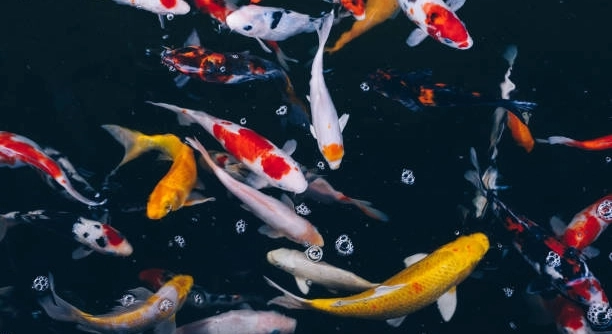
Koi fish are beautiful additions to any garden pond, but herons often see them as easy prey. Keeping koi safe requires understanding how herons hunt and finding ways to protect your fish from these birds.
Effective protection methods include using physical barriers like netting, creating hiding spots within the pond, employing scare tactics, and adjusting pond design. These strategies reduce heron access and help ensure the safety of koi fish.
Knowing how to protect your koi from herons will improve your pond’s harmony and keep your fish thriving for years to come.
Using Netting to Protect Your Koi Fish
One of the most effective ways to keep herons away from your koi pond is by using netting. Netting acts as a physical barrier that prevents birds from reaching the fish. It’s important to choose strong, durable netting that can withstand weather conditions and the weight of birds. When installing the net, make sure it is stretched tightly and covers the entire pond surface without gaps. This will stop herons from sneaking in. Some people use poles to hold the net above the pond, creating enough space so the koi can swim freely underneath. Although netting requires some maintenance and careful setup, it offers reliable protection without harming the herons or the fish. Using netting is a straightforward method that many pond owners trust for peace of mind.
Netting is a practical and safe option to keep herons from catching koi.
In addition to protecting koi, netting helps reduce pond debris by keeping leaves and other materials out. It’s also easy to remove for pond cleaning or maintenance. By using netting, you create a safe environment where your fish can swim without fear, and you won’t have to worry about constant heron visits. This simple step can save your koi population from stress and injury.
Creating Hiding Spots in Your Pond
Adding plants, rocks, and deep areas gives koi places to hide from herons.
Hiding spots reduce fish visibility and make it harder for herons to catch them. Aquatic plants like lilies and tall grasses offer cover and shade, while submerged rocks provide shelter. Deep parts of the pond give koi a refuge where herons can’t reach. These natural elements not only protect your fish but also improve pond health by adding oxygen and filtering water. Arranging your pond thoughtfully with plenty of cover keeps koi safer and makes the pond more attractive. Creating hiding spaces takes some planning but greatly lowers the risk of heron attacks. It helps koi feel secure and reduces their stress, which is important for their wellbeing. Incorporating hiding spots is a natural and gentle way to protect your fish while enhancing your pond’s beauty.
Scare Tactics to Deter Herons
Visual deterrents can discourage herons from visiting your pond. Items like reflective tape, decoy owls, or shiny objects work well to startle birds and make them wary of the area.
Using scare tactics requires regular changes to keep herons from getting used to them. Reflective tape moves in the wind and flashes light, which can confuse herons. Decoy predators such as plastic owls or hawks create a sense of danger. Some pond owners use motion-activated sprinklers that spray water when a bird approaches, which is very effective. Combining several scare devices can increase success because herons become less likely to return if the environment feels unsafe. However, these methods need ongoing attention to remain effective.
Scare tactics are helpful but should be part of a broader plan to protect koi. Consistency and variation are key to keeping herons at bay.
Adjusting Pond Design to Protect Koi
Design elements can make a pond less attractive to herons. Shallow edges and open spaces invite herons, so deeper areas and fewer access points help keep fish safe.
Creating a pond with steep banks or adding barriers around the edges makes it harder for herons to wade in. Deeper water allows koi to swim out of reach quickly. Avoid wide, flat areas where herons can stand easily. Including plants near the edges helps block the view and creates a natural shield. Thoughtful pond design not only improves fish safety but also supports a healthier aquatic environment. Careful planning can reduce heron visits by limiting easy hunting spots. Over time, herons learn to avoid ponds where catching fish is difficult. Adjusting pond layout is a long-term way to protect koi without constant intervention.
Motion-Activated Sprinklers
Motion-activated sprinklers are effective at startling herons and keeping them away from your pond. They spray water automatically when they detect movement nearby, which discourages birds without harming them.
These sprinklers can cover large areas and are easy to install. They also help keep other unwanted wildlife away, making your pond safer overall.
Pond Lighting
Adding lighting around your pond can deter herons during early morning or late evening hours. Bright lights make the area less attractive to birds that prefer quiet, dim conditions for hunting.
Properly placed lights also improve visibility for monitoring your koi and add aesthetic value to your garden.
Remove Food Sources
Eliminate extra food that may attract herons, like uneaten fish food or nearby small animals. Overfeeding koi can lead to leftover pellets that draw birds.
Keeping the pond clean and managing fish feeding habits reduces the chance of herons visiting frequently.
How can I tell if herons are targeting my koi pond?
If you notice missing fish, scattered feathers, or footprints near the pond’s edge, herons may be visiting. You might also see herons standing quietly by the water early in the morning or at dusk, watching for fish. Fish behaving nervously or hiding more than usual can be another sign of heron presence. Checking for signs regularly helps catch problems early.
Are netting and scare tactics enough to keep herons away permanently?
Netting provides a strong physical barrier that works well long-term. Scare tactics can be effective but may lose impact over time as herons get used to them. Combining these methods and changing scare devices regularly improves results. It’s best to use multiple protection strategies together for consistent koi safety.
Will scare tactics harm herons or other wildlife?
Most scare devices, like reflective tape or decoy predators, are designed to deter without causing harm. Motion-activated sprinklers spray water, which startles but does not injure birds. These humane methods encourage herons to leave naturally without affecting the local ecosystem negatively.
Can pond design alone prevent herons from hunting koi?
While pond design helps, it’s rarely enough by itself. Deep water, steep edges, and plant cover reduce heron access but don’t guarantee protection. Combining design with physical barriers and deterrents offers better security. Adjusting the layout makes your pond less appealing but should be paired with other methods.
How often should I check or replace netting?
Netting should be inspected regularly for tears or sagging, especially after storms or strong winds. Replace damaged sections promptly to maintain protection. Depending on the material quality, netting may last several years but requires seasonal checks to ensure it remains effective.
Is it safe to use motion-activated sprinklers in cold weather?
Some sprinklers can freeze or get damaged if used in freezing temperatures. Check the manufacturer’s guidelines before winter. If cold weather is common, it’s better to remove the sprinkler during winter months or use models designed for year-round outdoor use.
How do plants protect koi from herons?
Plants provide natural cover that hides koi from heron sightlines. Tall grasses, water lilies, and submerged plants create shaded areas where fish can retreat. This cover lowers stress for the fish and makes it harder for herons to spot and catch them, improving overall koi safety.
Can feeding koi less often reduce heron visits?
Yes. Overfeeding leaves uneaten food on the surface, attracting herons and other wildlife. Feeding koi only what they can eat in a few minutes reduces leftover pellets, making the pond less appealing to herons searching for easy meals.
Are there any natural predators I can use to keep herons away?
Using real predators is risky and not recommended. Instead, decoy predators like plastic owls can scare herons. Actual animals can harm your koi or disrupt the pond’s balance. Humane deterrents are safer and more effective over time.
How long does it take for herons to stop visiting once protective measures are in place?
It varies depending on the herons’ behavior and the methods used. Some birds leave after a few days of ineffective hunting, while others may take weeks to give up. Consistency and variety in deterrents speed up this process. Patience is key to long-term success.
Can herons carry diseases that affect koi?
Herons themselves usually don’t transmit diseases directly to koi, but their presence can increase stress on fish, making them more vulnerable to illness. Additionally, heron droppings can introduce bacteria to the pond, so keeping herons away also helps maintain water quality.
Is it possible to train herons to avoid my pond?
Herons are wild animals and don’t respond to training like pets. However, persistent deterrents that make the pond environment uncomfortable or unsafe will encourage them to move on. The goal is to create a situation where herons prefer other hunting spots naturally.
What is the best time to implement protection measures?
It’s best to start protection early in the season, before koi become active and herons begin hunting regularly. Early prevention reduces fish stress and avoids losses. If herons are already visiting, apply multiple methods quickly to regain control.
Can fish shelters or tunnels help protect koi?
Yes. Fish shelters, tunnels, or PVC pipes placed underwater give koi safe hiding spots where herons cannot reach. These structures provide a sense of security and reduce fish exposure, lowering the risk of being caught.
Are there any chemical repellents for herons?
No safe, effective chemical repellents exist for herons. Using chemicals could harm koi and other pond life. It’s best to rely on physical barriers and natural deterrents for safe and humane protection.
Should I remove heron nests near my pond?
Removing heron nests may not be legal in many areas due to wildlife protection laws. Instead, focus on protecting your pond and making it unattractive for hunting. Consult local regulations before taking any action regarding nests or birds.
Protecting your koi fish from herons takes a combination of patience and effort. Herons are natural hunters, and ponds with visible fish can easily attract them. Using several methods together, like netting, creating hiding spots, and adding scare tactics, offers the best chance to keep your koi safe. Each pond is different, so what works well in one place may need some adjustment in another. Observing your pond regularly and adjusting your protective measures helps you find the right balance between fish safety and maintaining a natural, peaceful pond environment.
It’s important to choose solutions that do not harm the herons or other wildlife. Physical barriers like netting create a simple, effective block that prevents herons from reaching the fish. Scare devices like reflective tape or motion-activated sprinklers make the area uncomfortable for birds, encouraging them to move on. Planting tall grasses and water lilies provides natural cover for koi, helping them feel safe and hidden. Combining these approaches creates a friendly yet secure environment for your koi, reducing stress on the fish and improving their overall health.
Consistency is key to long-term success. Herons can become used to scare tactics if they never change, so it’s a good idea to rotate or update deterrents regularly. Checking for damage to netting and maintaining plants ensures protection stays strong. Overfeeding fish should be avoided because leftover food attracts herons. By taking time to understand heron behavior and carefully applying protection methods, you can enjoy a beautiful, healthy pond where your koi can thrive without worry. Keeping your pond safe from herons is an ongoing task, but the effort pays off in the well-being of your fish.

Hello,
If you enjoy the content that we create, please consider saying a "Thank You!" by leaving a tip.
Every little bit helps us continue crafting quality advice that supports the health, happiness, and well-being of pets around the world, for pets of all shapes, sizes, and species.
We really appreciate the kindness and support that you show us!