
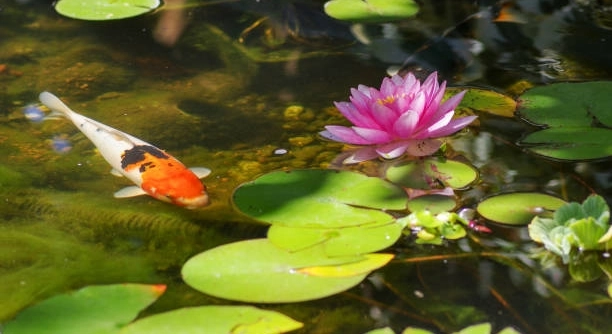
Do you ever find yourself tossing extra food into your koi pond, thinking a little more won’t hurt them? Overfeeding may seem harmless, but it can lead to serious issues for your koi and their environment.
Overfeeding koi can cause a range of problems, including poor water quality, obesity, liver damage, and reduced immunity. It can also encourage algae growth and bacterial outbreaks, ultimately compromising the health of both the fish and the pond.
Learning how overfeeding affects your koi helps prevent long-term issues and keeps your pond clean, balanced, and healthy all season long.
Poor Water Quality
Feeding koi too much causes leftover food to sink and decay, quickly affecting the water’s balance. The excess waste increases ammonia and nitrite levels, making it harder for koi to breathe and causing stress. This also reduces oxygen, especially during warm weather. Harmful bacteria thrive in this kind of environment, weakening koi and damaging their gills. Filter systems may also struggle to keep up, further worsening the issue. The water might start to look cloudy or smell bad, both signs that the pond is under stress. Overfeeding not only affects the fish, but the entire pond ecosystem.
When water quality declines, koi may become lethargic and more prone to illness. Poor conditions can also slow down their growth and lead to long-term damage.
Keeping feeding under control is one of the easiest ways to maintain good water quality. Clean water helps koi stay active and healthy year-round.
Obesity and Health Issues
Overfed koi can become overweight, which puts pressure on their organs and weakens their immune systems. This makes them more likely to get infections and other health problems that are harder to manage over time.
Obesity in koi isn’t always obvious, but it usually develops over time with consistent overfeeding. Fat builds up around their internal organs and can even affect their ability to swim. They may appear bloated or move less than usual. With time, this can lead to fatty liver disease, which is common in overfed koi. The liver becomes unable to function properly, and koi may lose their appetite or energy. Their scales might also show signs of stress or begin to discolor. Reducing food intake and providing proper nutrition is key to reversing these problems. Offering balanced meals in smaller amounts helps koi digest food efficiently and maintain their overall health.
Digestive Problems
Koi have sensitive digestive systems, and too much food can slow everything down. Uneaten food or hard-to-digest ingredients often sit in their gut, leading to bloating, constipation, or internal blockages. These issues can make koi uncomfortable and impact their overall energy levels.
Feeding koi more than they need causes waste to build up inside their bodies. Instead of processing nutrients properly, the fish end up struggling with sluggish digestion. This can lead to visible swelling in the abdomen or odd swimming behavior. Koi may also become uninterested in eating or show signs of distress. Offering too much food in cold water, when their metabolism slows, makes things worse. Switching to easily digestible food during these times can help. If problems continue, koi may need time in a separate tank with warmer, clean water to recover. Adjusting feeding amounts and frequency usually prevents these issues from starting.
Portion control plays a major role in supporting koi digestion. Feeding small amounts that can be eaten within five minutes is a good rule. Also, using high-quality food designed for koi helps reduce excess waste and supports gut health. Keeping the feeding schedule consistent and observing their behavior after meals can help identify problems early on.
Algae Growth
Overfeeding koi causes extra nutrients to collect in the water. When uneaten food and fish waste increase, so do phosphorus and nitrogen levels. This encourages algae blooms, which can make the water green and reduce clarity. Algae can quickly cover the pond’s surface and block light.
When algae take over, the pond becomes less stable. During the day, algae produce oxygen, but at night, they consume it. This leads to sudden drops in oxygen levels, putting koi at risk. Some algae types also release toxins that irritate fish skin and gills. Heavy algae blooms make filters work harder, leading to more frequent maintenance. Overfeeding is one of the easiest ways to trigger this imbalance. Skimming out leftover food, sticking to strict feeding portions, and maintaining good water movement all help prevent algae problems. Limiting overfeeding is an important step in keeping both your koi and pond water safe and clean.
Weakened Immune System
Too much food leads to stress in koi, and stress weakens their immune system. This makes them more likely to get infections, parasites, or fungal diseases. Over time, recovery becomes harder and requires more attention and care.
When koi are overfed, their bodies use energy to manage excess nutrients instead of fighting off illness. This leaves them vulnerable to health problems that could have been avoided with proper feeding habits.
Behavioral Changes
Koi that are overfed may lose interest in exploring or interacting with others. They often become sluggish or stay near the surface, waiting for more food. These changes can reduce their quality of life and signal underlying issues.
Filter Overload
Feeding koi too much creates more waste than the pond’s filter system can handle. Filters become clogged with leftover food and fish waste, reducing water circulation and oxygen levels. This buildup lowers water quality and puts added stress on the entire pond system. Regular cleaning becomes more frequent, and the risk of mechanical failure increases.
Shorter Lifespan
Overfeeding koi can shorten their lifespan by causing long-term damage to organs and weakening their overall health. Balanced feeding helps them live longer, healthier lives.
FAQ
How often should I feed my koi?
Feed adult koi once or twice a day during warmer months when they are most active. In cooler temperatures, reduce feeding to once every other day or stop entirely if the water drops below 50°F (10°C). Koi digest food slowly in cold water, and continuing to feed them in low temperatures can cause digestion issues and harm their health. For growing juveniles, more frequent feeding may be needed, but portions should stay small. Always feed only what they can eat within five minutes to avoid overfeeding and leftover waste in the pond.
How do I know if I’m overfeeding my koi?
If food remains uneaten after five minutes, it’s a clear sign you’re giving them too much. Cloudy water, algae growth, or sluggish behavior are also signs of overfeeding. You might notice your filter clogging more often or unpleasant smells coming from the pond. A bloated appearance or visible waste in the water are other warning signs. Watch your koi’s behavior closely. If they stop showing interest in food or act differently after feeding, reduce the amount and monitor the pond’s condition.
Can overfeeding affect the pond even if the koi seem healthy?
Yes. Even if your koi appear fine, excess food still impacts water quality. Leftover food and waste break down into ammonia and other toxins, which can stress the fish and lead to future problems. Algae blooms, oxygen drops, and clogged filters often result from long-term overfeeding. It’s important to maintain balance even when your fish don’t show immediate signs of trouble. Healthy-looking koi can still be affected by unseen water issues.
What kind of food is best for koi?
Choose high-quality pellets made specifically for koi. These are designed to meet their nutritional needs and are easier for them to digest. Look for ingredients like fish meal, wheat germ, and vitamins. Avoid cheap fillers like corn or low-quality grains, which can cause digestive issues. Seasonal formulas, such as wheat germ-based food in cooler weather, help koi process nutrients properly. Floating pellets are best because they let you watch your koi eat and remove any uneaten food before it sinks.
Is feeding koi treats okay?
Feeding treats is fine in moderation. Koi enjoy watermelon, peas, orange slices, and leafy greens. Make sure treats are cut into small pieces and offered no more than once or twice a week. Avoid anything oily, salty, or high in sugar. Treats should never replace their regular balanced diet. Watch how your koi respond to treats and remove any uneaten portions after a few minutes.
Can koi starve if I feed them less?
No. Koi can go several days without food, especially in colder water when their metabolism slows down. They’ll graze on algae or small organisms in the pond if needed. Feeding less won’t harm them as long as they’re healthy and the pond is balanced. In fact, feeding too much causes more harm than feeding too little. Just keep an eye on their activity and appearance, and adjust portions based on water temperature and season.
What should I do if I’ve been overfeeding?
Stop feeding for a few days to let the water quality recover. Remove uneaten food, clean the filters, and test the water parameters. Resume feeding in smaller portions once the water is stable. Monitor your koi for signs of stress or illness. If any look bloated, act sluggish, or have trouble swimming, consider separating them into a clean tank for observation. Going forward, stick to a regular feeding schedule and avoid giving in when they beg for more. Consistency will help keep them healthy.
Final Thoughts
Overfeeding koi might seem harmless at first, but it can cause serious problems for both the fish and their pond. Too much food leads to dirty water, low oxygen, clogged filters, and extra waste. These conditions affect the fish’s health and stress their bodies over time. Even if the koi look fine, the pond itself may show signs of trouble, such as algae growth or cloudy water. Problems like infections, bloating, and poor water quality are all connected to feeding more than necessary. A clean, balanced environment always starts with proper feeding habits.
Feeding koi should be a simple part of daily care. The key is to feed them only what they can eat in about five minutes and adjust the amount depending on the season. When the water is warm, koi are more active and can handle food better. During colder months, their digestion slows down, and feeding should be reduced or stopped altogether. Using quality food and limiting treats helps support their digestion and keeps the pond from becoming overloaded with waste. Sticking to this approach will reduce the risk of common issues and help koi stay active and alert.
It’s easy to assume that feeding koi more means they are happier or better cared for, but that isn’t the case. Their needs are simple, and giving them too much can lead to long-term damage. Observing their behavior and watching for signs like uneaten food, bloated bodies, or filter problems can help catch overfeeding early. Making small changes in your routine—such as measuring food, watching feeding times, and keeping an eye on water quality—can make a big difference. In the end, the goal is to create a healthy, stable pond where koi can grow, swim, and thrive without the added risks caused by overfeeding.

Hello,
If you enjoy the content that we create, please consider saying a "Thank You!" by leaving a tip.
Every little bit helps us continue crafting quality advice that supports the health, happiness, and well-being of pets around the world, for pets of all shapes, sizes, and species.
We really appreciate the kindness and support that you show us!