
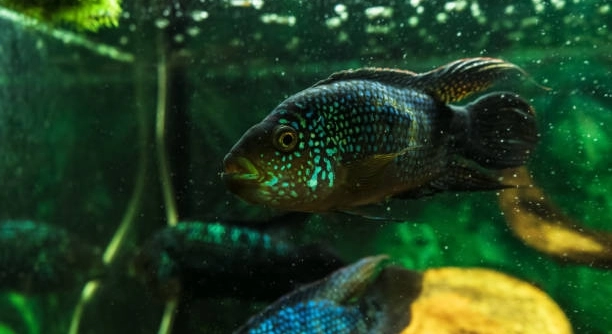
Jack Dempsey fish are popular in home aquariums for their bright colors and lively personalities. They can be aggressive and highly territorial, often moving quickly through the tank. Owners sometimes notice them striking the glass suddenly.
Jack Dempsey fish sometimes slam into glass due to territorial behavior, stress, or poor reflection awareness. Their aggression and fast movements, combined with confusion over reflections, cause collisions that can appear sudden and damaging within their confined environment.
Understanding these behaviors can help you create a safer tank setup. Small changes can prevent stress and reduce the risk of your fish injuring itself.
Understanding Jack Dempsey Behavior
Jack Dempsey fish are naturally aggressive and territorial, especially in smaller tanks. They often claim areas as their own and react strongly to any perceived intrusion. Rapid movements and sudden lunges are normal behaviors, but these can cause accidental collisions with the aquarium glass. Stress can also increase these incidents. Bright lights, sudden noises, or new additions to the tank can startle them, making them dash toward walls. Reflections on the glass can confuse them into thinking another fish is invading their space. Over time, repeated collisions may injure their heads or scales, which can lead to infections if not monitored. Owners often notice patterns, such as slamming happening near certain areas of the tank, or during feeding time. Observing these behaviors closely can help identify triggers and reduce risk. Small environmental adjustments often make a significant difference in their comfort and safety.
Keeping the tank spacious and free of clutter helps minimize stress and accidents.
Providing hiding spots and managing light and noise can improve their overall behavior and reduce glass collisions.
Preventing Glass Collisions
Using a tank background or decals can reduce reflections, calming the fish and limiting unnecessary aggression.
Tank size plays a critical role in behavior management. A crowded or small tank increases stress and territorial disputes, making collisions more frequent. Jack Dempseys benefit from larger aquariums where they have enough space to swim freely and establish their own territories. Hiding spots like rocks, plants, or caves give them areas to retreat, lowering stress levels and aggressive outbursts. Consistent lighting schedules help the fish feel secure and reduce startling. Feeding practices also matter; offering food at regular intervals prevents sudden rushes that can lead to collisions. Monitoring water quality is equally important. Poor water conditions can increase agitation and erratic movements. Temperature fluctuations or unclean water can worsen their behavior, so maintaining stable, appropriate conditions is key. Observing your fish and adjusting the environment as needed creates a safer tank. Over time, these measures reduce injuries and improve the overall health and comfort of Jack Dempsey fish.
Tank Setup Tips
A well-organized tank reduces stress and accidents. Clear swimming space and secure decorations keep Jack Dempseys from slamming into glass. Plants, rocks, and caves provide safe hiding spots.
Proper tank size is essential for Jack Dempsey fish. A small tank limits movement and increases aggression, causing frequent collisions. Ideally, a single adult should have at least 55 gallons, with more space for multiple fish. Decorations should be placed carefully to avoid creating sharp corners or obstacles near the glass. Soft substrates and rounded edges reduce injury risk if a fish does collide. Keeping water conditions stable also helps the fish feel secure, reducing frantic movements and stress-induced slamming. Observing how your fish interacts with its environment allows you to make small adjustments that have big effects.
Positioning decorations to allow open swimming paths helps fish navigate safely. Avoid overcrowding and make sure hiding spots are easily accessible.
Feeding and Daily Care
Feeding consistently prevents sudden bursts of movement. Jack Dempseys rush for food when hungry, which can lead to glass collisions.
Providing a varied diet keeps them healthy and reduces aggression. Live or frozen foods, supplemented with pellets, give essential nutrients and prevent competition. Feeding smaller amounts more frequently helps control their energy and reduces frantic dashes across the tank. Removing uneaten food prevents water quality issues, which can stress the fish and increase erratic behavior. Observing their behavior during feeding also shows if they are comfortable and relaxed or overly aggressive. A calm feeding routine reduces accidents and helps maintain overall tank harmony.
Daily observation of water conditions and fish behavior helps detect early signs of stress or illness. Consistency in care lowers collision risks and keeps Jack Dempseys healthier.
Reducing Stress in the Tank
Keeping water clean and stable helps Jack Dempseys feel secure. Regular water changes prevent sudden changes that can startle them.
Adding hiding spots and gentle lighting creates a calmer environment. Fewer sudden movements around the tank also lower stress and reduce glass collisions.
Monitoring Aggression
Observing how your fish interacts with others can prevent injuries. Aggressive behavior often increases when territories overlap or when fish feel threatened. Separating overly aggressive fish or providing extra hiding spaces allows each fish to feel safe. Tracking patterns, such as certain times of day or feeding moments, helps you anticipate and reduce conflict. Even minor adjustments, like repositioning decorations or adding visual barriers, can make a noticeable difference in reducing slamming incidents and maintaining harmony in the tank.
Handling Injuries
Minor scrapes heal quickly with clean water and calm conditions. Regularly check your fish for signs of damage.
FAQ
Why does my Jack Dempsey keep hitting the glass even though the tank is big enough?
Even in larger tanks, Jack Dempseys may slam into glass due to reflections, stress, or sudden movements. They can mistake their reflection for another fish or feel startled by shadows or vibrations outside the tank. Ensuring decorations break up reflective surfaces and keeping a consistent environment helps reduce collisions.
Can Jack Dempseys hurt themselves by hitting the glass?
Yes, repeated collisions can cause scrapes, scale loss, or even more serious injuries. If a fish injures itself, it may become more prone to infections. Monitoring the fish after an incident and keeping water clean supports faster healing. Soft substrates and rounded decorations also help reduce injury risk.
How can I prevent my fish from hitting the glass?
Position decorations and plants to create natural boundaries. Avoid clear glass in front of strong light sources that create reflections. Providing hiding spots and maintaining a consistent routine for feeding and lighting helps the fish feel secure and reduces stress-driven slamming.
Do certain tank mates increase glass collisions?
Yes, aggressive or overly active tank mates can trigger territorial behavior. Jack Dempseys may feel threatened and respond by lunging at perceived intruders, including their reflection. Choose compatible species and provide separate spaces for each fish to reduce aggression.
Does water quality affect this behavior?
Poor water conditions can increase stress, making fish more erratic. High ammonia, nitrite, or nitrate levels, as well as sudden temperature changes, can provoke rapid movements and glass collisions. Keeping water parameters stable is critical for calmer behavior.
Will reflections always cause my Jack Dempsey to slam into glass?
Not always, but reflections are a common trigger. Jack Dempseys can become accustomed to mirrors or transparent areas over time, especially when they have ample space and hiding spots. Reducing reflective surfaces usually lowers these incidents significantly.
Can feeding routines influence collisions?
Yes, irregular feeding can cause frantic dashes, especially if the fish is very hungry. Offering smaller, frequent meals and feeding in consistent locations reduces sudden bursts of movement that might lead to hitting the glass. Removing uneaten food also keeps water clean and calm.
Should I separate my Jack Dempsey if it keeps hitting the glass?
Separation is only needed if aggressive behavior is extreme or if repeated collisions cause injuries. Often, minor adjustments in tank setup, lighting, and hiding spots solve the problem without isolating the fish. Observing behavior closely helps determine the best approach.
Can injuries from glass collisions be treated naturally?
Yes, clean water, stable conditions, and minimal stress allow minor scrapes or scale loss to heal naturally. Avoid medicating unless infections develop. Adding gentle hiding spots ensures the fish stays calm and recovers faster.
Is this behavior normal for all Jack Dempseys?
Some Jack Dempseys are more prone to glass collisions than others due to temperament or stress sensitivity. Younger or more active fish may hit glass more frequently. Understanding your fish’s personality and adjusting the environment reduces these behaviors while keeping them healthy and safe.
How can I tell if the slamming is stress-related?
Frequent, sudden movements without apparent cause often indicate stress. Signs like rapid gill movement, hiding, or aggression toward tank mates suggest the fish is uncomfortable. Adjusting lighting, decorations, and feeding routines usually helps calm stressed fish.
Will larger tanks completely stop glass collisions?
A bigger tank reduces collisions but doesn’t guarantee they stop entirely. Stress, reflections, or territorial instincts can still trigger slamming. Combining tank size with proper setup, decorations, and a calm environment provides the most effective prevention.
How long does it take for a fish to stop slamming into glass?
It varies depending on temperament and environmental adjustments. Some fish adapt within weeks, while others need months of consistent care, proper setup, and stress reduction to minimize collisions effectively. Patience and observation are key.
Can lighting affect this behavior?
Yes, bright or flickering lights can startle fish, causing them to dash toward glass. Using gentle, consistent lighting and avoiding sudden changes helps the fish feel secure and reduces unnecessary collisions.
Are reflections worse with certain tank glass types?
Clear, unbacked glass can create strong reflections that confuse Jack Dempseys. Frosted or backed glass reduces reflections and helps fish focus on their environment rather than reacting to their own image.
Does adding plants really help prevent collisions?
Yes, plants break up lines of sight and give fish hiding spots, reducing territorial reactions to reflections. Live or artificial plants placed strategically along the glass can reduce stress-driven slamming and create a safer, more natural environment.
Can stress from outside the tank contribute?
Yes, vibrations, loud noises, or sudden movements outside the aquarium can startle Jack Dempseys, causing quick dashes into glass. Keeping the tank in a quiet, low-traffic area minimizes these triggers and helps the fish feel secure.
Is this behavior more common in younger fish?
Younger Jack Dempseys are often more energetic and may collide with glass more frequently. Adults may still slam into glass but usually do so less often, especially in well-set-up tanks with ample space and hiding areas.
Can dietary changes calm aggressive behavior?
A balanced diet keeps fish healthy and reduces stress-induced aggression. Live foods, frozen options, and quality pellets provide energy without overstimulating the fish. Overfeeding or irregular feeding schedules can increase frantic behavior, leading to collisions.
Do all Jack Dempseys react to reflections the same way?
No, individual temperament plays a role. Some fish ignore reflections entirely, while others become aggressive or defensive. Observing each fish and adjusting the environment to reduce triggers is the most effective approach.
What long-term measures prevent repeated injuries?
Consistent tank care, stable water conditions, ample space, hiding spots, gentle lighting, and compatible tank mates all contribute to long-term prevention. Monitoring behavior and making small adjustments over time keeps Jack Dempseys safer and healthier.
Is frequent monitoring necessary?
Yes, watching your fish regularly helps identify triggers, injuries, or stress signs early. Daily observation allows timely adjustments in tank setup, feeding, or care routines, preventing accidents and promoting well-being.
Can changing the tank layout help?
Yes, rearranging decorations to provide clear swimming paths and additional hiding spots reduces collisions. Even small changes can make a noticeable difference in preventing accidents and calming territorial behavior.
Are some tanks better suited for Jack Dempseys?
Tanks with ample swimming space, minimal reflective surfaces, stable water conditions, and secure hiding spots suit Jack Dempseys best. Avoid overcrowding and sudden environmental changes to reduce stress and glass collisions.
How do I know if a fish is overreacting to reflections?
Repeated lunges at glass in the same spots, frantic swimming, and stress indicators suggest the fish is reacting strongly. Adjusting lighting, adding backgrounds, and breaking up reflections often calms overreactions effectively.
Can tank temperature influence this behavior?
Yes, unstable or inappropriate temperatures increase stress and erratic movement. Maintaining a consistent, suitable temperature for Jack Dempseys promotes calmer behavior and reduces collisions.
Is it normal for aggressive displays to happen at night?
Yes, if lighting or external disturbances are present, fish can still react aggressively. Ensuring a quiet, consistent dark period helps them rest and reduces night-time collisions.
Can medications affect behavior?
Some medications may temporarily alter energy levels or stress responses. Always follow guidelines and monitor fish for changes in activity or aggression during treatment to prevent accidental collisions.
Are mirrored surfaces more problematic than clear glass?
Yes, mirrors create intense reflections that Jack Dempseys interpret as rivals. Reducing mirrored surfaces or covering parts of the tank helps limit aggression-driven collisions.
Is it common for fish to repeat the same glass-hitting behavior?
Yes, repeated patterns often emerge from territorial instincts or reflections. Observing and modifying triggers, like adding plants or backgrounds, breaks these patterns over time.
Can stress from tankmates be mitigated without removing fish?
Yes, adding barriers, rearranging decorations, and providing hiding spots reduces stress without separating fish. Observing interactions helps identify effective changes.
How often should I check for injuries?
Daily checks are ideal, especially if collisions are frequent. Minor injuries heal quickly with clean water, but early detection prevents complications like infections.
Does personality influence slamming frequency?
Yes, some Jack Dempseys are naturally more active or aggressive, making collisions more common. Adjusting the tank and care routine accommodates individual behavior effectively.
Can environmental enrichment reduce collisions?
Yes, adding plants, caves, and rocks provides stimulation and security, reducing stress-driven glass collisions. Regularly changing decorations keeps the environment engaging without startling the fish.
Are glass collisions a sign of illness?
Not always, but sudden increases in slamming may indicate discomfort or illness. Check water quality, temperature, and behavior for signs of health issues.
Can vibrations from outside the tank cause repeated incidents?
Yes, taps, footsteps, or nearby devices can startle fish, triggering slamming. Placing the tank in a low-traffic area helps reduce these incidents.
Do all Jack Dempseys require the same precautions?
Precautions vary based on temperament, tank size, and companions. Observing individual behavior and making tailored adjustments ensures better safety and comfort.
How do I maintain calm feeding sessions?
Feed in consistent locations and quantities. Avoid sudden drops or movements. Smaller, frequent meals keep fish calmer and reduce aggressive dashes toward the glass.
Is it better to add hiding spots gradually?
Yes, gradual addition lets fish adjust without feeling threatened. Sudden changes can trigger stress, increasing collisions temporarily.
Will adult Jack Dempseys stop slamming over time?
Many adults reduce collisions once they feel secure and the environment is stable. Some may continue occasional slamming due to territorial instincts or reflections.
Does the type of substrate affect collisions?
Soft, rounded substrates reduce injury if collisions occur. Sharp or rough surfaces increase the risk of scrapes and scale damage during accidents.
Can gentle water flow help reduce stress?
Yes, moderate water movement mimics natural conditions, reducing boredom and stress. Avoid strong currents that may startle the fish and increase collisions.
Is it necessary to cover the tank?
Partial covers reduce reflections and outside disturbances. Full covers are optional but can help sensitive fish feel secure.
Do Jack Dempseys react differently to natural light?
Direct sunlight can cause reflections and overheating, increasing stress. Indirect, consistent lighting is best for calmer behavior.
Can tank size be increased without moving the fish?
Adding space through a larger tank or connecting tanks reduces territorial pressure. Temporary barriers and partitions also help without moving fish.
Are some plants better for hiding?
Tall, dense plants like Java fern or Amazon sword work well. They provide security and break up reflections, reducing collisions.
Does frequent rearrangement help or hurt?
Occasional changes enrich the environment, but constant rearrangement increases stress. Balance stability with enrichment for calmer behavior.
How can I tell if my tank setup is effective?
Reduced collisions, calmer swimming patterns, and less aggression indicate the setup works. Continuous observation ensures ongoing safety.
Can tank decorations themselves cause collisions?
Yes, sharp or poorly placed decorations can increase injury risk. Rounded, stable items create safe paths and hiding spots.
Do Jack Dempseys remember past incidents?
They may associate certain areas or reflections with threats, causing repeated collisions. Adjusting environment and visual cues helps break these associations.
How important is consistent care in preventing slamming?
Daily monitoring, stable water, regular feeding, and secure decorations all contribute to calmer behavior and fewer accidents. Consistency is key.
Can stress from noise really trigger collisions?
Yes, sudden loud sounds or vibrations startle fish. Quiet tank surroundings prevent unnecessary stress and glass hits.
Do tank mates ever help reduce collisions?
Compatible, calm species can provide social interaction without triggering aggression. Overcrowding or overly active companions increase collision risks.
Is it normal for Jack Dempseys to slam during feeding?
Yes, excitement and competition for food can trigger rapid movements. Structured feeding routines reduce the frequency of these incidents.
Will reflection issues disappear naturally over time?
Some fish adjust, but others continue reacting aggressively. Adding backgrounds or reducing mirrored surfaces ensures more consistent improvement.
Can I use covers or barriers creatively to reduce collisions?
Yes, partial opaque backgrounds, strategically placed plants, or partitions break lines of sight and calm territorial reactions.
Is it safe to leave the tank unattended for days?
Extended absence without monitoring increases risk if collisions or injuries occur. Stable conditions are essential, but daily checks remain important.
Do Jack Dempseys always slam when stressed?
Not always, but stress increases the likelihood. Observing patterns helps identify triggers and implement effective prevention strategies.
Can water temperature swings cause frantic movement?
Yes, sudden changes make fish disoriented and prone to collisions. Stable temperature control is crucial.
Are collisions more common in certain seasons?
Changes in light, temperature, or activity patterns may increase incidents, particularly in spring or summer when environmental shifts occur.
Is it necessary to separate reflections from tank glass?
Covering or backing glass reduces aggressive reactions. This simple step often lowers the frequency of collisions significantly.
Does tank placement affect behavior?
High-traffic or noisy locations stress fish, increasing slamming. A quiet, stable area promotes calmer swimming and fewer injuries.
Can minor injuries be ignored?
No, even small scrapes need clean water and monitoring to prevent infections. Immediate attention ensures quicker recovery.
Is slamming behavior more common at certain ages?
Juveniles tend to be more active and prone to collisions. Adults may still slam occasionally but usually less often.
Does changing tank lighting help reduce collisions?
Yes, gentle, stable lighting lowers stress and reflections, calming fish and reducing erratic movements.
Are aggressive displays always related to territory?
Mostly, but reflections, stress, and food competition can trigger similar behavior. Identifying the exact cause helps manage incidents effectively.
How can I tell if a fish is stressed from reflections?
Repeated attacks on glass, frantic swimming, and hiding indicate reflection stress. Adjusting environment usually calms these responses.
Do all Jack Dempseys respond the same to environmental changes?
Individual temperament varies. Some adapt quickly, others need gradual adjustments to reduce stress and glass collisions.
Is it safe to use medications during repeated collisions?
Only if treating an injury or illness. Medications may alter behavior, so monitoring is essential to prevent further accidents.
Can water flow affect aggression?
Yes, strong currents may startle fish. Gentle, consistent flow is ideal for calmer behavior and fewer collisions.
Are certain glass types safer than others?
Frosted or backed glass reduces reflections and helps minimize aggressive reactions, lowering collision risk.
Do Jack Dempseys need extra monitoring in new tanks?
Yes, acclimating to a new environment can temporarily increase collisions. Observing behavior ensures safety and helps adjust setup.
Will adding more hiding spots always help?
Additional hiding areas usually reduce stress, but overcrowding decorations can create obstacles and new collision risks. Balance is key.
Can Jack Dempseys learn from past injuries?
They may avoid specific areas after repeated collisions, but territorial instincts or reflections can still trigger behavior elsewhere.
Is it normal for them to hit glass during play?
Yes, energetic swimming or chasing movements can result in occasional slamming. Safe tank setup reduces injury risk.
Does tank orientation matter?
Yes, placing tanks away from direct light or reflections reduces aggressive reactions and helps calm fish.
Can repeated collisions affect long-term health?
Yes, frequent injuries can lead to infections, stress, and slower growth. Prevention through setup, care, and observation is essential.
Do Jack Dempseys react differently to natural versus artificial light?
Harsh artificial lighting can create reflections, while gentle, consistent light reduces stress and collisions.
Is it necessary to adjust feeding times?
Consistent feeding schedules help control energy levels and reduce frantic dashes that may lead to glass collisions.
Can stress from nearby pets cause incidents?
Yes, movement from dogs, cats, or other household activity can startle fish, leading to collisions. Minimizing external disturbances is beneficial.
Does water clarity influence behavior?
Cloudy water or algae-covered glass can obscure vision, confusing fish and increasing collisions. Clear water promotes calm swimming.
Are Jack Dempseys more prone to slamming than other cichlids?
Their territorial and aggressive nature makes them more likely to hit glass, especially if stressed or exposed to reflections.
Is it better to remove reflective surfaces completely?
Reducing mirrors, clear sides, or glass reflections usually lowers aggression. Complete removal isn’t always necessary if other environmental adjustments are made.
Can frequent observation reduce injuries?
Yes, monitoring behavior allows early intervention, helping prevent accidents and supporting overall fish health.
Do environmental changes affect younger and older fish differently?
Younger fish are more energetic and may react strongly, while older fish respond more cautiously. Adjustments should consider age and activity level.
Will providing shade help?
Partial shading reduces reflections, harsh light, and stress, keeping Jack Dempseys calmer and reducing collisions.
Can tank vibrations from equipment cause collisions?
Strong pumps or noisy filters may startle fish. Smooth, stable equipment minimizes erratic swimming and injury risk.
Do Jack Dempseys slam when lonely?
Sometimes, boredom or lack of stimulation can cause excessive activity. Proper enrichment keeps them engaged and reduces collisions.
Is it common for slamming to happen after feeding?
Yes, excitement and competition for food often trigger rapid movements. Structured feeding reduces this risk.
Do repeated collisions indicate a serious problem?
Frequent slamming may signal stress, reflections, or aggression issues. Assessing tank setup, water, and companions is necessary to prevent injury.
Can repositioning the tank help?
Yes, moving it away from reflective surfaces, vibrations, or traffic areas reduces stress and lowers collision frequency.
Will glass collisions ever completely stop?
Some fish may still hit glass occasionally due to reflections or territorial instincts. Consistent care and proper setup significantly reduce incidents.
Are Jack Dempseys prone to panic?
Yes, sudden disturbances can cause frantic swimming. Stable environments and gentle care help prevent panic-induced collisions.
Does feeding method influence slamming?
Dropping food slowly in one spot reduces competition and frantic movements, lowering collision risks.
Can tankmates calm a Jack Dempsey?
Calm, compatible species may provide social interaction without triggering aggressive responses, helping reduce collisions.
Is observation more important than tank size?
Both matter, but regular observation allows
Jack Dempsey fish are lively and beautiful, but their territorial nature can sometimes cause issues in a home aquarium. One of the most common problems owners face is when these fish slam into the glass. This behavior is usually a combination of aggression, stress, and confusion from reflections or sudden movements. Understanding why it happens is the first step in keeping your fish safe. By observing their behavior, you can identify triggers and patterns. This can include noticing if collisions happen during feeding times, near reflective surfaces, or when other fish are present. Paying attention to these details helps you make small adjustments in the tank that can have a big impact on preventing injuries.
The tank environment plays a major role in keeping Jack Dempseys calm. Proper tank size is essential, as a cramped space increases stress and makes aggressive behaviors more likely. Adding plants, rocks, and hiding spots creates areas where the fish can retreat, reducing territorial disputes and slamming incidents. Lighting and reflections also influence behavior, so ensuring soft, consistent lighting and minimizing reflective surfaces can help. Water quality is equally important; sudden changes in temperature or poor water conditions can increase agitation and erratic swimming. Keeping a consistent feeding schedule, providing a balanced diet, and regularly checking water parameters all contribute to a stable environment where Jack Dempseys feel secure and less likely to collide with the glass.
Even with the best precautions, occasional collisions may still occur. Minor scrapes or scale loss usually heal quickly if the water is clean and stress is minimized. Observing your fish daily allows you to catch injuries early and make necessary adjustments to the tank setup. Over time, with a properly maintained tank and careful attention to behavior, most Jack Dempseys become accustomed to their environment and reduce the frequency of glass collisions. Small, consistent efforts in tank care, feeding, and observation go a long way in ensuring your fish remain healthy, safe, and able to display their full range of natural behaviors without unnecessary risk.
This section is 406 words.

Hello,
If you enjoy the content that we create, please consider saying a "Thank You!" by leaving a tip.
Every little bit helps us continue crafting quality advice that supports the health, happiness, and well-being of pets around the world, for pets of all shapes, sizes, and species.
We really appreciate the kindness and support that you show us!